
Beauty Tools & Accessories
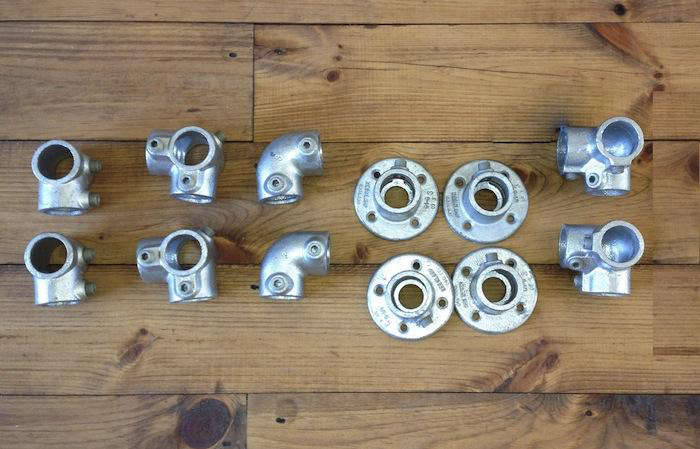
Pipe Bed Frame Fittings – Galvanized
Jun
A bed frame made from galvanized pipe has a certain honest charm. It does not pretend to be a delicate antique, whisper about artisanal joinery, or require anyone to pronounce a Scandinavian product name correctly. It looks strong, practical, and unapologetically industrial. More importantly, a well-planned galvanized pipe bed can be customized to fit an awkward room, an unusual mattress, a minimalist loft, or a bedroom that needs more personality than another rectangular box from a furniture warehouse.
The fittings are the real stars of the project. Pipes create the long structural lines, but elbows, tees, crosses, flanges, couplings, and slip-on connectors decide whether the finished bed feels solid or behaves like a shopping cart with one rebellious wheel. Choosing the right galvanized pipe bed frame fittings therefore matters as much as choosing the pipe itself.
This guide explains the major fitting systems, practical design considerations, assembly methods, maintenance needs, and lessons that experienced DIY builders tend to learn after the first enthusiastic pile of metal parts arrives on the floor.
What Are Galvanized Pipe Bed Frame Fittings?
Galvanized pipe fittings are metal connectors protected by a zinc-based coating. The coating helps shield the underlying iron or steel from moisture and corrosion. In hot-dip galvanizing, a zinc-iron coating becomes tightly bonded to the base metal, providing both a physical barrier and sacrificial protection. In less scientific language, the zinc volunteers to have a bad day so the steel can keep looking respectable.
For bed construction, galvanized fittings generally fall into two broad categories: threaded plumbing-style fittings and slip-on structural fittings. They can produce similar industrial looks, but they behave very differently during design and assembly.
Threaded Galvanized Fittings
Threaded fittings screw onto threaded pipe nipples or longer custom-cut sections. Common parts include 90-degree elbows, tees, crosses, couplings, unions, caps, plugs, and floor flanges. These fittings are widely available and create the traditional pipe-furniture appearance most people recognize.
The challenge is that threaded construction depends on rotation. Tightening one connection may change the alignment of another, and a fully closed rectangular frame can become surprisingly difficult to assemble without unions or a carefully planned sequence. A threaded design should therefore be drawn as an assembly path, not merely as a finished shape.
Slip-On Structural Fittings
Slip-on fittings slide over compatible pipe or tubing and are secured with set screws tightened by a hex key. They are available as elbows, tees, side-outlet elbows, crosses, base flanges, swivel joints, and other configurations. Because the pipe does not have to rotate, slip-on systems are easier to adjust, square, dismantle, and modify.
These fittings are especially useful when the bed must be assembled inside a small room or taken apart during a move. Their chunky cast-metal appearance is slightly different from threaded plumbing fittings, but many builders prefer the flexibility. Always use pipe with the outside diameter specified by the fitting manufacturer. A nominal pipe label is not a promise that every unrelated connector will fit.
Why Choose Galvanized Fittings for a Bed Frame?
Corrosion Resistance
Bedrooms are not normally harsh industrial environments, but moisture still appears through humidity, cleaning, open windows, damp flooring, and the occasional drink placed where no drink should ever have been placed. Galvanized surfaces offer better corrosion resistance than unfinished steel and are particularly appealing in basements, coastal regions, workshops converted into living areas, and recreational vehicles.
Galvanizing does not make metal immortal. Scratched coatings, exposed cut ends, trapped moisture, and harsh cleaning chemicals can still create problems. However, a properly maintained galvanized frame generally demands less rust prevention than bare steel.
A Distinctive Industrial Finish
Galvanized fittings range from bright silver to mottled gray. Some pieces have visible texture, casting marks, or variations in luster. Those differences usually become part of the industrial style rather than defects that must be hidden. In fact, a frame that looks too perfectly uniform can lose some of the workshop-built character that makes pipe furniture interesting.
Modular Design Potential
A pipe frame can be changed without rebuilding every component. A headboard can be added later, legs can be shortened, a center support can be strengthened, or side rails can be extended for a different platform. Slip-on systems are particularly adaptable, while threaded systems can also be modified when unions and removable subassemblies are included in the original plan.
Availability of Useful Shapes
Galvanized pipe fittings are available in enough shapes to create simple platforms, four-poster beds, canopy frames, headboards, under-bed storage systems, and combinations of metal and wood. The result can look custom without requiring a welding machine or a secret apprenticeship in a nineteenth-century factory.
Essential Galvanized Fittings and Their Jobs
| Fitting | Typical Bed-Frame Use | Planning Consideration |
|---|---|---|
| 90-degree elbow | Creates square corners and headboard turns | Threaded elbows affect the final length and assembly sequence |
| Tee fitting | Connects legs, side rails, and center supports | The branch must face the correct direction before final tightening |
| Cross fitting | Joins intersecting rails or decorative headboard members | Useful but bulky; check mattress and wall clearances |
| Side-outlet elbow | Connects three members at a corner | Excellent for platform corners in compatible systems |
| Coupling | Joins two threaded pipe sections in a straight line | Both pipe ends move deeper into the fitting as it is tightened |
| Union | Creates a removable joint in a threaded frame | Helpful when closing a rectangle or planning future disassembly |
| Floor flange | Acts as a foot, mounting plate, or wood attachment point | Add protective pads and use fasteners appropriate for the attached material |
| Cap or plug | Covers an exposed pipe end | Reduces sharp edges and gives the frame a finished appearance |
| Slip-on base fitting | Creates adjustable legs or mounting points | Follow the manufacturer’s set-screw and pipe-size instructions |
| Swivel fitting | Adds angled bracing or non-square decorative elements | Do not assume an adjustable joint is appropriate for every primary load path |
Planning a Strong Pipe Bed Frame
Start With the Actual Mattress
Typical U.S. mattress dimensions include approximately 38 by 75 inches for a twin, 54 by 75 inches for a full, 60 by 80 inches for a queen, 76 by 80 inches for a king, and 72 by 84 inches for a California king. Actual products can vary, especially when upholstery, edge construction, or custom manufacturing enters the conversation.
Measure the mattress rather than trusting a label. Then decide how much clearance is needed around it. Too little clearance makes changing sheets feel like competitive wrestling. Too much allows the mattress to drift around the frame like it is searching for a better apartment.
Separate the Metal Frame From the Mattress Support
The perimeter pipe frame does not automatically create an appropriate mattress foundation. Most designs need wooden slats, a plywood platform, a bunkie board, or another support surface that follows the mattress manufacturer’s requirements.
A wood platform can be fastened to flanges or brackets attached to the pipe structure. Slats may rest on wood ledgers mounted inside the frame. Whatever method is selected, distribute the mattress load across the frame instead of expecting two long side pipes to do everything.
Include a Center Beam and Supporting Legs
Full, queen, and king frames commonly benefit from a center beam with one or more legs transferring load to the floor. Wider mattresses create longer spans, and the middle of the bed experiences repeated dynamic loading as people sit down, turn over, or enthusiastically test whether the frame squeaks.
The exact support arrangement depends on the pipe diameter, fitting system, span, mattress foundation, user load, and manufacturer specifications. A decorative sketch is not a structural calculation. For unusually heavy loads, commercial settings, raised sleeping platforms, or uncertain designs, obtain qualified engineering advice.
Understand Nominal Pipe Size
Pipe is often sold by nominal size rather than exact outside diameter. For example, a fitting labeled for a particular nominal pipe size may be designed around a standardized outside diameter that is noticeably larger than the number printed on the shelf label.
Threaded pipes and fittings from the same compatible standard are usually straightforward. Slip-on fittings require closer attention because they grip the pipe exterior. Match the fitting series, pipe type, and outside diameter exactly. Buying by appearance is an excellent way to create an expensive metal sculpture that connects to nothing.
How to Assemble a Galvanized Pipe Bed Frame
1. Create a Scaled Drawing and Cut List
Draw the perimeter, center beam, legs, mattress-support system, and headboard separately. Record the length of every pipe and the quantity of every fitting. Include the space each fitting adds to the finished dimensions; a 60-inch pipe does not create a 60-inch outside frame once elbows and connectors join the party.
For threaded construction, identify where unions or detachable sections are needed. For slip-on construction, mark the insertion depth of each pipe so repeated components remain consistent.
2. Inspect and Clean the Components
Check each fitting for casting flash, damaged threads, sharp edges, shipping oil, and zinc drips that could interfere with assembly. Wipe galvanized components with a damp cloth and mild dish soap when necessary, then dry them thoroughly. Avoid aggressive abrasives that could unnecessarily damage the protective coating.
Remove cutting burrs from pipe ends with an appropriate deburring tool or file while wearing eye and hand protection. Treat exposed steel at cut or field-threaded areas with a compatible zinc-rich repair coating when needed.
3. Dry-Fit the Frame
Assemble the major sections loosely before locking everything down. Check overall width, length, leg position, headboard alignment, and mattress clearance. Measure both diagonals across the rectangular platform. Equal diagonals indicate that the frame is square.
A dry-fit catches mistakes while they are still mildly annoying rather than after the frame has become a 180-pound monument to optimism.
4. Tighten in Stages
For threaded fittings, tighten connections gradually while maintaining alignment. Avoid using excessive leverage that can damage threads or make later disassembly impossible. Thread seal tape is generally unnecessary for decorative furniture because the joints are not carrying fluids, although some builders use a removable thread-locking product to reduce movement. Confirm compatibility before applying any compound.
For slip-on fittings, set the pipes to the planned insertion depth, square the structure, and tighten set screws according to the fitting manufacturer’s instructions. Recheck the frame after the first tightening sequence because one adjustment can subtly pull another corner out of alignment.
5. Install the Mattress Platform
Add the slats, plywood deck, or other approved support. Round or sand exposed wood edges, countersink fasteners where appropriate, and prevent metal hardware from contacting the mattress. Follow the mattress manufacturer’s foundation and slat-spacing requirements, particularly when a warranty depends on the support system.
6. Protect the Floor
Metal flanges can scratch wood, dent resilient flooring, and slide on tile. Add non-marking rubber pads, felt protectors, or broad furniture cups under every contact point. Check that all legs touch the floor evenly. A single short leg can turn a sturdy frame into a percussion instrument.
Design Ideas for Galvanized Pipe Bed Fittings
Minimal Platform Bed
A low rectangular perimeter with short legs and a center support delivers the cleanest industrial appearance. Pair the metal frame with natural plywood, oak slats, or a dark-stained wood platform. This style works well in modern apartments where a huge decorative headboard would visually consume the room.
Pipe-and-Wood Headboard
Vertical galvanized pipes can support reclaimed boards, finished lumber, perforated metal, or upholstered panels. Tees and elbows create the outer frame, while flanges provide attachment points. Leave enough clearance between the headboard and mattress for bedding without creating a gap that collects every missing phone charger in the household.
Four-Poster or Canopy Frame
Vertical corner posts and overhead rails create a dramatic canopy structure. Slip-on side-outlet fittings simplify the upper corners. Because tall frames magnify movement and leverage, add appropriate bracing and verify that the structure cannot tip, rack, or detach. Keep ceiling fans, light fixtures, windows, and curious climbers in mind.
Under-Bed Storage Frame
Longer legs can create space for drawers, bins, or rolling boxes. Cross members may also support a shelf beneath the mattress platform. Storage should slide freely without striking center legs, and the raised design must remain laterally stable. More height is useful, but eventually the bed begins demanding a boarding pass.
Common Mistakes to Avoid
Mixing Incompatible Systems
A plumbing fitting, structural fitting, EMT connector, and furniture-grade decorative fitting may all look like metal circles with opinions, but they are not necessarily interchangeable. Confirm thread type, nominal size, outside diameter, wall thickness, and intended pipe compatibility before ordering.
Ignoring the Assembly Sequence
Threaded rectangular frames can trap the builder in a mechanical puzzle. Use unions, divide the design into removable sections, or choose slip-on fittings where future disassembly matters.
Depending on the Perimeter Alone
A strong-looking outer frame still needs a suitable mattress deck, center support, and load path to the floor. Decorative fittings do not automatically create an engineered structure.
Skipping the Squaring Process
If the frame is not square, slats may fit poorly, the mattress may sit unevenly, and the legs may not share the load. Measure diagonals before final tightening and again after the platform is installed.
Forgetting the Frame’s Weight
Galvanized pipe and cast fittings add up quickly. Build modular sections that can pass through doors and be carried safely. Do not assemble a king-size frame in the garage unless the garage is where you intend to sleep.
Cleaning and Maintaining the Galvanized Finish
Routine care is simple. Remove dust with a soft cloth, and clean marks with a damp cloth and mild dish soap. Dry the surface afterward, especially around threaded recesses, floor flanges, and overlapping joints where moisture can linger.
Inspect the frame periodically for loosened set screws, rotating threaded joints, damaged floor pads, exposed sharp edges, and early corrosion. Tighten components using the appropriate tool and manufacturer guidance. Do not blindly apply maximum force; overtightening can strip threads, deform lightweight tubing, or damage fittings.
When a cut end or deep scratch exposes bare steel, clean and dry the area before applying a compatible zinc-rich repair product. Owners who want a colored frame can paint galvanized metal, but proper cleaning, surface preparation, and a coating designed for galvanized surfaces are essential. Ordinary paint applied over contamination may peel with the confidence of wallpaper in a steamy bathroom.
Important Safety Considerations
A DIY pipe bed should be treated as load-bearing furniture, not merely decorative plumbing. Use components from identifiable manufacturers, follow applicable assembly instructions, and test the empty frame for movement before installing the mattress. Recheck every connection after initial use.
Avoid converting an unverified design into a bunk bed, loft bed, suspended bed, or children’s climbing structure. Elevated sleeping products involve fall, entrapment, guardrail, ladder, and stability requirements that go well beyond an ordinary adult platform frame.
Mechanical connectors are generally preferable for home pipe-furniture projects. Heating, welding, or torch-cutting galvanized steel can generate hazardous zinc-containing fumes and should not be attempted without appropriate professional knowledge, ventilation, exposure controls, and personal protective equipment. A bed project should improve sleep, not introduce occupational hygiene as an emergency hobby.
Builder Experience: What a Galvanized Pipe Bed Project Actually Teaches You
The First Lesson Is That Small Measurement Errors Become Large Frame Errors
On paper, a pipe bed looks like a simple rectangle with legs. During an actual build, every elbow, tee, flange, thread, and insertion depth changes the finished dimensions. A quarter-inch difference at several joints can become a noticeable mismatch by the time the opposite corner is assembled.
Experienced builders measure the mattress, sketch the fitting centerlines, and calculate the finished outside and inside dimensions separately. They also order or cut one test section before committing to every long pipe. That sample reveals how deeply threaded parts engage, how much length a connector contributes, and whether the selected fitting system produces the desired appearance.
This test-piece habit feels slow for approximately ten minutes. After that, it becomes much faster than discovering that twelve custom-cut pipes are all the wrong length.
Dry-Fitting Saves Both Money and Vocabulary
One of the most useful real-world habits is assembling the frame loosely on a flat floor. Builders can then compare diagonal measurements, position the center legs, verify mattress clearance, and rotate fittings before final tightening.
Threaded fittings make this stage particularly important. An elbow may feel tight while still pointing several degrees away from its required position. Forcing it another rotation may be unrealistic, while backing it off too far can leave the joint loose. Builders often solve the issue by exchanging a pipe nipple, adjusting a nearby connection, adding a union, or redesigning the section as a removable assembly.
Slip-on connectors reduce that particular frustration because the pipe position can be adjusted independently. However, they create a different discipline: insertion depths must be marked consistently. Without reference marks, one rail can slide farther into a fitting than another, making a supposedly symmetrical frame look as though it was assembled during an earthquake.
The Center Support Usually Matters More Than the Decorative Headboard
Many first-time builders spend hours perfecting the visible headboard and only a few minutes considering the support beneath the mattress. Experience reverses those priorities. The center beam, supporting legs, slat ledgers, and platform fasteners determine how the bed feels every night.
A good support system spreads the load and prevents excessive movement. Center legs should stand directly on the floor rather than hover a fraction of an inch above it. On an uneven floor, adjustable feet or carefully selected pads can help establish full contact. Builders should check the frame after placing the mattress because the added weight may expose rocking that was not obvious when the frame was empty.
Noise Usually Comes From Movement, Not From the Metal Itself
Metal frames are often blamed for squeaks, but the noise commonly originates where parts shift against one another. Loose threaded joints, inadequately tightened set screws, unsupported slats, rubbing wood, uneven legs, and hardware touching the wall are frequent causes.
Builders reduce noise by tightening the frame in stages, isolating wood-to-metal contact where appropriate, securing the mattress platform, and keeping the headboard slightly clear of the wall. After several nights of use, every joint should be inspected again. Initial loading can settle components and reveal a connection that needs attention.
Modular Construction Makes Moving Day Less Dramatic
A completed galvanized pipe bed can be heavy and awkward even when every individual component seems manageable. Builders who expect to move the frame later divide it into a headboard, foot section, side rails, center support, and removable mattress deck. Unions or slip-on fittings make this arrangement much easier.
Labeling hidden joints with removable tape also saves time. Without labels, a pile of similar silver pipes becomes a life-size logic puzzle. Storing the correct hex key, wrench, spare set screws, and assembly sketch in a labeled bag turns reassembly into a normal afternoon project instead of an archaeological investigation.
The Best Finish Is Usually the One That Accepts Some Imperfection
Galvanized components can vary from shiny silver to matte gray. Builders who expect appliance-grade visual uniformity may spend more time sorting fittings than assembling the bed. Those who embrace slight variations often achieve a more convincing industrial result.
The practical goal is a surface that is clean, dry, free of sharp protrusions, and suitable for indoor contact. Cosmetic variation is part of the material. When the wood platform, bedding, lighting, and surrounding furniture are added, tiny differences between fittings become far less noticeable. The finished bed reads as one strong design rather than a catalog of zinc textures.
Conclusion
Galvanized pipe bed frame fittings offer durability, corrosion resistance, modularity, and a distinctive industrial appearance. Threaded fittings create a classic pipe-furniture look, while slip-on structural connectors simplify adjustment and disassembly. Neither system succeeds without careful measurement, compatible components, a proper mattress foundation, reliable center supports, and a thoughtful assembly sequence.
The most successful project begins with the unglamorous details: measuring the actual mattress, calculating fitting allowances, planning how the rectangle will close, checking pipe compatibility, and designing a direct load path to the floor. Once those decisions are correct, the creative options are wide open. The result can be a compact platform, a wood-and-pipe headboard, a storage bed, or a dramatic canopy that looks custom because it truly is.
SEO Metadata
Note: This guide is intended for conventional adult platform-style furniture. Bunk beds, loft beds, suspended beds, unusually heavy-duty frames, and structures used by children should be based on professionally engineered plans and all applicable safety requirements.

