
Makeup
Myopia: How to Slow Progression in Your Child
Aug
One day, your child is reading the classroom board without a problem. The next, they are squinting at it as though the teacher has started writing in invisible ink. Childhood myopia, commonly called nearsightedness, often begins quietly and can become stronger as the eyes continue to grow.
Regular glasses can make distant objects clear, but clear vision and myopia control are not the same thing. Myopia-control treatment aims to reduce how quickly the prescription changes and how rapidly the eye lengthens. It cannot guarantee that progression will stop, but slowing it may reduce the chance that a child eventually develops high myopia and its associated eye-health risks.
Medical note: This article is for general education. A pediatric ophthalmologist or optometrist should evaluate your child and recommend treatment based on age, prescription, eye health, rate of progression, lifestyle, and ability to use a treatment safely.
What Is Childhood Myopia?
Myopia is a refractive error that makes faraway objects appear blurry while close objects may remain clear. It commonly develops when the eyeball becomes too long from front to back. Light then focuses in front of the retina instead of directly on it.
Myopia often begins between ages 6 and 14 and may continue progressing through the teenage years or into early adulthood. A child who becomes nearsighted at a younger age has more growing years ahead, which gives the condition more time to become severe.
Common signs parents may notice
- Squinting when looking across a room
- Sitting unusually close to the television
- Holding a tablet or book close to the face
- Complaining that the classroom board looks blurry
- Moving closer to signs, scoreboards, or movie screens
- Frequent eye rubbing, eyestrain, or occasional headaches
- Losing interest in sports that require clear distance vision
Some children do not complain because blurry distance vision feels normal to them. They may assume everyone sees trees as green clouds and street signs as decorative rectangles. That is one reason routine comprehensive eye examinations matter even when a child seems to function well.
Why Slowing Myopia Progression Matters
Myopia is not merely an inconvenience requiring thicker glasses. Higher levels of myopia are associated with an increased lifetime risk of retinal tears or detachment, glaucoma, cataracts, and myopic macular disease. These complications are more likely with severe myopia, although no prescription creates a perfectly risk-free dividing line.
The goal of myopia management is therefore practical and preventive: help the child see clearly today while limiting eye growth that could increase risks decades later. Even partial slowing can be worthwhile because each avoided increase in prescription may reduce the likelihood of reaching very high myopia.
Start With an Accurate Eye Examination
A school screening can identify some children who cannot see the chart clearly, but it is not a complete evaluation. A comprehensive examination may include distance and near visual-acuity testing, assessment of eye alignment, evaluation of eye health, and refraction to measure the prescription.
Children can unconsciously overfocus during a standard refraction. For that reason, the clinician may use dilating drops to temporarily relax the focusing muscles and obtain a more accurate measurement. Some myopia-management practices also measure axial length, which is the front-to-back length of the eye. Tracking both prescription and axial growth can provide a fuller picture of progression.
Most children with myopia need at least yearly examinations. Children receiving active myopia-control treatment may be checked more frequently, often approximately every six months or according to the treating clinician’s schedule.
Evidence-Based Ways to Slow Myopia Progression
No single method is ideal for every child. The best plan balances effectiveness, comfort, safety, cost, availability, maturity, family routine, and the speed at which myopia is changing.
1. Myopia-control eyeglass lenses
Traditional single-vision glasses place one corrective prescription across the lens. They sharpen distance vision but generally are not designed to slow eye growth. Newer myopia-control spectacle lenses combine a clear central viewing area with additional optical elements that alter how peripheral light reaches the retina.
In September 2025, the FDA authorized Essilor Stellest lenses as the first eyeglass lenses in the United States indicated both to correct myopia and slow its progression. They are intended for children who are 6 to 12 years old when treatment begins. In the two-year clinical data reviewed by the FDA, the lenses produced less prescription progression and less axial elongation than standard single-vision lenses. Some children reported blur or halos, although no serious adverse events were reported in the study.
These lenses may be especially attractive for younger children, children who are not ready for contacts, or families seeking a lower-maintenance option. They must be fitted correctly and worn consistently. Glasses spending half the day inside a backpack are unlikely to perform heroic medical feats.
2. Daily disposable myopia-control contact lenses
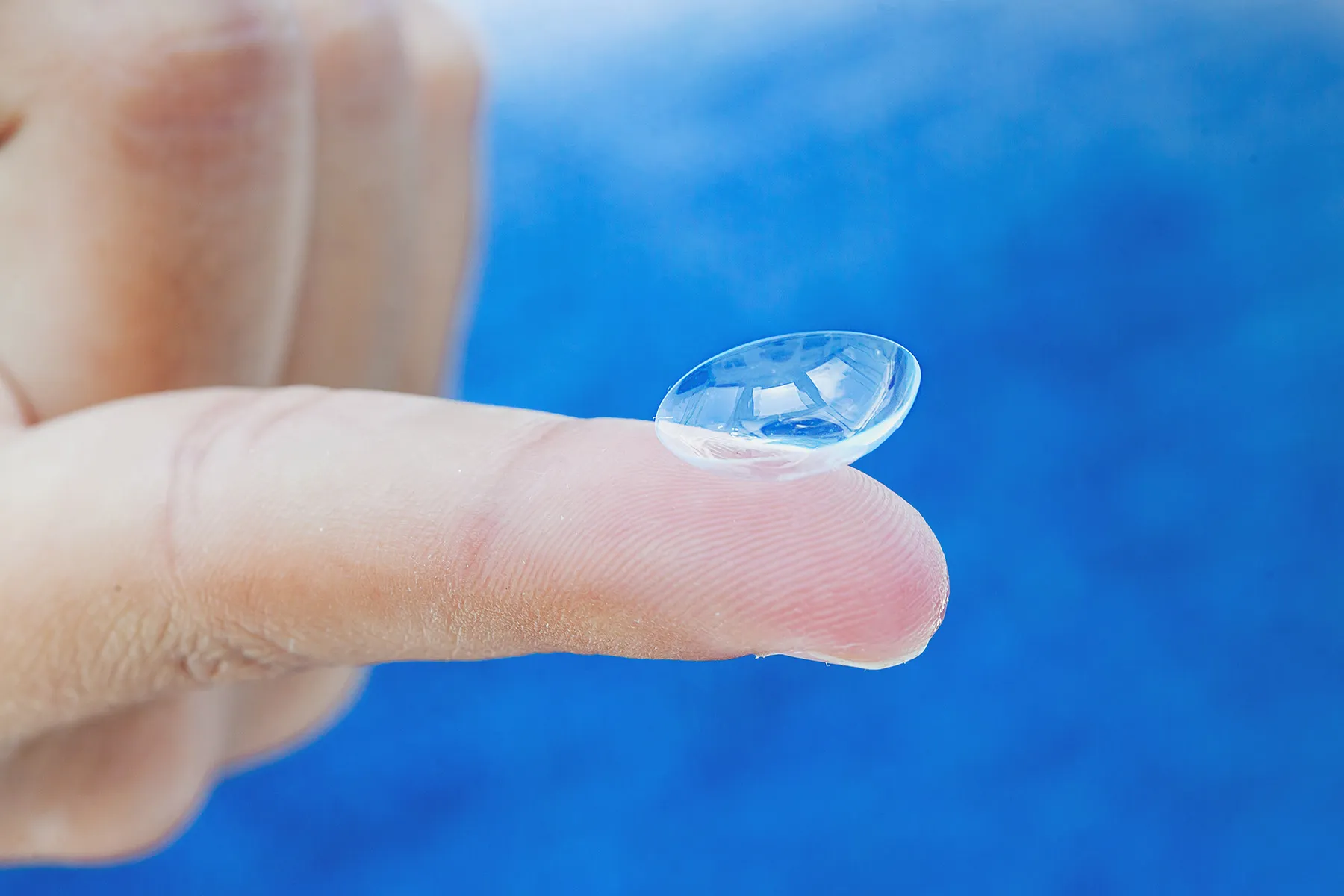
MiSight 1 Day is an FDA-approved soft contact lens designed to correct vision while slowing childhood myopia progression. FDA labeling covers children who are 8 to 12 years old when treatment starts and who meet specified prescription and eye-health requirements. Each lens is discarded after removal, eliminating the need for overnight storage.
Other multifocal soft contact lenses may be prescribed off-label for myopia control. In the National Eye Institute-funded BLINK study, high-add multifocal contacts slowed prescription progression by about 43% over three years compared with single-vision contacts. Medium-add lenses did not produce the same meaningful benefit.
Contact-lens maturity is not determined by birthday alone. A responsible 9-year-old who washes and dries their hands carefully may be a better candidate than a 13-year-old who considers the bedroom carpet an approved storage system.
3. Orthokeratology
Orthokeratology, often shortened to ortho-k, uses specially fitted rigid lenses worn overnight. The lenses temporarily reshape the cornea so the child can often see more clearly during the day without glasses. Their optical effect may also reduce the signals that encourage eye elongation.
Clinical studies and systematic reviews indicate that ortho-k can slow axial growth in many children. However, results vary, the corneal reshaping is temporary, and the lenses must be worn according to the prescribed schedule. Treatment requires careful fitting, regular follow-up, excellent cleaning habits, and immediate attention to pain, redness, discharge, light sensitivity, or sudden blur.
Because ortho-k lenses are intentionally worn during sleep, they should be managed only by an eye-care professional trained in the method. They should never be purchased casually online or shared between children. Eyes are not feet; hand-me-down lenses are not a money-saving strategy.
4. Low-dose atropine eye drops
Atropine is a medication traditionally used to dilate the pupil and temporarily relax the eye’s focusing system. Much weaker concentrations are sometimes prescribed at bedtime to slow childhood myopia. Low-dose atropine for myopia control remains an off-label treatment in the United States, meaning clinicians may prescribe it even though no low-dose atropine product currently has FDA approval specifically for this purpose.
The evidence requires nuance. Studies conducted in Hong Kong and other regions have found that concentrations such as 0.05% can reduce myopia progression, with effectiveness and side effects generally increasing with concentration. However, a randomized U.S. trial involving children ages 5 to 12 found that 0.01% atropine was no better than placebo after two years. This does not prove that every atropine concentration is ineffective; it shows why the dose should not be selected by copying a social-media post or another child’s prescription.
Possible side effects include stinging, light sensitivity, mildly enlarged pupils, allergic reactions, and blurred near vision. Higher concentrations may produce more noticeable effects. Parents should use only the formulation, concentration, and schedule prescribed by their child’s clinician and store the bottle safely away from younger children.
5. More time outdoors
Outdoor time is one of the simplest steps families can take. Research most strongly supports it as a way to reduce or delay the onset of myopia. Evidence that outdoor time alone substantially slows already established myopia is less consistent, so it should complementnot replaceprescribed treatment.
A practical target is roughly one to two hours outside on most days, with appropriate sun protection. The activity does not need to be organized sports. Walking the dog, riding a bicycle, gardening, playing at a park, drawing on the porch, or conducting an extremely serious investigation into neighborhood bugs all count. Outdoor brightness appears to matter more than athletic intensity.
Better Near-Work and Screen Habits
Screens are not the sole cause of myopia. Genetics, age, eye growth, outdoor exposure, educational demands, and prolonged close work all interact. Throwing the tablet dramatically into a drawer will not rewrite family genetics, although it may create a memorable evening.
Still, healthier viewing habits can reduce eyestrain and may help limit environmental pressures associated with myopia:
- Keep books and handheld screens at least 12 inches from the eyes.
- Avoid reading with the face extremely close to the page.
- Use the 20-20-20 rule: every 20 minutes, look about 20 feet away for at least 20 seconds.
- Encourage longer breaks after sustained homework or gaming sessions.
- Use comfortable room lighting instead of reading in a dark room with only a bright screen.
- Place larger screens farther away whenever practical.
- Balance indoor near work with daily outdoor activity.
The 20-20-20 rule is mainly a practical reminder to interrupt prolonged focusing. It is not a magical formula that neutralizes four hours of uninterrupted gaming because a child stared at a lamp for 20 seconds afterward.
Contact-Lens Safety Is Part of Myopia Control
A treatment cannot protect long-term vision if unsafe use causes a corneal infection. Contact-lens wear is associated with a risk of keratitis, including microbial keratitis, which can cause scarring, vision loss, or, in severe cases, the need for a corneal transplant.
Children wearing contacts should:
- Wash hands with soap and water before touching lenses.
- Dry hands with a clean, lint-free towel.
- Keep lenses away from tap water, pools, hot tubs, and showers.
- Use only the recommended cleaning and disinfection products.
- Never use saliva to wet a lens.
- Replace lenses and cases on schedule.
- Avoid sleeping in lenses unless the treatment specifically requires overnight wear.
- Keep backup glasses available.
- Remove lenses and call the eye doctor promptly if pain, redness, discharge, light sensitivity, or sudden blur occurs.
How to Choose the Right Treatment
The fastest-progressing child does not automatically need every treatment at once. Likewise, a child who dislikes eye drops should not be declared medically incompatible with success. The treatment decision should consider several questions.
How quickly is the prescription changing?
A change of approximately 0.50 diopter or more within a year often attracts attention, but prescription change is only part of the picture. Age, axial growth, family history, and previous measurements also matter.
How old was the child when myopia began?
Earlier onset generally means more time for progression. A 7-year-old with rapidly changing myopia may require a more active plan than an older teenager whose prescription has remained stable.
Can the child follow the routine?
Myopia-control glasses require consistent wear. Daily contacts require responsible insertion, removal, and hygiene. Ortho-k requires meticulous overnight care. Atropine requires reliable dosing and safe storage. The “best” treatment on paper is not best if it is used three Tuesdays per month.
What side effects or practical barriers exist?
Cost, insurance coverage, access to specialty care, sports participation, allergies, dry eye, sensitivity to light, and the child’s comfort with contact lenses can all affect the choice. Families should ask for realistic expected benefits, risks, total expenses, replacement costs, and follow-up requirements.
Questions to Ask Your Child’s Eye Doctor
- How much has the prescription changed since the previous examination?
- Is axial-length measurement available or useful for my child?
- Is the progression fast enough to justify active myopia control?
- Which options are FDA-authorized, and which would be prescribed off-label?
- What benefit is realistic for this child rather than for the average study participant?
- What side effects should we watch for?
- How often will follow-up examinations be needed?
- How will we decide whether treatment is working?
- When might treatment be changed, combined, tapered, or stopped?
Experiences From Families Managing Childhood Myopia
Families often discover that myopia management is less like fixing a flat tire and more like guiding a growing child through orthodontic treatment. Progress is measured over months and years, routines matter, and the child’s cooperation can change dramatically depending on whether breakfast has occurred.
Consider a common scenario: an 8-year-old begins squinting at the board and receives a first prescription of -1.00 diopter. Six months later, the prescription is noticeably stronger. One parent has high myopia, and the child spends most afternoons doing homework, reading, or using a tablet indoors. The clinician may discuss myopia-control spectacles or daily disposable treatment lenses, increase outdoor-time goals, and schedule closer monitoring.
At first, the family may focus entirely on screen limits. That is understandable, but an all-or-nothing rule often creates arguments without producing a sustainable routine. A more workable approach might include outdoor play after school, a larger monitor for homework, regular visual breaks, and devices kept at a sensible distance. The goal is not to raise a child in a forest without Wi-Fi. It is to create a healthier visual environment that can actually survive a normal school week.
Another family may choose daily disposable myopia-control contacts for a sports-loving 10-year-old. The first week can involve several false starts, one lens folded like a taco, and a parent questioning every life decision made since kindergarten. With supervised practice, however, insertion and removal often become routine. A written hygiene checklist near the sink can help until the steps become automatic.
A different child may strongly dislike touching their eyes. Myopia-control glasses may then be more realistic. Parents sometimes worry that specialty lenses will feel strange, but many children adapt quickly when frames fit properly and the lenses are worn consistently. Choosing durable frames that the child likes can matter more than adults expect. A pair of glasses worn proudly usually outperforms a “perfect” pair abandoned beside the cereal bowls.
Families using atropine may need to experiment with the timing of the bedtime routine under medical guidance. Drops are often easier before the child becomes overtired. Parents may create a simple sequence: brush teeth, use the prescribed drop, close the eye gently, wash hands, and mark the dose on a calendar. If light sensitivity or near blur occurs, the clinician should be contacted rather than the dose being adjusted independently.
Progress appointments can also feel confusing. A stronger prescription does not always mean treatment has failed. Myopia-control therapies generally aim to slow progression, not freeze the eye in place. The important comparison is often how quickly the child is progressing now versus before treatment or versus the expected rate without treatment. Measurements taken over several visits are more informative than one stressful afternoon when the child is tired and guessing enthusiastically at letters.
Parents may also feel guilty, especially when they are nearsighted themselves or when a child enjoys reading. Myopia is not proof of bad parenting, excessive intelligence, insufficient carrots, or a household moral failure. Genetics and eye growth cannot be controlled completely. Reading remains valuable, screens are part of modern education, and outdoor time is beneficial but not a guaranteed shield.
The most successful families usually build a plan around consistency rather than perfection. They attend follow-up visits, keep prescriptions current, use treatment as directed, encourage outdoor time, and teach safe lens habits. They also involve the child in decisions. A child who understands why treatment matters is more likely to cooperate than one who hears only, “Because the doctor said so.”
Childhood myopia cannot always be prevented, reversed, or stopped. It can, however, be detected early, corrected clearly, monitored carefully, and often slowed with modern treatment. The right plan is the one that combines credible evidence with the needs of the individual childand that the family can follow on ordinary Wednesdays, not just during the first highly motivated week.
Editorial note: This educational article synthesizes current information from U.S. ophthalmology organizations, pediatric eye specialists, federal health agencies, major academic medical centers, and peer-reviewed clinical research, including the AAO, AAPOS, National Eye Institute, NIH, FDA, CDC, Mayo Clinic, Johns Hopkins Medicine, American Optometric Association, and PubMed-indexed trials.

