
Skincare
Le Mary Celeste: Coastal Cool in the Middle of the Marais
Jun
Paris has many personalities. Some days it is all butter, marble, and museum hush. Other days it is a linen shirt, a little sea air, a shared plate of oysters, and a room full of people pretending they did not spend twenty minutes choosing the perfect “effortless” outfit. That second Paris is where Le Mary Celeste lives.
Set at 1 Rue Commines in the Haut-Marais, Le Mary Celeste is one of those rare Paris addresses that feels both neighborhood-friendly and globally whispered-about. It is part oyster bar, part small-plates restaurant, part cocktail and natural-wine hangout for adult diners, and part design mood board for anyone who has ever said, “I want my apartment to feel coastal, but not like a seashell exploded in it.” Since opening in 2013, it has become a fixture of the modern Marais dining scene: relaxed, bright, social, and just polished enough to make casual look suspiciously well planned.
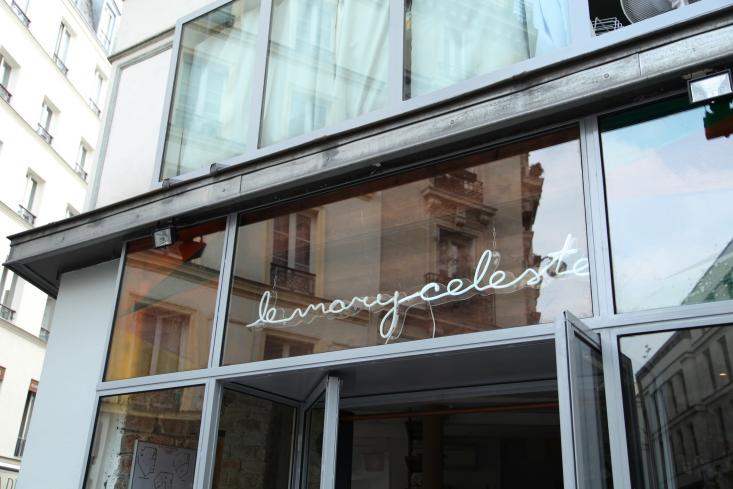
The magic is in the contrast. Outside, the Marais gives you narrow streets, historic façades, galleries, boutiques, and the occasional fashion person moving with the urgency of a catwalk emergency. Inside, Le Mary Celeste offers whitewashed wood, pale sea tones, big windows, a central bar, and a breezy atmosphere that suggests the coast is somehow hiding behind the next block. There is no beach, of course. This is Paris. The sea breeze is conceptual. But somehow, it works.
What Is Le Mary Celeste?
Le Mary Celeste is best described as a bar à manger, a French phrase that sounds simple but does a lot of heavy lifting. It means you can come for a drink, stay for food, share several plates, order oysters when they are in season, and let the evening become whatever shape it wants. It is not a stiff white-tablecloth restaurant. It is not a dive bar. It is not one of those places where the menu requires a translator, a flashlight, and emotional resilience. It sits comfortably in the middle: lively, stylish, approachable, and built for conversation.
The restaurant was created by the team associated with other influential Paris spots such as Candelaria and Glass, venues that helped push the city’s modern cocktail and casual dining culture forward. That heritage matters because Le Mary Celeste is not trying to imitate old-school Paris. Instead, it belongs to the wave of places that made Paris feel more international without sanding off its Frenchness. It takes local ingredients, seafood-bar energy, creative drinks for adult guests, natural wine culture, and small-plate dining, then folds them into a room that feels open, bright, and just a little mischievous.
A Ghost Ship Name With a Sense of Humor
The name Mary Celeste comes from the famous 19th-century merchant ship found mysteriously abandoned while carrying alcohol. It is one of history’s great maritime mysteries, and it gives the restaurant a wink of nautical drama. Naming a Paris oyster bar after a ghost ship could have gone terribly wrong. Imagine fishing nets on the ceiling, fake anchors, and a bathroom mirror framed with rope thick enough to restrain a whale. Thankfully, Le Mary Celeste shows restraint.
The nautical influence appears in soft details: pale blues and greens, whitewashed surfaces, rope accents, airy windows, and a lightness that feels more “seaside apartment owned by someone with excellent taste” than “pirate-themed birthday party.” The result is coastal without costume. It borrows the freshness of the sea but keeps both feet planted in the Marais.
Why the Marais Location Works So Well
The Marais is one of Paris’s most walkable neighborhoods, which is a polite way of saying you will get lost and enjoy it. The area mixes old mansions, design shops, art galleries, falafel counters, elegant cafés, and people carrying tiny shopping bags with the seriousness of diplomatic paperwork. Le Mary Celeste fits this setting perfectly because it offers relief from the neighborhood’s visual density.
On Rue Commines, the restaurant occupies a corner-like position that gives it an almost island feeling. Large windows open the room to the street, especially in warmer months, making the space feel less like a sealed dining room and more like a social harbor. The central bar anchors the room, with seating arranged around it and tables along the edges. This layout makes the restaurant feel democratic: everyone is part of the same scene, whether they are ordering oysters, sharing plates, or simply watching the evening unfold like a very stylish aquarium.
The Design: Coastal Cool Without Trying Too Hard
Le Mary Celeste’s interior is one of the biggest reasons people remember it. The space is bright, casual, and carefully composed, but not precious. Whitewashed wood keeps the room fresh. Pastel tones soften the edges. Bay windows bring in natural light. The bar sits at the center like the captain’s wheel of a ship, except instead of steering through storms, it steers hungry Parisians toward deviled eggs and oysters.
The design succeeds because it does not scream. Many coastal restaurants overdo the theme until you can practically hear a seagull demanding royalties. Le Mary Celeste takes the opposite approach. A little rope here, a pale-blue exterior there, some washed textures, and suddenly the mind fills in the rest. The room feels relaxed but intentional, a balance that is harder than it looks. It is the interior design equivalent of someone saying, “Oh, this old thing?” while wearing a perfectly tailored jacket.
Design Lessons From Le Mary Celeste
For readers interested in home design, Le Mary Celeste is a useful case study in restraint. Its coastal mood comes from texture and light, not novelty props. If you wanted to borrow the look at home, you would start with a few principles: keep the palette soft, use natural materials, let windows breathe, avoid clutter, and choose one or two playful details instead of turning the room into a souvenir shop.
The space also proves that coastal design does not have to be rustic. It can be urban, modern, and a little cosmopolitan. In the middle of Paris, that matters. The restaurant does not pretend to be on the Atlantic coast; it creates a feeling of openness inside a dense city. That is the real design trick.
The Food: Oysters, Small Plates, and Shareable Energy
Le Mary Celeste is often introduced as an oyster bar, and oysters remain central to its identity. When in season, they add the briny snap that completes the coastal illusion. They also bring a certain ceremony to the table. Oysters make people behave differently. Voices drop. Eyebrows rise. Someone inevitably says something about minerality. Nobody truly knows whether they are using the word correctly, but everyone feels sophisticated for a moment.
Beyond oysters, the menu is built around small plates meant for sharing. This format is one of the reasons the restaurant works so well socially. Instead of each person guarding a single main course like a medieval border, the table becomes a tiny edible negotiation. A plate arrives. Forks move. Someone says, “You have to try this.” Someone else pretends they were not already reaching for it.
The food often blends French ingredients with international accents. Dishes mentioned over the years by dining guides and reviewers include deviled eggs with Asian-inspired flavors, beef tartare with smoky and spicy notes, seasonal vegetable plates, seafood preparations, and desserts that reward anyone smart enough to save room. The exact menu changes, which is part of the appeal. Le Mary Celeste is not built around one frozen-in-time signature dish. It is built around freshness, appetite, and the pleasure of grazing.
Why Small Plates Fit the Mood
Small plates make sense here because the room is designed for movement and conversation. A classic three-course structure might feel too formal for the space. At Le Mary Celeste, the meal can expand or contract. You can stop in for oysters and a light bite, or build a fuller dinner through several shared dishes. This flexibility is a key reason the restaurant continues to attract both locals and travelers.
It also makes the experience more playful. There is less pressure to choose “the one perfect thing” and more freedom to follow curiosity. In a city famous for culinary rules, that looseness feels refreshing.
The Drinks Program, Briefly and Responsibly
Le Mary Celeste is also known for its adult beverage program, including creative cocktails, natural wines, and other options. For readers of legal drinking age, the bar has long been part of Paris’s modern cocktail conversation. For everyone else, the important point is not the alcohol itself but the role the bar plays in the room: it creates a central gathering place, gives the space rhythm, and supports the restaurant’s social energy.
There are also non-alcoholic choices, and the food-focused experience stands on its own. The best way to understand Le Mary Celeste is not as a place where drinks overshadow dinner, but as a place where the bar, kitchen, design, and neighborhood all work together. That balance is why it has remained relevant for more than a decade.
Who Goes to Le Mary Celeste?
The crowd is part of the atmosphere. Le Mary Celeste attracts a mix of Parisians, creative professionals, food-focused travelers, design lovers, and visitors who have done enough research to avoid accidentally eating a sad sandwich near a major monument. You may hear English. You may hear French. You may hear someone explaining natural wine with the confidence of a person who owns linen napkins. It is all part of the scene.
Despite its reputation, the restaurant does not feel icy or exclusive. It can be busy, and reservations are wise for dining, but the mood is more convivial than intimidating. The central bar makes the room feel active, while the windows keep it from feeling cramped. It is stylish, yes, but not in a way that demands you whisper.
Best Times to Visit
Le Mary Celeste is open daily, though hours and kitchen service can change, so checking the official schedule before visiting is always smart. Early evening is often the easiest time to enjoy the room before it becomes fully animated. Later, the atmosphere grows louder and more social, which can be exactly what you want if your idea of a Paris night includes energy, shared plates, and a little people-watching.
Winter and summer offer different pleasures. In colder months, oysters feel especially right, and the steamed-up-window effect gives the restaurant a cozy ship-cabin charm. In warmer weather, the open windows and street-facing layout make the room feel breezy and connected to the neighborhood. Either way, the space keeps its coastal personality.
What Makes Le Mary Celeste Different From a Typical Paris Restaurant?
Traditional Paris dining can be wonderful, but it can also be structured. Le Mary Celeste offers a looser script. It combines the informality of a neighborhood bar with the care of a serious kitchen. It has design credibility without becoming a showroom. It serves seafood and small plates without feeling like a luxury seafood temple where the oysters arrive with their own publicist.
The restaurant’s staying power comes from this hybrid identity. It is casual but not careless. Trendy but not disposable. International but still rooted in Paris. It can serve as a pre-dinner stop, a full meal, a date-night address, a design pilgrimage, or a place to decompress after exploring the Marais on foot. That flexibility is rare.
Nearby Marais Pairings
One of the pleasures of visiting Le Mary Celeste is building a Marais afternoon or evening around it. Before dinner, you can wander toward galleries, boutiques, and design stores. The Picasso Museum area is not far, and the Marché des Enfants Rouges offers another layer of food culture nearby. The neighborhood rewards slow walking, which is convenient because Paris sidewalks practically demand that you become the main character for at least ten minutes.
A strong itinerary might begin with museum time, continue with window-shopping and aimless wandering, and end at Le Mary Celeste for oysters and small plates. The restaurant feels especially satisfying after a day of hard cultural labor, such as looking at art, judging chairs you cannot afford, and deciding that yes, you could absolutely live in Paris if only rent, visas, and reality were not involved.
Experience Section: A Longer, More Personal Look at Le Mary Celeste
The first experience Le Mary Celeste offers is visual. Before you taste anything, you notice the pale exterior and the openness of the room. In the Marais, where many spaces feel tucked away or tightly packed, that openness feels generous. The windows act like an invitation. You do not feel as if you are entering a secret club; you feel as if you have found a bright corner where the evening has already begun saving you a seat.
Inside, the central bar changes the social geometry. In many restaurants, tables become little islands. At Le Mary Celeste, the bar pulls the room together. Even if you are sitting at a table, you feel the orbit of the place. Plates pass. Glassware catches light. Staff move quickly but casually. The whole room has a soft buzz, the kind that makes you sit up a little straighter and suddenly care whether your scarf looks intentional.
Ordering here is best approached with curiosity rather than a rigid plan. Start with oysters if they are available and you enjoy seafood. They set the tone: clean, briny, direct. Then move into small plates that balance richness, freshness, and texture. The fun is in contrast. A creamy dish tastes better next to something sharp. A smoky note becomes more interesting beside herbs or citrus. A vegetable plate can reset the table before something more indulgent arrives. This is food that rewards sharing, even if sharing also reveals which friend has suspiciously fast fork reflexes.
The experience is also shaped by timing. Arrive early, and Le Mary Celeste can feel almost serene, a place to settle into the room and notice the details: the wood, the windows, the colors, the way the Marais light changes outside. Arrive later, and the restaurant becomes more animated. The sound level rises. The room fills. The bar feels like the center of a small, stylish weather system. Neither version is better; they simply suit different moods.
For design lovers, the restaurant offers a lesson in atmosphere. Nothing feels over-decorated. The coastal references are suggestive rather than literal. That is why the room has aged well visually. Heavy themes can become tired quickly, but light, texture, and proportion have longer lives. Le Mary Celeste understands that a space does not need to shout “coastal” to feel fresh. Sometimes all it needs is a pale palette, honest materials, big windows, and enough restraint to leave room for people.
For travelers, the experience is especially appealing because it does not feel like a checklist restaurant. Yes, it is well known. Yes, it appears in guides. Yes, you may find plenty of visitors there. But the restaurant still works because it delivers a real evening rather than a trophy meal. You can relax. You can order gradually. You can watch the street. You can let the night stretch. In a city where dining can sometimes feel like a performance, Le Mary Celeste feels more like a conversation.
The best memory of a place like this is rarely one dish alone. It is the combination: the corner location, the window light, the oysters, the shared plates, the hum of the bar, the feeling that the Marais has briefly drifted toward the sea. That is the charm of Le Mary Celeste. It creates a coastal mood in a landlocked neighborhood and somehow makes the illusion feel completely natural.
Final Thoughts: Why Le Mary Celeste Still Matters
Le Mary Celeste remains one of the most distinctive places in the Marais because it understands modern hospitality. It does not rely on grandeur. It does not hide behind formality. Instead, it offers atmosphere, flexibility, good food, strong design, and the pleasure of being in a room that feels alive. The restaurant’s coastal cool is not just an aesthetic; it is a mood of ease.
In the middle of the Marais, surrounded by history, fashion, art, and the beautiful chaos of Paris, Le Mary Celeste gives diners a different kind of escape. It is not trying to transport you fully to the coast. It is doing something more interesting: bringing a little salt air into the city, then letting Paris do the rest.
Note: This article is based on publicly available restaurant, travel, dining, and design information. Details such as menus, hours, prices, and seasonal oyster availability may change, so readers should verify current information before visiting. References to cocktails, wine, or other alcoholic beverages are intended only for readers of legal drinking age.

