
Beauty Tools & Accessories
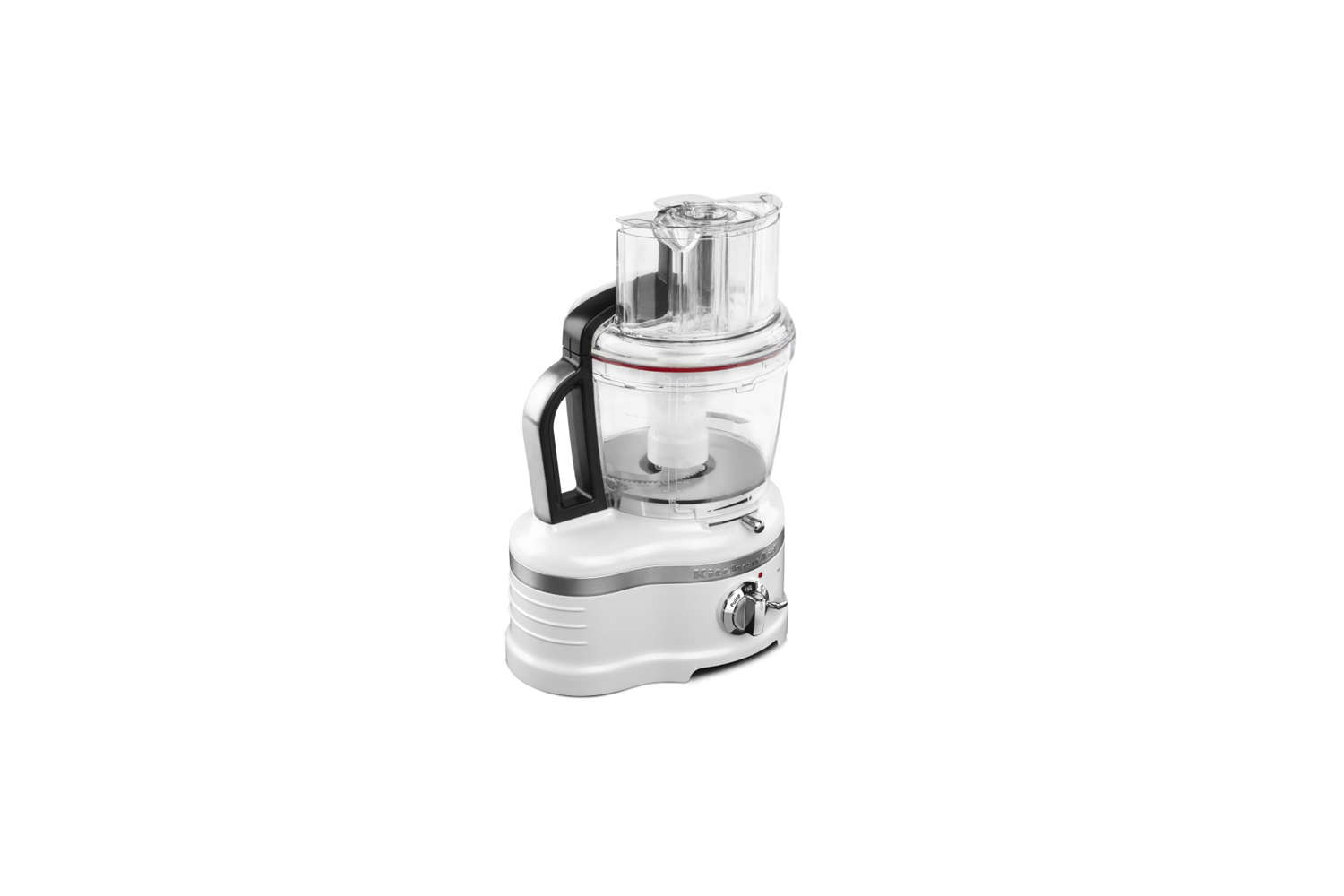
KitchenAid Pro Line Food Processor
Jun
The KitchenAid Pro Line Food Processor is the kind of kitchen appliance that makes you look at a pile of onions, carrots, cabbage, potatoes, herbs, and cheese and say, “Relax, I brought backup.” Big, bold, and built for serious prep work, this food processor was designed for cooks who want more than a small chopper for salsa night. It belongs in the conversation with high-capacity food processors made for meal prep, holiday cooking, batch recipes, and anyone who has ever regretted promising to “just make a quick coleslaw” for twenty people.
Known especially for its 16-cup capacity, heavy base, multiple bowls, ExactSlice-style slicing system, and commercial-style dicing kit, the KitchenAid Pro Line 16-Cup Food Processor has earned a loyal following among home cooks who like power and versatility. It can chop, slice, shred, puree, knead, dice, and generally behave like a very organized sous-chef who never complains about onions. However, it is not a perfect machine for every kitchen. It is large, comes with many accessories, needs storage space, and may be harder to find new than current KitchenAid food processor models.
This in-depth guide explains what makes the KitchenAid Pro Line Food Processor special, where it shines, where it can annoy you, and whether it still makes sense to buy one today.
What Is the KitchenAid Pro Line Food Processor?
The KitchenAid Pro Line Food Processor most commonly refers to the large 16-cup model from KitchenAid’s Pro Line family, including versions such as the KFP1642 series. It was positioned as a premium, high-capacity food processor for home kitchens that needed professional-style prep performance without converting the laundry room into a restaurant kitchen.
The standout idea behind this machine is simple: give home cooks a food processor that can handle small jobs, medium prep, and big-batch cooking in one appliance. Instead of forcing you to use a tiny bowl for garlic, a medium bowl for vegetables, and a separate gadget for dicing, the Pro Line design bundled multiple work bowls and attachments into one system.
In practical terms, that means you can use the mini bowl for herbs, dressings, nuts, or garlic; the medium prep bowl for everyday chopping and slicing; and the large 16-cup work bowl for cabbage, dough, potatoes, party dips, mirepoix, and meal-prep marathons. For cooks who regularly prepare food in volume, that flexibility is the whole point.
Key Features That Make It Stand Out
Large 16-Cup Capacity
The 16-cup work bowl is one of the biggest selling points. A smaller 7-cup or 9-cup processor is fine for pesto, hummus, or chopping a few vegetables. But when you are shredding cabbage, slicing potatoes for gratin, making dough, or prepping vegetables for a week of dinners, capacity matters.
A 16-cup food processor lets you work in fewer batches, which saves time and reduces the strange kitchen chaos that happens when bowls, cutting boards, and vegetable scraps multiply like rabbits. It is especially useful for families, entertainers, meal preppers, and people who cook from scratch often.
Commercial-Style Dicing Kit
The dicing kit is the feature that gave the KitchenAid Pro Line Food Processor its “wait, it does what?” reputation. Instead of manually cutting vegetables into cubes, the dicing system slices and pushes ingredients through a grid to create uniform pieces. This is especially helpful for potatoes, onions, peppers, zucchini, cucumbers, and other firm produce.
For soups, stews, hash, salsa, potato salad, and big trays of roasted vegetables, uniform dice is more than cosmetic. Evenly cut ingredients cook more evenly. Also, let’s be honest: food that is diced neatly looks like you have your life together, even if your junk drawer contains three mystery keys and a birthday candle shaped like a dinosaur.
ExactSlice-Style Adjustable Slicing
KitchenAid’s adjustable slicing system is another signature feature. Instead of swapping discs every time you want thicker or thinner slices, the external slicing lever lets you adjust the thickness more conveniently. This is a big deal if you slice a lot of cucumbers, potatoes, carrots, apples, zucchini, or onions.
Thin slices are great for pickling, salads, chips, and delicate gratins. Thicker slices work better for roasted vegetables, casseroles, and recipes where texture matters. The convenience of changing slice thickness without digging through a pile of sharp discs makes the machine feel more thoughtful and less like a kitchen puzzle designed by a villain.
Multiple Work Bowls
One of the best design choices is the nested bowl system. The large bowl handles big jobs, while smaller bowls make quick work of sauces, small chopped ingredients, and everyday prep. This matters because using a massive bowl to chop two cloves of garlic is like renting a moving truck to carry a sandwich.
With multiple bowls, the KitchenAid Pro Line Food Processor becomes more flexible. You are not locked into only large-batch cooking. You can make a quick vinaigrette, chop herbs, grind nuts, shred carrots, and then switch to a bigger batch of vegetables without pulling out another appliance.
Heavy Base and Premium Build
The Pro Line model is known for its substantial base. A heavier base helps stability, especially when kneading dough, chopping dense vegetables, or processing big batches. Lightweight machines can dance across the counter when they meet a serious dough ball. The KitchenAid Pro Line is more of a “plant my feet and get this done” kind of appliance.
That sturdy feel is part of the appeal. It gives the machine a premium personality and helps reduce wobbling during demanding jobs. The downside, of course, is that heavy appliances are less fun to move. If your food processor lives in a high cabinet, your arms may file a complaint.
Performance: What It Does Well
Chopping Vegetables
For basic chopping, the KitchenAid Pro Line Food Processor is fast and capable. Onions, carrots, celery, peppers, mushrooms, and herbs can be pulsed into recipe-ready pieces in seconds. The pulse function is important because continuous processing can quickly turn chopped vegetables into vegetable confetti or, worse, vegetable paste.
The best results come from cutting ingredients into similar-size chunks before adding them to the bowl. That simple step helps prevent some pieces from being overprocessed while others remain too large. In other words, the food processor is powerful, but it is not psychic.
Slicing and Shredding
Slicing is one of the strongest reasons to consider this machine. Potatoes, cucumbers, zucchini, onions, apples, and cabbage move quickly through the feed tube, creating consistent slices for salads, casseroles, slaws, and gratins. Shredding cheese and vegetables is also faster than doing it by hand.
That said, shredding performance can vary depending on the ingredient, pressure, disc condition, and technique. Hard cheese, chilled firm vegetables, and properly trimmed ingredients generally behave better than soft, warm, or awkwardly shaped foods. A food processor is a beast, but even beasts appreciate preparation.
Dicing for Big Recipes
The dicing kit is most valuable when you need volume. Dicing one potato by hand is not a tragedy. Dicing twelve potatoes, four onions, six peppers, and enough carrots to feed a scout troop is when the machine earns counter space.
The dicer can make meal prep more consistent and efficient, especially for soups, breakfast potatoes, chopped salads, vegetable medleys, and party recipes. Cleaning the dicing grid takes extra attention, but the time saved during prep can easily outweigh the cleanup when you are cooking in bulk.
Dough and Thick Mixtures
A large, powerful food processor can also handle certain doughs and thick mixtures. Pie dough, pizza dough, biscuit dough, and some bread-style doughs can come together quickly when the correct blade is used. The key is not to overprocess. Food processors generate speed and friction, and dough can go from “beautifully mixed” to “why is this angry?” faster than expected.
For thick dips, hummus, nut mixtures, and purees, the KitchenAid Pro Line performs like a serious prep machine. Scraping the sides of the bowl and adding liquid gradually will help produce smoother, more even results.
Where the KitchenAid Pro Line Food Processor Falls Short
It Needs Storage Space
This is not a tiny appliance. The large base, work bowls, discs, blades, dicing kit, adapters, and storage case take up real room. If your kitchen cabinets are already full of mugs you never use and plastic containers that have lost their lids, this machine may force an emotional confrontation.
Before buying one, measure your cabinet or counter space. Also consider whether you will keep it out. A food processor that lives on the counter gets used more often. A food processor stored behind a waffle maker, an ice cream machine, and your holiday punch bowl may become expensive kitchen archaeology.
Cleaning Takes Patience
Food processors are wonderful until it is time to wash the lid, bowl, feed tube, blade, disc, pusher, adapter, and whatever mysterious vegetable molecule lodged itself in the corner. The KitchenAid Pro Line has more parts than a basic processor, so cleanup is naturally more involved.
The dicing kit in particular needs careful cleaning because food can stick in the grid. A small cleaning tool or brush is helpful. The good news is that many removable parts on food processors are designed to be washable, but it is always smart to check the specific manual for your exact model and handle blades with caution.
Parts Availability Can Be a Concern
Because the Pro Line 16-cup model is not always as easy to find as newer KitchenAid food processors, replacement parts may be a key consideration. Bowls, lids, pushers, blades, and dicing components are not decorative extras; they are essential. A cracked lid or missing pusher can turn a powerful appliance into a very stylish countertop paperweight.
If you are buying a used or refurbished KitchenAid Pro Line Food Processor, confirm that all accessories are included and that replacement parts are available for the exact model number. This is especially important for the KFP1642 family. A bargain price is less exciting if you later discover the missing piece costs more than dinner for four.
It May Be More Machine Than Some Cooks Need
The KitchenAid Pro Line Food Processor makes the most sense for people who cook frequently and in quantity. If you mostly need to chop one onion, make a small dip, or blend a quick sauce, a 3.5-cup chopper or a 7-cup processor may be easier to store, clean, and use.
Large food processors are not automatically better for every kitchen. They are better for larger tasks. If your cooking style is simple, small-batch, or occasional, the Pro Line may feel like bringing a marching band to a coffee date.
KitchenAid Pro Line vs. Newer KitchenAid Food Processors
KitchenAid’s current food processor lineup includes more compact and storage-friendly models, such as 7-cup, 9-cup, and 13-cup options. Some newer designs emphasize easier assembly, in-bowl accessory storage, lighter weight, and dishwasher-safe convenience. The 13-cup models with dicing kits are especially relevant alternatives for shoppers who like KitchenAid but do not need the massive footprint of the Pro Line 16-cup machine.
The Pro Line still has advantages for high-volume cooking. Its large bowl, premium build, and broad accessory kit make it appealing for serious prep. But newer models may be better for everyday households that want a simpler, easier-to-store appliance. The best choice depends less on the logo and more on how you actually cook.
Best Uses for the KitchenAid Pro Line Food Processor
Meal Prep
This machine is excellent for weekly meal prep. You can slice cucumbers, shred carrots, dice onions, chop herbs, grate cheese, and prep vegetables for soups or stir-fries in one session. Instead of spending weeknights negotiating with a cutting board, you can open containers of ready-to-cook ingredients and feel briefly like a meal-planning genius.
Holiday Cooking
Thanksgiving, Christmas, potlucks, and family gatherings are where a large processor becomes a hero. It can shred cabbage for slaw, slice potatoes for gratin, chop vegetables for stuffing, make pie dough, prepare dips, and reduce the amount of knife work needed when the kitchen is already crowded.
Homemade Sauces and Dips
Hummus, pesto, salsa, aioli, tapenade, bean dips, and thick sauces are all natural food processor jobs. The wide bowl shape helps process thick mixtures better than a blender in many cases. Blenders are usually better for smooth liquids; food processors are better when texture, chopping, and thick mixtures are involved.
Vegetable-Heavy Cooking
If your recipes involve lots of fresh produce, the Pro Line can change your rhythm in the kitchen. Slaws, chopped salads, soups, sheet-pan vegetables, hash, veggie burgers, fritters, and casseroles all become easier when the machine handles the repetitive cutting.
Buying Advice: Who Should Consider It?
The KitchenAid Pro Line Food Processor is best for serious home cooks, large families, frequent entertainers, meal-prep fans, and anyone who regularly works with large amounts of vegetables, dough, cheese, or dips. It is also a strong fit for people who appreciate KitchenAid’s design language and want a countertop appliance with a sturdy, premium feel.
However, it is not the best choice for every buyer. If you have a tiny kitchen, cook for one, dislike washing accessories, or mainly need a machine for small jobs, a smaller KitchenAid food chopper or a modern 9-cup or 13-cup food processor may be more practical. If you are buying used, inspect the accessories carefully and verify the model number. Missing parts can turn a dream deal into a scavenger hunt.
Practical Tips for Better Results
Use the Pulse Button
Pulse gives you control. Continuous processing is useful for purees, but chopping vegetables usually works better with short bursts. This prevents overprocessing and helps you get more even pieces.
Chill Cheese Before Shredding
Cold cheese shreds more cleanly than warm cheese. If cheese is soft, it can smear or clump. A short stay in the refrigerator makes the shredding disc’s job easier.
Trim Ingredients for the Feed Tube
For even slicing, trim ingredients so they fit securely in the feed tube. The steadier the ingredient, the cleaner the slice. Oddly shaped vegetables may need a flat side cut first.
Do Not Overfill the Bowl
Even a 16-cup processor has limits. Overfilling can lead to uneven processing, leaks, or extra strain on the motor. Work in batches when needed, especially with liquids or sticky mixtures.
Clean Blades Immediately
Food dries quickly on blades, discs, and dicing grids. Rinsing parts soon after use makes cleanup easier. Also, handle blades carefully because sharp edges are not interested in your confidence.
Real-World Experience: Living With a KitchenAid Pro Line Food Processor
The first thing you notice about the KitchenAid Pro Line Food Processor is that it feels serious. This is not a “maybe I’ll chop a strawberry” gadget. It has presence. When you set it on the counter, it looks ready to prep vegetables for a wedding reception, a soup kitchen, or a family reunion where everyone claims they “only eat a little” and then returns for thirds.
In everyday use, the biggest benefit is momentum. Once the machine is assembled and the right attachment is installed, prep work moves quickly. A pile of onions becomes chopped aromatics. A cabbage becomes slaw. Potatoes become slices for gratin. Carrots become shreds for salad or muffins. The machine turns the repetitive part of cooking into a shorter, cleaner process, and that can make homemade meals feel more realistic on busy days.
The dicing kit is especially satisfying when used for the right job. If you are making potato soup, chili, salsa, or roasted vegetables, watching uniform cubes drop into the bowl feels almost magical. It is the kind of kitchen moment that makes you briefly believe you could host a cooking show. Then you remember you are wearing slippers and talking to a food processor. Still, progress is progress.
The multiple bowls also make the appliance more useful than its size suggests. A large machine can be annoying for small tasks, but the smaller bowl helps. You can chop garlic, herbs, nuts, or small amounts of sauce without dirtying the full-size bowl. That flexibility matters because the best appliance is not just powerful; it is convenient enough to use often.
There are trade-offs. The Pro Line takes up space, and the accessories need organization. If the discs and adapters are scattered across three drawers, using the machine becomes a treasure hunt with blades. Keeping the storage case intact and assigning a dedicated cabinet area makes a huge difference. This is one of those appliances that rewards neat owners and gently judges chaotic ones.
Cleaning is the other reality check. The bowl and lid are manageable, but the dicing kit and sharp discs require patience. A quick rinse immediately after use prevents dried-on food from becoming a tiny vegetable fossil. If you wait until after dinner, dessert, and two episodes of television, cleanup becomes less charming.
After using a large food processor regularly, the biggest lesson is that it changes what you are willing to cook. Recipes with lots of chopping feel less intimidating. Homemade slaw, shredded vegetables, pie dough, dips, and bulk prep become normal instead of special-occasion projects. The machine does not make you a better cook by itself, but it removes friction. And in a real kitchen, less friction often means more home-cooked meals.
The KitchenAid Pro Line Food Processor is best appreciated as a prep partner, not a miracle box. You still need to trim ingredients, choose the right blade, avoid overfilling, and clean everything safely. But when used well, it saves time, improves consistency, and makes ambitious cooking feel less like punishment. For the right household, that is exactly what a premium food processor should do.
Final Verdict
The KitchenAid Pro Line Food Processor remains an impressive high-capacity appliance for cooks who want serious prep power. Its 16-cup bowl, dicing kit, adjustable slicing, nested bowls, and sturdy build make it especially useful for meal prep, entertaining, holiday cooking, and vegetable-heavy recipes.
Its weaknesses are practical rather than mysterious. It is large. It has many parts. It requires cleaning time. Availability and replacement parts should be checked carefully, especially if buying used or refurbished. For some kitchens, a newer 13-cup KitchenAid food processor may be easier to live with. For serious cooks who need capacity and versatility, though, the Pro Line still has a strong case.
Note: This article is based on synthesized manufacturer information, product support details, retailer listings, and independent kitchen-appliance testing available at the time of writing. Always confirm current model availability, accessory condition, warranty coverage, and replacement-part support before purchasing.
Research basis: KitchenAid official product/support pages and food processor guidance, retailer product details, and independent food processor testing and review sources were synthesized for factual accuracy. Sources consulted include KitchenAid product/support and usage pages, Good Housekeeping food processor guides, Serious Eats testing guidance, Food & Wine food processor testing, Consumer Reports product listing details, TechGearLab review findings, Organic Authority user review experience, Walmart product listing details, Williams Sonoma KitchenAid listing information, The Spruce Eats food processor guidance, Allrecipes testing context, Bon Appetit appliance comparison guidance, and current KitchenAid replacement/support pages. Key web references:

