
Beauty Tools & Accessories
How to Warm Up Sauerkraut
Jun
Sauerkraut is one of those foods that looks humble in the jar but walks into a meal like it owns the place. It is tangy, salty, bright, a little crunchy, and absolutely determined to wake up anything sitting next to it. Put it on bratwurst, pork chops, hot dogs, Reuben sandwiches, roasted potatoes, or a plain weeknight sausage, and suddenly dinner has a personality.
But here is the question that quietly divides kitchens: how do you warm up sauerkraut without turning it into limp, sour cabbage confetti? The good news is that warming sauerkraut is easy. The better news is that you can make it taste richer, softer, sweeter, smokier, or more balanced depending on how you heat it. The tiny catch is that sauerkraut is fermented, and if you bought raw refrigerated sauerkraut for its live cultures, high heat can reduce those probiotic benefits. So the “best” method depends on what you want most: flavor, texture, speed, or gut-friendly freshness.
This guide covers the best ways to warm up sauerkraut on the stove, in the microwave, in the oven, and in a slow cooker. You will also learn when to drain it, when to rinse it, what seasonings work best, and how to avoid the dreaded sauerkraut crimes of dryness, bitterness, and “why does my kitchen smell like a deli exploded?”
Should Sauerkraut Be Served Hot or Cold?
Sauerkraut can be served hot, cold, or room temperature. Cold sauerkraut is crisp, sharp, and refreshing, which makes it excellent on sandwiches, salads, grain bowls, and tacos. Warm sauerkraut is softer, mellower, and more comforting, especially when paired with sausages, pork, potatoes, apples, onions, mustard, or rye bread.
Think of cold sauerkraut as the zippy friend who brings energy to the party. Warm sauerkraut is the cozy friend who brings a casserole and somehow fixes everyone’s mood. Neither is wrong. They simply do different jobs.
The Best Way to Warm Up Sauerkraut
The best all-purpose method is to warm sauerkraut gently on the stovetop in a small skillet or saucepan. This gives you control over moisture, flavor, and texture. It also lets you add extras like butter, onion, apple, caraway seed, beer, broth, or bacon drippings.
Simple Stovetop Method
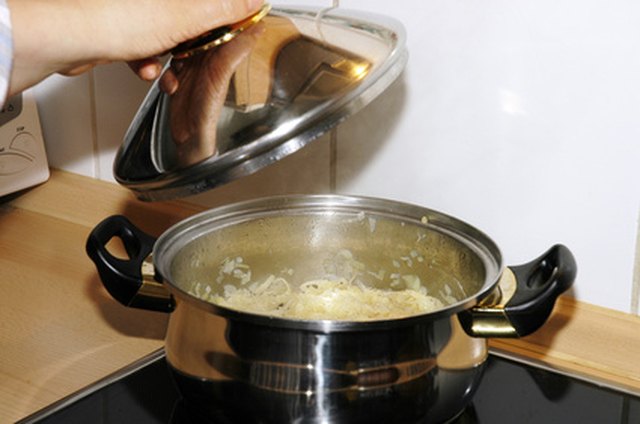
For a basic warm sauerkraut side dish, place sauerkraut in a saucepan with a few tablespoons of its brine, broth, water, apple juice, or beer. Warm it over medium-low heat for 8 to 12 minutes, stirring occasionally, until it is hot and tender. Keep the heat gentle. Sauerkraut does not need to be punished. It has already been through fermentation; let it enjoy retirement.
If the pan starts to dry out, add another splash of liquid. If the sauerkraut tastes too sharp, add a small amount of butter, brown sugar, grated apple, sautéed onion, or a spoonful of applesauce. If it tastes flat, add black pepper, caraway seed, mustard, or a little extra brine.
How to Warm Up Sauerkraut From a Jar
Jarred sauerkraut is usually packed in brine and may be either shelf-stable or refrigerated. Shelf-stable sauerkraut has typically been heat processed, so it is often softer and less “alive” than raw refrigerated kraut. Refrigerated sauerkraut tends to be crunchier, brighter, and more likely to contain live cultures if the label says raw, unpasteurized, or naturally fermented.
Step-by-Step Instructions
Open the jar and taste a small forkful first. If it is pleasantly tangy, use it as is. If it is aggressively sour, drain part of the brine. If it makes your eyebrows climb into your hairline, rinse it briefly under cool water, then drain well.
Add the sauerkraut to a saucepan. For every 2 cups of sauerkraut, add 2 to 4 tablespoons of liquid. Use sauerkraut brine for maximum tang, broth for savory depth, beer for bratwurst-night energy, or apple juice for a slightly sweet German-style flavor. Cover and warm over medium-low heat for about 10 minutes. Stir once or twice, then serve.
How to Warm Up Sauerkraut From a Bag
Bagged sauerkraut is often sold in the refrigerated section and may have a fresher crunch than canned kraut. To warm it, empty the bag into a skillet or saucepan, including some of the brine. Cook over medium-low heat for 10 to 15 minutes, stirring now and then.
If you want a simple dinner shortcut, add sliced cooked sausage or hot dogs during the last few minutes. The sauerkraut warms up, the sausage gets cozy, and you look like you planned a meal instead of negotiating with the refrigerator.
How to Warm Up Canned Sauerkraut
Canned sauerkraut is convenient, affordable, and already soft. It usually benefits from draining because canned brine can taste stronger or more metallic than fresh brine. Rinsing is optional, but it can help if the flavor is too salty or sour.
Quick Canned Sauerkraut Method
Drain the can, saving a spoonful or two of the liquid if you like a tangier finish. Add the sauerkraut to a small pot with 2 tablespoons of water, broth, or apple juice. Cover and warm over medium-low heat for 8 to 10 minutes. Finish with butter, pepper, caraway seed, or a little brown sugar if desired.
Because canned sauerkraut is already tender, avoid boiling it hard. High heat can make it mushy and one-dimensional. Gentle heat keeps the flavor cleaner and the texture more pleasant.
How to Warm Up Sauerkraut in the Microwave
The microwave is the fastest way to warm sauerkraut, and it works well when you need a quick topping for hot dogs, bratwurst, sandwiches, or leftover pork. The trick is to cover the dish so the kraut heats evenly and does not dry out.
Microwave Method
Place sauerkraut in a microwave-safe bowl. Add 1 to 2 tablespoons of liquid per cup of sauerkraut. Cover loosely with a microwave-safe lid or plate. Heat on high for 45 seconds, stir, then heat in 20- to 30-second bursts until hot. Let it stand for a minute before serving, because steam loves dramatic entrances.
If the sauerkraut is being reheated as part of leftovers with meat, follow safe reheating practices and make sure the whole dish is heated thoroughly. For plain sauerkraut served as a topping, you are mainly warming it for taste and texture.
How to Warm Up Sauerkraut in the Oven
The oven is perfect when sauerkraut is part of a larger dish, such as baked sausages and sauerkraut, pork chops, ribs, potatoes, or a casserole. Oven warming gives sauerkraut time to absorb flavor and soften without constant stirring.
Baked Sauerkraut Method
Preheat the oven to 325°F. Place drained sauerkraut in a baking dish. Add sliced onion, apple, cooked bacon, broth, beer, or a spoonful of mustard if you want more flavor. Cover the dish with foil and bake for 25 to 35 minutes, until hot. Remove the foil during the last 5 to 10 minutes if you want a little browning around the edges.
Do not bake sauerkraut uncovered for the entire time unless you have plenty of liquid in the dish. Otherwise, the top can dry out before the center is warm. Sauerkraut should be tender, not hay.
How to Warm Up Sauerkraut in a Slow Cooker
A slow cooker is great for parties, game day, potlucks, or any meal where sauerkraut needs to stay warm while people wander in and out asking, “Is there more mustard?”
Add sauerkraut to the slow cooker with a splash of liquid. For extra flavor, stir in sliced onions, apples, cooked sausage, caraway seeds, or a small amount of brown sugar. Cook on low for 1 to 2 hours, then switch to warm for serving. Stir occasionally and add liquid if it looks dry.
A slow cooker is especially useful for bratwurst and sauerkraut. The kraut becomes savory and mellow, while the sausages lend richness. It is the kind of food that makes people hover near the kitchen like very polite wolves.
Should You Drain or Rinse Sauerkraut Before Heating?
Drain sauerkraut if you want a milder, less watery dish. Rinse sauerkraut if it tastes too sour or salty for your preference. Do not rinse automatically, though. The brine contains much of the sauerkraut’s tangy flavor, and rinsing can make the final dish bland if you go overboard.
The best approach is simple: taste first. If the sauerkraut tastes balanced, keep the brine. If it is too intense, drain it. If it is still too strong, rinse lightly and squeeze out excess moisture. Then add flavor back with broth, butter, onion, apple, mustard, or spices.
Best Ingredients to Add When Warming Sauerkraut
Plain warm sauerkraut is good. Seasoned warm sauerkraut can be fantastic. Because sauerkraut is acidic, it loves ingredients that bring fat, sweetness, smoke, or earthiness.
Classic Add-Ins
Butter adds richness and softens sharp acidity. Bacon or bacon drippings bring smoky depth. Onion adds sweetness when sautéed first. Apple gives a gentle fruity note that works beautifully with pork and sausage. Caraway seed adds the classic old-world flavor many people associate with German-style sauerkraut. Beer or broth makes the kraut more savory and keeps it moist while heating.
Easy Flavor Formula
For every 2 cups of sauerkraut, try 1 tablespoon butter, 1/4 cup sliced onion, 1/4 cup diced apple, 1/4 teaspoon caraway seed, and 1/4 cup broth or beer. Simmer gently for 15 to 20 minutes. Taste, then adjust with pepper, mustard, or a pinch of sugar.
How to Make Sauerkraut Less Sour
If your sauerkraut is too sour, do not panic. Sauerkraut is supposed to be tangy, but it should not taste like it is yelling at you. Drain some brine, rinse briefly if needed, and warm it with balancing ingredients.
The easiest way to mellow sauerkraut is to add fat and sweetness. Butter, olive oil, bacon fat, apple, applesauce, brown sugar, caramelized onion, or even a splash of apple cider can soften the acidic edge. Start small. You can always add more sweetness, but you cannot easily remove it once your sauerkraut starts tasting like dessert cabbage.
How to Keep Warm Sauerkraut Crunchy
If you love crunch, use refrigerated raw sauerkraut and warm it gently for only a few minutes. Avoid long simmering. Add it at the end of cooking instead of letting it stew for half an hour. You can also warm half the sauerkraut and stir in the rest right before serving. That gives you the comfort of warmth with some fresh snap.
For maximum probiotic benefit from raw sauerkraut, do not heat it heavily. Instead, serve it cold alongside hot food, or stir it into a dish after the dish has cooled slightly. You still get the contrast of warm and tangy without cooking away the fresh character.
What to Serve With Warm Sauerkraut
Warm sauerkraut is a natural partner for bratwurst, kielbasa, hot dogs, pork chops, roasted pork loin, spare ribs, ham, and smoked sausage. It also pairs well with mashed potatoes, roasted potatoes, pierogies, rye bread, mustard, pickles, and Swiss cheese.
For a quick weeknight meal, serve warm sauerkraut over browned sausage with boiled potatoes and mustard. For a sandwich, pile it onto a grilled brat with spicy brown mustard. For a cozy dinner, bake sauerkraut with apples, onions, and pork chops until everything is tender and savory.
Common Mistakes When Warming Sauerkraut
The first mistake is using too much heat. Boiling sauerkraut aggressively can make it mushy and harsh. The second mistake is letting it dry out. Sauerkraut needs a little moisture while it warms. The third mistake is rinsing away all the flavor before tasting it. The fourth mistake is adding too much sugar. A little sweetness balances acidity; too much turns your side dish into cabbage candy, and nobody asked for that plot twist.
Another common mistake is treating every type of sauerkraut the same. Canned sauerkraut is softer and often benefits from draining. Raw refrigerated sauerkraut is brighter and should be heated gently if you want to preserve texture. Bagged kraut usually lands somewhere in the middle. Taste, adjust, and let the product guide you.
Food Safety Tips for Reheating Sauerkraut
Plain sauerkraut is acidic, but once it is mixed with meat, gravy, sausage, or leftovers, normal leftover safety rules matter. Refrigerate leftovers promptly, store them in clean covered containers, and reheat mixed dishes thoroughly. If sauerkraut is part of a leftover pork or sausage dish, heat the entire dish until steaming hot throughout.
Use clean utensils when removing sauerkraut from a jar, especially refrigerated raw sauerkraut. Keep the jar sealed and cold after opening. If sauerkraut develops mold, a strange odor, unusual sliminess, or a flavor that seems spoiled rather than pleasantly sour, discard it. Sauerkraut should smell tangy and fermented, not suspicious enough to deserve its own investigation.
Personal Kitchen Experience: What Actually Works Best
After warming sauerkraut in more ways than any reasonable person needs to admit, the stovetop remains the most dependable method. It is fast, flexible, and forgiving. The biggest lesson is that sauerkraut improves when you stop treating it like a garnish and start treating it like an ingredient. A cold forkful from the jar is sharp and crunchy, but a warm pan of kraut with onions, butter, and a splash of broth becomes something deeper and rounder.
One of the best simple combinations is sauerkraut, onion, apple, and caraway. Start by sautéing thinly sliced onion in butter until soft. Add diced apple and cook for another minute or two. Then add drained sauerkraut, a splash of broth, and a pinch of caraway seed. Let it simmer gently for 15 minutes. The apple does not make it sugary; it just takes the sharp corners off the acidity. The onion adds a savory sweetness, and the caraway gives it that classic deli-and-supper-club aroma.
For bratwurst, beer is useful but should not take over. A small splash of beer in the sauerkraut adds depth, especially with mustard and onions. Too much beer can make the kraut bitter, particularly if the beer is very hoppy. A mild lager, amber beer, or even low-sodium chicken broth is safer than an aggressively bitter IPA. Sauerkraut is bold already. It does not need to arm-wrestle your beverage.
The microwave is the method I use when the sauerkraut is just a topping. If the hot dogs are ready, the buns are toasted, and everyone is staring at me like dinner is a federal emergency, I put sauerkraut in a bowl with a spoonful of brine, cover it, and microwave it in short bursts. It is not fancy, but it works. The key is stirring halfway through. Otherwise, one side gets hot while the other side remains cold and judgmental.
The oven is better for comfort food. Sauerkraut baked under pork chops or sausage becomes mellow and rich because it absorbs drippings. It is also a great place to add sliced apples, onions, and potatoes. The dish comes out hearty, tangy, and filling without needing much fuss. Covering the pan for most of the baking time matters. Without foil or a lid, the kraut can dry out on top before the rest of the meal is done.
The slow cooker is my favorite for gatherings. Sauerkraut, sliced onions, a little broth, and cooked sausage can sit on low until everything is hot and relaxed. Then the cooker can switch to warm. This is ideal for game day or casual family meals because people can serve themselves. It also keeps the sauerkraut moist, which is important because dry sauerkraut has the charm of shredded paperwork.
The most useful habit is tasting at every stage. Taste before draining. Taste after warming. Taste before adding sugar. Sauerkraut brands vary widely. Some are mild and cabbage-forward; others are salty, sour, and ready to kick down the door. A recipe can guide you, but your tongue gets the final vote.
My final experience-based rule is this: warm sauerkraut gently, keep it moist, and balance it instead of burying it. You do not need ten ingredients. You need the right three or four. Butter, onion, apple, broth, mustard, caraway, bacon, or sausage can all help, but they should support the sauerkraut rather than disguise it. When warmed properly, sauerkraut becomes bright, savory, and comfortingthe kind of side dish that makes a simple dinner taste like somebody’s grandmother was involved.
Conclusion
Learning how to warm up sauerkraut is less about following one strict rule and more about choosing the right method for your meal. Use the stovetop for everyday control, the microwave for quick toppings, the oven for baked dinners, and the slow cooker for parties or sausage-heavy comfort food. Keep the heat gentle, add a little moisture, taste before rinsing, and balance sourness with fat, sweetness, or savory ingredients.
Whether you are serving bratwurst, hot dogs, pork chops, pierogies, or a Reuben-inspired dinner, warm sauerkraut can bring the perfect tangy bite. Treat it kindly, and it will reward you with flavor. Treat it badly, and it may still be ediblebut it will definitely complain in cabbage.

