
Beauty Unlocked
How to Use Acrylic Paint on Wood
Jun
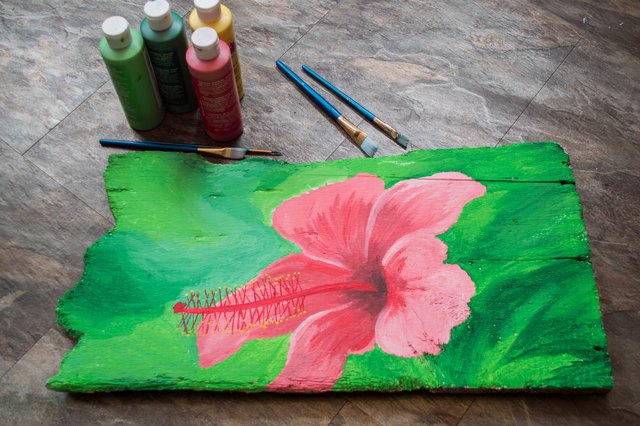
Acrylic paint and wood are a surprisingly happy couple. Wood brings warmth, texture, and character; acrylic paint brings color, quick drying time, and enough personality to make a plain board look like it has a Pinterest account. Whether you are painting a wooden sign, a thrift-store tray, a birdhouse, a small table, or a set of handmade ornaments, acrylic paint can give wood a bright, durable, and beautifully customized finish.
The trick is not simply opening a tube of paint and hoping for the best. Wood is porous, sometimes dusty, sometimes oily, and occasionally dramatic. It can absorb paint unevenly, raise its grain, or let tannins bleed through your perfect white background like a tiny craft-room betrayal. The good news is that learning how to use acrylic paint on wood is easy once you understand the process: clean, sand, prime, paint, dry, seal, and admire your work like a responsible creative genius.
This guide walks you through everything from choosing the right wood surface to sealing your final design. You will also find practical examples, troubleshooting tips, and real-world experience from common DIY projects so your painted wood looks polished instead of “I finished this at midnight with a questionable brush.”
Can You Use Acrylic Paint on Wood?
Yes, acrylic paint works very well on wood. It is water-based, easy to clean up, widely available, and suitable for many indoor craft and home décor projects. Acrylic paint bonds best when the wood surface is clean, lightly sanded, and properly primed or sealed. On small craft pieces, acrylic craft paint is often enough. On furniture, shelves, trays, or outdoor pieces, you will get better durability by using a suitable primer and a protective topcoat.
Acrylic paint dries quickly, which is both a blessing and a small test of patience. You can usually build color in thin layers without waiting all day, but you should still allow each coat to dry before adding the next one. A rushed coat can lead to tackiness, streaks, or peeling. Paint may feel dry to the touch before it has fully cured, so treat finished wood gently for several days, especially if it will be handled often.
Best Wood Surfaces for Acrylic Paint
Unfinished Wood
Unfinished wood is one of the easiest surfaces for acrylic paint because it has natural grip. Basswood, pine, birch plywood, MDF craft blanks, and unfinished wooden signs are popular choices. However, unfinished wood is also absorbent, so primer or gesso helps prevent blotchy color and excessive paint soaking.
Painted or Stained Wood
You can paint over previously painted or stained wood, but preparation matters. Remove loose paint, clean away grease, and sand glossy finishes so the new acrylic paint has something to hold onto. If the old finish is oil-based, very shiny, or unknown, use a bonding primer before applying acrylic paint.
Furniture and High-Touch Items
For chairs, cabinets, trays, stools, and tabletops, acrylic craft paint alone may not be tough enough. Use a good primer, apply thin coats, and seal the surface with a durable water-based polyurethane, polycrylic, or acrylic varnish. High-touch wood needs more protection than a decorative wall sign that will live a peaceful life above the coffee maker.
Supplies You Will Need
- Acrylic paint or acrylic craft paint
- Wood surface or project piece
- Fine-grit sandpaper, usually 120 to 220 grit
- Tack cloth, lint-free cloth, or microfiber cloth
- Wood filler for holes or dents
- Primer, acrylic gesso, or acrylic medium
- Paintbrushes, foam brushes, sponge, roller, or stencil brush
- Painter’s tape for clean lines
- Palette, paper plate, or mixing tray
- Water cup and paper towels
- Clear sealer, acrylic varnish, or water-based polyurethane
Step-by-Step Guide: How to Use Acrylic Paint on Wood
Step 1: Choose the Right Wood
Start with wood that is dry, stable, and clean. Avoid damp wood because trapped moisture can interfere with adhesion and cause the finish to fail. If you are using pressure-treated lumber, let it dry thoroughly before painting. For craft projects, smooth unfinished wood blanks are ideal. For furniture, check for loose veneer, peeling finish, sticky residue, or waxy buildup before you begin.
Step 2: Clean the Surface
Dust, oils, fingerprints, and mystery garage grime can all keep acrylic paint from bonding properly. Wipe the wood with a damp cloth and mild soap if needed, then let it dry completely. For old furniture, use a degreasing cleaner if the surface feels oily. Do not paint over dust unless your design concept is “haunted attic chic.”
Step 3: Sand the Wood
Sanding smooths rough areas, opens the surface slightly, and helps primer or paint grip better. For unfinished wood, use 180- to 220-grit sandpaper. For previously finished wood, start with 120- to 150-grit sandpaper to scuff the surface, then finish with 220 grit for smoothness. Always sand with the grain when possible. After sanding, remove dust with a tack cloth or slightly damp lint-free cloth.
Step 4: Fill Cracks, Holes, and Dents
If your wood has nail holes, chips, cracks, or dents, fill them with wood filler before priming. Let the filler dry according to the product instructions, then sand it smooth. This step is especially important for signs, trays, and furniture surfaces where flaws become more noticeable after paint goes on.
Step 5: Prime or Seal the Wood
Primer is the secret handshake between wood and paint. It seals the porous surface, improves adhesion, helps colors look more even, and can reduce bleed-through from tannins or old stains. For art panels and craft pieces, acrylic gesso works beautifully. For furniture or functional wood, use a water-based bonding primer or wood primer.
Apply one thin, even coat of primer or gesso. Let it dry completely, then lightly sand with 220-grit sandpaper to remove brush marks or raised grain. Wipe away dust before painting. If the wood is very porous, dark, stained, or knotty, apply a second coat of primer. Think of primer as the polite bouncer keeping chaos out of your paint party.
Step 6: Apply the First Coat of Acrylic Paint
Stir the acrylic paint gently before using it. Apply a thin coat with a soft brush, foam brush, sponge, or small roller. For flat surfaces, paint in the direction of the wood grain. For decorative designs, use light pressure and build the color gradually. Thin coats dry more evenly and are less likely to show ridges, bubbles, or sticky patches.
Do not overload the brush. Too much paint can leave heavy streaks and make drying uneven. If your first coat looks a little transparent, do not panic. Acrylic paint often looks better after two or three thin coats than after one thick coat trying to do the job of a superhero.
Step 7: Let Each Coat Dry
Drying time depends on paint thickness, humidity, temperature, and the wood surface. Most acrylic craft paints dry to the touch fairly quickly, but it is smart to wait at least 30 minutes to an hour between thin coats. For furniture paint or heavier acrylic layers, follow the manufacturer’s recommended recoat time. Cooler rooms and humid weather slow everything down.
Step 8: Add More Coats
Apply a second coat once the first coat is dry. Most projects need two coats for good coverage. Light colors over dark wood may need three. Sanding lightly between coats is optional for small crafts but helpful for furniture or super-smooth finishes. Use very fine sandpaper and a gentle hand. You are polishing, not excavating.
Step 9: Add Details, Stencils, or Effects
Once your base coat is dry, add lettering, stencils, patterns, dry-brushed edges, dots, flowers, stripes, or any design that makes your project feel personal. For stencils, use very little paint on the brush or sponge to prevent bleeding under the edges. For crisp lines, press painter’s tape firmly and remove it while the paint is still slightly soft.
Step 10: Seal the Painted Wood
Sealing is optional for purely decorative indoor pieces that will not be touched much, but it is strongly recommended for wood that will be handled, cleaned, displayed outdoors, or exposed to moisture. Use acrylic varnish, clear acrylic spray, water-based polyurethane, or polycrylic. Choose matte, satin, semi-gloss, or gloss depending on the look you want.
Let the acrylic paint dry completely before sealing. Apply thin coats of sealer rather than one heavy coat. Heavy sealer can cloud, drip, or stay tacky. Allow each coat to dry before applying the next. For high-use items such as trays and tabletops, two to three protective coats are usually better than one.
Best Sealers for Acrylic Paint on Wood
Acrylic Varnish
Acrylic varnish is a great choice for art panels, signs, ornaments, and decorative wood. It is available in different sheens and usually works well over acrylic paint. Use a soft brush and apply thin, even layers.
Clear Acrylic Spray
Clear acrylic spray is convenient for textured pieces, stenciled signs, and small crafts. Spray outdoors or in a well-ventilated area, follow the label instructions, and use several light coats. Spraying too close can create drips, so keep the can moving like you are gently misting a very fancy salad.
Water-Based Polyurethane or Polycrylic
For furniture, trays, shelves, and high-touch surfaces, water-based polyurethane or polycrylic adds stronger protection. It dries clear, cleans up with water, and is less likely to yellow than many oil-based finishes. Always test first, especially over white or pale paint.
Indoor vs. Outdoor Acrylic Paint on Wood
Indoor wood projects are more forgiving. A decorative sign, wall art, or ornament may only need primer, acrylic paint, and a light clear coat. Outdoor projects need tougher planning. Use exterior-rated paint or outdoor acrylic paint, prime properly, seal exposed edges, and choose a finish made for weather exposure. Outdoor wood expands and contracts with temperature and humidity, so even the best paint job benefits from occasional inspection and touch-ups.
If you are painting birdhouses, garden signs, porch décor, or outdoor planters, remember that sunlight, rain, and temperature changes are not gentle critics. Use products designed for exterior use, keep painted wood off constantly wet ground, and reseal when the finish starts looking dull or worn.
Common Mistakes to Avoid
Skipping Sanding
Sanding may not be glamorous, but it is the difference between paint that grips and paint that peels off like a bad sunburn. Even a quick scuff-sand helps acrylic paint adhere better.
Painting Over Dust
Sanding dust can create a gritty finish and weaken adhesion. Always wipe the surface clean before priming or painting.
Using One Thick Coat
Thick acrylic paint can dry unevenly and show brush marks. Thin coats give smoother, stronger results.
Sealing Too Soon
If you seal acrylic paint before it has dried properly, moisture can get trapped under the clear coat. This may cause cloudiness, tackiness, or a soft finish. Patience is not exciting, but neither is redoing a sticky tabletop.
Choosing the Wrong Sealer
Not every clear coat is right for every project. Use a craft varnish for decorative pieces, water-based polyurethane for functional furniture, and exterior-rated products for outdoor wood.
Troubleshooting Acrylic Paint on Wood
Why Is My Paint Peeling?
Peeling usually means the surface was dirty, glossy, oily, or not properly primed. Sand the area, remove loose paint, clean thoroughly, prime, and repaint with thin coats.
Why Does the Paint Look Streaky?
Streaks can happen when the paint is too thin, the brush is too stiff, or the surface is absorbing paint unevenly. Use primer, switch to a softer brush, and apply additional thin coats.
Why Is the Finish Sticky?
Stickiness can come from thick paint, high humidity, incompatible sealer, or not enough curing time. Move the piece to a dry, ventilated area and give it more time. If it stays sticky, you may need to sand lightly and reseal with a compatible water-based finish.
Why Are Brown or Yellow Stains Coming Through?
Wood tannins, knots, or old stains can bleed through paint. Use a stain-blocking primer before repainting. This is especially important when painting light colors over pine, cedar, redwood, or previously stained wood.
Project Examples
Wooden Sign
Sand the board, apply gesso or primer, paint the background, then add lettering with a stencil or paint pen. Seal with matte or satin acrylic varnish. This is one of the easiest beginner projects because the surface is flat and forgiving.
Painted Wooden Tray
Because trays are handled often, use primer and at least two coats of acrylic paint. Seal with water-based polyurethane or polycrylic. Let the tray cure fully before placing mugs, plates, or snacks on it. Cookies are wonderful; cookie-shaped dents in soft finish are less wonderful.
Small Furniture
For stools, side tables, and shelves, clean thoroughly, sand well, prime, paint in thin coats, and seal with a durable topcoat. Let the piece cure before heavy use. Furniture needs more patience than a decorative craft because it has to survive real life.
Conclusion
Learning how to use acrylic paint on wood is mostly about respecting the surface before the fun begins. Clean the wood, sand it smooth, prime when needed, apply thin coats, let everything dry, and seal the finished piece based on how it will be used. Once you understand those steps, acrylic paint becomes one of the most flexible and beginner-friendly ways to transform wood.
From rustic signs to modern trays, handmade ornaments to colorful furniture, acrylic paint gives you room to experiment without requiring a professional studio or a terrifying tool collection. Start small, test your materials, and remember: most painting mistakes can be sanded, covered, or creatively renamed as “texture.”
Hands-On Experience: What Actually Happens When You Paint Wood with Acrylics
The first thing you notice when using acrylic paint on wood is that the wood has opinions. Smooth craft-store blanks usually behave beautifully. They take primer evenly, hold color well, and make you feel like you have unlocked a secret artistic level. Rough pine boards, on the other hand, may raise their grain after the first damp coat and suddenly feel fuzzy. That is normal. A quick sanding after primer usually fixes it and gives the next coat a much cleaner finish.
On small signs, the best results often come from doing less at once. A thin coat of white gesso, a light sanding, and two thin coats of acrylic paint usually look better than one heavy coat. When lettering with stencils, the biggest lesson is to keep the brush almost dry. Beginners often load the sponge with too much paint, press hard, and then wonder why the letters look like they tried to escape under the stencil. Dab off extra paint first, pounce lightly, and build the color slowly.
Furniture teaches different lessons. A little side table may look simple, but every old finish, wax residue, and glossy patch can cause trouble. Cleaning and sanding feel boring until you skip them once and watch paint scratch off with a fingernail. For furniture, primer is not optional unless the product specifically says it can bond to the existing surface. Even then, a test patch is smart. Paint a hidden area, let it dry, scratch it gently, and see whether it holds.
Another real-world lesson is that drying and curing are not the same thing. Acrylic paint can feel dry quickly, but a sealed tray or tabletop may still be vulnerable for days. If you place a warm mug on a freshly sealed surface too soon, you may get a ring that looks like modern art but feels like regret. Let high-use items cure longer before putting them into service. The more layers of paint and sealer you add, the more patience the project deserves.
Brush choice also matters more than many beginners expect. Cheap, stiff brushes can leave grooves that look charming on rustic décor but messy on sleek modern pieces. Foam brushes are useful for smooth base coats, but they can create bubbles if pushed too hard. Soft synthetic brushes are usually the most reliable for acrylic paint on wood. For large flat surfaces, a small foam roller can create a cleaner finish than a brush.
Finally, sealing changes the personality of the project. Matte sealer gives painted wood a soft, handmade look. Satin adds a subtle glow and is often the safest choice for home décor. Gloss makes colors pop but also highlights bumps, dust, and brush marks. Testing sealer on a scrap piece is a small step that can prevent big disappointment. In practice, the best painted wood projects are not the ones done fastest; they are the ones given enough prep, thin layers, and drying time to look intentional. Acrylic paint is forgiving, but it rewards patience like a golden retriever with a craft apron.

