
Hair Care
How to Remove Sticker Residue From Any Surface
Jun
Note: Always test any sticker residue remover in a hidden spot first. Adhesive is annoying, but a cloudy plastic lid, stripped wood finish, or faded fabric is a much bigger plot twist.
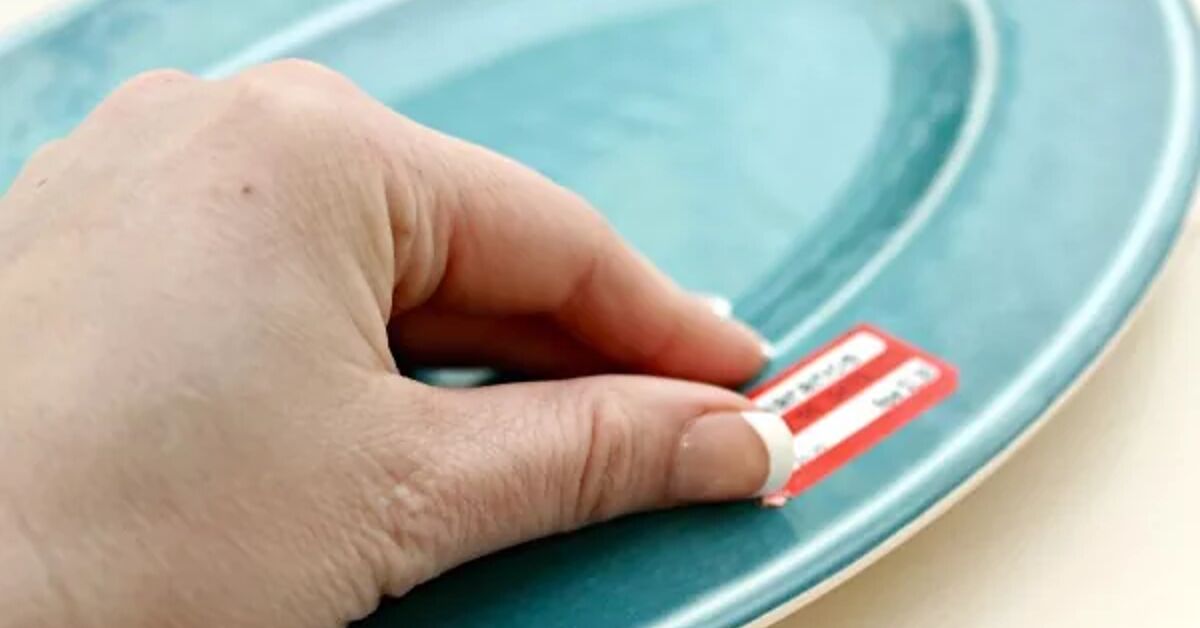
Sticker residue has a special talent for turning a perfectly nice purchase into a tiny household battle. You peel off a price tag, expecting a clean surface, and instead you get a gray, gummy ghost of the sticker that refuses to leave. It clings to glass jars, metal appliances, plastic containers, painted walls, wood furniture, laptops, clothing, and even car windows like it pays rent.
The good news: you do not need a toolbox full of harsh chemicals to remove sticker residue from most surfaces. In many cases, warm soapy water, heat, cooking oil, rubbing alcohol, white vinegar, or a commercial adhesive remover will do the job. The trick is matching the method to the surface. Glass can handle more moisture and scraping than unfinished wood. Metal is usually forgiving, but coated or painted metal needs care. Plastic can warp, cloud, or soften if you attack it with the wrong solvent. Fabric needs patience, not panic.
This guide explains how to remove sticker residue from any surface safely, with practical examples, surface-by-surface instructions, and a few lessons learned from real-life sticky disasters. Let’s rescue your jars, furniture, appliances, and dignity.
Why Sticker Residue Is So Stubborn
Sticker adhesive is designed to stay put. Labels, price tags, shipping tape, bumper stickers, and product decals often use pressure-sensitive adhesive, which bonds more tightly when pressed against a surface. Heat, time, sunlight, dust, and moisture can make the glue even more stubborn. That is why a fresh sticker may peel off cleanly, while an old sticker on a water bottle behaves like it has signed a long-term lease.
Residue also attracts dirt. The sticky layer grabs lint, dust, pet hair, and kitchen grease, creating that dark, tacky patch that looks worse the more you rub it. Scrubbing harder is not always the answer. The best way to remove sticky residue is to soften, dissolve, or loosen the adhesive first, then lift it gently.
The Golden Rules Before You Start
1. Start Gentle
Begin with the mildest method: your fingers, a plastic scraper, warm water, and dish soap. Do not jump straight to acetone, metal blades, or aggressive solvents unless the surface can handle them. The goal is to remove the glue, not create a dramatic before-and-after photo for all the wrong reasons.
2. Use Plastic, Not Metal
A plastic scraper, old gift card, credit card edge, or plastic putty knife is safer than a razor for most surfaces. Razor blades can work on plain glass, but they can scratch mirrors, coated glass, paint, plastic, stainless finishes, and cooktops if used carelessly.
3. Spot-Test Everything
Test oils, alcohol, vinegar, adhesive removers, and heat in an inconspicuous area first. Wait a few minutes and check for discoloration, dullness, softening, or finish damage. This is especially important for painted surfaces, wood, leather, rubber, acrylic plastic, stone, and electronics.
4. Do Not Mix Cleaning Chemicals
Use one method at a time and rinse or wipe the area before switching products. Never mix bleach with vinegar, ammonia, rubbing alcohol, or other cleaning agents. Sticker residue is irritating, but toxic fumes are not the upgrade anyone ordered.
Best Household Items for Removing Sticker Residue
Most homes already have several effective sticker residue removers hiding in plain sight. Here are the most useful options and when to use them.
Warm Water and Dish Soap
This is the safest first step for glass, ceramic, metal, many plastics, and washable items. Fill a bowl or sink with warm water and a few drops of dish soap. Soak the object for 10 to 20 minutes, then rub the residue with a cloth or sponge. Dish soap helps loosen oils and grime while warm water softens the adhesive.
Heat From a Hair Dryer
Heat softens sticker glue and makes it easier to peel. Aim a hair dryer at the sticker or residue for 20 to 30 seconds, keeping it moving so you do not overheat one spot. Then lift the edge with a plastic scraper and peel slowly. This method works well on glass, metal, some plastics, painted surfaces, and car decals, but avoid using high heat on delicate finishes, lacquered wood, thin plastic, and electronics.
Cooking Oil or Olive Oil
Oil can break down sticky adhesive without much scrubbing. Apply a small amount of olive oil, canola oil, vegetable oil, or coconut oil to the residue. Let it sit for 10 to 15 minutes, then wipe and wash with dish soap. Oil is excellent on glass, metal, ceramic, and many plastics. Avoid it on unfinished wood, porous stone, unsealed surfaces, and fabrics unless you are prepared to treat an oil stain afterward.
White Vinegar
White vinegar can help soften sticker residue on glass, metal, and some plastic surfaces. Soak a paper towel in vinegar, place it over the sticky patch for several minutes, then wipe away the softened adhesive. Vinegar is not ideal for natural stone, waxed wood, some electronics, or delicate finishes.
Rubbing Alcohol
Rubbing alcohol is useful for dissolving adhesive on glass, metal, and some hard plastics. Apply it to a cloth or cotton pad, press it against the residue for a minute, then rub gently. Avoid rubbing alcohol on leather, certain painted surfaces, finished wood, acrylic plastic, rubber, and delicate fabrics unless the care instructions allow it.
Baking Soda Paste
Mix baking soda with a little cooking oil or water to make a gentle abrasive paste. Rub it over the residue with your fingers or a soft cloth, then wash clean. This is helpful for glass jars, ceramic dishes, metal lids, and sturdy plastic containers. Do not use gritty pastes on glossy paint, polished metal, acrylic, or surfaces that scratch easily.
Commercial Adhesive Remover
Products made for adhesive removal can be very effective on stubborn glue, labels, tar, gum, and tape residue. Follow the product label, ventilate the area, and wash the surface afterward, especially on items that touch food. Avoid using commercial removers on surfaces the label warns against, such as silk, leather, rubber, unfinished wood, or certain plastics.
How to Remove Sticker Residue From Glass
Glass is one of the easiest surfaces to clean because it is nonporous and usually tolerates moisture well. This includes jars, windows, mirrors, candle holders, drinking glasses, and picture frames.
Best Method for Glass
- Soak the glass item in warm, soapy water for 10 to 20 minutes.
- Peel away any paper label with your fingers.
- Rub the residue with a sponge or microfiber cloth.
- If glue remains, apply rubbing alcohol, vinegar, or cooking oil.
- Scrape gently with a plastic card or, only on plain glass, a clean razor blade held at a low angle.
- Wash with dish soap and dry with a lint-free cloth.
For glass jars, oil and baking soda are a wonderful team. Rub the paste over the sticky label area, rinse, and the jar is ready for pantry storage, flower arranging, or pretending you are the kind of person who makes overnight oats every Sunday.
How to Remove Sticker Residue From Plastic
Plastic is tricky because not all plastic behaves the same way. A sturdy storage bin may tolerate oil and soap beautifully, while a clear acrylic organizer can turn cloudy from alcohol or harsh solvents.
Best Method for Plastic
- Rub off as much residue as possible with your thumb or a plastic scraper.
- Wash with warm water and dish soap.
- Apply a small amount of cooking oil and let it sit for 10 minutes.
- Wipe gently with a soft cloth.
- Wash again with dish soap to remove oily film.
Avoid acetone or nail polish remover on most plastics because it can melt, dull, or permanently damage the surface. Use rubbing alcohol only after a spot test. For electronics, remote controls, laptop lids, and plastic screens, use minimal liquid and never let moisture seep into openings.
How to Remove Sticker Residue From Metal
Metal surfaces include stainless steel appliances, aluminum bottles, painted metal furniture, tools, filing cabinets, and cookware. Plain metal is usually durable, but brushed stainless steel and painted finishes can scratch.
Best Method for Metal
- Warm the residue with a hair dryer for 20 to 30 seconds.
- Lift softened glue with a plastic scraper.
- Apply dish soap, rubbing alcohol, vinegar, or a small amount of oil.
- Wipe with the grain if the metal is brushed stainless steel.
- Rinse or wipe clean, then dry thoroughly to prevent water marks.
For stainless steel appliances, avoid abrasive pads and circular scrubbing. Always wipe with the grain. If the residue came from shipping tape on a new refrigerator, dish soap and warm water are often enough. Drying is not optional unless you enjoy streaks that look like modern art.
How to Remove Sticker Residue From Wood
Wood requires more caution than glass or metal. Finished wood, painted wood, varnished wood, lacquered wood, and unfinished wood all react differently to moisture, heat, and solvents.
Best Method for Finished Wood
- Try rubbing the residue with a clean pencil eraser or your finger.
- Use a hair dryer on low heat for a short burst, keeping it moving.
- Lift the adhesive with a plastic scraper.
- Apply a tiny amount of cooking oil to a cloth, not directly to the wood.
- Wipe gently, then clean with a barely damp cloth and dry immediately.
Do not soak wood. Avoid vinegar on waxed finishes and avoid alcohol on delicate finishes unless you are absolutely sure it is safe. If the wood is antique, lacquered, or valuable, proceed slowly. A sticker should not be the villain that ruins grandma’s side table.
Best Method for Unfinished Wood
For unfinished wood, skip wet methods when possible. Use a rubber eraser, plastic scraper, or very light sanding with fine-grit sandpaper. Oils can darken raw wood, and water can raise the grain. If residue remains, consider whether the surface will be painted, stained, or sealed later.
How to Remove Sticker Residue From Painted Walls
Sticker residue on walls often comes from decals, tape, posters, hooks, and children with bold decorating visions. Painted drywall can peel if you pull too quickly or use harsh solvents.
Best Method for Painted Walls
- Warm the adhesive gently with a hair dryer on low.
- Peel slowly from one corner.
- Roll remaining residue with your fingers.
- Wipe with a barely damp cloth and a drop of dish soap.
- Dry the area immediately.
Avoid soaking the wall. Avoid magic erasers on flat or dark paint unless tested first, because they can dull the finish. If paint lifts, stop. Touch-up paint may be needed, and yes, that tiny patch will somehow remind you of every home project you have postponed.
How to Remove Sticker Residue From Fabric and Clothing
Sticker residue on fabric usually happens when a name tag goes through the wash or a child decorates a shirt with reward stickers. The dryer can set adhesive, making removal harder.
Best Method for Washable Fabric
- Do not put the item in the dryer again until the residue is gone.
- Scrape off excess adhesive with a spoon edge or dull knife.
- Apply a small amount of rubbing alcohol to a cotton swab and test an inside seam.
- If safe, dab the residue from the outside inward.
- Apply liquid laundry detergent and let it sit for 15 to 20 minutes.
- Wash according to the care label and air-dry.
For delicate fabrics, dry-clean-only clothing, silk, wool, leather, or embellished garments, skip the home chemistry experiment and consult a professional cleaner. Your favorite blouse deserves better than becoming a science fair project.
How to Remove Sticker Residue From Cars
Car windows, bumpers, dashboards, and painted panels need gentle handling. Heat helps, but too much heat can damage paint, trim, or tint.
Best Method for Car Glass and Paint
- Park in the shade so the surface is warm but not hot.
- Use a hair dryer to soften the sticker or residue.
- Peel slowly with your fingers or a plastic scraper.
- Use an automotive-safe adhesive remover if residue remains.
- Wash the area with car soap and water.
- For painted areas, apply wax afterward if needed.
Do not use a razor blade on painted car surfaces. For tinted windows, avoid scraping the inside of the glass, where tint film is often applied. When in doubt, treat the car like it is wearing a very expensive manicure.
How to Remove Sticker Residue From Electronics
Laptops, tablets, phones, game consoles, and monitors are among the riskiest surfaces because liquids and screens do not enjoy each other’s company.
Best Method for Electronics
- Turn the device off and unplug it.
- Use a dry microfiber cloth to rub away loose adhesive.
- Try gentle heat from a hair dryer held far away and used briefly.
- Use a barely damp cloth with a tiny amount of dish soap on exterior casing only.
- Dry immediately with microfiber.
Never spray liquid directly onto electronics. Do not use oil near ports, speakers, keyboards, or seams. Avoid alcohol on screens unless the manufacturer specifically allows it. A clean laptop is nice; a short-circuited laptop is a very expensive coaster.
Surface-by-Surface Quick Guide
| Surface | Best First Method | Use With Caution | Avoid |
|---|---|---|---|
| Glass | Warm soapy water | Razor blade on plain glass only | Metal scraping on mirrors or coated glass |
| Plastic | Dish soap and cooking oil | Rubbing alcohol after testing | Acetone and harsh solvents |
| Metal | Heat, dish soap, microfiber | Adhesive remover | Abrasive pads on stainless steel |
| Finished wood | Eraser, low heat, tiny amount of oil | Moisture and alcohol | Soaking, harsh scraping |
| Fabric | Scrape, test alcohol, detergent | Solvents on washable fabrics only | Dryer heat before residue is gone |
| Painted wall | Low heat and gentle peeling | Mild dish soap | Heavy moisture and abrasive pads |
| Electronics | Dry microfiber and minimal moisture | Manufacturer-approved cleaners | Sprays, oils, soaking, acetone |
Common Mistakes That Make Sticker Residue Worse
Scrubbing Too Hard
Hard scrubbing can spread adhesive into a wider smear. It can also scratch plastic, dull paint, and damage wood finishes. Let your remover do the work before you use muscle.
Using the Wrong Solvent
Acetone may remove glue quickly, but it can also destroy plastic and finishes quickly. Rubbing alcohol is useful, but not universal. Vinegar is popular, but it is not friendly to every surface. The best sticker residue remover is the one that removes the adhesive without punishing the material underneath.
Skipping the Final Wash
Oil, adhesive remover, and dissolved glue can leave a film. After removing the residue, wash the area with dish soap and water when the surface allows it. On electronics, wood, and walls, wipe lightly and dry immediately.
Using Dryer Heat on Clothing
If a sticker goes through the laundry, check the garment before drying. Dryer heat can bake adhesive into the fibers. Air-dry until you are sure the sticky spot is gone.
Real-Life Experience: What Actually Works When the Goo Gets Personal
After dealing with sticker residue on everything from thrift-store jars to new appliances, one lesson stands out: patience beats aggression almost every time. The worst results usually happen when someone gets annoyed and starts scraping like they are excavating a fossil. The best results happen when the adhesive is softened first, then removed in layers.
Glass jars are the easiest win. If you like reusing pasta sauce jars, candle vessels, or spice containers, soak them in warm soapy water while you do something more pleasant, such as drinking coffee or judging your inbox. After 20 minutes, most labels slide off. If the glue remains, a small amount of cooking oil mixed with baking soda turns into a paste that grips the residue without scratching the glass. Rub, rinse, wash, and suddenly that old salsa jar looks like it belongs in a boutique pantry.
Plastic containers are more dramatic. One reusable bottle had a barcode sticker that left behind a square of sticky fuzz. Rubbing alcohol helped a little, but oil worked better. The key was washing the bottle twice afterward with dish soap so it did not feel greasy. That second wash matters. Otherwise, you remove the sticker residue and replace it with “why is this bottle slippery?” residue.
Wood furniture teaches humility. A price sticker on a finished wood shelf may look harmless, but too much water can cloud the finish and too much alcohol can dull it. The gentlest successful approach is usually low heat from a hair dryer, followed by slow peeling and a tiny bit of oil on a cloth. Not a puddle. Not a dramatic drizzle. Just enough to soften the glue. Then wipe dry. If you are working on antique or sentimental furniture, slow down even more. The goal is not speed; the goal is not having to explain why the side table has a pale circle shaped like regret.
Clothing is the sneakiest case. Name tags, size stickers, and reward stickers can survive the washer and then become nearly permanent in the dryer. The best habit is checking clothes before drying, especially kids’ shirts and new garments. If adhesive is already there, scrape gently, test rubbing alcohol on an inside seam, dab the residue, then pretreat with liquid detergent before rewashing. Air-dry first. If the spot remains, repeat. The dryer should be the final step, not the villain origin story.
For stubborn residue on metal appliances, simple dish soap often works better than expected. A refrigerator with shipping tape residue can usually be cleaned with warm water, dish soap, and microfiber. For sticky patches that resist, a little oil or adhesive remover can help, but stainless steel needs gentle wiping with the grain. Circular scrubbing can leave marks that look worse than the original problem.
The biggest practical takeaway is to build a “sticky stuff” order of operations: peel, warm, scrape with plastic, soften with soap or oil, then move to alcohol or adhesive remover only if needed. That sequence solves most household sticker residue problems without damaging the surface. Also, keep an old gift card around. It is surprisingly useful, costs nothing, and finally gives expired cards a purpose beyond making your wallet thicker for no reason.
Conclusion
Learning how to remove sticker residue from any surface is mostly about choosing the right level of force. Glass and metal can usually handle warm water, soap, oil, vinegar, or alcohol. Plastic needs testing. Wood needs restraint. Fabric needs pretreatment and air-drying. Electronics need the least liquid possible. When the adhesive is especially stubborn, a commercial adhesive remover can save time, but the same rule applies: test first, follow the label, and clean the surface afterward.
The next time a label leaves behind a sticky square, do not panic. Start with gentle heat or warm soapy water, use a plastic scraper, and work your way up only when necessary. Sticker residue may be persistent, but with the right method, it is absolutely beatable. Your jars, appliances, walls, clothes, and sanity can all come out clean.

