
Beauty Unlocked
How To Play Shell Game With Your Pet
Jun
There are two types of pet parents in this world: the ones who buy expensive puzzle toys with 47 sliding doors, and the ones who look at three upside-down cups and say, “We have puzzle toys at home.” Good news: both are valid. The shell game is one of the easiest, cheapest, funniest ways to give your pet a brain workout without turning your living room into a full circus production.
The classic shell game is simple: hide a treat under one of several cups, shuffle them around, and let your pet choose where the treat is. For dogs, it taps into scent work, problem-solving, impulse control, and focus. For cats, it can satisfy hunting instincts and curiosityassuming your cat is in the mood and has approved your application to entertain them. For rabbits, ferrets, and other curious pets, the game can also work with careful supervision and species-safe treats.
Learning how to play shell game with your pet is not about tricking them. It is about giving them a safe, rewarding challenge that builds confidence, strengthens your bond, and turns an ordinary afternoon into a tiny detective story. Your pet becomes the investigator. You become the suspiciously enthusiastic game-show host. The treat is the grand prize.
What Is the Shell Game for Pets?
The pet shell game is a simple enrichment activity where you hide food, a treat, or a favorite toy under one of several cups, bowls, or small containers. Your pet uses their nose, paws, eyes, and brain to figure out where the reward is hiding. Once they choose correctly, they get the prize.
Think of it as a beginner-friendly puzzle feeder, scent game, and training session rolled into one. Unlike some store-bought puzzle toys, the shell game requires almost no equipment. You can play it with plastic cups, paper cups, lightweight bowls, silicone muffin cups, or small boxes. The key is to choose safe materials that your pet cannot swallow, shatter, or chew into dangerous pieces.
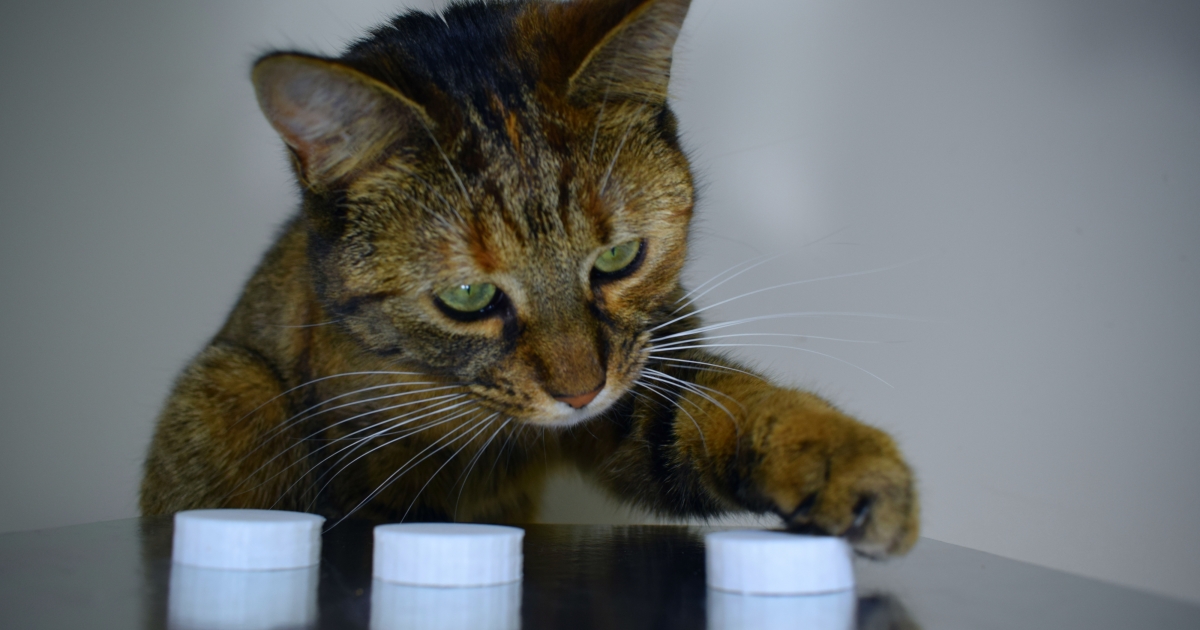
For dogs, the shell game is often a nose-first activity. Dogs naturally use scent to explore the world, so hiding a treat under a cup gives them a job that feels meaningful. For cats, it can become a paw-and-pounce challenge, especially if you use a crunchy treat or a tiny toy. Some cats will delicately tap the right cup. Others will knock all three cups across the floor and act like that was the plan. Both methods are technically participation.
Why the Shell Game Is Great Pet Enrichment
Pets need more than food, water, and a comfortable nap zone that they will ignore in favor of a cardboard box. Mental stimulation is a major part of a happy routine. Enrichment activities encourage pets to use natural behaviors such as sniffing, searching, problem-solving, chewing, chasing, and foraging. The shell game fits beautifully into this category because it lets your pet “hunt” for a reward in a controlled, indoor-friendly way.
A few minutes of brain work can be surprisingly satisfying. It will not replace walks, playtime, training, social time, or veterinary care, but it can add variety to your pet’s day. This is especially useful when the weather is terrible, your pet is recovering from a low-activity day, or you need an indoor game that does not involve a dog launching themselves into the couch like a furry cannonball.
Benefits of the Shell Game
Playing shell game with your dog, cat, or small pet can help improve focus, patience, confidence, and problem-solving skills. It may also reduce boredom by giving your pet a structured task. For food-motivated pets, the game can turn a few pieces of kibble into an exciting event. For toy-motivated pets, it can transform a favorite squeaky toy or catnip mouse into hidden treasure.
The shell game is also wonderful for bonding. You are not just tossing a treat and walking away. You are watching your pet think, encouraging them, celebrating their wins, and learning how they solve problems. Some pets sniff every cup like a professional detective. Some stare at your hand because they know the real magic is attached to your fingers. Some sit down and wait for you to explain yourself. All of these reactions tell you something useful about your pet’s personality.
What You Need to Play Shell Game With Your Pet
You do not need fancy equipment. Start with three identical cups or small bowls. Paper cups are lightweight and easy for beginners, but they can be destroyed quickly by enthusiastic dogs. Plastic cups are more durable, but make sure they are not brittle or sharp. Silicone cups can work well because they are soft and easy to clean. Avoid glass, ceramic, metal containers with sharp edges, or anything your pet might chew into unsafe pieces.
You will also need a reward. For dogs, use small training treats, pieces of regular kibble, or tiny bits of dog-safe food. For cats, try a few pieces of dry food, freeze-dried meat treats, or a favorite crunchy snack. For other pets, choose only species-appropriate food. When in doubt, ask your veterinarian before adding new treats.
Keep treats tiny. The game is about discovery, not creating a snack buffet with furniture. Treats should be part of your pet’s daily calorie plan, not a surprise second dinner. A smart trick is to use part of your pet’s regular meal as the reward. That way, enrichment does not accidentally become “Congratulations, you solved the puzzle and gained a pound.”
How To Play Shell Game With Your Pet: Step-by-Step
Step 1: Start With One Cup
Before you introduce multiple cups, teach your pet the basic idea. Let them watch you place a treat under one cup. Put the cup on the floor, then encourage them to investigate. When they nose it, paw it, or show clear interest, lift the cup and let them eat the treat.
Repeat this several times. Keep your voice cheerful and relaxed. You are not testing your pet for admission into an elite detective academy. You are showing them that cups can hide good things.
Step 2: Add a Cue
Once your pet understands that the treat is under the cup, add a simple cue such as “find it,” “where is it?” or “search.” Say the cue right before your pet investigates. Use the same phrase every time. Consistency helps your pet understand the game faster.
For dogs who already know “leave it” or “wait,” you can ask for a brief pause before releasing them to search. For cats, you may simply place the cup down and let curiosity do the heavy lifting. Cats are not always fans of formal announcements.
Step 3: Add a Second Cup
Now place two cups on the floor. Let your pet see you put the treat under one cup. Do not shuffle yet. Ask your pet to find it. If they choose correctly, celebrate and give the reward. If they choose the empty cup, calmly lift it to show there is nothing there, then encourage them to try again.
Avoid scolding wrong guesses. Mistakes are part of learning. The goal is to help your pet feel confident enough to keep trying. If your pet seems frustrated, return to one cup for a few rounds.
Step 4: Add the Third Cup
When two cups are easy, add a third. Again, let your pet watch where the treat goes. Place the cups in a straight line with enough space between them for your pet to sniff each one. Say your cue and let them choose.
At this stage, most pets are relying on a mix of memory and smell. That is perfect. You are building the foundation before making the puzzle harder.
Step 5: Begin Gentle Shuffling
Once your pet understands the game, slowly slide the cups around. Start with one simple movement, such as switching the treat cup with the cup beside it. Then release your pet to search. If they succeed, praise them like they just solved a museum heist.
Gradually increase the number of movements. Keep the cups on the floor and shuffle slowly enough that the game stays fun. Fast, dramatic shuffling might entertain humans, but it can confuse or discourage pets. Remember: this is enrichment, not a street-corner hustle.
Tips for Playing Shell Game With Dogs
Dogs often love the shell game because it turns sniffing into a job. Start in a quiet room with minimal distractions. If your dog is very excited, ask for a simple behavior first, such as “sit” or “wait,” then release them with “find it.” This helps build impulse control.
If your dog knocks over every cup instantly, use heavier but safe containers or place the cups farther apart. You can also hold the cups lightly at first and reward gentle sniffing or pawing. For dogs who chew cups, supervise closely and remove the cups as soon as the round ends.
For advanced dogs, hide the treat under one cup, shuffle the cups, then ask your dog to indicate the answer with a nose touch, paw tap, sit, or eye contact. This turns the shell game into a more polished training exercise. You can even practice calm behavior by rewarding your dog only when they choose without bulldozing the entire setup.
Tips for Playing Shell Game With Cats
Cats can be brilliant shell game players, but they may prefer their own rules. Use low cups or small containers that are easy to paw. Start when your cat is alert and playful, not when they are deep in a sunbeam coma. A strong-smelling treat can help, but keep portions small.
Some cats enjoy watching the treat go under the cup and then tapping the correct cup. Others may prefer you to hide a small toy, such as a crinkle ball or catnip mouse. If your cat walks away, do not take it personally. Cats walk away from furniture, conversations, and sometimes gravity. Try again later with a shorter session.
Keep cat sessions brief. Two to five minutes may be plenty. End while your cat is still interested rather than waiting until they decide the cups are beneath their artistic standards.
Shell Game Variations for Different Skill Levels
Beginner Version: The Visible Treat
Place the treat partly under the edge of the cup so your pet can smell and see it. This is great for puppies, kittens, seniors, shy pets, or pets new to puzzle games. Make the first wins easy. Confidence is fuel.
Intermediate Version: The Classic Shuffle
Use three cups, hide the treat, shuffle slowly, and let your pet choose. Reward correct choices immediately. If your pet misses, reset and make the next round easier.
Advanced Version: Scent Only
Ask your pet to wait outside the room or turn away while you hide the treat. Then bring them back and cue them to search. This version relies more heavily on scent and less on watching your hands.
Expert Version: Empty-Hand Fake-Out
Touch each cup as if you might be hiding something, but place the treat under only one. This helps dogs and cats learn to use their nose instead of only tracking your hand. Keep it light and fair. The aim is challenge, not betrayal.
Common Mistakes to Avoid
The biggest mistake is making the shell game too hard too quickly. If your pet fails repeatedly, they may lose interest. Start easy, reward often, and increase difficulty gradually.
Another mistake is using treats that are too large or too rich. Small rewards work best. If you play several rounds, count those treats as part of your pet’s daily intake. For pets with weight concerns, food allergies, diabetes, digestive issues, or special diets, use veterinarian-approved rewards.
Do not use breakable cups or containers with sharp edges. Do not leave your pet alone with the game pieces. And do not force participation. A good enrichment game should feel like an invitation, not a mandatory staff meeting.
How Long Should You Play?
Short sessions are best. For most pets, five to ten minutes is enough. Puppies, kittens, senior pets, and easily frustrated pets may do better with two or three minutes. You can play once a day or a few times a week, depending on your pet’s interest and routine.
Watch your pet’s body language. A wagging tail, soft eyes, eager sniffing, relaxed posture, and quick re-engagement usually mean they are having fun. Turning away, yawning repeatedly, freezing, lip licking, scratching, or leaving the area may mean they need a break.
Safety Notes Before You Start
Always supervise the shell game. Cups can become chew toys, and chew toys can become “why is there plastic confetti under the couch?” Choose safe materials, keep sessions calm, and put everything away afterward.
Use pet-safe treats only. Avoid foods that are unsafe for dogs or cats, such as chocolate, grapes, raisins, onions, garlic, alcohol, caffeine, and xylitol-sweetened products. If your pet has medical conditions or dietary restrictions, ask your veterinarian which rewards are appropriate.
For multi-pet homes, play one pet at a time at first. Food games can create competition, especially if one pet has the manners of a polite librarian and the other behaves like a raccoon at a buffet. Separate sessions keep the game safe and positive.
Real-World Experiences: What Playing Shell Game With Your Pet Actually Feels Like
The first time you play shell game with your pet, expect comedy. Not elegant comedy. More like “tiny chaos wearing fur” comedy. Many dogs begin by sniffing the correct cup, then looking at you as if asking whether this is a legally binding decision. Some cats gently tap the cup once, then stare at you until you perform your part of the contract and reveal the snack. A few pets simply flip every cup at once, which is not wrong so much as aggressively efficient.
One of the best experiences with the shell game is watching your pet’s strategy develop. At first, a dog may choose based on where they last saw your hand. After a few sessions, they may slow down, sniff each cup, pause, and make a more thoughtful choice. That little pause is wonderful. It is the moment their brain says, “Wait. I have tools. I have a nose. I have a mission.” For a pet parent, it feels like seeing a light switch turn on.
Cats can be even funnier because their interest often arrives in waves. A cat may ignore the game completely while you are excited, then return ten minutes later and solve it with the bored confidence of a retired magician. The trick is to respect the cat’s timing. Leave the performance pressure out of it. When cats feel in control, they are more likely to participate. When they feel forced, they may file a formal complaint by sitting inside the game box.
In daily life, the shell game works especially well as a “reset” activity. If your dog is restless before dinner, play three rounds using kibble. If your cat is demanding attention while you are trying to work, offer a short puzzle session before their normal playtime. If rain ruins outdoor plans, the shell game can help burn mental energy indoors. It is not a magic cure for boredom, anxiety, or behavior problems, but it is a useful tool in a richer routine.
The game also teaches patience on both sides. Pets learn that calm searching gets rewarded. Humans learn that “easy” does not mean easy for every animal. Some pets need slower shuffling. Some need smellier treats. Some need cups that do not slide too much. Some need one successful round and then a nap that looks like they just completed a graduate thesis.
My favorite shell game experience is the moment a pet starts anticipating the fun. The cups come out, the ears perk up, the tail lifts, the eyes sharpen. They know a game is coming. Not a lecture. Not a command marathon. A game. That anticipation is the real reward for the human. The treat matters to your pet, of course, but the shared routine matters too. You are building a little ritual that says, “Let’s do something fun together.”
Over time, you may notice your pet becoming more confident with other enrichment activities as well. A dog who masters the shell game may enjoy scent walks, puzzle feeders, hide-and-seek, or “find it” games around the house. A cat who learns to paw at a cup may become more interested in food puzzles or treat hunts. The shell game is often a gateway puzzle: small, simple, and surprisingly powerful.
Conclusion
Learning how to play shell game with your pet is simple, affordable, and genuinely entertaining. With a few cups, tiny treats, and a patient attitude, you can turn an ordinary day into a fun mental workout. Start easy, reward often, keep sessions short, and let your pet’s personality guide the pace.
The best part is not whether your pet becomes a world-class cup detective. The best part is the shared attention. You are giving your pet a job, a challenge, and a chance to win. In return, you get wagging tails, curious paws, dramatic sniffing, and possibly one overturned cup rolling under the refrigerator. That is not a failure. That is enrichment with special effects.
SEO Tags

