
Beauty Tools & Accessories
How to Plant Strawberries in Tropical Weather
Jul
Growing strawberries in tropical weather can sound like sending a penguin on a beach vacation. Strawberries prefer mild days, cooler nights, and moistbut never waterloggedsoil. Tropical gardens frequently deliver intense sunshine, steamy nights, sudden downpours, and humidity with the enthusiasm of a bathroom after a 40-minute shower.
Fortunately, strawberries can grow and fruit successfully in many tropical and subtropical regions. The trick is to work with the coolest season, select varieties suited to mild winters, and create a root zone that drains quickly after heavy rain. With smart timing and basic climate management, even a sunny balcony can produce fragrant berries that taste considerably better than fruit that has spent a week commuting to the supermarket.
Can Strawberries Grow in a Tropical Climate?
Yes, although temperature matters more than the word “tropical.” Most strawberries flower and set fruit best when temperatures remain roughly between 50°F and 80°F. That is why growers in warm areas such as Florida plant in fall and harvest through winter and spring instead of forcing plants to produce during the hottest months.
In tropical lowlands, strawberries usually perform best as cool-season annuals. Plant them at the beginning of the mildest dependable weather, harvest before severe heat and monsoon humidity arrive, and start with fresh plants the following season. Tropical highlands with cooler nights may offer a much longer production window.
1. Choose the Coolest Planting Window
Use local temperatures instead of a generic calendar
Start transplants when the coming two or three months are expected to bring mild days, cooler nights, and less relentless rain. In many Northern Hemisphere tropical areas, this may mean planting from October through December. In the Southern Hemisphere, the most favorable period may begin from April through June. Elevation, monsoon timing, and ocean influence can shift those dates significantly.
A useful planting date gives roots several weeks to establish before flowering becomes heavy. Do not wait until the coolest week of the year and expect instant berries. Conversely, planting while the soil is still baking hot can stress crowns and encourage root disease.
Find the best microclimate
Choose a location receiving at least six hours of direct sunlight, preferably from morning through early afternoon. Morning sun helps dry dew and rain from the foliage. In extremely hot lowland gardens, light afternoon shade or temporary shade cloth can reduce heat stress, but dense shade should be avoided because it reduces flowering and slows leaf drying. Research and extension trials support using shade as a carefully managed heat-reduction tool rather than a permanent substitute for sunlight.
Avoid enclosed corners, low spots, and walls that trap humid air. Strawberries need sunshine for sweetness and airflow for survival.
2. Select Warm-Climate Varieties and Healthy Plants
Variety selection can determine whether the harvest fills a bowl or consists of three heroic berries surrounded by decorative leaves. Begin with cultivars recommended by a local agricultural service, berry nursery, or experienced grower in a climate similar to yours.
Short-day cultivars are commonly used in warm regions because they initiate flowers during the shorter, cooler days of fall and winter. Day-neutral cultivars can also perform well in containers and tropical highlands, although extreme heat can still reduce flowering and fruit quality.
Warm-climate options may include Florida-bred cultivars such as Sweet Sensation, Medallion, Brilliance, Ember, and Encore. Cultivars such as Chandler and Tangi are also grown in parts of the southern United States. Availability and performance vary, so test two or three cultivars before dedicating an entire garden to one. A famous strawberry variety does not automatically come with tropical air-conditioning.
Buy certified, disease-free transplants from a reputable nursery. Plug plants are convenient because their established root balls recover quickly after transplanting. Bare-root plants are economical but must remain cool and moist until planted.
Reject plants with mushy roots, blackened crowns, spotted leaves, distorted new growth, or severe wilting. Beginning with infected planting material is like inviting trouble to move in and handing it the Wi-Fi password.
3. Create a Fast-Draining Root Zone
Raised beds for rainy tropical gardens
Excellent drainage is essential. Build beds approximately 8 to 12 inches high, or higher where the native soil is heavy and seasonal rainfall is intense. A bed 30 to 36 inches wide can hold two staggered rows while still allowing access from both sides.
Shape the bed so water cannot collect around the crowns. Keep paths slightly lower, and make sure runoff has somewhere to go rather than forming a decorative strawberry moat.
Strawberries prefer fertile, well-drained soil with a pH near 6.0 to 6.5. Test the soil before planting when possible. Incorporate finished compost to improve structure, but avoid large quantities of unfinished organic matter that may temporarily tie up nitrogen or remain excessively wet. Raised beds, plasticulture, and drip irrigation are widely used in warm-region production because they improve drainage, fruit cleanliness, and disease management.
Adding a little sand to sticky clay rarely solves serious drainage problems and may create something closer to pottery than paradise. A properly filled raised bed is usually the better solution.
Containers for balconies and difficult soil
Containers are especially useful in tropical climates because they can be moved away from punishing afternoon sun or prolonged rain. Use pots at least 12 inches across and approximately 10 to 18 inches deep, with several generous drainage holes. One plant per small pot or two to three plants in a wide container generally provides better airflow than an overcrowded strawberry tower.
Fill containers with quality potting mix rather than garden soil. A useful blend contains a moisture-retentive material such as coconut coir, along with composted bark and perlite or another coarse ingredient for aeration.
Raise pots slightly above the ground so their drainage holes remain open. Never leave strawberry containers standing in saucers full of rainwater.
4. Plant Strawberry Crowns Correctly
The crown is the short, thick section between the roots and leaves. Its midpoint should sit level with the soil surface. Planting too deeply can cause crown rot, while planting too shallowly exposes the roots and allows them to dry.
Spread bare roots downward in the planting hole instead of bending them into a tight hook. Firm the soil gently and water thoroughly to eliminate large air pockets. Correct crown placement is particularly important in humid climates, where buried crowns can decay quickly.
Space plants about 10 to 15 inches apart, with approximately 12 to 18 inches between staggered rows. Wider spacing is helpful in humid gardens because the foliage dries faster after rain.
If new transplants arrive stressed, provide temporary afternoon protection for several days while the roots begin working. Remove broken or diseased leaves, but keep healthy foliage intact. Those leaves are the plant’s solar panels, and the electricity bill is already due.
5. Control Heat, Water, and Humidity
Water the roots instead of the entire plant
Strawberries have relatively shallow roots and require consistent moisture during flowering and fruit enlargement. Check container soil daily and garden beds every few days. Water deeply enough to moisten the root zone, then allow excess water to drain.
Drip irrigation or a soaker hose is preferable to overhead sprinkling because the foliage, flowers, and fruit remain drier. Water early in the morning so accidental splashes evaporate quickly. During rainy periods, shut off irrigation and inspect beds for blocked drainage. Soil moisture should remain reasonably consistent rather than cycling between desert and duck pond.
Apply mulch carefully
Use clean straw, pine needles, reflective plastic, or another locally appropriate mulch after the plants become established. Mulch keeps fruit away from soil, limits mud splashing, suppresses weeds, and moderates root temperature.
Avoid pushing thick, wet organic mulch directly against the crown. In humid regions, soggy mulch can shelter slugs and prolong the damp conditions that encourage rot.
Black plastic can be useful during cool weather because it warms the soil, but it may overheat roots as tropical temperatures rise. White-on-black or reflective mulch is often more suitable later in the season.
Use shade cloth only during stressful heat
Light shade cloth can be installed above the plants during unusually hot afternoons. It should remain high enough to allow airflow and should be removed or retracted when temperatures moderate.
Too much shade produces lanky plants, reduced flowering, tart fruit, and a five-star fungal resort. The objective is to reduce extreme heat without depriving the plants of the light needed to manufacture sugars.
6. Fertilize Without Producing a Leaf Jungle
Strawberries require nitrogen, phosphorus, potassium, and several micronutrients, but excessive fertilizer does not guarantee more berries. Too much nitrogen creates large, soft leaves that trap humidity while flower production sulks in the corner.
In beds, incorporate compost and fertilizer according to soil-test recommendations. For containers, use a balanced controlled-release fertilizer approved for edible plants or apply a diluted liquid fertilizer every two or three weeks.
Once flowering begins, avoid heavy nitrogen applications. Strawberries are also sensitive to fertilizer salts, particularly in containers. Occasionally water deeply enough for liquid to drain freely from the bottom of the pot. Brown leaf margins in consistently moist containers can be a sign of excessive salts rather than thirst.
7. Manage Flowers, Runners, and Pollination
New plants sometimes flower before developing enough roots and foliage to support fruit. Removing flowers during the first week or two can help weak transplants establish. However, vigorous plugs planted during a short tropical growing season may need little or no flower removal. Commercial practices vary because delaying harvest is not always worthwhile.
Remove most runners when fruit production is the priority. Runners create daughter plants but consume energy that could otherwise support flowers and berries. To propagate a favorite plant, root one daughter plant in a small pot while it remains attached, then cut the connecting runner after roots develop.
Strawberry flowers are self-fertile, but effective pollen movement improves fruit shape and size. Bees usually manage outdoor plants. On screened balconies, gently brush the centers of open flowers with a soft artist’s brush every day or two.
8. Prevent Tropical Pests and Diseases
Heat, moisture, and dense foliage create favorable conditions for gray mold, anthracnose, leaf spots, and crown or root rots. Preventing these problems is easier than rescuing infected plants.
Space plants generously, irrigate at soil level, remove dead leaves, control weeds, and pick ripe fruit promptly. Spoiled berries should be removed rather than left beneath the foliage to operate a fungal distribution center.
Gray mold commonly causes soft fruit covered with fuzzy gray growth. Anthracnose can create dark, sunken lesions on fruit and may also damage crowns. Both diseases become more troublesome after rainfall, overhead irrigation, and extended periods of plant wetness. Clean nursery stock, good airflow, dry foliage, and sanitation are the first defenses.
Inspect the undersides of leaves twice a week for mites, especially during hot, dry periods. Fine pale speckles, bronzed foliage, and delicate webbing are warning signs. Aphids, thrips, slugs, snails, birds, and rodents may also appear.
Begin with physical barriers, traps, hand removal, and other low-impact controls. Broad-spectrum insecticides can kill beneficial organisms and sometimes allow mite populations to increase rapidly.
When a pesticide is necessary, choose one legally labeled for strawberries and the target pest in your country. Follow application rates, protective-equipment directions, and preharvest intervals exactly. “A little extra for luck” is not an approved pest-management technique.
9. Harvest Strawberries at Peak Ripeness
Pick berries when they are red all the way to the shoulder near the green cap. Strawberries do not become significantly sweeter after picking, so pale fruit harvested early tends to remain pale in personality.
Harvest in the cool morning after surface moisture has dried. Hold the stem and snip or pinch it above the cap rather than pulling directly on the berry.
During peak production, check plants every one or two days. Remove damaged fruit at the same time. Cool harvested berries promptly, keep them dry, and wash them only before eating. Frequent harvesting also prevents the neighborhood birds from believing you have opened a complimentary breakfast buffet.
Tropical Strawberry Troubleshooting Guide
| Problem | Likely Cause | Practical Fix |
|---|---|---|
| Many leaves but few flowers | Excess nitrogen, high temperatures, or an unsuitable cultivar | Reduce feeding, improve seasonal timing, and test a locally adapted variety |
| Flowers drop without producing fruit | Heat stress, poor pollination, or inconsistent watering | Use temporary afternoon shade, stabilize soil moisture, and assist pollination |
| Berries are soft or bland | Warm nights, excessive irrigation, or insufficient sunlight | Plant during cooler weather, improve drainage, and increase morning light |
| Plant suddenly collapses | Waterlogging, crown rot, or a deeply buried crown | Remove the affected plant, correct drainage, and replant healthy stock properly |
| Gray fuzzy growth appears on fruit | Botrytis gray mold | Remove infected fruit, increase airflow, avoid overhead irrigation, and harvest frequently |
| Leaves look speckled or bronze | Spider mites | Inspect leaf undersides, reduce plant stress, and use a labeled control when necessary |
Practical Experience: What a Tropical Strawberry Season Really Teaches
The following composite experience reflects recurring lessons from warm-climate gardens rather than one individual grower’s diary. Imagine a gardener beginning the cool season with twelve healthy strawberry plugs. Six go into a raised bed beside a sunny wall, while six are planted in wide containers receiving morning sun. During the first week, every plant looks perfectly respectable. By the third week, the differences begin expressing opinions.
The wall-facing bed receives intense afternoon heat. Its surface appears dry, so the gardener waters frequently without noticing that the lower soil remains wet after recent rain. Two plants stop growing, and their crowns develop brown tissue. The containers drain faster and can be moved behind a light screen after 2 p.m. Those plants remain compact and begin forming flower buds.
The lesson is not that containers are magically superior. The lesson is that tropical strawberry success often belongs to the system that provides the greatest control over heat, rain, and drainage.
Next comes the fertilizer episodea gardening classic. Hoping to accelerate growth, the gardener applies a strong, high-nitrogen feed. The plants respond with enormous green leaves worthy of a catalog cover. Unfortunately, the dense canopy stays damp after morning rain, and the first berries become soft.
The gardener removes old foliage, restores adequate spacing, switches to drip watering, and returns to a lighter feeding schedule. New growth looks less theatrical but becomes far more productive. Strawberry plants, it turns out, are not impressed by bodybuilding programs.
Pollination creates another useful surprise. Plants in the open bed receive regular bee visits and produce evenly shaped berries. The screened balcony containers develop several fruits with narrow tips and uneven sides. Moving a soft brush gently across newly opened flowers improves the shape of later berries. This intervention is most helpful where insects have limited access.
By the middle of the season, berries touching damp mulch begin rotting first. The mulch layer is thinned, ripe fruit is picked each morning, and damaged berries are removed immediately rather than being left “for later.” Gray mold pressure declines. A few slugs are collected from beneath boards placed near the bed and checked at sunrise.
During the hottest week, light shade cloth is installed for the afternoon. Flowers continue opening, although fruit size temporarily decreases until cooler nights return. When the heat wave passes, the cloth is removed so the plants receive stronger light again.
The most important experience is learning to read the plants. Upward-curling leaf edges at midday may indicate heat stress. Limp plants in lightweight, dry pots probably need water. Limp plants in heavy, wet soil may have damaged roots and should not automatically receive another soaking.
Pale growth can indicate nutrient or pH problems, while browned leaf margins in containers may point to fertilizer-salt accumulation. No fixed watering or feeding schedule can replace regular observation.
At the end of the harvest window, the container plants have produced fewer runners but more clean fruit. The raised-bed plants recover after the drainage corrections, although disease pressure rises when seasonal rain returns.
Rather than forcing exhausted plants to survive several months of oppressive heat, the gardener roots a few healthy daughter plants in small pots and keeps them in the coolest bright location available. The remaining plants are removed, containers are cleaned, and the bed is rotated to another crop.
That approach may seem wasteful to gardeners accustomed to perennial strawberry beds in cool climates. In tropical weather, however, growing strawberries as seasonal annuals is often more efficient. Fresh, disease-free transplants planted at the beginning of each cool season typically outperform old plants that spent the summer collecting heat stress, mites, and fungal souvenirs. Warm-region strawberry systems commonly rely on annual planting for precisely this reason.
Conclusion
Learning how to plant strawberries in tropical weather is primarily an exercise in climate strategy. Plant during the coolest and preferably driest season, choose adapted cultivars, begin with healthy transplants, and keep crowns above soggy soil.
Raised beds or freely draining containers, morning sunshine, drip irrigation, moderate feeding, clean mulch, and reliable airflow prevent most common problems before they become expensive or disgusting. Watch the plants closely, adjust care as the weather changes, and do not be afraid to restart the crop when tropical heat ends the productive season.
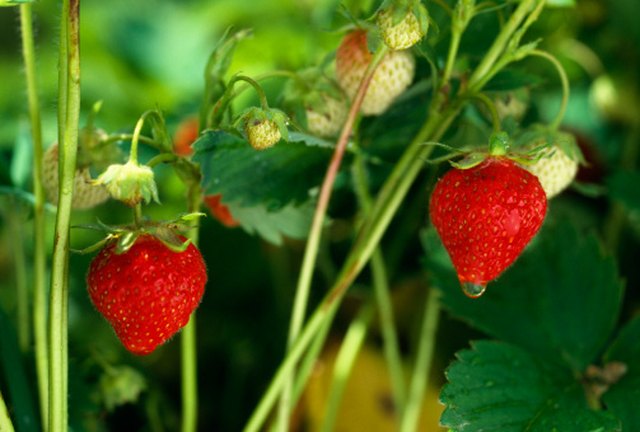
The reward is the peculiar joy of discovering a perfectly red strawberry beneath the leaves, eating it while it is still warm from the morning sun, and realizing that the supermarket version has been withholding information.
Note: Tropical climates vary considerably by elevation, rainfall, humidity, and nighttime temperature. This article synthesizes guidance from U.S. university-extension and horticultural resources, including UF/IFAS, NC State Extension, Penn State Extension, University of Minnesota Extension, Alabama Extension, Mississippi State Extension, Texas A&M AgriLife, UC Integrated Pest Management, Oregon State University Extension, University of Maryland Extension, University of Georgia Extension, and Clemson Extension. Adjust planting dates and cultivar choices with advice from a trusted agricultural service or nursery serving your region.

