
Beauty Tools & Accessories
How to Make a Stress Ball with a Sock: 8 Easy Steps
Jun
Stress has a sneaky way of showing up at the worst possible time: during a work deadline, while answering an email that begins with “just circling back,” or when your coffee maker makes a noise that sounds financially threatening. The good news? You do not need a fancy gadget, a trip to the craft store, or a wellness retreat with cucumber water to get a little relief. Sometimes, all you need is one lonely sock and a scoop of rice.
Learning how to make a stress ball with a sock is one of the easiest DIY stress relief projects you can try at home. It is inexpensive, beginner-friendly, kid-friendly with supervision, and delightfully useful. Unlike balloon stress balls, a sock stress ball does not require latex, stretching, or the risky “will this explode flour all over my kitchen?” moment. It is soft, reusable, washable on the outside, and customizable depending on the texture you like best.
This guide walks you through the entire process in 8 easy steps, plus filler options, safety tips, decorating ideas, troubleshooting advice, and real-life experience using sock stress balls at home, work, and school. By the end, you will have a homemade stress ball that is perfect for squeezing, fidgeting, grounding, calming busy hands, or simply giving your fingers something to do besides aggressively refreshing your inbox.
What Is a Sock Stress Ball?
A sock stress ball is a small, soft, squeezable object made by filling a clean sock with rice, beans, lentils, flour in a sealed pouch, or another dry material, then tying or sewing it closed. It works like a traditional stress ball by giving your hand a physical object to squeeze and release. That simple motion can help redirect nervous energy, support focus, and create a calming sensory routine.
It is not a medical treatment for anxiety, chronic stress, or hand pain, but it can be a practical self-care tool. Think of it as a tiny emotional support potatoexcept cleaner, less judgmental, and less likely to sprout in your desk drawer.
Why Make a Stress Ball with a Sock Instead of Buying One?
Store-bought stress balls are useful, but homemade sock stress balls have several advantages. First, they are budget-friendly. You probably already have the main material at home, especially if your dryer regularly eats socks and leaves behind survivors with no matching partner. Second, you can control the size, firmness, texture, and weight. Third, a sock stress ball is a great no-sew craft if you tie it tightly, but you can also sew it for extra durability.
A sock version is also a smart alternative for people who want to avoid latex balloons. Many DIY stress ball tutorials use balloons, flour, or cornstarch, which can work well but may not be ideal for younger children, latex-sensitive users, or anyone who has ever cleaned flour out of carpet fibers and still hears the vacuum whimpering.
Materials You Will Need
Before starting, gather your supplies. This project takes about 10 to 15 minutes, depending on whether you decorate your stress ball or simply want to get squeezing immediately.
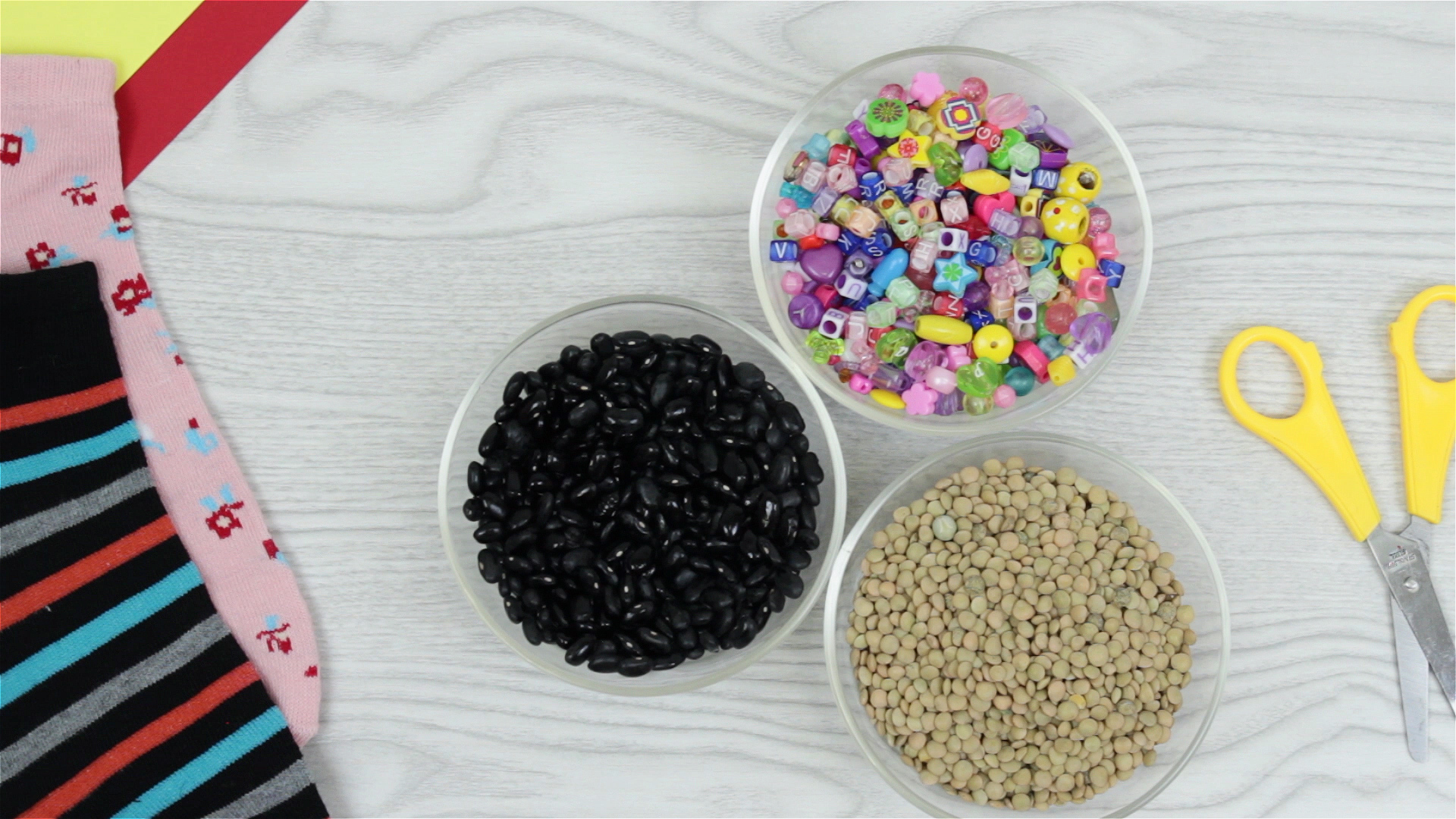
Basic Supplies
- 1 clean sock, preferably ankle-length or crew-length
- 1/2 to 1 cup uncooked rice, lentils, dried beans, or split peas
- A funnel, paper cone, measuring cup, or empty toilet paper roll
- Rubber band, hair tie, string, or yarn
- Scissors
- Optional: needle and thread for sewing the end closed
- Optional: a second sock for reinforcement
- Optional: fabric markers, felt, ribbon, googly eyes, or patches for decorating
Best Fillers for a Sock Stress Ball
The filler determines how your DIY stress ball feels. Here are the most useful options:
- Rice: The best all-purpose choice. It creates a firm, grainy texture and holds shape well.
- Lentils: Smaller than beans and smoother than rice, giving a softer, more even squeeze.
- Dried beans: Chunkier and heavier, best for people who like strong tactile feedback.
- Split peas: Smooth, round, and pleasant for sensory play.
- Flour or cornstarch: Soft and squishy, but only recommended if sealed inside a small zip-top bag first to prevent leaks.
- Poly pellets: Lightweight and durable, often used in weighted crafts, but not ideal for very young children.
For most beginners, uncooked rice is the easiest and least dramatic option. It pours cleanly, feels satisfying, and does not turn your table into a baking crime scene.
How to Make a Stress Ball with a Sock: 8 Easy Steps
Step 1: Choose a Clean, Strong Sock
Start with a clean sock that has no holes, thin patches, or suspicious mystery stains. A cotton sock works well because it stretches slightly but still holds its shape. An ankle sock makes a small stress ball, while a crew sock gives you more fabric to tie securely. Avoid socks with loose stitching or very open knit patterns, especially if you are using rice or small lentils as filler.
If the sock is thin, use two socks. Place one inside the other before filling, or fill one sock and slide it into another after tying. This makes the stress ball stronger and helps prevent leaks.
Step 2: Pick the Right Filling
Decide what kind of squeeze you want. For a firm stress ball, use rice. For a smoother feel, use lentils or split peas. For a heavier hand workout, use dried beans. If you want a soft, doughy feeling, place flour or cornstarch inside a small sealed plastic bag before putting it into the sock.
Do not use wet ingredients, slime, water beads, cooked rice, lotion, or anything that can mold, leak, or attract pests. A stress ball should calm you down, not become a tiny science fair project with an odor.
Step 3: Make a Simple Funnel
Stretch the sock opening over a funnel, paper cone, or empty toilet paper roll. If you do not have a funnel, roll a sheet of paper into a cone and tape the side. Place the sock in a cup or bowl to keep it upright while filling. This small setup prevents spills and keeps your DIY stress ball project from turning into rice confetti.
For kids, this is a great moment to practice measuring and pouring. Just make sure an adult handles scissors, needles, tight knots, and any small parts used for decoration.
Step 4: Pour in the Filling Slowly
Add about 1/2 cup of filler to start. Hold the sock steady and pour slowly. Tap the side of the funnel or paper cone if the filler gets stuck. Once the sock begins to fill, gently shake it so the rice or lentils settle into the toe area.
For a palm-sized stress ball, 1/2 cup is usually enough. For a larger ball, use 3/4 cup to 1 cup. The goal is to fill the sock enough that it feels plump, but not so full that it becomes hard as a baseball. You want “satisfying squeeze,” not “desk weapon.”
Step 5: Test the Size and Firmness
Before tying the sock, squeeze it in your hand. If it feels too floppy, add more filling. If it feels too hard, remove a little. This is the secret to making a homemade stress ball you will actually use. Everyone has a different preference: some people like a firm grip, while others prefer a softer fidget toy that shifts around in the hand.
A good sock stress ball should fit comfortably in your palm. You should be able to squeeze it without straining your fingers, wrist, or forearm. If you feel discomfort, make it smaller or softer.
Step 6: Twist and Tie the Sock Securely
Once the stress ball feels right, push the filling down into the toe of the sock. Twist the empty fabric above the filling several times, then tie a tight knot close to the filled section. If the sock is too short to tie, secure it with a strong rubber band, hair tie, or string.
For extra security, fold the remaining fabric over the ball and tie it again. You can also wrap yarn around the neck of the sock several times and knot it firmly. The closure should be tight enough that the filling cannot escape when squeezed.
Step 7: Reinforce It for Durability
If you plan to use your stress ball often, reinforce it. Slide the filled sock into a second sock, knot side first, then twist and tie the second sock closed. This double-sock method makes the stress ball stronger, softer, and less likely to leak.
You can also sew the opening closed with a simple running stitch. Sewing is the best option if the stress ball will be used in a classroom, therapy room, office, or calm corner. If sewing is not your thing, no judgment. The knot method works well for casual home use.
Step 8: Decorate and Start Squeezing
Now comes the fun part: personality. Use fabric markers to draw a face, add felt ears, tie a ribbon around the knot, or turn the stress ball into a tiny sock creature. A plain gray sock can become a sleepy cat, a tiny potato, a snowman, or a mysterious blob named Greg. Greg has seen things, but Greg is calm.
To use your sock stress ball, squeeze it for about five seconds, then release. Repeat slowly while breathing deeply. You can use it during study sessions, work breaks, phone calls, meditation, or moments when you need a quiet way to manage fidgeting.
How to Use a Sock Stress Ball for Stress Relief
A stress ball works best when paired with a simple relaxation routine. Try this: inhale slowly, squeeze the ball, hold for a moment, then exhale and release your grip. Repeat five to ten times. This squeeze-and-release pattern helps you notice the difference between tension and relaxation in your hand.
You can also use it as a grounding tool. Focus on the texture of the sock, the movement of the filling, the pressure in your fingers, and the rhythm of your breath. This gives your mind something concrete to notice instead of letting stressful thoughts run wild like raccoons in a pantry.
Safety Tips for Kids and Adults
Homemade stress balls are simple, but safety still matters. If children are making or using them, provide adult supervision. Small fillers such as rice, lentils, beans, beads, and pellets can be choking hazards for young children. Keep loose filling away from toddlers and pets.
Avoid using balloons inside the sock if the stress ball is for young kids or anyone with a latex allergy. If you use decorative items like buttons or googly eyes, attach them securely or skip them completely for children under three. Fabric markers are safer than small glued-on pieces.
If you have hand pain, wrist injuries, arthritis, or repetitive strain issues, use the stress ball gently. Squeezing too hard or too often may worsen discomfort. A stress ball should feel soothing, not like your hand has joined a gym without consent.
Cleaning and Maintenance
Because the filling is dry, you should not toss the entire stress ball into the washing machine unless the filling is safely removable. Instead, spot-clean the outside with a damp cloth and mild soap. Let it air dry completely before using it again.
If the sock becomes stretched, dirty, or weak, replace it. If you notice leaks, loose knots, strange smells, or damp filling, make a new one. A rice-filled sock stress ball can last for months with normal use, but it is still a homemade item. Inspect it regularly, especially if children use it.
Common Mistakes to Avoid
Overfilling the Sock
Too much filler makes the ball stiff and uncomfortable. Leave enough room for the filling to move when squeezed.
Using a Sock with Holes
Even a tiny hole can become a rice escape tunnel. Check the sock before filling it.
Choosing Messy Fillers Without a Liner
Flour and cornstarch feel great, but they can leak through fabric. Seal powdery fillers in a small bag before placing them inside the sock.
Skipping the Test Squeeze
Always test the feel before tying. It is much easier to adjust the filling before the knot becomes a tiny fabric fortress.
Creative Variations to Try
Once you know how to make a basic sock stress ball, try customizing it. Add a few drops of lavender essential oil to a small cotton ball and place it inside the sock with the filler for a calming scent. Do not pour oil directly onto rice or fabric, because it may stain or become too strong.
You can also make themed stress balls. Use orange socks for pumpkins, white socks for snowballs, patterned socks for silly monsters, or fuzzy socks for an extra-soft sensory toy. For classrooms, make several with different fillings so students can compare textures. Rice, lentils, and beans each create a different sensory experience.
Where to Keep Your Homemade Stress Ball
Keep one at your desk, in your backpack, beside your bed, in a calm-down basket, or near your favorite reading chair. A sock stress ball is quiet, portable, and discreet. It can be especially helpful during long meetings, study sessions, homework time, or moments when your hands need something to do.
For kids, place it in a calm corner with books, soft pillows, breathing cards, and other quiet tools. For adults, keep it near your keyboard as a reminder to take small breaks. A one-minute squeeze session will not solve every problem, but it can create a tiny pauseand sometimes that pause is enough to stop your brain from opening 47 mental tabs at once.
Real-Life Experience: What Making a Sock Stress Ball Is Actually Like
The first time you make a stress ball with a sock, you may feel slightly ridiculous. There you are, standing in your kitchen, carefully pouring rice into a sock like you are preparing a meal for a very tiny, very anxious ghost. But after a few minutes, the project starts to make sense. It is simple, hands-on, and oddly satisfying. You are turning ordinary household items into something useful, which already feels like a small win.
In practice, rice tends to be the easiest filler. It pours smoothly, has a pleasant weight, and gives the finished stress ball a grainy texture that feels good in the hand. Lentils feel a little smoother and quieter, while beans create a chunkier squeeze. If you are making stress balls with kids, rice is usually the least complicated option. It is easy to measure, easy to pour, and easy to sweep up if a spill happens. And yes, a spill probably will happen. Accept this early. The rice has dreams of freedom.
One of the best things about this project is how customizable it is. A small ankle sock creates a compact stress ball that fits neatly in a child’s hand. A thicker crew sock makes a larger, softer ball for adults. Fuzzy socks create a cozy texture that feels more like a comfort object than a fitness tool. Old colorful socks make the whole thing more playful, especially when decorated with silly faces. A sock stress ball with two marker eyes and a crooked smile has no business being charming, and yet here we are.
Using the stress ball during work or study sessions can be surprisingly helpful. It gives restless hands something quiet to do, which may reduce the urge to tap pens, pick at nails, scroll endlessly, or reorganize paper clips as if the future of civilization depends on it. During stressful moments, the squeeze-and-release motion creates a physical rhythm. Inhale, squeeze, pause, exhale, release. The routine is simple enough to remember even when your brain is busy composing dramatic resignation letters you will never send.
For families, sock stress balls can become part of a calm-down routine. A child can choose a stress ball from a basket, sit in a quiet space, and squeeze while naming feelings. Adults can use the same idea after a long day: sit down, breathe slowly, and let the hands release some of the tension the shoulders have been hoarding since Tuesday. It is not magic, but it is practical.
The biggest lesson from making and using sock stress balls is that stress relief does not always need to be expensive, complicated, or Instagram-perfect. Sometimes the most useful tools are humble. A sock, some rice, a knot, and a few quiet breaths can create a small moment of control in a messy day. And if the sock has stripes? Even better. Stress may still show up, but at least now you can squeeze it into something that looks like it belongs in a cartoon.
Conclusion
Making a stress ball with a sock is easy, affordable, and genuinely useful. With one clean sock, a dry filler like rice or lentils, and a secure knot, you can create a simple DIY stress relief tool in minutes. The best part is that you can adjust everything: size, texture, firmness, weight, and appearance. Whether you want a quiet fidget toy for work, a calming tool for kids, or a quick craft that rescues lonely socks from drawer exile, this project delivers.
Remember to choose safe materials, supervise children, avoid small detachable decorations for younger kids, and replace the stress ball if it wears out. Use it gently with slow breathing, mindful squeezing, or short breaks throughout the day. It may not erase stress completely, but it can help you pause, reset, and give your hands something better to do than clench dramatically at your inbox.
Note: This article is for general DIY and wellness education. A homemade stress ball can support relaxation and sensory comfort, but it is not a substitute for professional medical or mental health care. If stress, anxiety, pain, or sleep problems interfere with daily life, consider speaking with a qualified healthcare professional.

