
Beauty Unlocked
How to Make a Dreamy Blue and White Thanksgiving Tablescape
Jun
Thanksgiving tables do not have to look like a pumpkin patch and a cinnamon stick got into a heated argument on your dining room table. Orange, copper, cranberry, and gold are classics for a reason, but a blue and white Thanksgiving tablescape brings something fresh, elegant, and quietly magical to the holiday. It feels coastal without being summery, traditional without being predictable, and festive without shouting, “I bought every fake gourd in the craft store.”
Blue and white is one of those timeless decorating combinations that behaves beautifully under pressure. It works with heirloom china, everyday white plates, chinoiserie ginger jars, blue plaid napkins, woven placemats, white pumpkins, eucalyptus, taper candles, and yes, even the giant casserole dish your aunt insists on bringing every year. The trick is to make the table feel seasonal, not cold. Thanksgiving is still about warmth, abundance, gratitude, and enough mashed potatoes to make everyone briefly forget their inbox exists.
This guide walks you through how to create a dreamy, layered, practical, and guest-friendly Thanksgiving table using blue and white as the foundation. You will learn how to choose a color palette, build texture, style a centerpiece, set each place, add personality, avoid common mistakes, and make the whole table feel polished without needing a professional stylist, a floral truck, or a second mortgage.
Why Blue and White Works So Well for Thanksgiving
At first glance, blue may seem like an unusual Thanksgiving color. It is not the shade of roasted squash, maple leaves, pecan pie, or anything that usually appears on a holiday grocery list. But that is exactly why it works. Blue creates contrast. It gives the eye a cool, calm place to rest among all the warmth of fall food, candlelight, wood tones, and seasonal greenery.
White keeps the look crisp and classic. Together, blue and white create a clean foundation that can lean traditional, coastal, farmhouse, grandmillennial, modern, or rustic depending on the pieces you use. Add rattan and bamboo for a breezy Southern feel. Add navy napkins and silver flatware for a formal dinner. Add pale blue linens and white pumpkins for a soft cottage look. Add deep blue transferware and brass candlesticks if you want the table to whisper, “I have excellent taste,” without being annoying about it.
Start With a Clear Mood Before You Start Shopping
Before you buy a single napkin ring, decide what kind of blue and white Thanksgiving tablescape you want. A dreamy table needs direction. Otherwise, it can quickly become a random collection of pretty things having a committee meeting.
Choose One Main Style Direction
Here are a few reliable directions:
Classic chinoiserie: Blue and white porcelain, ginger jars, white pumpkins, eucalyptus, brass or silver candlesticks, and crisp linens.
Coastal Thanksgiving: Rattan chargers, bamboo flatware, blue striped napkins, white dishes, driftwood tones, and relaxed greenery.
Modern farmhouse: Blue plaid or gingham runner, white plates, matte black or wood accents, stoneware, small pumpkins, and simple candles.
Elegant formal: Navy linens, white china, polished silver, crystal glassware, low floral arrangements, and handwritten place cards.
Soft cottage: Pale blue tablecloth, scalloped white plates, cream candles, blue hydrangeas, pears, white pumpkins, and vintage-style glassware.
Once you choose a direction, every decision becomes easier. If an item does not support the mood, let it sit this Thanksgiving out. Even decorations deserve boundaries.
Build the Color Palette: Blue, White, and One Warm Accent
The secret to making a blue and white Thanksgiving table feel seasonal is to add warmth. Without it, the table can look more like a spring brunch than a fall feast. The easiest formula is simple: blue + white + one warm accent + natural texture.
Best Accent Colors for a Thanksgiving Blue and White Table
Burnt orange is the most obvious choice, and it works beautifully. Use it sparingly through mini pumpkins, napkin details, persimmons, or small floral accents.
Rust adds depth and feels more sophisticated than bright orange. Try rust-colored velvet ribbon around napkins or copper-toned leaves in the centerpiece.
Gold or brass adds glow. Candlesticks, flatware, napkin rings, or chargers can warm up the table instantly.
Natural brown from rattan, bamboo, wood, or woven placemats keeps the table grounded and relaxed.
Sage green softens the blue and white palette. Eucalyptus, olive branches, magnolia leaves, rosemary sprigs, or dusty miller can all work well.
You do not need all of these accents. In fact, please do not invite all of them unless your table is unusually large and emotionally prepared. Pick one or two warm supporting colors and repeat them intentionally.
Choose Your Foundation: Tablecloth, Runner, or Bare Table?
Your table’s foundation sets the entire mood. Think of it as the opening scene of a movie. It tells guests whether they are entering a breezy coastal dinner, a formal holiday gathering, or a cozy “we are fancy but still passing gravy in a measuring cup” kind of evening.
Option 1: A Blue and White Tablecloth
A patterned tablecloth is the fastest way to create drama. Blue floral, block print, stripe, toile, gingham, or chinoiserie-inspired fabric can make the table feel finished before you add a single plate. If the tablecloth is busy, keep your dishes simple. White plates, clear glassware, and solid napkins will prevent visual chaos.
Option 2: A White Tablecloth With Blue Layers
A white or ivory tablecloth creates a clean, elegant background. Add blue through napkins, plates, place cards, menus, or a patterned runner. This is a safe choice if you want a calm, dreamy look that photographs beautifully.
Option 3: A Blue Runner on a Wood Table
If you have a beautiful wood table, let it show. A blue runner down the center adds color while the wood brings warmth. This is especially good for farmhouse, rustic, or casual Thanksgiving dinners.
Option 4: No Linen, Just Texture
For a relaxed look, skip the tablecloth and use woven placemats or rattan chargers. This approach is especially pretty with blue and white china because the natural fibers stop the table from feeling too formal.
Layer Each Place Setting Like a Designer
A beautiful place setting is all about layers. You do not need expensive china. You need contrast, repetition, and a little bit of “oh, that was thoughtful.”
Start With a Charger or Placemat
Rattan chargers are a natural partner for blue and white. They add warmth, texture, and a casual elegance that says, “Yes, this table is pretty, but you are still allowed to laugh loudly.” Bamboo, seagrass, woven water hyacinth, wood slices, or navy placemats also work well.
Add Dinner Plates and Salad Plates
White dinner plates are the most flexible base. If you have blue and white salad plates, layer them on top. If your dinnerware is patterned, use a solid napkin to calm it down. If your plates are plain, use patterned napkins or blue-rimmed bread plates to add interest.
Use Napkins as a Color Moment
Napkins are small but mighty. Navy linen napkins feel formal. Pale blue napkins feel airy. Blue plaid feels cozy. White napkins tied with blue ribbon feel classic. Orange or rust napkins can be the warm accent that makes the whole palette feel like Thanksgiving.
For a dreamy look, try this simple styling idea: fold a blue napkin into a rectangle, place it on the plate, tuck in a rosemary sprig, and tie it with thin velvet ribbon. Suddenly your place setting has personality. It is basically wearing a holiday outfit.
Place Flatware Correctly but Do Not Panic
For a standard Thanksgiving dinner, place forks on the left, knives and spoons on the right, and glasses above the knife area. Knife blades should face the plate. If you are serving salad, soup, dinner, and dessert, you can add the needed utensils in the order guests will use them from outside to inside.
That said, Thanksgiving is not a royal inspection. If the dessert fork is not in the historically perfect location, the pie will still taste good. Function and comfort matter most.
Create a Centerpiece That Is Low, Lush, and Conversation-Friendly
A Thanksgiving centerpiece should make the table beautiful, not force guests to bob and weave like they are watching a tennis match. Keep the arrangement low enough for people to see each other across the table. A good rule: if guests cannot make eye contact over it, it belongs on the entry table, not the dining table.
Use Blue and White Vessels
Blue and white ginger jars, small porcelain vases, pitchers, teacups, or bowls make excellent centerpiece vessels. Instead of one giant arrangement, use several smaller vessels down the center of the table. This looks collected and elegant, and it leaves room for platters.
Add Seasonal Greenery
Eucalyptus is a favorite because it drapes softly and has a muted green tone that works beautifully with blue. Magnolia leaves bring Southern drama. Olive branches feel refined. Rosemary smells wonderful and can double as a place-setting accent. Cedar adds depth if you want the table to transition easily into Christmas decor after Thanksgiving.
Bring in White Pumpkins and Gourds
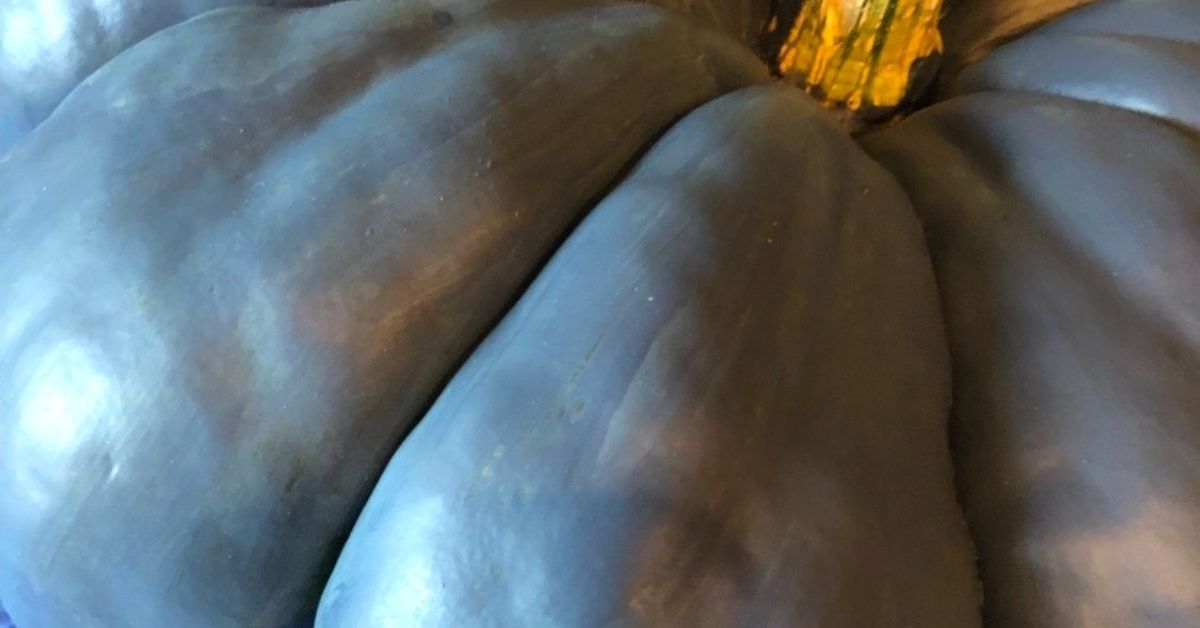
White pumpkins are the MVP of a blue and white Thanksgiving tablescape. They instantly say “fall” without clashing with the palette. Mix real and faux pumpkins if needed. Place them in clusters of odd numbers and vary the sizes. A few pale blue painted pumpkins can be charming too, as long as they look intentional rather than like they lost a fight with leftover craft paint.
Use Fruit for Color and Abundance
Seasonal fruit makes the table feel generous. Pears, figs, apples, persimmons, pomegranates, grapes, or citrus can fill gaps in the centerpiece. For a blue and white table, green pears and deep red pomegranates are especially pretty. They add warmth without overwhelming the color scheme.
Add Candlelight for the Dreamy Factor
If a tablescape feels flat, add candles. Candlelight is the soft-focus filter of real life. It makes glass sparkle, silver shine, and everyone look like they slept eight hours, even if they were up at 6 a.m. wrestling a turkey into the oven.
Mix Candle Heights
Use taper candles for height and votives for glow. Blue tapers can look striking, but ivory, white, honey, or brass-toned candles are easier to blend. If you use tall candlesticks, keep them slim and place them where they will not block conversation.
Choose Unscented Candles
Thanksgiving already has enough aroma happening. Turkey, herbs, pie, and gravy do not need to compete with “Winter Forest Vanilla Pumpkin Thunderstorm.” Use unscented candles at the table so the food can be the star.
Use Flameless Candles When Needed
If children, pets, crowded serving dishes, or dramatic sleeve gestures are part of your holiday, flameless candles are a smart choice. They still create warmth without adding risk or requiring you to keep one eye on the centerpiece all night.
Mix Patterns Without Making the Table Feel Busy
Blue and white tables often involve pattern: stripes, florals, checks, toile, transferware, chinoiserie, plaid, or block prints. Mixing patterns can look sophisticated, but the secret is scale.
Use Three Pattern Sizes
Try combining one large-scale pattern, one medium pattern, and one small pattern. For example, use a large blue floral tablecloth, medium striped napkins, and small patterned salad plates. The patterns relate through color but do not compete because their scales are different.
Repeat White Space
White space keeps blue patterns from feeling heavy. If you use patterned china, balance it with white plates or a plain tablecloth. If you use a patterned tablecloth, choose simple glassware and solid napkins.
Let One Piece Be the Star
If you have stunning blue and white china, let it lead. If your tablecloth is the showstopper, keep the plates calmer. A table can have multiple pretty elements, but it still needs a lead singer. Otherwise, everyone is belting the chorus at once.
Make the Table Feel Personal
A dreamy Thanksgiving tablescape should not feel like a showroom. The best tables have warmth, memory, and little signs that actual humans will sit there and eat stuffing.
Add Handwritten Place Cards
Place cards make guests feel expected. Use white cards with blue ink, small tags tied to napkins, mini pumpkins with names written on them, or folded cards tucked into a pinecone or place-card holder. For a sentimental touch, write one word under each name that describes why you are grateful for that person.
Create Mini Menus
Printed menus are easy to make and instantly elevate the table. Use navy text on cream cardstock or a blue border around a simple white card. Menus are especially useful if your Thanksgiving meal includes several dishes, dietary options, or a dessert lineup large enough to require strategy.
Use Family Pieces
Do not hide heirlooms because they are not perfectly matched. A silver gravy boat, your grandmother’s platter, vintage blue glasses, or mismatched china can make the table feel layered and meaningful. Blue and white is forgiving enough to pull different generations of pieces together.
Do Not Forget Practical Space
A beautiful table still has to function. People need room for plates, glasses, elbows, serving spoons, rolls, and the quiet emotional moment when they realize they took too much casserole but are going to finish it anyway.
Plan for Serving Dishes
If you serve family-style, leave open zones on the table for platters. Keep the centerpiece narrow and flexible. If your table is small, serve buffet-style from the kitchen or sideboard and keep the dining table mostly decorative.
Check Chair and Place Setting Spacing
Each guest should have enough room to sit comfortably. If the place settings are too close, simplify the layers. Remove extra glassware, bread plates, or large chargers if needed. Comfort beats clutter every time.
Do a Quick Test Run
Set one place setting and one section of the centerpiece a day or two before Thanksgiving. Take a photo. You will quickly see what feels too empty, too busy, too tall, or too blue. A test run prevents last-minute decorating decisions made while the potatoes are boiling and someone is asking where the serving spoons are.
Budget-Friendly Ways to Get the Look
You do not need to buy an entire new Thanksgiving collection. Start with what you own and add a few strategic pieces.
Shop Your House First
Look for white plates, blue bowls, pitchers, scarves, trays, glass jars, candlesticks, baskets, and small vases. A blue scarf can become a runner. A white pitcher can hold eucalyptus. A glass jar can become a votive holder. Your house may already contain half the tablescape. It has just been waiting for its big break.
Use Grocery Store Decor
Mini pumpkins, pears, apples, herbs, and simple flowers can do a lot. Buy one bouquet and break it into several small vases instead of creating one large arrangement. Add greenery from the yard if it is safe, clean, and not something your neighbor will miss.
Invest in Reusable Basics
If you want to buy something, choose pieces you can use beyond Thanksgiving: white plates, blue napkins, rattan chargers, clear glass votives, brass candlesticks, or a classic blue and white vase. These items can work for Easter, summer dinners, birthdays, Christmas, and random Tuesday dinners when you decide life deserves cloth napkins.
Step-by-Step Blueprint for a Dreamy Blue and White Thanksgiving Tablescape
Step 1: Lay the Base
Start with a white tablecloth, blue patterned runner, or blue and white tablecloth. Smooth it out and make sure it hangs evenly. If using placemats, center them at each seat.
Step 2: Add Texture
Place rattan chargers, woven placemats, bamboo accents, or wood boards at each setting. This warms up the blue and white palette and gives the table a natural Thanksgiving feel.
Step 3: Layer the Plates
Add dinner plates, then salad plates or bowls. Mix white basics with blue patterned pieces. Keep the pattern balance calm and intentional.
Step 4: Style the Napkins
Fold napkins on top of each plate, under the fork, or through a napkin ring. Add rosemary, ribbon, a small tag, or a mini place card.
Step 5: Build the Centerpiece
Run greenery down the center. Add blue and white vessels, white pumpkins, pears, small gourds, and low flowers. Keep everything low enough for conversation.
Step 6: Add Candles
Mix taper candles and votives. Use unscented candles and place them away from greenery, napkins, and serving areas.
Step 7: Finish With Personal Details
Add handwritten place cards, printed menus, gratitude notes, or small favors. These details make the table feel welcoming rather than staged.
Common Mistakes to Avoid
Mistake 1: Making the Table Too Cool
Blue and white needs warmth for Thanksgiving. Add wood, brass, rattan, pumpkins, fruit, greenery, or candlelight.
Mistake 2: Using a Centerpiece That Is Too Tall
Guests should see each other, not negotiate around a floral tower. Keep arrangements low or use slim candlesticks that do not block faces.
Mistake 3: Overcrowding the Table
Leave room for food and movement. A table can be abundant without being packed tighter than a holiday airport terminal.
Mistake 4: Forgetting the Food Colors
Thanksgiving food adds color too. Golden rolls, cranberry sauce, green beans, roasted vegetables, and pie will warm up the scene naturally. Your table does not need to do all the visual work before dinner arrives.
of Real-Life Experience: What Actually Makes This Tablescape Work
The best experience I can share about making a blue and white Thanksgiving tablescape is this: the table becomes more beautiful when you stop trying to make it perfect. Blue and white can look very polished, which is lovely, but Thanksgiving is not a museum dinner. It is a living, passing, laughing, spilling, “who took the good serving spoon?” kind of holiday. The goal is not to create a table people are afraid to touch. The goal is to create a table that makes them want to sit down and stay awhile.
One of the most helpful tricks is to set the table the night before. This sounds small, but it changes everything. When the plates, napkins, glasses, and centerpiece are already in place, Thanksgiving morning feels less like a controlled emergency. You can walk by the table with coffee and adjust one pumpkin, move one candle, or swap one napkin without the pressure of guests arriving in thirty minutes. The table has time to settle, and so do you.
Another experience-based tip: always check the table from the guest’s seat, not just from above. A tablescape can look gorgeous in a flat-lay photo but feel annoying when someone is actually sitting there. Sit in a chair. Look across the table. Can you see the person opposite you? Is a candle too close to a sleeve? Is the napkin arrangement so elaborate that guests need instructions? If the table makes people work too hard, simplify it.
I have also learned that blue and white looks best when one warm element repeats throughout the table. For example, if you choose rattan chargers, echo that natural tone with bamboo flatware, woven napkin rings, or a small basket of rolls nearby. If you choose brass candlesticks, repeat gold in the flatware or place-card holders. Repetition makes the table feel designed instead of decorated in a panic.
When it comes to centerpieces, smaller pieces usually work better than one big arrangement. A row of small blue and white vases, a few white pumpkins, loose eucalyptus, and votives can look more inviting than a towering floral centerpiece. It also gives you flexibility. Need room for the turkey platter? Move two pumpkins and a vase. No drama. No floral engineering degree required.
Finally, do not underestimate the emotional power of place cards. Even simple cards can make guests feel cared for. A handwritten name says, “You belong here.” On Thanksgiving, that matters more than whether the napkin fold has a French name. A dreamy blue and white table is not just about color; it is about mood. It should feel calm, generous, thoughtful, and a little bit magical. If someone sits down and says, “Wow, this is beautiful,” then immediately asks for gravy, you have succeeded.
Conclusion: A Fresh, Elegant Thanksgiving Table That Still Feels Warm
A dreamy blue and white Thanksgiving tablescape proves that holiday decorating does not have to follow the usual orange-and-brown script. With the right mix of cool color, warm texture, seasonal greenery, candlelight, and personal details, blue and white can feel perfectly festive for Thanksgiving. The palette is timeless, flexible, and surprisingly easy to adapt to what you already own.
Start with a clear mood, choose a simple color formula, layer your place settings, keep the centerpiece low, and add warmth through natural materials and candlelight. Whether your table leans coastal, classic, farmhouse, formal, or cottage-inspired, the result should feel welcoming above all else. Because at the end of the day, the most beautiful Thanksgiving table is not the one with the fanciest china. It is the one surrounded by people who feel comfortable, grateful, and very ready for pie.
Note: This article is written as original web-publishing content and is based on practical, real-world U.S. home styling, entertaining, and Thanksgiving table-setting guidance. Source links are intentionally not included in the article body for a clean publishing format.

