
Makeup
How to Get Rid of a Hickey: Best Home Remedies
Jul
A hickey has a remarkable talent for appearing exactly when you have school photos, a video meeting, a family dinner, or an inexplicably formal event involving someone’s grandmother. Unfortunately, there is no magical household ingredient that can make one vanish overnight. A hickey is essentially a small bruise, and bruises operate on their own schedule.
The good news is that you can treat the area gently, reduce soreness, avoid making it worse, and help the skin look more comfortable while it heals. The best home remedies for a hickey are not dramatic. They are boring in the best possible way: cold for fresh tenderness, warmth later on, gentle skin care, patience, and a firm refusal to attack your neck with a toothbrush.
This guide explains what actually helps, what is mostly internet folklore, and when a mark that looks like a hickey deserves medical attention instead of another search for miracle tricks.
What Is a Hickey, Exactly?
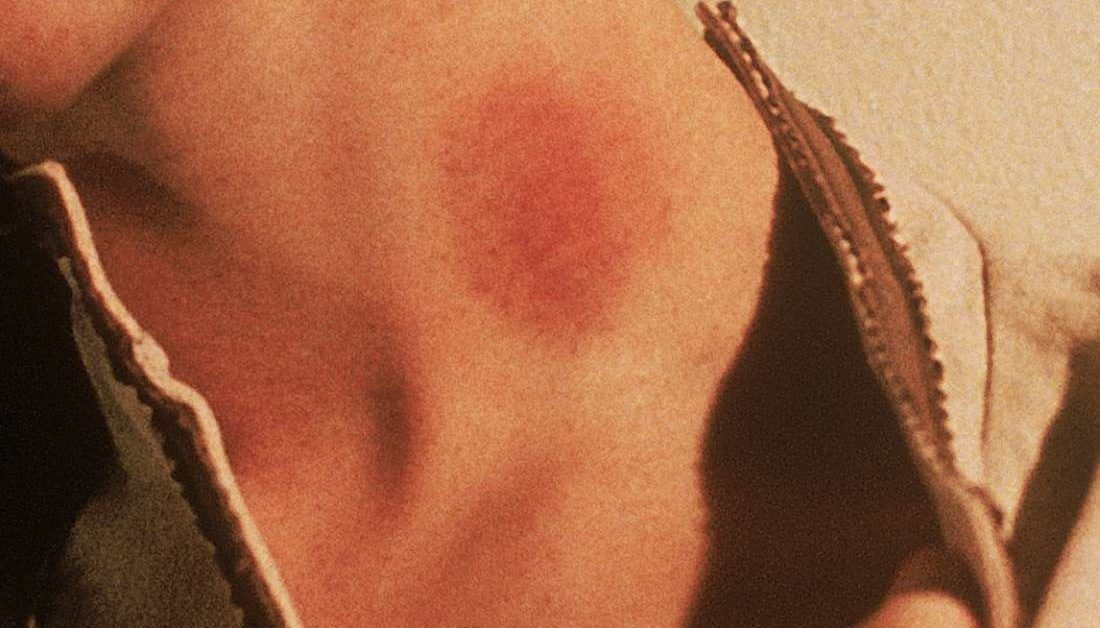
A hickey is a type of superficial bruise. Pressure on the skin can break tiny blood vessels called capillaries. A small amount of blood then collects beneath the skin, creating a red, purple, brown, blue, or black mark depending on your skin tone and the age of the bruise.
As your body clears the trapped blood, the mark may change color. It can look darker before it looks better, which is rude but normal. A fresh hickey may be reddish or purplish. A few days later, it may shift toward blue, green, yellow, brown, or a lighter version of the original color. This color parade is part of healing, not a sign that your neck has joined a modern-art movement.
Most hickeys fade in roughly one to two weeks. Some disappear sooner, while larger or darker bruises can linger longer. Age, skin tone, medications, circulation, and how easily you bruise can all affect the timeline.
The Honest Answer: Time Is the Main Treatment
Before getting into home remedies, it helps to set realistic expectations. No cream, spoon, coin, toothpaste, massage tool, or kitchen utensil can instantly remove blood already trapped under the skin. The body has to break it down and reabsorb it.
That does not mean you are powerless. Gentle care may reduce discomfort and help avoid extra irritation. Think of it as supporting your skin instead of trying to bully it into healing faster.
Best Home Remedies for a Hickey
1. Use a Cold Compress for a Brand-New, Tender Hickey
If the hickey is fresh and sore, a cold compress may help calm tenderness and minor swelling. Wrap an ice pack, a chilled gel pack, or a bag of frozen peas in a clean cloth. Hold it lightly against the area for about 10 to 15 minutes at a time.
Never place ice directly on your skin. Direct ice can irritate or damage the skin, and turning one small bruise into a bruise plus an ice injury is not an upgrade.
Cold therapy is most useful during the first day or two, particularly if the area feels tender or puffy. It may improve comfort, but it should not be treated like a delete button for the mark itself.
2. Switch to a Warm Compress After the First Couple of Days
Once the hickey is no longer fresh and swollen, gentle warmth may feel soothing. Use a clean washcloth dampened with comfortably warm water, then place it over the area for 10 to 15 minutes. Repeat a few times throughout the day if it feels good.
Warmth can encourage circulation in the area and may help the skin feel less tight or tender. Keep the compress warm, not hot. Your skin should feel relaxed, not like it has been invited into a tiny sauna against its will.
A heating pad on the lowest setting can also work, but use a cloth barrier and avoid falling asleep with it on your skin. A warm washcloth is often the safer, simpler option.
3. Keep Your Skin Care Gentle
A hickey is not an open wound, so it does not require intense treatment. The best approach is to leave the skin alone as much as possible. Wash normally with a gentle cleanser, pat dry, and avoid scrubbing, exfoliating, or using strongly scented products on the spot.
If the area feels dry or mildly irritated, a basic fragrance-free moisturizer can make the skin more comfortable. Do not apply products that sting, burn, tingle aggressively, or promise to “detoxify” your neck in six minutes. Skin care should feel calm, not competitive.
4. Consider a Topical Arnica Product Carefully
Topical arnica is often marketed for bruising. Some small studies suggest it may help with bruising in certain situations, but research results are mixed, and it is not a guaranteed shortcut. If you decide to try an arnica gel or cream, choose a reputable product, follow the label instructions, and apply it only to intact skin.
Stop using it if you notice burning, itching, rash, or worsening redness. Do not use oral arnica or random “homeopathic bruise pills” as a substitute for medical advice. Products labeled natural are not automatically better, safer, or more effective.
5. Vitamin C and Vitamin K Creams May Be Worth a Modest Try
Some people use topical vitamin C or vitamin K creams for bruises. These ingredients may support skin health, and limited research suggests they could be helpful for some types of discoloration. Still, expectations should stay modest: they may support the process, but they will not erase a hickey before lunch.
If you try one, patch-test it on a small area first and avoid layering multiple active products on the same spot. A hickey does not need a twelve-step skincare routine with a loyalty program.
6. Get Enough Sleep, Food, and Water
There is no special “hickey diet,” despite what the internet might imply after midnight. Still, your body heals best when it has the basics: regular meals, adequate fluids, enough sleep, and nutrients that support normal skin and blood vessel health.
Eat a balanced diet with protein, fruits, vegetables, and foods that contain vitamin C, such as citrus fruit, berries, bell peppers, broccoli, and tomatoes. Do not start large doses of vitamins or supplements just to fade one bruise. More is not always better, especially when supplements can interact with medications.
7. Choose Acetaminophen for Pain, When Appropriate
If a hickey is painful, acetaminophen may be an option for many people who can take it safely. Follow the label directions and check with a health professional or pharmacist if you have liver disease, take other medications, or are unsure what is safe for you.
Be cautious with aspirin, ibuprofen, and naproxen if you are trying to minimize bruising, because these medicines can affect blood clotting in some people. Do not stop a medication that has been prescribed to you without speaking with the clinician who prescribed it.
Popular Hickey Hacks to Skip
The internet has proposed some truly determined methods for getting rid of hickeys. Many of them are more likely to irritate your skin or make the bruise look worse.
Do Not Scrape It With a Coin, Toothbrush, Fork, or Comb
Scraping does not pull trapped blood back into your blood vessels. It can create more irritation, more redness, tiny skin injuries, and possibly a larger mark. A toothbrush belongs on teeth. A fork belongs near pasta. Your neck deserves a quieter life.
Skip Toothpaste, Rubbing Alcohol, and Strong Essential Oils
Toothpaste can irritate sensitive skin, while rubbing alcohol may dry and inflame the area. Undiluted essential oils can also cause burns, rashes, or allergic reactions. A hickey is already a minor skin injury; adding an irritated rash on top of it is rarely anyone’s goal.
Avoid Aggressive Massage
Hard massage is often promoted as a way to “break up” a hickey. In reality, rubbing a fresh bruise can increase tenderness and irritation. If the area is no longer sore after a few days, a very light touch may feel relaxing, but do not press, knead, scrape, or treat your neck like bread dough.
Do Not Use Suction Devices
Trying to suction the skin again with a cup, vacuum gadget, or improvised device can worsen bruising. The original problem does not need a sequel.
How to Cover a Hickey While It Heals
Home remedies can support healing, but makeup can be useful when you simply want the area to be less noticeable. Apply makeup gently over clean, unbroken skin. Use a light hand and avoid rubbing repeatedly, especially if the hickey is tender.
Color-correcting makeup may help before concealer. Green-toned correctors can soften redness, while peach, orange, or yellow tones may help balance darker purple or blue discoloration depending on your skin tone. Add a thin layer of concealer that matches your skin, then blend softly around the edges.
If makeup makes the skin sting, itch, or feel hot, wash it off with a gentle cleanser. Clothing with a collar, a scarf, or a simple bandage can also be practical, but the goal should be comfort rather than squeezing or irritating the area.
When a Hickey Needs Medical Attention
Most hickeys are harmless bruises. Still, it is smart to contact a healthcare professional if the mark is unusually large, extremely painful, rapidly worsening, warm to the touch, increasingly swollen, or accompanied by drainage, fever, or streaks of redness.
You should also speak with a clinician if you begin bruising easily, get bruises without remembering an injury, notice frequent unexplained bruises, or recently started a medication that affects bleeding or blood clotting. People who take anticoagulants, antiplatelet drugs, or certain supplements may bruise more easily and should be especially cautious.
Seek urgent medical help for trouble breathing, trouble swallowing, severe neck swelling, fainting, sudden weakness, severe headache, speech changes, or changes in vision. Those symptoms are not typical of an ordinary hickey and should never be ignored.
Real-World Hickey Experiences: What Healing Usually Looks Like
The most common experience with a hickey is frustration followed by a slow realization that it is not actually getting worse; it is simply changing colors in a way that feels personally offensive. On day one, many people notice tenderness, redness, or a purple mark that looks more dramatic under bright bathroom lighting. It may feel tempting to start experimenting with every tip found online, especially when there is an important event the next day.
People often report that the most useful first step is not a complicated remedy but a pause. A wrapped cold compress can make a fresh mark feel less sore, and avoiding constant touching prevents extra redness. This sounds almost too simple, which is probably why the internet keeps trying to replace it with spoons, coins, and questionable kitchen chemistry.
By the second or third day, the mark may stop feeling tender but look darker or more colorful. That can feel discouraging, yet it is often a normal part of bruise healing. This is when a warm washcloth may feel more comfortable than cold. Some people find that a few minutes of warmth while getting ready in the morning helps the area feel less tight, even if the visible change is gradual.
A common mistake is checking the hickey every hour. The difference between 9:00 a.m. and 10:00 a.m. is usually invisible, but the difference between day two and day six can be noticeable. Taking one photo in the same lighting each morning can be more reassuring than repeatedly studying it in three mirrors like a detective examining evidence.
Another typical experience is discovering that makeup works better than aggressive home remedies. A small amount of color corrector and concealer can soften the appearance temporarily without irritating the skin. The key is to apply it gently. Pressing and scrubbing at the area tends to make it redder, which defeats the entire mission.
People with sensitive skin may find that arnica, vitamin creams, fragranced lotions, or essential oils cause more trouble than benefit. When that happens, the best move is to stop experimenting and return to plain, gentle skin care. A basic moisturizer, a warm compress after the first couple of days, and time are usually safer than layering five products with names that sound like a fantasy potion menu.
Many people also notice that sleep, hydration, and ordinary healthy routines matter more than expected. A late night, dehydration, stress, and constant rubbing do not make a hickey heal faster. Getting enough rest will not erase it instantly either, but it supports your body’s normal repair process without causing extra irritation.
The final stage is usually the least dramatic. The hickey fades into a lighter yellow, tan, brown, or faint purple shadow before disappearing. At that point, most people stop thinking about it entirely. The biggest lesson is simple: the fastest-looking recovery usually comes from doing less, not more. Treat the skin kindly, resist the urge to conduct a science experiment on your neck, and let your body finish the job.
Final Takeaway
The best home remedies for a hickey are gentle, practical, and slightly less exciting than social media would like them to be. Use a wrapped cold compress if the mark is fresh and tender, switch to gentle warmth after a couple of days, avoid scrubbing or harsh products, and consider topical arnica or vitamin creams only as optional extras with modest expectations.
The real cure is time. Most hickeys fade within one to two weeks, and trying too hard to remove one can create more irritation than improvement. Treat it like any other minor bruise: protect the skin, keep your routine simple, and leave the forks in the kitchen.

