
Body Care
How to Get Jheri Curls: 15 Steps
Jun
Jheri curls are back in the beauty conversation, and no, your sofa does not need to panic. The classic Jheri curl, also spelled Jerry curl or Jeri curl, became famous for its glossy, springy, “freshly moisturized and ready for a music video” finish. It was one of the signature Black hairstyles of the 1980s, worn by entertainers, athletes, and everyday style icons who understood the power of a curl with dramatic shine.
Today, the look is getting a modern upgrade. Instead of crunchy, dripping curls and activator stains on collars, the goal is soft definition, healthy moisture, and controlled shine. A traditional Jheri curl is a chemical texture service that softens tightly coiled hair, sets it on rods, and reforms the curl pattern. A modern Jheri curl look can also be created without permanent chemicals using leave-in conditioner, curl cream, gel, rods, twist-outs, or curl activator products on natural hair.
This guide explains how to get Jheri curls in 15 practical steps, with a strong emphasis on hair health. Because chemicals can cause dryness, breakage, scalp irritation, or burns when misused, the safest route for a true permanent Jheri curl is a licensed stylist. Your hair deserves a professional, not a bathroom science fair.
Note: This article is educational and not a substitute for professional cosmetology or medical advice. If your scalp is irritated, broken, sunburned, inflamed, or unusually sensitive, postpone chemical services and speak with a dermatologist or licensed stylist first.
What Are Jheri Curls?
A Jheri curl is a glossy, loose-to-medium curl style traditionally created with a two-part chemical process. First, the hair is softened or rearranged to loosen the natural curl pattern. Then the hair is wrapped around perm rods and neutralized so the new curl shape can set. The result is a rounded, defined curl pattern with a shiny, moisturized appearance.
The look became especially popular in the 1980s and early 1990s. It offered an alternative to fully straightened hair because it kept curl and movement while creating a more uniform pattern. The catch? Maintenance mattered. Classic Jheri curls needed regular moisture, curl activator, gentle cleansing, and root touch-ups as new growth appeared.
Traditional Jheri Curl vs. Modern Jheri Curl Look
Traditional Chemical Jheri Curl
The traditional version is a salon chemical service. It changes the structure of the hair and should be approached with the same seriousness as a relaxer, perm, or color correction. It can produce long-lasting curls, but it may also weaken hair if done too often, processed incorrectly, or layered over previously damaged strands.
Modern No-Chemical Jheri Curl Look
The modern version focuses on visual effect: shiny, hydrated, separated curls. You can create it with curl activator, leave-in conditioner, mousse, curl cream, gel, flexi rods, perm rods, finger coils, or twist-outs. It does not permanently change the hair. This option is better for people who want the vibe without committing their hair cuticle to a long-term relationship.
How to Get Jheri Curls: 15 Steps
Step 1: Decide Whether You Want a Chemical Curl or a Temporary Look
Before buying products, decide your goal. Do you want a true permanent Jheri curl that changes your texture for several months, or do you want a Jheri curl-inspired style for a week or two? If you want permanent results, book a professional consultation. If you want a temporary look, you can work with moisturizing curl products and styling rods at home.
Step 2: Check Your Hair’s Current Condition
Healthy hair handles styling better. Look for warning signs such as excessive shedding, breakage, split ends, thinning edges, scalp tenderness, flakes, sores, or dryness that feels like straw with ambition. If your hair is bleached, recently relaxed, heavily colored, or breaking, wait before doing any chemical curl service. A stylist may recommend deep conditioning, trims, or bond-building treatments before proceeding.
Step 3: Choose a Licensed Stylist for a Traditional Jheri Curl
A traditional Jheri curl involves strong chemical products, timing, rod placement, and neutralizing. A licensed stylist can evaluate porosity, density, curl pattern, previous treatments, and scalp condition. The stylist can also avoid overlapping chemicals onto already processed hair, which is one of the fastest ways to turn beautiful curls into a breakage documentary.
Step 4: Ask for a Strand Test and Scalp Check
A strand test shows how your hair reacts before your whole head is processed. It helps estimate timing, curl result, elasticity, and risk of damage. A scalp check is equally important. Chemical services should not be applied to irritated, scratched, inflamed, or broken skin. If you have burning, open sores, or a history of severe reactions, stop and get professional advice.
Step 5: Clarify Your Curl Goal With Photos
Bring reference photos. “Jheri curls” can mean different things: small juicy coils, loose glossy waves, short rounded curls, shoulder-length spirals, or a modern soft curl set. Photos help your stylist choose rod size and product strength. Smaller rods create tighter curls; larger rods create softer movement. Your hair length and density also influence the final shape.
Step 6: Start With Clean, Detangled Hair
Most curl services work best on clean, dry, lightly detangled hair. For temporary styling, cleanse your hair with a moisturizing shampoo or gentle cleanser. Avoid rough scrubbing through the lengths. Massage shampoo into the scalp, let the lather move down the hair, and follow with conditioner. Detangle from the ends upward using a wide-tooth comb or detangling brush.
Step 7: Protect the Skin and Hairline
For a chemical service, the stylist should protect the skin, neck, ears, and hairline. Towels, barrier creams, gloves, and careful sectioning matter. Chemical products should stay on the hair as directed and should not be left on longer for “extra results.” More time does not mean more beauty; sometimes it just means more damage with a side of regret.
Step 8: Soften or Rearrange the Hair
In a traditional Jheri curl, the first chemical step softens or loosens the natural curl pattern. This stage makes the hair flexible enough to take a new curl shape around rods. The timing must be controlled carefully. Hair that is underprocessed may not curl evenly; hair that is overprocessed can become weak, mushy, brittle, or prone to snapping.
Step 9: Wrap the Hair on Perm Rods
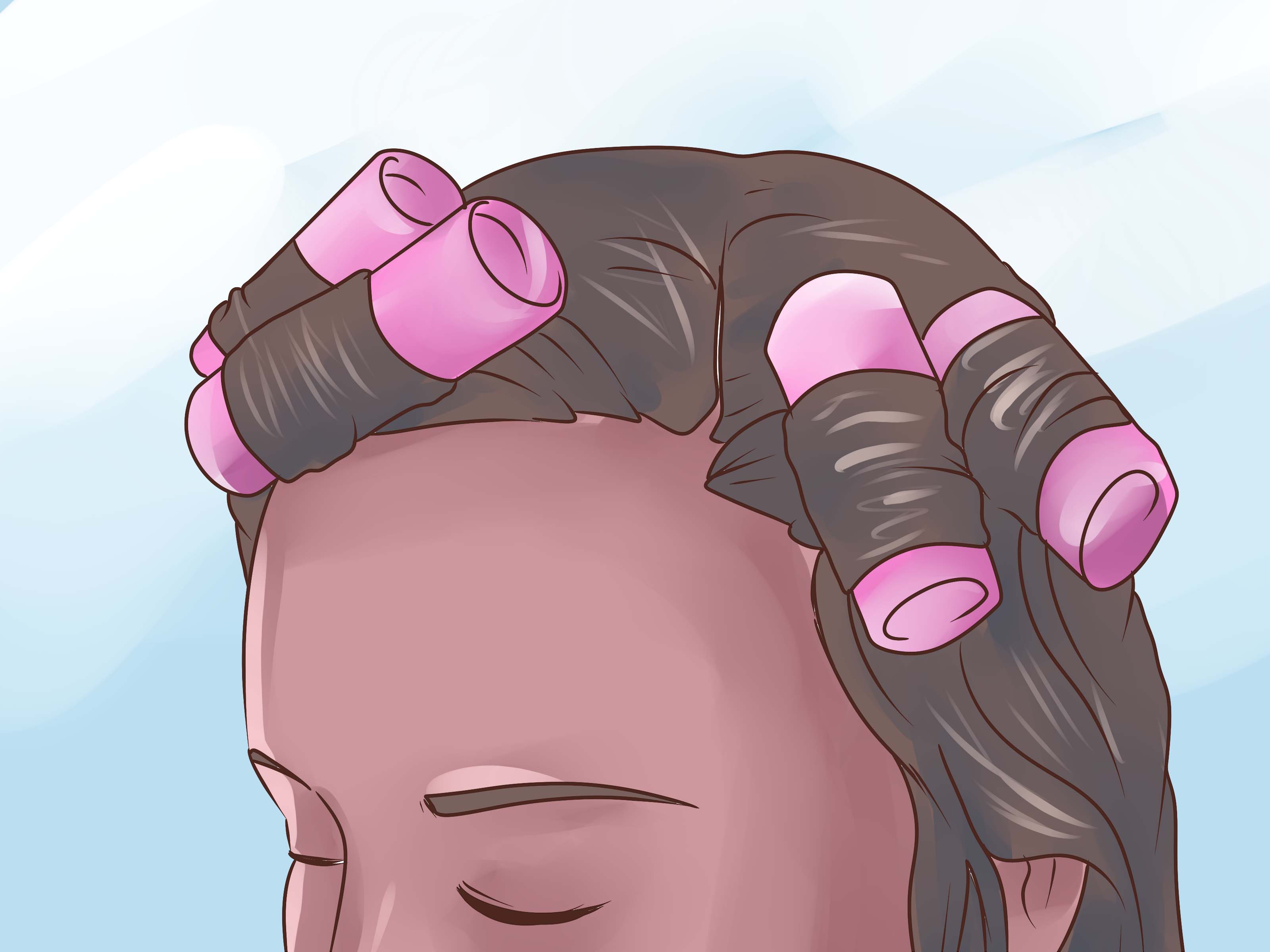
After the softening stage, the hair is wrapped around perm rods. Rod size, tension, and section size determine the final curl pattern. Sections should be neat but not painfully tight. Excessive tension can stress the scalp and hairline. For a temporary Jheri curl look, you can mimic this step at home with perm rods, flexi rods, or finger coils on damp, conditioned hair.
Step 10: Apply the Curl-Setting Solution or Styling Product
In a salon chemical service, a setting solution helps form the new curl pattern. In a no-chemical version, apply leave-in conditioner, curl cream, mousse, or a light gel before rolling or coiling. Work in sections so every strand gets product coverage. The goal is moisture plus definition, not product soup. If your hair feels sticky, heavy, or white with residue, you used too much.
Step 11: Neutralize or Let the Style Set
For traditional Jheri curls, neutralizer is a crucial step because it locks the curl shape into place. It must be applied and rinsed according to product directions. For temporary curls, let your rod set dry completely before removing rods. Air drying is gentle, but a hooded dryer on low or medium heat may help if you are short on time. Do not unravel damp curls unless you enjoy frizz with a personal grudge.
Step 12: Rinse and Condition Properly
After chemical processing, rinsing must be thorough. Any residue can irritate the scalp or continue affecting the hair. Conditioning is not optional. Chemically treated hair needs moisture, slip, and softness. For at-home temporary styling, use a rinse-out conditioner after cleansing and a leave-in conditioner before styling to improve manageability and reduce friction.
Step 13: Apply Curl Activator and Moisturizer
Curl activator is the product most associated with Jheri curls. It helps keep curls hydrated, shiny, and defined. Modern formulas vary, but many focus on humectants, conditioning agents, and curl-enhancing ingredients. Apply a small amount first, then add more only if needed. Your curls should glisten, not announce themselves on every chair you sit in.
Step 14: Dry, Shape, and Separate the Curls
Once curls are set, separate them gently with your fingers. Avoid aggressive brushing, which can disturb the pattern and cause puffiness or breakage. For short hair, use your fingertips to shape curls into place. For medium or long hair, lift at the roots for volume and let the curls fall naturally. A light oil or serum can add shine, but use it sparingly.
Step 15: Build a Maintenance Routine
Maintenance keeps Jheri curls looking intentional instead of accidental. Moisturize daily or every other day depending on your hair’s needs. Sleep with a satin bonnet, satin scarf, or satin pillowcase. Cleanse gently to remove buildup. Deep condition regularly. If you have a chemical Jheri curl, schedule touch-ups only for new growth and avoid overlapping chemicals onto previously processed hair.
Best Products for Jheri Curls
You do not need a bathroom cabinet that looks like a beauty supply store exploded. Start with a simple routine and adjust based on your hair.
For Traditional Jheri Curl Maintenance
- Curl activator spray or cream
- Moisturizing leave-in conditioner
- Gentle sulfate-free shampoo
- Hydrating rinse-out conditioner
- Weekly deep conditioner or hair mask
- Light oil for sealing ends, if your hair tolerates oil well
- Satin bonnet, scarf, or pillowcase
For a Chemical-Free Jheri Curl Look
- Leave-in conditioner
- Curl cream or curl activator
- Lightweight styling gel
- Foam mousse for soft hold
- Perm rods, flexi rods, or small rollers
- Spray bottle with water
- Wide-tooth comb
How to Maintain Jheri Curls Without the Greasy Mess
The old-school Jheri curl had a reputation for being juicy. Sometimes too juicy. The modern approach is more balanced. Apply activator in layers instead of flooding the hair. Focus on the ends and dry areas first. If your hair feels wet all day, attracts lint, or leaves marks on clothing, reduce the product amount.
Refresh curls in the morning with a mist of water and a small amount of leave-in conditioner or activator. Scrunch gently and let the hair dry. At night, cover your curls with satin. Cotton pillowcases absorb moisture and create friction, which can lead to frizz, tangles, and breakage.
How Often Should You Wash Jheri Curls?
Wash frequency depends on your scalp, lifestyle, and product use. Some people cleanse once a week; others need every five to seven days. If your scalp itches, your curls look dull, or your hair feels coated, it is time to wash. Use a gentle shampoo and avoid rough towel drying. Blot with a microfiber towel or cotton T-shirt, then apply conditioner and styling products while the hair is damp.
Common Mistakes to Avoid
Using Too Much Activator
Activator should revive curls, not waterproof your shoulders. Start small. You can always add more.
Skipping Conditioner
Chemically treated hair needs consistent conditioning. Skipping conditioner can make curls dry, frizzy, and fragile.
Overlapping Chemical Touch-Ups
Touch-ups should be applied only to new growth. Reprocessing already treated hair increases the risk of breakage.
Ignoring Scalp Pain or Burning
Burning is not a beauty milestone. If a product causes intense stinging, pain, swelling, or irritation, rinse immediately and seek professional help if symptoms continue.
Using High Heat Too Often
Heat can dry out curls and weaken processed hair. If you use a dryer, keep the temperature moderate and use heat protection when appropriate.
Can You Get Jheri Curls on Natural Hair Without Chemicals?
Yes, you can create a Jheri curl-inspired look on natural hair without permanently changing your texture. The key is hydration, curl clumping, and shine. Start with clean, conditioned hair. Apply leave-in conditioner, then curl cream or activator, then a small amount of gel for hold. Use finger coils, two-strand twists, perm rods, or flexi rods. Let the hair dry completely, separate gently, and finish with a light shine product.
This method is ideal if you like variety. You can wear juicy curls this week, a twist-out next week, and a puff when your schedule becomes emotionally unavailable.
Who Should Avoid a Chemical Jheri Curl?
A chemical Jheri curl may not be the best choice if your hair is severely damaged, recently bleached, actively shedding, thinning, or breaking. You should also avoid chemical services if your scalp has sores, cuts, psoriasis flare-ups, severe dandruff, sunburn, or unexplained irritation. If you have a history of allergic reactions to hair chemicals, speak with a dermatologist before proceeding.
Children and teens should be especially cautious with chemical texture services. Gentler, temporary styling methods are often a better option because they avoid permanent structural changes to the hair.
How Long Do Jheri Curls Last?
A traditional Jheri curl can last several months, but the exact timeline depends on hair growth, care routine, and how tightly the curls were set. New growth will appear at the roots, so touch-ups may be needed. Many stylists recommend spacing chemical services apart and treating only new growth to reduce damage.
A temporary Jheri curl-inspired rod set may last several days to two weeks, depending on hair texture, humidity, products, nighttime protection, and whether you work out. Sweat, rain, and steam can shorten the life of the style. Yes, your curls may have opinions about the weather.
Experience Section: What Getting Jheri Curls Is Really Like
The first thing many people notice about getting Jheri curls is that the consultation matters more than expected. A good stylist will not simply ask, “How curly?” and start mixing products. They will touch the hair, check elasticity, ask about color history, look at the scalp, and talk through the desired curl size. This is the moment when honesty saves hair. If you colored your hair three weeks ago, say so. If you relaxed it last month, say so. Hair history is not the place for mystery.
The salon process can feel slow because the stylist is working in stages. There is sectioning, product application, timing, rinsing, rod wrapping, neutralizing, more rinsing, conditioning, and styling. The rods may feel snug, but they should not feel painfully tight. If something burns or feels wrong, speak up immediately. A professional would rather adjust the process than deal with damaged hair later.
After the curls are finished, the mirror moment can be dramatic. Hair that once had a tighter or less uniform pattern may suddenly look rounded, shiny, and springy. The curls may frame the face differently, so even your eyebrows may seem surprised. This is also when the stylist should explain maintenance: how much activator to use, how often to moisturize, when to wash, when to return, and what products to avoid.
The first week is usually the learning week. Use too little moisturizer and the curls may feel dry. Use too much activator and you may leave a tiny autograph on your shirt collar. The sweet spot is usually a light mist of water, a modest amount of activator, and gentle finger shaping. Curls should move and shine without feeling sticky or heavy.
Sleeping is another adjustment. Satin becomes your best friend. A satin bonnet, scarf, or pillowcase helps preserve curl shape and moisture. Without protection, curls can flatten, frizz, or tangle overnight. In the morning, most curls can be revived with a little water and product. Do not attack them with a brush. Jheri curls prefer diplomacy.
Washing day also changes. The goal is to cleanse the scalp without stripping the hair. Use a gentle shampoo, rinse well, condition generously, and detangle with patience. A deep conditioner once a week or every other week can help maintain softness, especially if the hair is chemically processed. If curls start looking dull or feeling coated, clarify occasionally, but do not overdo it.
The biggest lesson from wearing Jheri curls is balance. The style is not difficult, but it is not maintenance-free. It rewards consistency. Moisture, gentle handling, clean scalp care, and professional touch-ups make the difference between glossy curls and tired curls. When cared for properly, Jheri curls can look stylish, nostalgic, modern, and full of personality. They are retro, but they do not have to look like they arrived with a cassette tape and a plastic couch cover.
Conclusion
Learning how to get Jheri curls starts with understanding the difference between a traditional chemical curl and a modern Jheri curl-inspired look. The classic version requires professional chemical processing, careful timing, neutralizing, and ongoing moisture. The modern version can be achieved with curl activator, leave-in conditioner, curl cream, gel, and rod sets without permanently changing your hair.
The best Jheri curls are soft, shiny, defined, and healthy-looking. They should not come with scalp pain, breakage, or enough grease to season a skillet. Choose a licensed stylist for chemical services, protect your scalp, condition regularly, and keep your maintenance routine simple. With the right approach, Jheri curls can deliver vintage charm, modern polish, and curls that bounce like they have somewhere fabulous to be.

