
Hair Care
How to Find Marriage Records: 6 Steps
Jul
Looking for marriage records can feel like detective work, except the suspect is paperwork and the crime scene is usually a county clerk’s website designed sometime around the era of dial-up internet. Still, whether you need proof of marriage for legal purposes, genealogy research, immigration paperwork, name-change documentation, or pure family curiosity, the process becomes much easier once you know where marriage records live and what kind of record you actually need.
In the United States, marriage records are not stored in one giant national database. There is no magical federal vault where every marriage certificate sits alphabetized next to a cup of coffee and a helpful librarian. Instead, marriage records are usually maintained by the state, county, city, town, court, or clerk’s office where the marriage license was issued or where the marriage was recorded. That means the golden rule is simple: start with the place, then narrow by date.
This guide explains how to find marriage records in six practical steps, including how to search online indexes, contact the correct government office, request certified copies, use genealogy databases, and handle tricky situations like missing records, name variations, confidential marriages, and older church or newspaper records.
What Are Marriage Records?
Marriage records are official or historical documents that show a marriage event took place. Depending on the time period and location, a marriage record may include the names of the spouses, date of marriage, location, officiant, license number, ages, residences, birthplaces, occupations, parents’ names, witnesses, and sometimes previous marital status. Modern records may be more restricted, while older records may be public, digitized, or available through archives.
It is important to understand that the phrase “marriage record” can refer to several different documents. A marriage license is usually the document that authorizes a couple to marry. A marriage certificate is the proof that the marriage was performed and recorded. A marriage register may be a ledger or index kept by a clerk, church, or local authority. For genealogy, even a newspaper wedding announcement or church entry can become a useful clue, although it may not replace an official certificate for legal purposes.
Think of it this way: the license says, “You may get married.” The certificate says, “You did get married.” The index says, “Something exists somewhere; good luck, brave researcher.” All three can be useful, but they are not always interchangeable.
How to Find Marriage Records: 6 Steps
Step 1: Gather the Basic Details Before You Search
Before opening ten browser tabs and questioning your life choices, collect every clue you already have. Marriage records are much easier to find when you know at least one spouse’s full name, an approximate date, and the place where the marriage likely occurred. Even partial information can help, especially when combined with census records, obituaries, family Bibles, military files, immigration records, or old photographs with handwritten notes.
Start with these details:
- Full names of both spouses, including maiden names if known
- Approximate marriage date or year range
- City, town, county, or state where the marriage may have happened
- Religious denomination or church, if relevant
- Names of parents, witnesses, or relatives
- Possible alternate spellings, nicknames, initials, or previous surnames
Do not panic if you do not know the exact date. Many successful searches begin with a range, such as “between 1910 and 1915” or “after the 1930 census but before the first child was born.” Genealogy is often less like solving a math equation and more like assembling furniture with three missing screws and instructions written by a raccoon.
If you are looking for your own marriage certificate, the key detail is usually the location where the license was issued, not necessarily where the wedding reception took place. A couple may have celebrated in one city but filed the legal record in another county. The clerk’s office cares about paperwork, not where the cake was cut.
Step 2: Identify the Correct State, County, City, or Clerk’s Office
Marriage records in the U.S. are generally handled at the state or local level. If the marriage happened recently, the best starting point is usually the vital records office in the state where the marriage occurred, the county clerk, county recorder, probate court, city clerk, or town clerk. The exact office depends on the state.
For example, Florida’s state health department provides marriage certificates for Florida marriages from June 6, 1927, to the present after they have been recorded by the clerk of court. Texas, however, generally issues marriage verification letters at the state level, while certified copies are usually obtained from the county clerk where the license was issued. California distinguishes between public marriage records and confidential marriage records, and confidential copies are typically requested from the county clerk in the county where the confidential license was issued.
New York is another excellent reminder that geography matters. New York State holds many marriage records outside New York City, but marriages in the five boroughs often involve New York City offices instead. Massachusetts records may be available through the state Registry of Vital Records and Statistics for more recent years, while older records may involve archives or city and town clerks.
In plain English: do not assume one state works like another. Vital records are local creatures. They wear different hats, charge different fees, and sometimes hide behind different department names.
Step 3: Search Online Marriage Record Indexes First
Online indexes can save time, especially for older or genealogical marriage records. A marriage index may not give you the full certificate, but it can provide the names, date, county, license number, certificate number, or volume and page number you need to order the official record.
Useful online sources include state archives, county clerk databases, historical vital records portals, FamilySearch, Ancestry, local library databases, and digitized newspaper collections. FamilySearch offers many free historical record collections, while some subscription sites may provide searchable indexes, scanned images, or links to original records. Public libraries sometimes provide free access to genealogy databases, so check your local library before paying for a subscription. Your wallet may thank you with a tiny parade.
When searching online, try several variations:
- Search by each spouse separately
- Use maiden names and married names
- Try nicknames, initials, and common misspellings
- Search by county instead of only by state
- Expand the date range by several years
- Look for nearby counties, especially border counties or “Gretna Green” locations where couples often married quickly
Remember that indexed records can contain transcription errors. A handwritten “Morrison” may become “Marrison,” “Anderson” may become “Andersen,” and “Elizabeth” may appear as Lizzie, Eliza, Bettie, or something that looks like it was written during a wagon chase. If you cannot find a record, loosen your search rather than assuming the marriage never happened.
Step 4: Request a Certified Copy If You Need Legal Proof
If you need a marriage record for legal purposes, such as immigration, Social Security, insurance, inheritance, pension benefits, passport corrections, name changes, or divorce documentation, you will usually need a certified copy rather than a simple online image or index result. A certified copy is issued by the official records office and typically includes certification language, a seal, stamp, signature, or other authentication.
To request a certified marriage certificate, go to the official state, county, city, or town records office website. Look for instructions on eligibility, identification, fees, payment methods, processing times, and whether requests are accepted online, by mail, in person, or through an approved third-party ordering service.
Most offices ask for information such as:
- Names of both spouses before marriage
- Date of marriage or approximate date
- County, city, or town where the license was issued
- Purpose of the request
- Your relationship to the people named on the record
- Government-issued identification, if required
- Applicant signature and payment
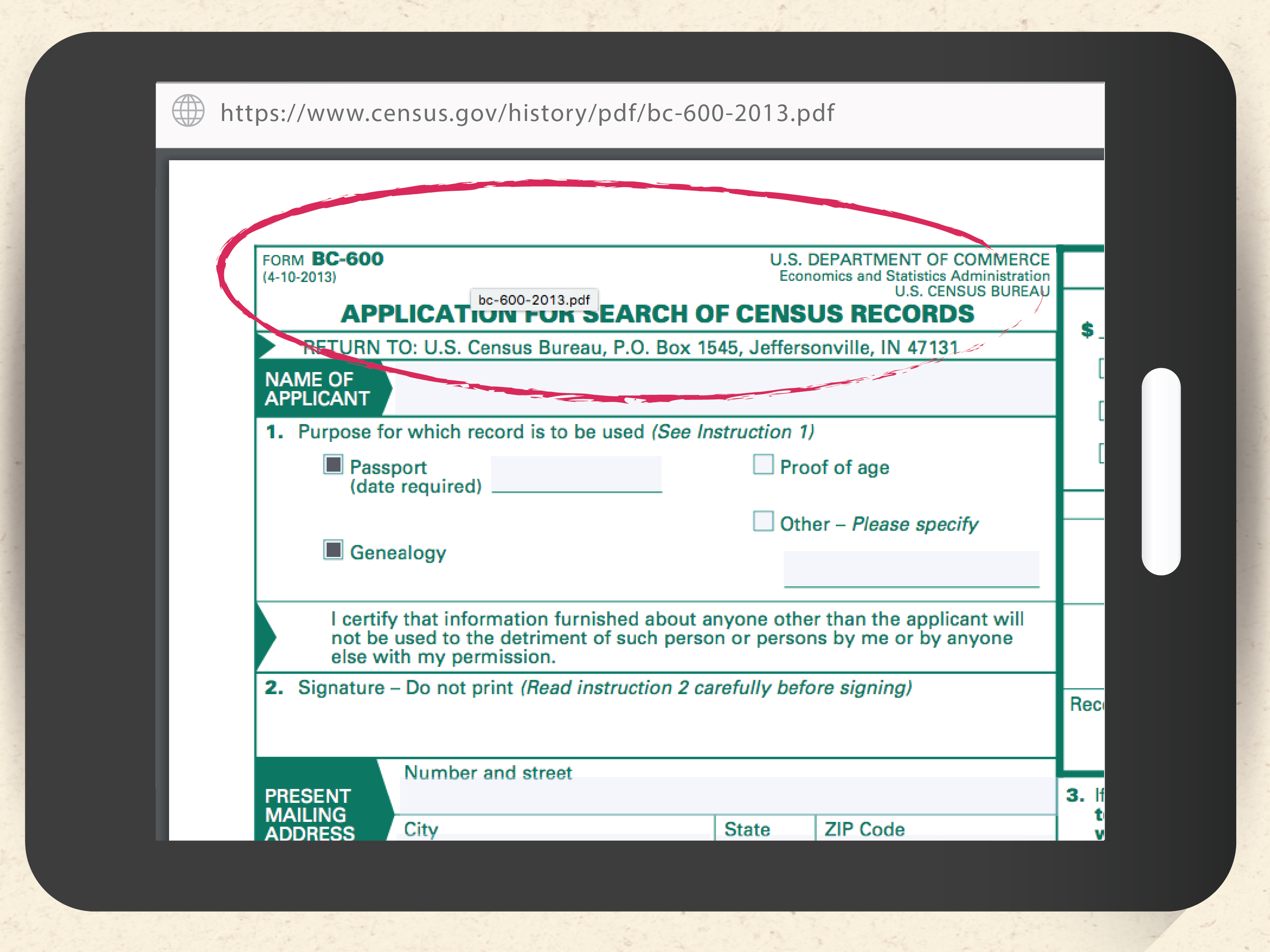
For mail requests, read the instructions carefully. Some offices require notarized forms, photocopies of identification, self-addressed envelopes, or exact payment by check or money order. If a form says “do not staple,” resist the urge to show off your stapler. Government forms are not known for appreciating creativity.
Also pay attention to the type of copy. Some jurisdictions offer short-form and long-form certificates. If the document will be used internationally, for immigration, or for an apostille, you may need a long-form certified copy with more complete details. When in doubt, contact the office or agency requesting the document and ask what version they require.
Step 5: Use Archives, Churches, Newspapers, and Libraries for Older Records
If the marriage happened before statewide vital registration began, the official state vital records office may not have the record. That does not mean the record is gone. It may be waiting in a county courthouse, church register, town clerk ledger, state archive, historical society, local library, newspaper notice, probate file, pension application, land record, or family collection.
Historical marriage records often lived close to the community. County clerks, probate courts, churches, synagogues, ministers, justices of the peace, and town clerks frequently created or preserved marriage-related documents. In some areas, marriage bonds, banns, consent forms, and minister returns may exist. These older record types can reveal family relationships and social context that a modern certificate may not show.
Newspapers are especially useful. Search for wedding announcements, engagement notices, anniversary stories, society columns, and obituaries. An obituary might say, “She married John Miller in Springfield in 1942,” which gives you the exact location and date range needed to find the official record. Anniversary articles can be even better, especially those charming golden-anniversary pieces where relatives accidentally solve your genealogy problem while posing next to a cake.
Local libraries and historical societies are underrated heroes in marriage records research. Many maintain microfilm, county histories, cemetery files, church books, family folders, and clipping collections. If you are stuck, write a short, polite email with the names, dates, location, and what you have already checked. Librarians are not magicians, but some are close enough that we should probably not test them.
Step 6: Verify the Record and Save Your Research Trail
Once you find a marriage record, verify that it belongs to the right couple. Do not rely on names alone, especially with common surnames. Compare ages, residences, parents’ names, witnesses, occupations, religion, and later records. If your ancestor is named John Smith, congratulations: you are now playing genealogy on expert mode.
Look at the original image whenever possible, not just the index. Indexes are helpful, but they are summaries created by humans or machines, and both are capable of making spectacular mistakes. The original record may include extra details that did not make it into the index, such as witnesses, officiant, exact residence, prior marriage status, or parental consent.
Keep a research log with:
- Where you searched
- Date of search
- Search terms used
- Results found
- Records ordered
- Offices contacted
- Certificate numbers, volume numbers, page numbers, or license numbers
A research log may feel unnecessary until you realize you have searched the same database four times at midnight while whispering, “Maybe today it will love me.” Save yourself the loop. Record what you checked, even when the answer was “no record found.”
Common Problems When Finding Marriage Records
You Do Not Know the Marriage Location
Start with the couple’s known residences before and after marriage. Check census records, city directories, birth records of children, military records, obituaries, and newspaper announcements. Couples often married in the bride’s hometown, a nearby county, a minister’s location, or a county known for quicker marriage procedures.
The Record Is Not Online
Not every marriage record has been digitized. Some records are still on paper, microfilm, or restricted databases. Contact the local clerk, state archive, or historical society. Online absence is not historical absence.
The Name Is Spelled Differently
Try phonetic spellings, shortened names, initials, middle names, and maiden names. Search with only one spouse and a date range. For older records, spelling was often flexible, especially when clerks wrote what they heard.
The Marriage Was Confidential or Restricted
Some jurisdictions restrict access to certain marriage records. California confidential marriage records are a common example. Access may be limited to the spouses, authorized representatives, or people with a court order. Always read eligibility rules before ordering.
The Office Says “No Record Found”
A no-record response does not always mean the marriage did not happen. The license may have been issued in another county, the record may be under a variant spelling, the certificate may never have been returned by the officiant, or the record may be held by a different office. Use the response as a clue, not a brick wall.
Marriage License vs. Marriage Certificate: What Is the Difference?
A marriage license is permission to marry. It is usually issued before the ceremony and may expire if not used within a certain period. A marriage certificate proves the marriage took place and was recorded after the ceremony. For most legal needs, people are asked for a certified marriage certificate, not merely the license application.
For historical research, however, the license application can be gold. It may include ages, addresses, occupations, birthplaces, parents’ names, and previous marital status. The certificate may only prove the event, while the application may tell a richer story. If you are researching ancestors, ask whether the office has the application, license, certificate, register entry, or complete marriage packet.
Best Places to Search for Marriage Records
The best place to search depends on the date, location, and purpose of your request. For modern legal copies, start with official government offices. For older genealogy records, combine official sources with archives, libraries, and historical databases.
- State vital records offices: Good for certified copies and statewide indexes, depending on state rules.
- County clerks or recorders: Often the best source for certified marriage certificates and original licenses.
- City or town clerks: Especially important in New England and certain older jurisdictions.
- State archives: Useful for historical records, older certificates, and microfilm collections.
- FamilySearch: Helpful for free genealogy indexes and digitized historical collections.
- Ancestry and library genealogy databases: Useful for broad searches, images, and indexed collections.
- Newspapers: Excellent for announcements, engagement notices, and anniversary stories.
- Churches and religious archives: Valuable when civil records are missing or predate government registration.
Practical Example: Finding a Marriage Record
Suppose you are searching for the marriage record of “Mary Johnson” and “Robert Allen,” believed to have married around 1948 in Ohio. Start by collecting clues from census records, obituaries, and family documents. If their first child was born in 1950 in Cleveland, you might search Cuyahoga County marriage records first. Then try statewide indexes, FamilySearch, newspaper archives, and local library resources.
If an online index shows “Robert L. Allen married Mary E. Johnston, Cuyahoga County, 1947, license number 12345,” do not stop there. The spelling difference may be a transcription issue or a real clue. Use the license number to request the official certificate or application from the correct county office. When the copy arrives, compare names, ages, parents, and residences to confirm it is the right couple.
Tips to Make Your Search Faster
- Start with the most specific location you know.
- Search counties near state borders.
- Use both spouses’ names, but also search one name at a time.
- Check whether the marriage record is held by a state office, county clerk, city clerk, court, or archive.
- Order the long-form certified copy if you need the record for immigration, foreign use, or apostille purposes.
- Do not rely only on commercial websites for modern records.
- Save screenshots, citation details, certificate numbers, and correspondence.
Experience-Based Notes: What Searching for Marriage Records Teaches You
The first lesson in finding marriage records is patience. Not dramatic, movie-trailer patience. More like “I have clicked through three county websites and one of them still uses a clip-art dove” patience. Marriage records research can be straightforward when you know the exact county and date, but it can become surprisingly twisty when the couple moved often, used nicknames, married across a county line, or left behind only family rumors.
One common experience is discovering that the family story was almost right. Maybe Grandma said her parents married in Chicago, but the record is actually in suburban Cook County. Maybe a couple lived in New York City but married in New Jersey. Maybe the wedding announcement appeared in the bride’s hometown newspaper, while the legal record was filed where the license was issued. Family memories are valuable, but they often need a map and a cup of coffee.
Another useful lesson is that indexes are clues, not final answers. An online search result may give you a date and names, but the original record may reveal far more. In many cases, the full marriage application includes parents’ names, birthplaces, occupations, addresses, or witnesses. Those witnesses may turn out to be siblings, cousins, neighbors, or in-laws. Suddenly, one marriage record becomes a doorway into an entire family network. It is basically genealogy’s version of pulling one thread and watching the whole sweater explain itself.
You also learn that government offices vary widely. Some counties offer smooth online ordering. Others require mail, notarization, exact fees, or in-person appointments. Some respond quickly; others move at the speed of a sleepy turtle with paperwork anxiety. The best approach is to read the official instructions twice before ordering. Make sure you know whether you are requesting a certified certificate, an informational copy, a license application, a verification letter, or an archival copy.
For older records, experience teaches flexibility. If a civil marriage record is missing, check church registers, newspapers, probate files, pension records, and local histories. A church record may identify the officiant. A newspaper notice may confirm the date. A death certificate may list a spouse. A child’s birth record may reveal the mother’s maiden name. Each clue may look small, but together they build a reliable trail.
Finally, the most practical habit is documentation. Keep a simple research log. Write down where you searched, what you found, what you did not find, and what you ordered. This prevents duplicate work and helps you explain your process later. Marriage records are not just documents; they are anchors. They connect names, dates, places, and families. Find the right one, and a blurry family story suddenly comes into focus.
Conclusion
Finding marriage records is easier when you follow a clear process: gather names and dates, identify the correct location, search online indexes, contact the right records office, request a certified copy when needed, and verify everything against original documents. The biggest mistake is assuming marriage records are stored in one place. They are not. They live in state offices, county clerk files, city archives, church books, newspapers, libraries, and historical databases.
Whether you are replacing your own certificate or tracing a great-grandparent’s wedding, the secret is to work from the known to the unknown. Start with location, expand the date range, search name variations, and keep careful notes. A marriage record may look like a small piece of paper, but it can solve legal problems, unlock family history, and confirm stories that have been floating around the dinner table for decades.

