
Makeup
How to Cure H. Pylori: Can Natural Remedies Help?
Jun
Note: This article is for informational purposes only and is not a substitute for medical care. If you think you have H. pylori, the smartest move is to get properly tested rather than trying to outsmart a stomach bacterium with pantry items alone.
If you have been Googling how to cure H. pylori naturally, you are definitely not alone. The idea is appealing: skip the complicated medication schedule, sip something herbal, eat a magical superfood, and send the bacteria packing. It is a lovely dream. Unfortunately, H. pylori did not get the memo.
Helicobacter pylori, commonly called H. pylori, is a stubborn bacterium that can live in the stomach lining for years. In some people it causes no obvious symptoms. In others, it contributes to gastritis, peptic ulcers, burning stomach pain, bloating, nausea, bad breath, or that annoying “my stomach hates me and won’t explain why” feeling. Left untreated in the right circumstances, it can also raise the risk of serious complications, including bleeding ulcers and even stomach cancer.
So, can natural remedies help? Yes, sometimes. Can they reliably cure H. pylori on their own? That is where the answer gets much less cozy. Current evidence suggests that some natural approaches may support the stomach, reduce inflammation, or make standard treatment easier to tolerate. But the best-proven way to eradicate H. pylori is still medical treatment prescribed by a healthcare professional.
Here is what actually works, what might help on the side, and where natural remedies fit into the real-world picture.
What Is H. Pylori, and Why Does It Matter?
H. pylori is one of the most common chronic bacterial infections in the world. It spreads through close contact and may also be linked to contaminated food or water in some cases. Once it settles into the stomach, it can trigger long-term inflammation. Some people never know it is there. Others end up with recurring indigestion, ulcer symptoms, or unexplained upper abdominal discomfort.
Doctors take this infection seriously for a reason. H. pylori is strongly linked to peptic ulcer disease, and long-term infection is also associated with gastric cancer and gastric MALT lymphoma. That does not mean every person with H. pylori will develop cancer. Not even close. But it does mean the infection is more than a minor tummy tantrum.
Common symptoms may include:
- Burning or gnawing pain in the upper abdomen
- Bloating or belching
- Nausea
- Feeling full sooner than usual
- Discomfort when the stomach is empty or at night
Red-flag symptoms need prompt medical attention, especially black stools, vomiting blood, vomit that looks like coffee grounds, dizziness, fainting, or sudden severe abdominal pain. That is not the time for ginger tea and optimism.
How Do You Actually Cure H. Pylori?
The short answer is this: most people need prescription eradication therapy.
Modern treatment usually combines:
- Two or more antibiotics to kill the bacteria
- An acid-suppressing medication such as a proton pump inhibitor, often called a PPI
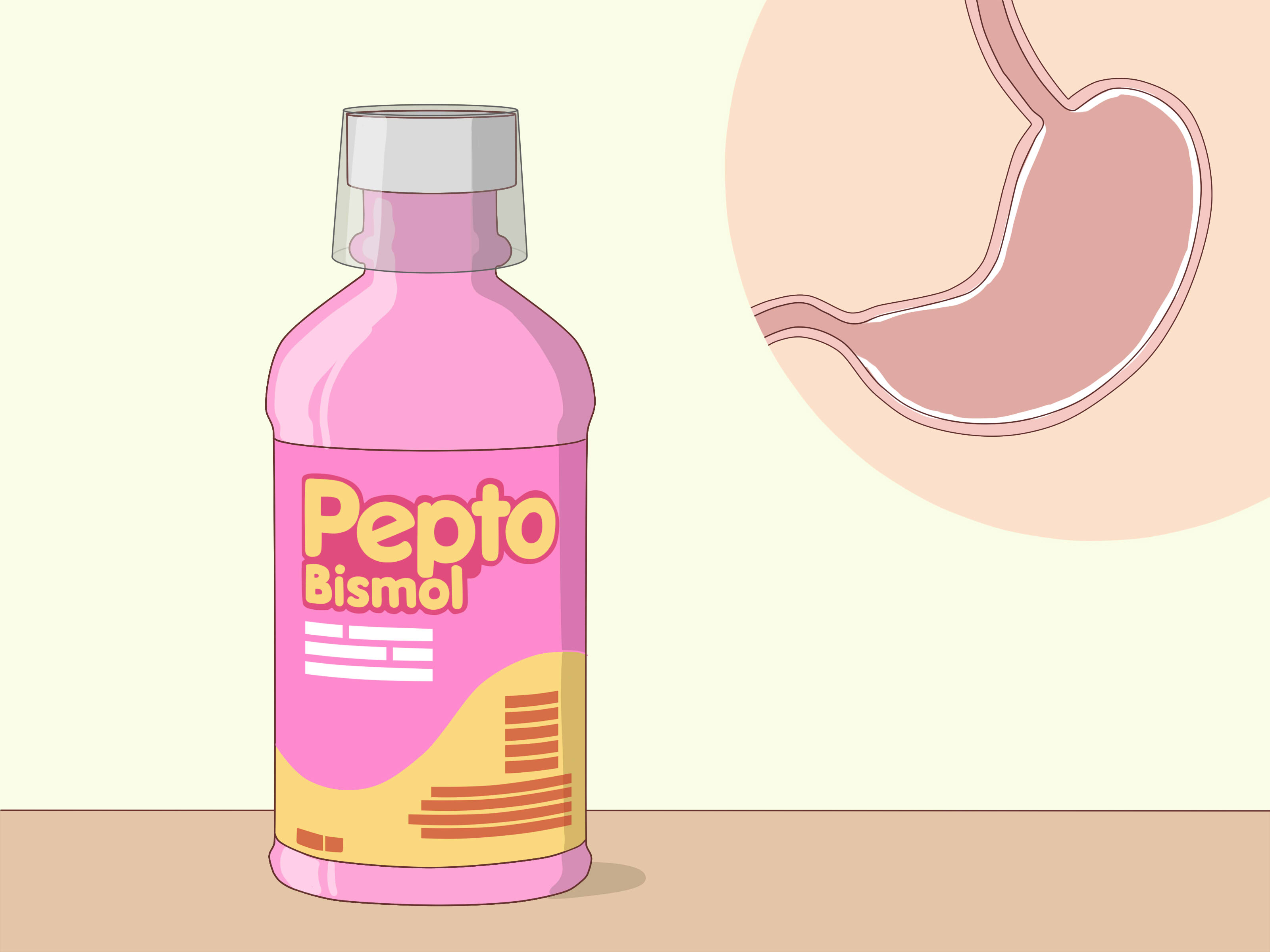
- Sometimes bismuth, which can help protect the stomach lining and support treatment
In the United States, updated gastroenterology guidance has moved away from casually using older clarithromycin-based triple therapy for everyone. Why? Antibiotic resistance has made that approach less reliable in many cases. Current recommendations often favor a 14-day bismuth-based quadruple regimen or other tailored combinations depending on allergy history, prior antibiotic exposure, medication tolerance, and local resistance patterns.
Translation: H. pylori is not a “one tea fits all” problem. Your treatment should fit your medical history, not your group chat.
And yes, finishing treatment matters. A lot. This infection is famous for sticking around when people stop early because the medication schedule is annoying or the side effects are unpleasant. Incomplete treatment can lead to treatment failure and may contribute to antibiotic resistance. So if your doctor prescribes a 10- to 14-day regimen, the finish line is not “when I feel better.” The finish line is the last dose.
Can Natural Remedies Cure H. Pylori?
This is the part everyone wants to know. The honest answer is: natural remedies may help, but they are not the most reliable stand-alone cure.
Researchers have studied probiotics, broccoli sprouts, cranberry, honey, garlic, green tea, mastic gum, and other food-based or supplement-based approaches. Some of these show promise. A few may reduce bacterial activity. Some may help lower inflammation or make antibiotic treatment easier to tolerate. But promising is not the same thing as proven eradication.
If your goal is to actually eliminate the infection, medical therapy remains the strongest evidence-based option.
1. Probiotics: The Most Helpful “Natural” Sidekick
If natural remedies had an employee of the month board for H. pylori, probiotics would probably get the plaque.
Probiotics are live microorganisms found in supplements and some fermented foods. Research suggests they may help in two important ways:
- They may slightly improve eradication rates when used alongside standard treatment
- They may reduce treatment side effects such as diarrhea, nausea, and GI upset
That matters because H. pylori treatment can be rough on the digestive system. If probiotics help people stick with therapy, that is not a small win. It is a useful one.
Still, probiotics are not magic bullets. They are better viewed as support staff, not the lead surgeon. Evidence also varies by strain, dose, and product quality. One probiotic is not automatically equivalent to another just because the label says “gut health” in cheerful colors.
2. Broccoli Sprouts: Interesting, but Not a Guaranteed Cure
Broccoli sprouts get a lot of attention because they contain sulforaphane, a compound studied for antibacterial and anti-inflammatory effects. Some early human research found that broccoli sprouts might temporarily reduce H. pylori activity or help some people test negative for a period of time.
That sounds exciting until you read the fine print: results have been mixed, sample sizes have often been small, and broccoli sprouts have not proven themselves as a dependable stand-alone eradication therapy.
In plain English, adding broccoli sprouts to your diet is fine if you enjoy them and your stomach tolerates them. But relying on them alone to clear a confirmed infection is a gamble, not a strategy.
3. Mastic Gum: Old-School Remedy, Modern Mixed Results
Mastic gum has a loyal fan base online, and lab studies suggest it may have antibacterial activity against H. pylori. A small clinical study found some effect, but standard antibiotic therapy still performed better overall.
That puts mastic gum in the “interesting but not definitive” category. It may have some biological activity. It may help some people feel better. But it is not strong enough to replace proven treatment when the goal is actual eradication.
4. Cranberry, Honey, Garlic, and Green Tea: Better as Support Than Cure
These are the natural stars that show up repeatedly in articles and wellness forums, usually with a lot of confidence and not always with a lot of nuance.
Here is the nuance:
- Cranberry may help suppress bacterial activity in some settings, but suppression is not the same as permanent eradication.
- Honey has antimicrobial properties in lab research, but strong human evidence for curing H. pylori is not there.
- Garlic and green tea have shown interesting effects in preclinical studies, but real-world human evidence is still not strong enough to call them cures.
These foods may still have value as part of a balanced, stomach-friendly diet. They just should not be sold as replacements for antibiotics when someone has confirmed H. pylori.
What About Diet? Can Food Fix It?
This is another place where the internet gets a little dramatic. There is no special “H. pylori cure diet” that has been proven to reliably eradicate the infection. Doctors do not generally recommend a strict ulcer diet as the cure itself.
That said, food still matters because symptoms matter. During an active infection or while healing from gastritis or an ulcer, many people feel better when they avoid foods that personally trigger pain, reflux, or irritation.
Practical eating tips may include:
- Choosing smaller, gentler meals if large meals worsen discomfort
- Reducing alcohol if it irritates your stomach
- Limiting smoking, which can slow healing
- Watching spicy, acidic, fried, or highly processed foods if they make symptoms worse
- Staying hydrated and eating a generally balanced diet with fruits, vegetables, and fiber
In other words, food may not cure the infection, but it can absolutely influence how miserable or manageable the experience feels.
How Doctors Test for H. Pylori
If you suspect H. pylori, do not guess. Get tested. Common options include:
- Urea breath test
- Stool antigen test
- Endoscopy with biopsy, when needed
Blood antibody tests are less useful for many people because they may stay positive even after the infection is gone. That means they cannot always tell whether you have a current infection or a leftover immune memory from the past. It is like checking whether a house was ever on fire instead of whether it is on fire right now.
Why the “Test of Cure” Is a Big Deal
This part gets overlooked all the time, and it should not. After treatment, doctors often recommend a test of cure to confirm the infection is actually gone. Usually that means a breath test, stool antigen test, or sometimes biopsy-based testing at the right time.
Generally, follow-up testing is done at least four weeks after finishing antibiotics. Acid-suppressing drugs and bismuth can also affect results, so patients are often told to stop certain medications for a period before retesting. The exact timing should come from your clinician, because accuracy matters.
Why is this so important? Because feeling better does not always mean the bacteria are gone. Some people improve because acid is reduced, while the organism is still quietly renting space in the stomach.
When Natural Remedies Make the Most Sense
Natural remedies fit best into the plan in a few specific ways:
- As supportive tools while you are waiting for proper testing
- As comfort measures alongside prescribed treatment
- As ways to reduce side effects or symptom burden, especially probiotics in some patients
- As part of an overall healing routine that includes medication adherence, follow-up testing, and stomach-friendly habits
Natural remedies make the least sense when they are used as a substitute for medical care after a confirmed diagnosis, especially if you have ulcers, bleeding, anemia, weight loss, severe pain, or a family history of stomach cancer.
Who Should Be Especially Careful?
You should be extra cautious about self-treating if you:
- Have black stools or signs of bleeding
- Have vomiting, weight loss, or persistent severe pain
- Have a history of ulcers
- Need regular NSAIDs like ibuprofen or naproxen
- Have a strong family history of stomach cancer
- Previously failed H. pylori treatment
These are not “let me try a supplement for a few months and see” situations. These are “please call a healthcare professional” situations.
The Bottom Line: Can Natural Remedies Help?
Yes, natural remedies can help, but mostly as support, not as the main cure.
If you have confirmed H. pylori, the evidence-based path is still prescription eradication therapy plus follow-up testing. Probiotics may be the most practical natural add-on because they can help with tolerability and may slightly improve outcomes. Broccoli sprouts, mastic gum, cranberry, honey, garlic, and similar remedies are interesting and worth researching further, but they do not yet have the same level of proof as standard treatment.
So if you were hoping that one spoonful of a natural remedy would send H. pylori packing forever, that is probably not how this story ends. But if you want to use thoughtful natural support alongside real medical treatment, that is a much more evidence-friendly plan.
Common Real-World Experiences With H. Pylori Treatment
One reason H. pylori confuses so many people is that the experience is rarely dramatic at first. For some, it begins as vague bloating, random nausea, early fullness, or a burning feeling that comes and goes. Many people brush it off as stress, bad takeout, too much coffee, or “my stomach being weird again.” By the time testing happens, they are often surprised to learn a bacterium has been quietly setting up camp for months or even years.
A very common experience is the relief of finally having an explanation. People who have been dealing with upper abdominal discomfort, reflux-like symptoms, or recurring indigestion often say the diagnosis at least gives the problem a name. The not-so-fun part comes next: treatment can be effective, but it is not always pleasant. Taking several medications a day, sometimes on a tight schedule, can feel like turning your kitchen into a tiny pharmacy. Metallic taste, nausea, loose stools, and appetite changes are frequent complaints.
Another common experience is underestimating how important adherence is. Some patients start feeling better after a few days and assume the job is done. Others stop because the medication routine is inconvenient. Unfortunately, this is exactly how treatment failure happens. People often learn the hard way that H. pylori is persistent. It does not hand over the keys just because symptoms improved by Thursday.
There is also the natural-remedy phase, which is extremely understandable. Many people try yogurt, probiotics, herbal supplements, honey, mastic gum, cabbage juice, broccoli sprouts, or garlic before or during treatment. Sometimes these choices do help with comfort. Some people say probiotics make antibiotics easier to tolerate. Others notice that avoiding alcohol, spicy foods, greasy meals, or late-night eating makes the healing period much easier. These are meaningful improvements. But people who rely only on natural approaches often end up circling back for proper testing and treatment when symptoms return or never fully resolve.
A particularly frustrating experience happens when the first round of treatment does not work. This can leave patients feeling discouraged or convinced that nothing helps. In reality, failed first-line therapy is not the end of the road. It usually means the bacteria were resistant, the regimen was not the best match, or side effects made full adherence difficult. A different antibiotic combination, better symptom support, and careful follow-up can still solve the problem.
Finally, many people describe the best outcome in surprisingly simple terms: they got tested properly, took the full regimen exactly as prescribed, used supportive measures like probiotics or gentler meals, and then completed the follow-up test to make sure the infection was truly gone. No miracle powder. No internet wizardry. Just evidence-based treatment, patience, and a stomach that gradually stopped acting like it was auditioning for a disaster movie.
Conclusion
If you are trying to figure out how to cure H. pylori, the biggest takeaway is this: natural remedies may help support recovery, but they should not replace proper diagnosis, prescription treatment, and follow-up testing. The infection is treatable, but it usually takes more than “healthy eating” and hopeful scrolling.
If you think you may have H. pylori, ask for accurate testing. If you are diagnosed, take the full treatment as prescribed. And if you want to add natural support, choose options with at least some evidence behind them, especially probiotics, while keeping expectations realistic. That combination of science, consistency, and common sense is still the closest thing to a magic formula.

