
Beauty Tools & Accessories
How Long Can You Live With a Tracheostomy?
Jun
Quick answer: Many people can live for years, decades, or even the rest of their lives with a tracheostomy. The tracheostomy itself is usually not what determines life expectancy. The bigger question is why the person needed a tracheostomy in the first place, whether they still need a ventilator, how healthy their lungs and heart are, and how well daily tracheostomy care is managed.
In other words, a trach tube is not a countdown clock. It is an airway tool. For some people, it is a short-term bridge after surgery or a serious illness. For others, it becomes a long-term partner in breathingless glamorous than a smartwatch, but far more committed.
This guide explains what affects tracheostomy life expectancy, what “long-term tracheostomy” really means, how people live at home with a trach, and what families should ask doctors when planning for the future.
What Is a Tracheostomy?
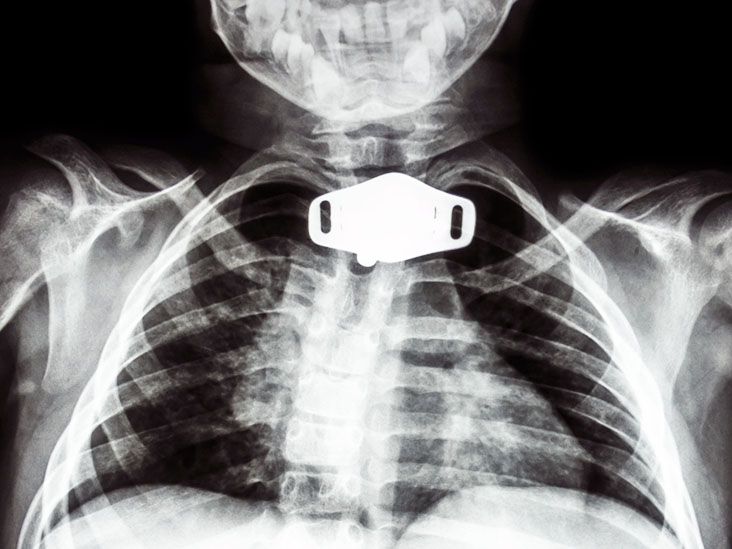
A tracheostomy is a surgically created opening in the front of the neck that leads into the trachea, also called the windpipe. A tracheostomy tube, often called a trach tube, is placed through that opening to help air move directly into the lungs.
Doctors may recommend a tracheostomy when normal breathing through the nose and mouth is blocked, unsafe, or not enough. It may also be used when someone needs mechanical ventilation for a longer period. Compared with having a breathing tube through the mouth for many days, a tracheostomy can be more comfortable, can make airway care easier, and may help some patients transition toward breathing on their own.
So, How Long Can You Live With a Tracheostomy?
The honest answer is: it depends. That may sound like the least satisfying answer in medicine, right up there with “monitor it and call us if it changes.” But in this case, it is the most accurate answer.
Some people have a tracheostomy for only a few days or weeks. Others keep it for months. Some live with a permanent tracheostomy for many years. A person who needed a trach after temporary swelling from surgery may have a very different outlook from someone who needs a trach because of advanced lung disease, a major stroke, a spinal cord injury, ALS, or long-term ventilator dependence.
A tracheostomy can remain in place as long as it is medically needed. If the person no longer needs it and can breathe safely without it, the tube may be removed in a process called decannulation. If the trach is still necessary for breathing, secretion clearance, airway protection, or ventilator support, it may stay in place long term.
The Tracheostomy Usually Does Not Decide Life Expectancy
One of the most important things to understand is this: a tracheostomy is a treatment, not a disease. It may be lifesaving, but it is usually placed because another serious medical issue already exists.
For example, a tracheostomy may be needed because of:
- Prolonged mechanical ventilation after critical illness
- Severe airway swelling or blockage
- Head and neck cancer or surgery
- Neuromuscular diseases that weaken breathing muscles
- Spinal cord injury
- Stroke or brain injury affecting airway protection
- Chronic lung disease
- Difficulty clearing mucus from the lungs
That is why two people with tracheostomies can have completely different outcomes. One may recover, have the tube removed, and go back to work. Another may need a ventilator and complex care for life. Same type of airway opening, very different medical story.
Tracheostomy Life Expectancy: The Main Factors
1. The Underlying Medical Condition
The original reason for the tracheostomy is the biggest factor. A temporary airway problem often has a better outlook than a progressive disease that continues to weaken breathing. Someone recovering from facial trauma, throat surgery, or swelling may need a trach only temporarily. Someone with a severe neurological condition may need it much longer.
2. Ventilator Dependence
Living with a tracheostomy is not the same as living on a ventilator. Some people breathe through the trach on their own. Others need a ventilator connected to the trach for part of the day or all day.
People who can breathe without a ventilator generally have more flexibility. They may have fewer equipment needs, may be more mobile, and may be candidates for decannulation if the airway is safe. People who remain ventilator-dependent can still live at home in many cases, but they usually need more planning, backup equipment, trained caregivers, and close medical follow-up.
3. Age and Overall Strength
Age alone does not tell the whole story. Some older adults are remarkably resilient, while some younger patients are medically fragile. Still, frailty, poor nutrition, severe heart disease, kidney disease, and repeated infections can affect survival and recovery after tracheostomy.
4. Lung Health and Infection Risk
A trach bypasses the nose and mouth, which normally warm, filter, and humidify air. Because of that, people with a tracheostomy often need humidification and careful airway care to keep mucus from becoming thick and blocking the tube. Pneumonia, mucus plugging, and respiratory infections are important risks, especially for people with weak coughs or chronic lung disease.
5. Swallowing and Nutrition
Some people with a tracheostomy can eat by mouth. Others need swallowing therapy, diet changes, or temporary tube feeding. Nutrition matters because the body needs energy to heal, fight infection, cough effectively, and maintain muscle strength. A person cannot recover on inspirational quotes and hospital pudding alone.
6. Caregiver Training and Home Support
Good tracheostomy care is a team sport. Patients and caregivers often learn how to clean the area, manage mucus, use humidification, recognize warning signs, and keep emergency supplies nearby. Strong home support can make long-term tracheostomy care safer and less overwhelming.
What Do Studies Say About Survival After Tracheostomy?
Research on survival after tracheostomy often focuses on people who were critically ill, especially those who needed prolonged mechanical ventilation in the ICU. These studies generally show that outcomes can be serious, with high rates of readmission, disability, and mortality in some groups.
However, these numbers should be interpreted carefully. They do not mean “a tracheostomy causes poor survival.” Instead, they often reflect how sick the patients were before the trach was placed. Someone who needs a tracheostomy after weeks of respiratory failure, sepsis, stroke, or multiple organ problems is already facing a major medical mountain.
For people whose underlying condition improves, survival can be much better. Patients who are weaned from the ventilator and later have the trach removed often do better than those who remain dependent on long-term mechanical ventilation. This is why doctors usually talk about prognosis in terms of the whole person, not just the tube.
Can a Tracheostomy Be Permanent?
Yes. A tracheostomy can be permanent, but it does not have to be. Many tracheostomies are temporary. The tube may be removed once the airway is open, breathing is strong enough, secretions are manageable, and the person can protect the airway safely.
In children, many tracheostomies are also temporary, though some remain in place for months or years depending on the condition. Pediatric tracheostomy care often involves a long-term plan for growth, speech, feeding, airway development, and possible decannulation.
In adults, a permanent tracheostomy may be needed after certain head and neck surgeries, severe airway narrowing, spinal cord injury, progressive neuromuscular disease, or chronic ventilator dependence. Permanent does not mean hopeless. It means the care plan shifts from “How do we remove this soon?” to “How do we help this person live as safely and fully as possible?”
Can You Talk With a Tracheostomy?
Many people can learn to talk with a tracheostomy, depending on their anatomy, lung strength, vocal cord function, and tube type. Some use a speaking valve. Others may use finger occlusion, communication boards, writing, texting, or speech-generating devices.
Speech-language pathologists are often part of the care team. They help with communication, swallowing, and safe eating strategies. The first words after a trach can be emotional. They can also be hilariously practical, like “Where is my phone?” or “This hospital gown has betrayed me.”
Can You Eat With a Tracheostomy?
Some people can eat with a tracheostomy, while others cannot eat safely right away. Eating depends on alertness, swallowing strength, airway protection, medical stability, and whether food or liquid is entering the airway. A swallowing evaluation may be needed before returning to meals.
People who cannot safely eat by mouth may receive nutrition through a feeding tube while they recover or while long-term decisions are made. Over time, therapy may help some patients return to partial or full oral eating.
Living at Home With a Tracheostomy
Many people do go home with a tracheostomy. Before discharge, patients and caregivers are usually trained in daily care, suctioning if needed, humidification, skin care, tube safety, and emergency planning. The home may need supplies such as suction equipment, humidification equipment, spare tubes, oxygen if prescribed, and emergency contact instructions.
Daily life changes, but it does not stop. People with tracheostomies go to school, work, family events, therapy appointments, parks, restaurants, and vacations. Planning becomes more important. Spontaneous adventures may require a supply bag, charged equipment, and the emotional maturity to accept that mucus does not respect brunch reservations.
Common Long-Term Risks of a Tracheostomy
Long-term tracheostomy risks can include infection, skin irritation, bleeding, mucus plugging, accidental tube displacement, airway narrowing, difficulty speaking, swallowing problems, and emotional stress. These risks vary from person to person.
Regular follow-up matters. Many patients benefit from a multidisciplinary team that may include an ENT specialist, pulmonologist, respiratory therapist, speech-language pathologist, primary care clinician, home nurse, dietitian, and rehabilitation team.
When Can a Tracheostomy Be Removed?
Removal is considered when the person can breathe well enough without the tube, protect the airway, manage secretions, and maintain safe oxygen levels. Doctors may gradually downsize the tube, use capping trials, assess swallowing, and monitor breathing before decannulation.
After the tube is removed, the opening often closes on its own, leaving a small scar. Sometimes surgical closure is needed if the opening does not close completely.
Questions to Ask the Medical Team
If you or a loved one has a tracheostomy, the best answers come from the clinical team that knows the full case. Helpful questions include:
- Why was the tracheostomy needed?
- Is it expected to be temporary or long term?
- Is a ventilator still needed?
- What needs to happen before decannulation is possible?
- What complications should we watch for?
- Can the person speak, eat, shower, travel, or attend school or work?
- What supplies and backup equipment are needed at home?
- Who should be called in an emergency?
- How often should follow-up visits happen?
Real-Life Experiences: What Living With a Tracheostomy Can Feel Like
Living with a tracheostomy is not just a medical situation; it is a daily-life situation. The first days can feel strange because breathing has a new route. The body is adjusting, the family is adjusting, and everyone suddenly becomes very interested in humidifiers, gauze, tubing, and whether the suction machine is charged. It is not exactly the home decor journey anyone asked for, but it becomes familiar with practice.
Many people describe the beginning as the hardest part. There is often fear around the tube, especially for caregivers. At first, even cleaning around the stoma can feel like handling a tiny spaceship control panel. Over time, routines become more automatic. People learn which supplies they use most, how to organize a travel bag, which shirts are comfortable, and how to keep the skin around the trach clean and dry.
Communication is another major adjustment. A person who cannot speak right away may feel frustrated, especially when they know exactly what they want but cannot say it quickly. Families often develop systems: a notebook, phone notes, alphabet boards, hand signals, or yes/no questions. When speech becomes possible with a speaking valve or other method, it can feel like a small miracle wrapped in a plastic medical device.
Sleep can also change. Some people need humidification at night, oxygen, ventilator support, or monitoring. Caregivers may sleep lightly at first, listening for changes in breathing or alarms. This can be exhausting. Families often do better when they build a schedule, accept help, and avoid pretending that one heroic person can do everything forever. Even superheroes need backup batteries.
Going outside takes planning, but it is possible for many people. A simple outing may require extra supplies, emergency items, water precautions, and a plan for weather. Cold, dry air may be irritating. Dusty environments may be a problem. Swimming is generally avoided while a tracheostomy tube is in place because water entering the airway is dangerous. Still, many people find ways to enjoy normal life: walks, school activities, family dinners, movies, road trips, and visits with friends.
Emotionally, a tracheostomy can bring grief, relief, gratitude, annoyance, humor, and anxietysometimes all before lunch. Some people feel self-conscious about how the trach looks or sounds. Others feel thankful because it helped them survive. Both reactions are valid. Support groups, counseling, rehabilitation teams, and experienced caregivers can make a real difference.
The most encouraging experience many long-term trach patients and families report is that confidence grows. What once felt impossible becomes routine. The trach does not disappear from life, but it stops being the only thing in life. People adapt. Families adapt. The supply shelf becomes organized. The emergency bag stays ready. The person is still a personnot a tube, not a diagnosis, not a medical chart with shoes.
Conclusion: A Tracheostomy Can Be a Bridge, a Tool, or a Lifelong Airway
So, how long can you live with a tracheostomy? You can live with one for weeks, months, years, or a lifetime. The tracheostomy itself does not provide a simple life expectancy number. The real answer depends on the underlying condition, ventilator dependence, age, lung health, infection risk, nutrition, caregiver support, and whether the person can eventually have the tube removed.
For some people, a tracheostomy is temporary and removed after recovery. For others, it becomes part of long-term care. With good training, proper equipment, follow-up care, and a realistic plan, many people live meaningful, active lives with a tracheostomy.
Medical note: This article is for general education only. It cannot predict an individual person’s survival. Anyone with a tracheostomy should follow their healthcare team’s instructions and seek urgent help for breathing trouble, tube blockage, tube displacement, severe bleeding, or sudden worsening symptoms.
SEO Tags

