
Hair Care
Gluten-Free Meals: 15 Recipes and Their Health Benefits
Aug
Gluten-free meals have come a long way from the days when dinner seemed to involve a lonely rice cake staring sadly across the table. Today, a gluten-free plate can be colorful, filling, flavorful, and surprisingly easy to prepare. The secret is to stop asking, “What substitute bread should I buy?” and start asking, “Which naturally gluten-free foods already taste fantastic?”
Fresh vegetables, fruits, beans, lentils, eggs, fish, poultry, meat, nuts, seeds, potatoes, rice, quinoa, and buckwheat are all useful building blocks. When combined thoughtfully, they provide protein, fiber, healthy fats, vitamins, minerals, and enough flavor to prevent dinner from feeling like dietary homework.
For people with celiac disease, eating gluten-free is a medical necessity. Gluten triggers an autoimmune reaction that damages the small intestine, so even small exposures matter. Some people with non-celiac gluten sensitivity may also experience fewer symptoms when avoiding gluten under professional guidance. However, removing gluten is not automatically healthier for everyone, nor is it a guaranteed weight-loss strategy.
What Makes a Gluten-Free Meal Healthy?
A healthy gluten-free meal is not simply a regular processed meal with the wheat removed. Many packaged gluten-free cookies, crackers, breads, and frozen dishes remain high in added sugar, sodium, or refined starch. A “gluten-free” label describes gluten content, not overall nutritional quality. A gluten-free cupcake is still a cupcake, although it may be a very charming cupcake.
For better balance, build meals around vegetables or fruit, a satisfying protein source, beneficial fats, and a fiber-rich carbohydrate such as brown rice, quinoa, beans, lentils, certified gluten-free oats, corn, or sweet potatoes. People with celiac disease should check labels carefully and use products specifically labeled gluten-free when contamination is possible.
A Note About Cross-Contact
Wheat, barley, rye, and foods made from them must be avoided on a strict gluten-free diet. Oats are naturally gluten-free but are frequently processed near wheat, so people with celiac disease should choose certified or clearly labeled gluten-free oats. Shared toasters, cutting boards, colanders, flour containers, condiment jars, fryers, and cooking utensils can also transfer gluten to otherwise safe food.
15 Gluten-Free Meal Ideas
1. Berry Chia Overnight Oats
How to make it: Combine certified gluten-free rolled oats, chia seeds, milk or an unsweetened plant beverage, plain yogurt, cinnamon, and a small spoonful of maple syrup. Refrigerate overnight and top with strawberries, blueberries, and walnuts in the morning.
Health benefits: Oats, chia seeds, berries, and walnuts contribute fiber, while yogurt adds protein and may provide calcium. The combination is more satisfying than a sugary breakfast cereal and requires approximately zero responsible decision-making before coffee.
2. Vegetable and Egg Breakfast Muffins
How to make it: Whisk eggs with chopped spinach, bell pepper, mushrooms, green onions, black pepper, and a modest amount of shredded cheese. Pour the mixture into a greased muffin pan and bake at 350°F until the centers are firm.
Health benefits: Eggs provide protein and choline, while the vegetables add fiber and micronutrients. These muffins can be refrigerated for several days, making them useful for busy mornings when cooking an omelet feels suspiciously ambitious.
3. Banana Buckwheat Pancakes
How to make it: Mix buckwheat flour with mashed banana, an egg, milk, gluten-free baking powder, cinnamon, and vanilla. Cook small pancakes on a lightly oiled skillet. Serve them with berries or a spoonful of nut butter instead of drowning them in syrup.
Health benefits: Despite its confusing name, buckwheat is not wheat and is naturally gluten-free. It supplies fiber and minerals, while banana adds sweetness and potassium. Nut butter can increase protein and help make the meal more filling.
4. Quinoa Avocado Breakfast Bowl
How to make it: Fill a bowl with warm cooked quinoa, sautéed spinach, cherry tomatoes, avocado, and a poached or fried egg. Finish with lemon juice, pepper, and a pinch of salt.
Health benefits: Quinoa is a naturally gluten-free whole grain that provides fiber and all nine essential amino acids. The egg adds additional protein, while avocado contributes unsaturated fat. This is breakfast for anyone who believes cereal should occasionally require a fork.
5. Red Lentil and Tomato Soup
How to make it: Sauté onion, carrots, celery, and garlic in olive oil. Add red lentils, canned tomatoes, gluten-free broth, cumin, paprika, and water. Simmer until the lentils soften, then add spinach and lemon juice.
Health benefits: Lentils provide plant protein, fiber, iron, and folate. The vegetables increase the meal’s volume and nutrient variety without requiring heavy cream. Make a large batch because this soup tastes even better the next day, when it has apparently had time to think about its choices.
6. Chickpea Quinoa Tabbouleh
How to make it: Replace traditional bulgur with cooked quinoa. Toss it with chickpeas, cucumber, tomatoes, parsley, mint, green onions, lemon juice, and olive oil. Chill before serving.
Health benefits: Chickpeas and quinoa make this salad rich in plant protein and fiber. Tomatoes, herbs, and cucumber add flavor and variety, while olive oil supplies unsaturated fat. It works as a light dinner, a make-ahead lunch, or proof that salads do not need to be punishment.
7. Sweet Potato and Black Bean Tacos
How to make it: Roast cubed sweet potatoes with cumin, chili powder, garlic, and olive oil. Spoon them into warmed corn tortillas with black beans, shredded cabbage, avocado, cilantro, and lime. Confirm that the tortillas and seasonings are labeled gluten-free when necessary.
Health benefits: Sweet potatoes provide beta-carotene and fiber, while black beans add protein, iron, and additional fiber. Cabbage contributes crunch and vitamin C. Nobody will miss the meat unless they were emotionally attached to it.
8. Lemon-Herb Salmon with Asparagus
How to make it: Place salmon and asparagus on a sheet pan. Drizzle them with olive oil and season with lemon zest, garlic, dill, black pepper, and a little salt. Roast at 400°F until the salmon flakes easily. Serve with brown rice or quinoa.
Health benefits: Salmon provides high-quality protein and omega-3 fatty acids. Asparagus contributes fiber and folate, and a whole-grain side makes the meal more substantial. The one-pan method also supports emotional well-being by creating fewer dishes.
9. Sheet-Pan Chicken and Rainbow Vegetables
How to make it: Toss chicken breast or thighs with broccoli, bell peppers, zucchini, red onion, olive oil, smoked paprika, garlic, oregano, and lemon juice. Roast until the chicken reaches a safe internal temperature and the vegetables begin to caramelize.
Health benefits: Chicken supplies protein, while the assortment of vegetables provides fiber and a broad range of vitamins and plant compounds. Using herbs, citrus, and spices builds flavor without depending on bottled sauces that may contain hidden gluten or excessive sodium.
10. Turkey-Stuffed Bell Peppers
How to make it: Brown lean ground turkey with onion, garlic, tomatoes, cooked brown rice, Italian seasoning, and spinach. Spoon the mixture into halved bell peppers, top lightly with cheese, and bake until the peppers are tender.
Health benefits: Turkey provides protein, brown rice contributes carbohydrates and fiber, and peppers are particularly rich in vitamin C. This recipe is also excellent for using leftover rice, which is how the refrigerator politely asks you to stop ignoring it.
11. Shrimp Cauliflower Fried Rice
How to make it: Sauté shrimp with garlic and ginger. Add cauliflower rice, carrots, peas, green onions, and a beaten egg. Season with gluten-free tamari rather than conventional soy sauce, which commonly contains wheat. Cook until the vegetables are tender but not mushy.
Health benefits: Shrimp and egg provide protein, while the vegetables add fiber and micronutrients. Cauliflower rice creates a lighter dish, although regular brown rice can be included when more carbohydrates or energy are needed.
12. Coconut Chickpea Curry
How to make it: Cook onion, garlic, ginger, curry powder, and turmeric in a small amount of oil. Add chickpeas, diced tomatoes, light coconut milk, and cauliflower. Simmer until tender, then stir in spinach and lime juice. Serve with brown or basmati rice.
Health benefits: Chickpeas provide fiber and plant protein, while cauliflower, tomato, and spinach increase vegetable intake. Light coconut milk keeps the sauce creamy while moderating saturated fat. Check curry pastes and spice blends because some prepared versions contain unexpected ingredients.
13. Zucchini Noodles with Chicken Pesto
How to make it: Spiralize zucchini or buy fresh zucchini noodles. Briefly sauté them, then toss with grilled chicken, cherry tomatoes, and pesto made from basil, olive oil, garlic, nuts, and Parmesan. Check packaged pesto labels if you are not making your own.
Health benefits: Chicken supplies protein, zucchini and tomatoes add vegetables, and nuts and olive oil provide unsaturated fats. Zucchini noodles are useful for increasing produce intake, although they should not be expected to impersonate pasta under oath.
14. Beef and Broccoli Rice Bowls
How to make it: Stir-fry thin strips of lean beef with broccoli, mushrooms, garlic, and ginger. Add a sauce made with gluten-free tamari, rice vinegar, sesame oil, and a little honey. Serve over brown rice and garnish with sesame seeds.
Health benefits: Beef provides protein, iron, zinc, and vitamin B12. Broccoli adds fiber, folate, and vitamin C, which also helps the body absorb iron from food. Choosing lean beef and filling much of the bowl with vegetables keeps the meal balanced.
15. Apple-Cinnamon Yogurt Parfait
How to make it: Layer plain Greek yogurt with chopped apple, cinnamon, chia seeds, walnuts, and certified gluten-free granola. For a warmer version, briefly cook the apple with cinnamon and a splash of water before assembling the parfait.
Health benefits: Greek yogurt supplies protein and calcium, apples and chia seeds contribute fiber, and walnuts add unsaturated fats. This dish can be breakfast, dessert, or an afternoon snack that prevents a vending machine from making your nutritional decisions.
How to Plan Balanced Gluten-Free Meals
Begin with foods that are naturally gluten-free rather than trying to replace every wheat-based item. A practical plate might include half vegetables, a quarter protein, and a quarter gluten-free whole grains or starchy vegetables. Add fruit, dairy, nuts, seeds, or healthy fats according to your needs and preferences.
Rotate carbohydrate sources instead of eating white rice at every meal. Quinoa, brown rice, certified gluten-free oats, buckwheat, corn, millet, beans, lentils, potatoes, and sweet potatoes offer different nutrients and textures. Variety is especially important because some commercial gluten-free products contain less fiber, iron, folate, and B vitamins than enriched wheat products.
People newly diagnosed with celiac disease may benefit from working with a registered dietitian. A professional can review food labels, identify possible nutrient gaps, explain cross-contact, and help create a diet that is safe without becoming unnecessarily restrictive. Anyone considering testing for celiac disease should speak with a healthcare professional before eliminating gluten because avoiding it beforehand can interfere with diagnostic testing.
Real-Life Experiences with Gluten-Free Meal Planning
One of the first lessons people often learn when beginning a gluten-free diet is that the hardest part is not giving up bread. It is discovering how many foods have been quietly hanging around with wheat, barley, or malt as if they were invited. Soy sauce, soup bases, salad dressings, seasoning packets, imitation meats, gravies, and even some flavored chips can require a closer look.
The first grocery trip may therefore take much longer than expected. A shopper who once tossed products into a cart with cheerful abandon may suddenly become a label-reading detective. The process becomes easier with repetition. Familiar brands emerge, naturally gluten-free staples take up more space in the kitchen, and the weekly shopping trip stops feeling like an advanced chemistry examination.
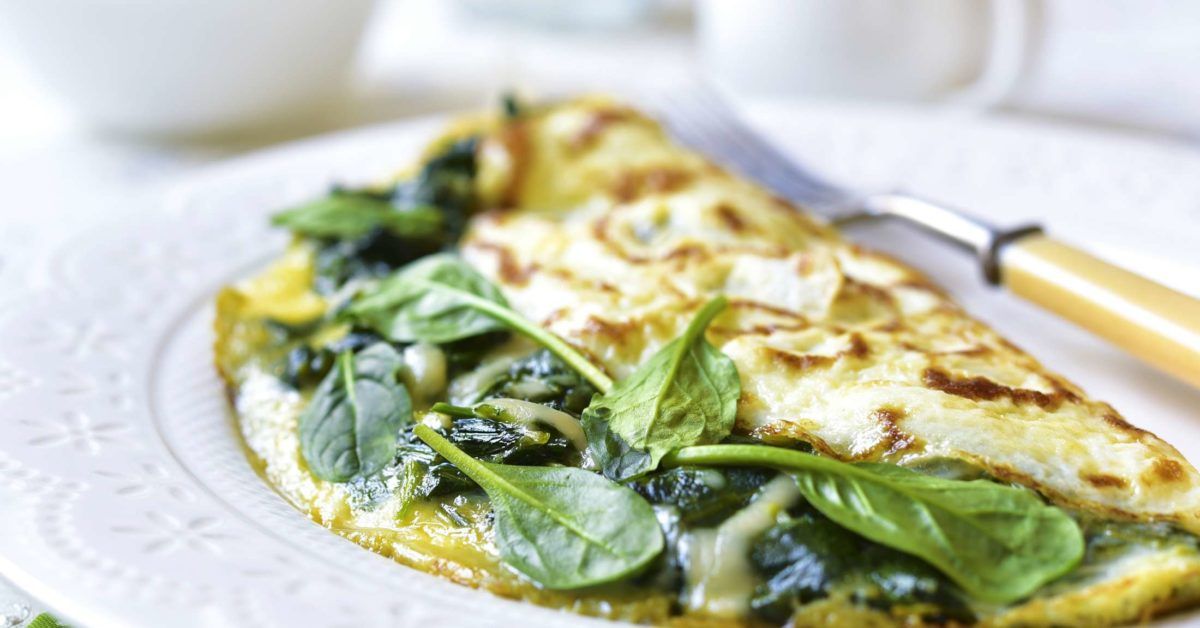
Cooking at home is often the easiest place to regain confidence. Simple meals such as roasted chicken with potatoes, salmon with rice, vegetable omelets, lentil soup, and tacos made with corn tortillas require few specialty products. These dishes also tend to be less expensive than building every meal around gluten-free bread, crackers, pasta, and frozen replacements.
Batch cooking makes a particularly noticeable difference. Preparing a pot of quinoa, roasting two trays of vegetables, cooking several portions of protein, and mixing a simple dressing can create multiple lunches and dinners. Quinoa may become a breakfast bowl one day, a chickpea salad the next, and a side dish for salmon later in the week. This strategy reduces both food waste and the temptation to eat cheese directly from the refrigerator while deciding what dinner should be.
Shared households bring another learning curve. A family may decide to keep separate toasters, cutting boards, colanders, butter containers, and condiment jars for the person with celiac disease. Color-coded utensils can make the system easier. Clear communication matters more than kitchen perfection: everyone needs to understand why dipping a breadcrumb-covered knife back into the peanut butter is not merely annoying.
Dining out can feel uncomfortable at first. Useful questions include whether a dish contains wheat, barley, rye, malt, regular soy sauce, breading, or flour-thickened sauce. It is also reasonable to ask whether fries use a shared fryer or whether food is prepared on a surface that also handles bread. Restaurants vary widely in their ability to prevent cross-contact, so people with celiac disease often research menus beforehand and keep a backup snack available.
Social experiences may require patience as well. Friends sometimes assume gluten-free means low-carbohydrate, vegan, organic, or simply “no bread.” Bringing a safe dish to a gathering can reduce anxiety while introducing others to food that happens to be gluten-free without tasting like a compromise. Chili, roasted vegetable salads, corn-tortilla enchiladas, flourless chocolate cake, and fruit crisps made with certified gluten-free oats usually attract everyone at the table.
Over time, many people report that gluten-free meal planning becomes less about restriction and more about building a dependable routine. The most successful routines are rarely based on expensive substitutes. They are based on flexible whole foods, a few trusted convenience products, sensible preparation, and enough culinary curiosity to keep meals interesting.
Conclusion
Gluten-free meals can be nutritious, practical, and genuinely enjoyable when they are built around whole foods. The 15 recipes above demonstrate that avoiding gluten does not require avoiding flavor, protein, fiber, or variety. Vegetables, fruits, legumes, quinoa, certified gluten-free oats, rice, eggs, fish, poultry, meat, nuts, and seeds provide more than enough material for satisfying meals.
The greatest health benefits come from the quality and balance of the ingredients, not from the gluten-free label by itself. People with celiac disease must remain strict about labels and cross-contact, while anyone else considering a major dietary change should seek appropriate medical or nutritional guidance. In other words, make the salmon, enjoy the tacos, and never trust a shared toaster with a suspicious résumé.

