
Beauty Unlocked
Gallbladder Pain: Treatments and Home Remedies
Aug
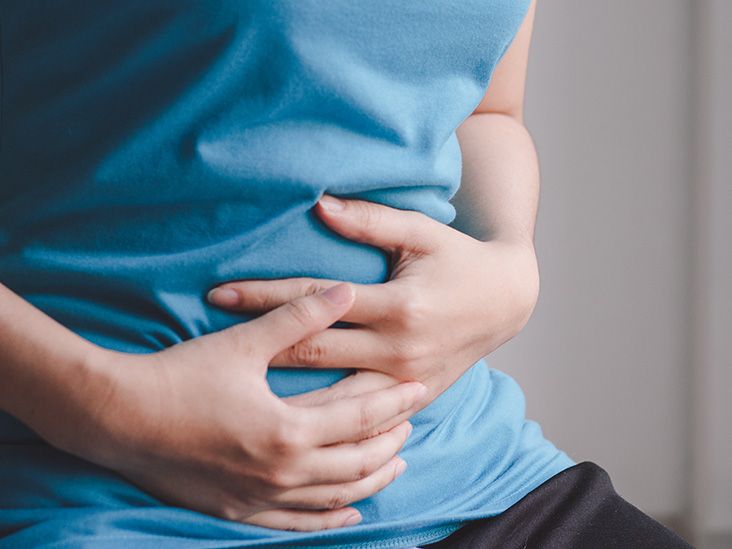
Gallbladder pain has a flair for dramatic timing. It may arrive after a cheeseburger, interrupt a peaceful night’s sleep, or make an innocent slice of pizza feel like a regrettable life decision. The pain commonly develops in the upper-right or upper-middle abdomen and may spread toward the back or right shoulder blade.
Although gallstones are the most common cause, pain in this area is not automatically a gallbladder problem. Acid reflux, stomach ulcers, pancreatitis, liver conditions, kidney stones, muscle injuries, and even heart problems can produce similar symptoms. That is why recurring or severe abdominal pain deserves a medical evaluation rather than an internet diagnosis and a hopeful cup of herbal tea.
Home remedies may reduce discomfort or help prevent food-triggered attacks, but they cannot reliably remove an obstructing gallstone or cure an infected gallbladder. Understanding that distinction is the key to managing symptoms safely.
What Does Gallbladder Pain Feel Like?
The gallbladder is a small organ beneath the liver that stores bile, a digestive fluid used to process dietary fat. When foodparticularly a fatty mealenters the digestive system, the gallbladder contracts and releases bile into the small intestine.
If a gallstone temporarily blocks the gallbladder’s outlet, pressure builds behind it. This can produce an episode known as biliary colic or a gallbladder attack.
Common symptoms of a gallbladder attack
- Steady pain beneath the ribs on the upper-right side
- Pain in the upper-middle abdomen, below the breastbone
- Pain that spreads to the back or right shoulder blade
- Nausea or vomiting
- Sweating or restlessness
- Symptoms beginning after a large, greasy, or fatty meal
- Pain lasting from about 30 minutes to several hours
Despite the word “colic,” the discomfort is often steady rather than coming in quick spasms. Changing position, having a bowel movement, or passing gas usually does not provide dependable relief. Some attacks resolve when the stone shifts and bile begins flowing again, but another episode may occur later.
Indigestion, bloating, or nausea alone does not prove that gallstones are responsible. These symptoms overlap with many digestive disorders, so testing may be needed before anyone blames the gallbladder for the entire production.
When Gallbladder Pain Is an Emergency
A short episode of uncomplicated biliary colic may settle when a temporary blockage clears. Persistent pain, however, can signal inflammation, infection, or obstruction of a major bile duct. These complications may require hospital treatment.
Seek urgent medical care when gallbladder-type pain is accompanied by:
- Severe pain that continues for several hours or keeps worsening
- Fever or chills
- Yellow skin or yellowing of the whites of the eyes
- Dark urine or unusually pale, clay-colored stools
- Repeated vomiting or inability to keep fluids down
- A swollen, rigid, or extremely tender abdomen
- Dizziness, fainting, confusion, or unusual weakness
Call emergency services for abdominal or chest pain accompanied by shortness of breath, sweating, faintness, pressure in the chest, or pain spreading to the arm or jaw. Heart symptoms do not always follow the classic movie-scene script, and it is safer to be evaluated promptly.
Possible gallbladder complications
Acute cholecystitis develops when the gallbladder remains blocked and becomes inflamed. Cholangitis is an infection involving the bile ducts and can become life-threatening. A stone near the pancreatic duct can also trigger gallstone pancreatitis, which usually causes intense upper-abdominal pain and often requires hospitalization.
Home care should never be used to delay treatment when these warning signs are present.
How Doctors Diagnose Gallbladder Pain
A clinician will ask where the pain begins, how long it lasts, what triggers it, and whether it occurs with fever, jaundice, nausea, or vomiting. The abdomen may be examined for tenderness, particularly beneath the ribs on the right side.
Common tests
- Abdominal ultrasound: Often the first imaging test because it can detect gallstones and signs of gallbladder inflammation.
- Blood tests: These may show infection, inflammation, liver injury, bile duct obstruction, or pancreatic irritation.
- HIDA scan: This nuclear imaging test evaluates bile flow and how effectively the gallbladder empties.
- MRCP: A specialized MRI can provide detailed pictures of the bile and pancreatic ducts.
- CT scan: This may help identify inflammation, complications, or another cause of abdominal pain.
- ERCP: This endoscopic procedure is mainly used when doctors need to remove a stone, drain an obstruction, or perform another treatment inside a bile duct.
Testing matters because “pain near the gallbladder” and “pain caused by the gallbladder” are not always the same thing.
Medical Treatments for Gallbladder Pain
The right treatment depends on whether gallstones are silent, causing occasional pain, repeatedly blocking bile flow, or creating a complication.
Pain control
Clinicians may use anti-inflammatory medicines or other pain relievers for biliary colic. The safest choice varies according to a person’s kidney function, liver health, ulcer history, pregnancy status, allergies, bleeding risk, and current medications.
Do not combine pain medicines or exceed label directions. A pharmacist or clinician can help identify an appropriate option, especially for people taking blood thinners or managing chronic medical conditions.
Hospital care for an inflamed gallbladder
Acute cholecystitis often requires hospital treatment. Care may include intravenous fluids, pain medication, temporary restriction of food and drink, and antibiotics when an infection is present or suspected.
These measures stabilize the patient and control inflammation, but they do not necessarily prevent another blockage. Gallbladder removal is frequently recommended once the medical team determines the safest timing.
Laparoscopic cholecystectomy
Surgical removal of the gallbladder, called a cholecystectomy, is the standard definitive treatment for recurring symptomatic gallstones and many gallbladder complications. Most operations are performed laparoscopically through several small incisions.
The liver continues making bile after surgery. Instead of being stored in the gallbladder, bile flows more continuously into the small intestine. Most people can digest food without a gallbladder, although temporary loose stools, gas, or sensitivity to high-fat meals may occur during recovery.
Open surgery may be necessary when severe inflammation, scar tissue, unusual anatomy, or another complication makes a laparoscopic procedure unsafe or impractical.
ERCP for stones in the common bile duct
A stone that escapes the gallbladder and becomes lodged in the common bile duct may need to be removed with ERCP. During this procedure, a flexible endoscope travels through the mouth, stomach, and small intestine to reach the bile duct opening.
Tiny instruments can then remove stones, enlarge the opening, or place a stent to restore drainage. ERCP clears the duct but does not remove stones still inside the gallbladder, so gallbladder surgery may also be recommended.
Gallstone-dissolving medication
Ursodiol, a prescription bile acid, may gradually dissolve certain small cholesterol stones. It is generally reserved for carefully selected patients who cannot undergo surgery or have another reason to avoid an operation.
Treatment can take months or longer, does not work for every type of stone, and may be followed by recurrence. It is not a quick remedy for an active attack or a dangerous obstruction.
Gallbladder drainage
When a person is too medically fragile for immediate surgery, doctors may place a drainage tube into the gallbladder to relieve pressure and treat infection. This is usually a hospital-based bridge or alternative for high-risk patients, not a routine home treatment.
Home Remedies That May Reduce Gallbladder Discomfort
No home remedy can guarantee that gallbladder pain will stop, and none should replace medical assessment after a first attack. However, several low-risk strategies may help reduce digestive strain in someone who has already been evaluated and given a home-care plan.
1. Eat smaller, lower-fat meals
Fat causes the gallbladder to contract. Large quantities of fried food, fatty meat, butter, cream, full-fat cheese, rich desserts, and heavily processed snacks may trigger symptoms in people with gallstones.
Try smaller meals built around vegetables, fruit, whole grains, beans, lean poultry, fish, or other lean protein. Cooking methods such as baking, steaming, grilling, or broiling generally require less fat than deep-frying.
This approach may reduce attacks, but it does not dissolve an existing gallstone. The stone will not see a salad and politely move out.
2. Sip fluids when tolerated
Small sips of water may help prevent dehydration, especially when nausea reduces normal intake. Avoid forcing large quantities of liquid during active vomiting. Inability to keep fluids down is a reason to seek medical care.
Alcohol should be avoided during unexplained abdominal pain because it can worsen dehydration and may complicate pancreatic, liver, or stomach conditions.
3. Apply gentle warmth
A warm compress or heating pad may relax nearby abdominal muscles and provide temporary comfort. Use a low or moderate setting, place fabric between the heat source and the skin, and limit each session to avoid burns.
Heat does not clear an obstructed duct or treat an infection. Worsening pain despite warmth is not an invitation to turn up the temperatureit is a reason to obtain medical advice.
4. Rest in a comfortable position
Rest may reduce muscle tension and help with nausea while symptoms are monitored. Some people feel more comfortable slightly upright or supported by pillows, although changing position usually does not eliminate true biliary colic.
5. Keep a food and symptom diary
Record what you ate, when pain began, where it was located, how long it lasted, and whether nausea, fever, vomiting, or stool changes occurred. This information can help a clinician recognize patterns and distinguish gallbladder symptoms from reflux, food intolerance, or another digestive problem.
6. Maintain weight gradually
Maintaining a healthy weight may reduce the long-term risk of gallstone problems, but rapid weight loss can increase gallstone formation. Avoid crash diets, prolonged fasting, and extremely low-calorie plans unless they are medically supervised.
A gradual, sustainable plan is kinder to the gallbladder and significantly less likely to make dinner feel like a mathematics exam.
7. Use over-the-counter medication carefully
A clinician may approve an over-the-counter pain reliever for previously evaluated, uncomplicated symptoms. Follow the product label and avoid taking multiple products containing the same active ingredient.
People with kidney disease, liver disease, ulcers, bleeding disorders, heart disease, pregnancy, medication allergies, or blood-thinner use should obtain professional advice before taking a pain medicine. Pain relief can mask worsening disease, so recurring attacks still require follow-up.
Home Remedies and “Cleanses” to Avoid
Gallbladder flushes commonly involve consuming large quantities of olive oil, juice, herbs, or salts. There is no dependable evidence that these cleanses remove gallstones. The soft lumps later seen in stool may be clumps produced from oil and digestive material rather than stones that heroically escaped the gallbladder.
A cleanse may cause diarrhea, vomiting, abdominal pain, dehydration, or delayed medical treatment. It also cannot safely clear a stone blocking the common bile duct.
Be cautious with concentrated herbal supplements marketed for “bile detoxification.” Supplements may interact with medications, affect the liver, change bleeding risk, or contain ingredients that are not accurately represented on the label. Natural does not automatically mean harmless; poison ivy is also committed to an all-natural lifestyle.
What to Eat While Waiting for Medical Evaluation
When a clinician has advised that eating is safe, temporary lower-fat choices may be easier to tolerate:
- Oatmeal or whole-grain cereal
- Rice, potatoes, or plain pasta
- Vegetable soups without heavy cream
- Bananas, applesauce, berries, or other tolerated fruit
- Steamed or roasted vegetables
- Beans or lentils in modest portions
- Skinless poultry, fish, tofu, or other lean protein
- Low-fat dairy products when tolerated
Avoid eating during severe pain if medical care is imminent, particularly because tests, sedation, or surgery may be needed. Follow instructions from the emergency department or treating clinician rather than improvising a fasting schedule.
Can Gallbladder Pain Go Away Without Surgery?
An individual attack may stop when a stone moves away from the duct opening. Silent gallstones that never cause symptoms often require no treatment. Once stones repeatedly cause pain, however, future attacks and complications become a concern.
Dietary changes may reduce triggering contractions, but they do not reliably eliminate stones. A person with recurring biliary colic should discuss definitive treatment with a gastroenterologist or surgeon rather than constructing an increasingly elaborate list of forbidden foods.
Surgery is not appropriate for every patient, and decisions should account for overall health, imaging results, symptom frequency, complication risk, and personal preferences.
Recovery After Gallbladder Removal
After laparoscopic surgery, many patients return home the same day or after a short hospital stay. Recovery instructions vary, but they commonly include gradually increasing activity, caring for the incisions, avoiding heavy lifting temporarily, and contacting the surgical team for fever, worsening pain, redness, drainage, jaundice, or persistent vomiting.
Smaller meals may be more comfortable at first. Some people temporarily limit fried food, rich sauces, high-fat meat, and large portions while the digestive system adjusts. Fiber should be increased gradually because suddenly treating the intestines to a mountain of bran may produce a different abdominal adventure.
Persistent diarrhea, ongoing pain, weight loss, fever, or jaundice after surgery should be reported. Not every digestive symptom after a cholecystectomy is caused by the missing gallbladder, and additional evaluation may be necessary.
Experiences and Practical Lessons From Gallbladder Pain
Note: The following are composite educational scenarios based on commonly reported patient experiences. They are not personal testimony and should not be used for self-diagnosis.
The “It Must Be Indigestion” experience
A common story begins with discomfort after dinner. The person assumes it is gas, takes an antacid, walks around the house, and waits. Instead of fading, the pain becomes steady beneath the right ribs and creeps toward the shoulder blade. Nausea follows, and no position feels comfortable.
The practical lesson is that gallbladder pain may resemble indigestion at first, but a prolonged, intense, or recurring pattern deserves evaluation. Antacids may help acid-related symptoms, yet they cannot unblock a bile duct. Writing down the location, duration, meal trigger, and associated symptoms can make the eventual medical visit more productive.
The recurring weekend attack
Another familiar pattern involves attacks after restaurant meals. The first episode follows fried chicken. The second arrives after creamy pasta. By the third, the person has concluded that weekends are cursed.
Smaller, lower-fat meals may reduce attacks while care is arranged, but avoiding restaurant food forever is not a complete treatment plan. Recurrent episodes suggest that the underlying problem remains. People often describe relief once they receive a diagnosis because they can finally stop conducting experiments on every ingredient in the refrigerator.
The attack that did not stop
Some patients report that earlier episodes ended within a few hours, so they expected the next one to behave similarly. This time, the pain continued, fever appeared, and the abdomen became increasingly tender. Evaluation revealed gallbladder inflammation requiring hospital care.
The lesson is not to assume that every attack will follow the old pattern. Persistent pain, fever, chills, jaundice, or vomiting may signal a complication. A history of previous uncomplicated attacks does not grant immunity from cholecystitis, cholangitis, or pancreatitis.
Learning to eat after surgery
After gallbladder removal, some people can eat normally almost immediately. Others discover that a giant cheeseburger during the first week is an unnecessarily bold experiment. Temporary gas, loose stools, or urgency may occur after rich meals.
A gentler approach is to begin with smaller portions, lean protein, grains, fruit, vegetables, and moderate amounts of fat. Foods can then be reintroduced gradually. This process is not about creating a joyless lifelong diet. It is about giving the digestive system time to adjust before challenging it to a duel with a basket of onion rings.
The emotional side of unpredictable pain
Recurring abdominal pain can create anxiety about meals, work, travel, and sleep. People may skip food before events or avoid social plans because they fear another attack. That stress is understandable, but excessive restriction can lead to poor nutrition and may complicate weight management.
A clear medical plan often helps. Ask what symptoms require emergency care, which foods are reasonable while waiting for treatment, what pain medicine is safe, and when surgery or specialist review should occur. Certainty is not always available, but practical instructions are far more calming than negotiating with an angry gallbladder at two in the morning.
Conclusion
Gallbladder pain is commonly caused by gallstones temporarily or persistently blocking bile flow. Smaller, lower-fat meals, hydration, gentle warmth, rest, and careful use of approved pain medication may reduce discomfort in uncomplicated cases, but home remedies cannot cure an obstruction or infection.
Severe or persistent pain, fever, jaundice, repeated vomiting, dark urine, or pale stools requires prompt medical attention. For recurring symptomatic gallstones, laparoscopic gallbladder removal is often the most effective long-term treatment. ERCP, medication, drainage, or hospital care may be used in selected situations.
The safest rule is simple: use home care for temporary comfort, not as a substitute for diagnosis. Your gallbladder may be small, but it is exceptionally talented at making its complaints impossible to ignore.

