
Skincare
Foraged Ikebana Floral Arrangements
Jun
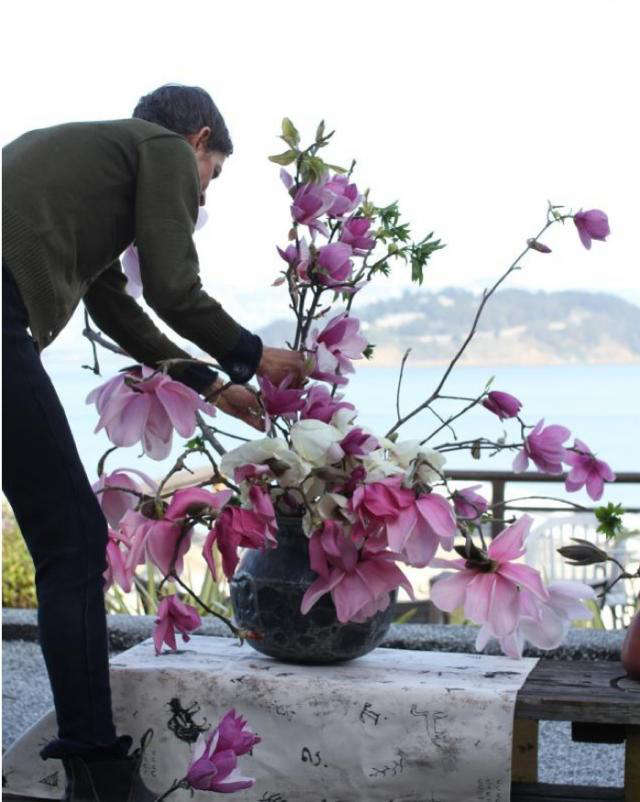
Foraged ikebana floral arrangements are what happen when Japanese flower-arranging wisdom meets a walk outside with sharp eyes, clean clippers, and the self-control not to “borrow” every dramatic branch in sight. This art form is not about cramming a vase until it looks like a botanical traffic jam. It is about noticing one curved stem, one leaning reed, one half-open bloom, and giving it enough space to speak.
In a world of oversized bouquets, same-day flower delivery, and arrangements that occasionally resemble a confetti cannon at a garden party, foraged ikebana feels refreshingly quiet. It asks a different question: what can be made from what the season already offers? A fallen twig, a seed pod, a few grasses, a backyard camellia, or a sculptural weed can become the star. The result is minimalist, seasonal, sustainable, and deeply personal.
This guide explores the beauty, technique, ethics, and hands-on experience of creating foraged ikebana floral arrangements at home. Whether you are a gardener, a design lover, a slow-living enthusiast, or simply someone who thinks a crooked branch deserves a modeling contract, this article will help you turn natural materials into expressive floral art.
What Are Foraged Ikebana Floral Arrangements?
Foraged ikebana floral arrangements combine two ideas: ikebana, the Japanese art of arranging flowers and natural materials, and ethical foraging, the practice of gathering plant materials responsibly from permitted spaces. Instead of relying only on store-bought flowers, you work with seasonal branches, grasses, foliage, seed heads, vines, and blossoms gathered from your garden, yard, or approved natural areas.
Ikebana is often described as the “way of flowers.” Unlike many Western floral designs that focus on fullness, symmetry, and abundance, ikebana emphasizes line, space, asymmetry, seasonality, and the character of each stem. A single branch may matter more than a dozen roses. Empty space is not a mistake; it is part of the design. Think of it as the floral equivalent of a perfectly timed pause in conversation.
Foraging adds another layer. It makes the arrangement local, seasonal, and connected to place. An ikebana arrangement made with autumn sumac, winter pine, spring quince, or summer grasses tells you where and when it was created. It is not trying to look like a florist’s cooler. It is trying to look alive.
Why Foraged Ikebana Is Having a Moment
Modern design trends increasingly favor natural materials, sustainability, imperfection, and handmade objects. Foraged ikebana fits beautifully into this movement. It uses fewer stems, reduces waste, avoids floral foam, and encourages people to look closely at their surroundings. It also suits small homes and apartments because you do not need a giant vase or a dining table the size of a canoe.
The appeal is also emotional. Foraged ikebana slows you down. You must observe before you cut. You must choose before you arrange. You must decide whether the branch leaning left is awkward or secretly brilliant. This process turns flower arranging into a meditative practice, not just a decorating task.
There is also a charming budget advantage. While rare flowers and designer vessels can be expensive, a thoughtful arrangement can be made with a bowl, a kenzan, water, and a few gathered materials. Of course, “free” does not mean “take whatever you want.” Responsible sourcing is the backbone of this practice.
The Core Principles of Ikebana
Line Comes First
In ikebana, line is often more important than color. A branch that bends, twists, forks, or reaches upward can create the structure of the entire arrangement. Foraged materials are excellent for this because wild stems rarely grow like polite little soldiers. They curve, lean, wobble, and occasionally behave like they have strong opinions.
When gathering materials, look for expressive lines: a branch with a graceful arc, a vine with movement, a reed with height, or a stem with interesting joints. These lines guide the viewer’s eye and give the arrangement energy.
Space Is Part of the Arrangement
Ikebana treats empty space as active. The air between stems allows each element to be seen. This is why a foraged ikebana floral arrangement may contain only three to seven materials and still feel complete. The goal is not to fill every gap. The goal is to create a conversation between form, space, and silence.
Asymmetry Creates Natural Beauty
Nature is rarely perfectly symmetrical. Trees lean toward light, vines climb unevenly, and flowers open at their own pace. Ikebana celebrates that irregular beauty. Instead of placing identical stems on both sides of a vase, you might use one tall branch, one shorter flower, and one low piece of foliage to create visual balance without mirror-image stiffness.
Seasonality Gives the Design Meaning
A strong ikebana arrangement reflects the season. Spring might bring budding branches, daffodils, or tender greens. Summer offers grasses, herbs, and bold blooms. Autumn gives seed pods, berries, dried leaves, and sculptural stems. Winter can be surprisingly rich with evergreens, bare branches, bark, mossy twigs, and dried materials.
Ethical Foraging: The Part Where We Do Not Become Plant Pirates
Foraged ikebana should begin with respect. Before cutting anything, confirm that you have permission. Your own garden is ideal. A friend’s yard is fine if they agree. Community gardens, parks, trails, roadsides, beaches, and public lands may have rules that prohibit collecting plant material. National parks and many protected areas generally restrict removal of natural objects unless specific rules allow it.
Even when gathering is legal, take lightly. Never remove rare, threatened, or protected plants. Avoid uprooting plants. Do not strip a shrub of all its berries or flowers. Wildlife may depend on those seeds, fruits, and shelter. A good rule is to gather as though someone wiser, smaller, and furrier needs the rest.
Also avoid gathering from polluted places such as busy roadsides, sprayed lawns, industrial edges, drainage ditches, or areas that may contain pesticides or contaminants. For floral use, you are not eating the material, but you are bringing it into your home and handling it closely. Clean sourcing matters.
Best Foraged Materials for Ikebana
Branches
Branches are the backbone of many foraged ikebana arrangements. Look for maple, willow, dogwood, quince, cherry, birch, pine, or any non-toxic, legally gathered branch with strong structure. Bare branches are especially useful because they reveal line clearly. Flowering branches can be stunning but should be cut sparingly.
Grasses and Reeds
Ornamental grasses, dried meadow grasses, cattail-like forms where legal to gather, and garden reeds add height and movement. Their fine lines can soften a composition without making it fussy.
Seed Pods and Dried Stems
Seed pods are ikebana gold. Poppy pods, lotus pods, milkweed pods, okra stems, dried allium heads, and spent flower stalks add texture and sculptural interest. They also last longer than fresh flowers, which means your arrangement will not faint dramatically after two days.
Leaves and Foliage
Large leaves can create mass and contrast. Smaller foliage can guide the eye. Ferns, hosta leaves, camellia foliage, magnolia leaves, herbs, and evergreen sprigs can all work, depending on the season and local availability.
Flowers
Flowers are welcome, but they do not need to dominate. A single iris, tulip, hellebore, cosmos, dahlia, daffodil, or wild-looking garden bloom can become a focal point. In ikebana, one flower can do the job of twenty if it has good posture and a little charisma.
Tools You Need for Foraged Ikebana
You do not need a professional studio to begin. A few reliable tools will make the process smoother:
- Sharp floral clippers or pruning shears: Clean cuts help stems drink water.
- Kenzan: A metal floral pin holder used to secure stems in shallow vessels.
- Shallow bowl or low ceramic vessel: Ideal for moribana-style arrangements.
- Bucket of water: Useful for hydrating gathered stems immediately.
- Clean towel: For wiping stems, spills, and your “I definitely meant to do that” moments.
- Gloves: Helpful when handling thorny, sticky, or unknown plant material.
A floral frog, also called a kenzan, is especially useful because it allows stems to stand at expressive angles. Unlike floral foam, it is reusable, durable, and better aligned with sustainable floral design.
How to Make a Foraged Ikebana Arrangement
Step 1: Choose a Seasonal Theme
Start with a feeling rather than a shopping list. Do you want the arrangement to feel like early spring, late summer, rainy autumn, or quiet winter? A theme helps you choose materials that belong together. For example, a spring arrangement might use a budding branch, one pale flower, and new green leaves. A fall arrangement might use dried grass, a curved branch, and a seed pod.
Step 2: Gather Responsibly
Walk slowly and observe. Look for fallen branches first. In your own garden, prune selectively. Cut at a node or natural branching point so the plant remains healthy. Take only what you need. Ikebana is helpful here because it requires restraint. You are not harvesting for a wedding arch; you are creating a small, thoughtful composition.
Step 3: Condition the Stems
Bring materials inside and place them in clean water. Remove leaves that would sit below the waterline. Recut stems at an angle with sharp clippers. Woody stems may need extra hydration time, and some branches benefit from a vertical split at the base to improve water uptake. Let the materials rest in a cool place before arranging when possible.
Step 4: Set the Main Line
Place your strongest branch or stem first. This is the visual spine of the arrangement. It may lean upward, sweep sideways, or reach diagonally. Do not rush. Rotate the branch. Look at it from multiple angles. Eventually it will show you its best side, like a celebrity on a red carpet.
Step 5: Add a Secondary Line
Add a shorter supporting stem that responds to the first. It should not compete. It should create relationship. This might be a flower, a smaller branch, or a piece of foliage. The tension between the two lines gives the arrangement movement.
Step 6: Add a Low Element
A low flower, leaf, mossy twig, or seed pod can ground the design. This element brings the viewer’s eye back to the vessel and creates stability. In many arrangements, the low element is where personality sneaks in.
Step 7: Edit Ruthlessly
Editing is where ikebana becomes ikebana. Remove extra leaves. Shorten a distracting stem. Turn a flower slightly. If something does not contribute, take it out. The most common beginner mistake is adding more when the arrangement actually needs less. The second most common mistake is poking the kenzan repeatedly while whispering, “Why won’t you stand up?” Both are normal.
Design Ideas for Different Seasons
Spring: Buds, Hope, and Tiny Green Drama
Use a budding branch, one or two tulips, and a small patch of fresh foliage. Keep the design airy. Spring arrangements should feel like the first sentence of a good story.
Summer: Grasses and Bold Blooms
Combine tall grasses with a single dahlia, zinnia, cosmos, or garden rose. Summer materials can be lush, but keep the ikebana structure clear. Let one bold bloom shine instead of creating a floral shouting match.
Autumn: Seed Pods, Berries, and Dry Texture
Autumn is perfect for foraged ikebana. Try a bare branch, dried grass, and a cluster of berries from a safe, permitted source. The mood can be rustic, elegant, or slightly spooky in the best possible way.
Winter: Evergreens and Bare Branches
Use pine, cedar, holly, magnolia leaves, or sculptural bare twigs. Winter ikebana works beautifully in low light and quiet interiors. It proves that flowers are lovely, but branches have excellent bone structure.
Common Mistakes to Avoid
Taking too much: Foraged design should not damage the landscape. Gather modestly and legally.
Ignoring plant safety: Some plants are toxic, irritating, protected, invasive, or unsuitable indoors. Identify materials before using them.
Overfilling the vessel: Ikebana depends on space. Stop before the design becomes crowded.
Using dirty tools or vessels: Clean tools and fresh water help arrangements last longer.
Forgetting the viewing angle: Many ikebana arrangements are designed to be viewed from the front. Decide where the piece will sit before finalizing it.
How to Style Foraged Ikebana at Home
Foraged ikebana floral arrangements look beautiful on entry tables, mantels, dining tables, bookshelves, windowsills, and bedside tables. Because they are often low and sculptural, they work well in modern interiors, rustic homes, minimalist apartments, and even offices that need a little less spreadsheet energy.
Choose a setting with breathing room. A cluttered surface can make the arrangement disappear. Place it against a plain wall or near natural light. Avoid direct sun, heat vents, and fruit bowls, which can shorten the life of cut flowers.
Pair the arrangement with simple materials: ceramic bowls, stoneware vessels, wood trays, linen runners, or handmade objects. The goal is not to decorate around the arrangement like it is a celebrity birthday cake. Let it sit quietly and command attention through restraint.
Sustainability Benefits of Foraged Ikebana
Foraged ikebana supports sustainable floral design in several ways. It uses fewer materials, often avoids imported flowers, reduces packaging waste, and encourages reusable mechanics like kenzans instead of single-use foam. It also deepens awareness of local plants and seasonal cycles.
However, sustainability depends on behavior. Careless foraging can harm habitats, spread invasive species, or remove food sources for wildlife. Responsible creators clean tools, avoid transporting seeds from invasive plants, follow local rules, and learn plant identification. The best arrangement is not only beautiful on the table; it is respectful of the place it came from.
Experience Notes: What Making Foraged Ikebana Feels Like in Real Life
The first time you make a foraged ikebana floral arrangement, you may expect the hard part to be arranging the stems. Surprisingly, the hard part is usually choosing them. A walk around the garden suddenly becomes a negotiation. The fallen twig by the fence looks promising. The rosemary stem has a wonderful curve. The dried hydrangea head is practically begging for a second career. Before long, you are standing outside with clippers in hand, looking like someone auditioning for a very gentle nature detective show.
One of the most useful experiences is learning to see ordinary materials differently. A branch you might normally toss into yard waste can become the main line of an arrangement. A bent grass stem can add movement. A faded leaf can bring color more subtle than any fresh bloom. Foraged ikebana teaches that beauty is not always fresh, perfect, or symmetrical. Sometimes beauty is the crooked stem that survived a windy week and still has attitude.
The second lesson is patience. Store-bought flowers often arrive ready to perform, but foraged materials need preparation. They may need a fresh cut, time in water, or a few leaves removed. Some stems perk up after an hour; others remain stubbornly droopy, as if offended by indoor life. This is part of the process. You learn which plants hydrate well, which wilt quickly, and which branches are better admired outdoors.
Working with a kenzan also takes practice. At first, stems may tilt, slip, or flop over with comic timing. The solution is usually not force, but angle. Cutting the stem cleanly, placing it firmly between the pins, and adjusting the lean can make a huge difference. Over time, the mechanics become less frustrating and more satisfying. There is a tiny thrill in getting one dramatic branch to stand exactly where you want it.
The emotional reward is real. A finished foraged ikebana arrangement feels different from a purchased bouquet because it carries a memory of place. You remember where the branch grew, what the weather felt like, and why you chose that particular curve. The arrangement becomes a small landscape, not just a decoration. It may last a few days, a week, or longer if dried materials are used, but its temporary nature is part of its charm.
Perhaps the best experience is discovering that you do not need perfection. In fact, perfection can make ikebana feel stiff. A torn leaf, a weathered pod, or a slightly uneven stem can make the piece more alive. Foraged ikebana is a reminder that nature does not design with a ruler, and neither do you. The goal is not to impress every guest who walks by. The goal is to create a quiet moment of attention, using what the season gives and leaving enough behind for the season to continue.
Conclusion
Foraged ikebana floral arrangements bring together artistry, restraint, sustainability, and seasonal awareness. They invite you to look closely at the natural world, gather respectfully, and create beauty with fewer materials. Instead of chasing perfection, this practice celebrates line, space, movement, and impermanence. A single branch, one flower, and a humble bowl can say more than an overflowing vase when each element is chosen with care.
Whether you are arranging spring blossoms, summer grasses, autumn seed pods, or winter evergreens, foraged ikebana helps you build a stronger relationship with nature and your home. It is affordable, expressive, eco-conscious, and surprisingly calming. Best of all, it proves that the most memorable floral designs do not always come from a store. Sometimes they begin with a slow walk, a sharp pair of clippers, and the wisdom to leave most of the garden exactly where it is.

