
Makeup
FOMO Marketing: Most Do It Wrong (+How to Do It Right)
Jun
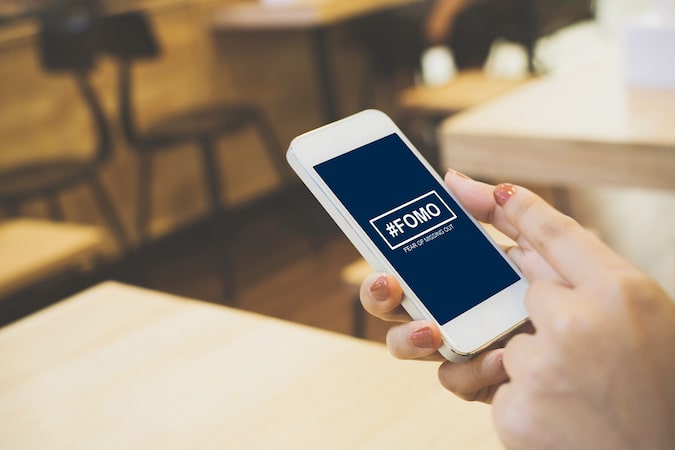
FOMO marketing has a branding problem. The phrase sounds like a villain in a hoodie whispering, “Only 3 left!” while quietly restocking 3,000 units in the warehouse. And honestly, sometimes that is exactly what it is.
But fear of missing out is not automatically manipulative. At its best, FOMO marketing helps people act on something they genuinely want before a real opportunity disappears. At its worst, it turns your website into a digital carnival booth: fake countdown timers, mysterious “someone in Denver just bought this” popups, and “exclusive” offers that are about as exclusive as air.
The problem is not urgency. The problem is dishonest urgency. Modern buyers are not clueless. They compare prices, read reviews, check Reddit, ask friends, ignore your 17th abandoned-cart email, and develop a sixth sense for nonsense. If your FOMO strategy feels fake, it does not create excitement. It creates suspicion.
So, let’s break down what FOMO marketing really is, why so many brands do it wrong, and how to use scarcity, social proof, urgency, and exclusivity in a way that increases conversions without setting customer trust on fire.
What Is FOMO Marketing?
FOMO marketing is a strategy that motivates people to take action because they believe they may miss a valuable opportunity. That opportunity could be a limited-time discount, a product drop, a live event, a private community, a bonus, early access, or a popular item that may sell out.
The psychology is simple: people dislike losing options. When a product, seat, deal, or experience appears limited, the decision becomes more emotionally charged. Buyers stop thinking, “Do I want this someday?” and start thinking, “Will I regret not acting now?”
That shift can be powerful. It is why limited product drops sell out, why webinar seats fill up faster near the deadline, why Black Friday emails scream like caffeinated raccoons, and why “only a few rooms left” can make travelers book before they have fully emotionally processed the hotel carpet.
FOMO marketing usually relies on four major triggers: scarcity, urgency, social proof, and exclusivity. Used honestly, these triggers help customers make timely decisions. Used carelessly, they become dark patterns that pressure people into purchases they may regret.
Why FOMO Works So Well
FOMO works because humans are social, comparison-prone, and allergic to regret. We watch what other people do because it helps us make decisions faster. If a restaurant is packed, we assume the food is good. If a course has 10,000 students, we assume it is useful. If a product has hundreds of verified reviews, we feel safer clicking “Add to Cart.”
That is social proof. It reduces uncertainty by showing that others have already taken the leap. In marketing, this can appear as testimonials, customer photos, review counts, waitlists, case studies, live attendance numbers, or community activity.
Scarcity adds another layer. When something is limited, it seems more valuable. The logic is not always rational, but it is deeply human. A jacket available forever feels ordinary. The same jacket released in a limited run of 500 suddenly has main-character energy.
Urgency turns interest into action. A deadline tells the buyer, “This decision cannot live in your mental junk drawer forever.” Without urgency, many people delay. They open the tab, compare alternatives, get distracted, remember laundry exists, and vanish into the internet fog.
Exclusivity makes the offer feel special. Early access, members-only pricing, invite-only communities, limited beta programs, and private launches all communicate that the customer is not just buying something; they are being included.
Where Most Brands Get FOMO Marketing Wrong
1. They Fake Scarcity
Fake scarcity is the fastest way to turn a conversion tactic into a trust problem. If your site says “only 2 left” every day for three months, customers will eventually notice. Maybe not today. Maybe not tomorrow. But one day, someone will refresh the page, see the same warning, and realize your inventory message has the honesty level of a raccoon near a trash can.
Real scarcity is fine. Fake scarcity is a credibility leak. If a product is actually low in stock, say so. If a sale actually ends Friday, say so. But if the deadline resets every time someone clears cookies, the campaign is not clever. It is a tiny trust tax charged to every visitor.
2. They Overuse Countdown Timers
Countdown timers can be effective when they represent a real deadline. A launch bonus closing at midnight? Great. A shipping cutoff before Christmas? Helpful. A flash sale with a clear end time? Fair game.
But a countdown timer on every page, every day, for every visitor is not urgency. It is décor. Worse, it trains customers to ignore you. If everything is urgent, nothing is urgent. Your audience starts treating your timers the way people treat smoke alarms with low batteries: annoying, familiar, and eventually invisible.
3. They Confuse Pressure With Persuasion
Good FOMO says, “Here is a valuable opportunity, and here is why timing matters.” Bad FOMO says, “BUY NOW OR YOU ARE A FAILURE WITH BAD SHOES.”
Pressure can produce short-term sales, but it often creates buyer’s remorse. Persuasion builds confidence. The difference matters. Customers who feel tricked may buy once. Customers who feel helped come back, leave reviews, refer friends, and open your emails without whispering, “What do you want now?”
4. They Use Social Proof That Looks Manufactured
Social proof is powerful only when it feels real. Fake reviews, suspiciously perfect testimonials, bot followers, and vague claims like “thousands love us” can do more harm than good.
Authentic social proof is specific. It includes real customer language, verified purchase indicators, names or business types when appropriate, balanced review patterns, user-generated content, and case studies with measurable outcomes. People trust details. They distrust copy that sounds like it was written by a committee trapped in a conference room with inspirational wall art.
5. They Add Urgency Before Fixing the Offer
FOMO cannot rescue a weak offer. If the product page is confusing, the pricing is unclear, shipping costs appear at the last second, or the return policy reads like a medieval curse, a countdown timer will not save you.
Urgency amplifies what already exists. If the offer is strong, urgency can accelerate action. If the offer is weak, urgency accelerates doubt. Before adding “last chance” messaging, make sure the customer actually understands what they are getting, why it matters, and why your brand is worth trusting.
How to Do FOMO Marketing Right
Start With a Real Reason to Act Now
The best FOMO campaigns begin with truth. Ask: why should someone act today instead of next month? If you cannot answer honestly, you do not have a FOMO campaign yet. You have a decorative emergency.
Real reasons include limited inventory, seasonal availability, event capacity, early-bird pricing, expiring bonuses, production limits, cohort start dates, shipping deadlines, or a genuine price increase. The reason does not have to be dramatic. It just has to be real.
Use Specific, Transparent Copy
Vague urgency sounds suspicious. Specific urgency sounds helpful. Compare these two messages:
Weak: “Hurry! This deal will disappear soon!”
Better: “Early-bird pricing ends Friday at 11:59 p.m. ET. After that, the course returns to $299.”
The second version gives customers information they can use. It reduces confusion, sets expectations, and makes the deadline believable. Specificity is the seatbelt of FOMO marketing: not glamorous, but extremely useful when things move fast.
Make Scarcity Customer-Centered
Scarcity should help customers decide, not corner them. Instead of screaming “ONLY 1 LEFT!!!” like a haunted billboard, explain the practical impact.
For ecommerce, that might mean: “Only 4 left in size medium.” For events: “Registration closes Monday so we can send workshop materials in advance.” For services: “We accept 5 new clients per month to protect project quality.”
Customer-centered scarcity answers the buyer’s silent question: “Why is this limited?” When the reason makes sense, the message feels credible.
Pair Urgency With Value
Urgency gets attention. Value earns action. A deadline alone is not enough. The customer still needs to understand the benefit.
Instead of “Sale ends tonight,” try “Save 25% on the starter kit before tonight’s launch offer ends.” Instead of “Last chance to register,” try “Last chance to join the live SEO workshop and get your site reviewed during Q&A.”
Notice the difference. The stronger examples do not simply push time pressure. They remind the buyer what they will gain.
Use Social Proof Responsibly
Good social proof should reduce risk. Show verified reviews, customer photos, industry-specific testimonials, before-and-after results, media mentions, expert endorsements, or usage numbers that you can support.
For example, a SaaS company might say, “Used by 2,400+ small marketing teams,” if that number is accurate. A course creator might say, “More than 800 students enrolled in the last cohort.” A skincare brand might feature customer photos with permission and clear disclaimers that results vary.
Resist the urge to polish social proof until it becomes plastic. A few realistic reviews with concrete details can be more persuasive than a wall of five-star praise that sounds like everyone was legally required to be delighted.
Segment Your FOMO Campaigns
Not every customer needs the same nudge. A first-time visitor may need education and trust. A returning visitor may need comparison content. A cart abandoner may need a reminder, shipping incentive, or low-stock alert. A loyal customer may respond best to early access.
Segmentation keeps FOMO from becoming noisy. It lets you match urgency to intent. For example, a “final hours” email makes sense for subscribers who clicked the launch page three times. It is less charming when sent to someone who joined your list 11 minutes ago for a free checklist about houseplants.
FOMO Marketing Examples That Actually Make Sense
Limited Product Drops
Limited drops work because scarcity is built into the product strategy. Streetwear brands, beauty companies, creators, and specialty retailers often use drops to create anticipation before release day. The key is to be clear about quantity, timing, and restock expectations.
A good drop campaign might include teaser content, waitlist registration, early access for loyal customers, a countdown to launch, and post-drop transparency such as “sold out in 18 minutes.” The excitement feels earned because the product is genuinely limited.
Early-Bird Pricing
Early-bird pricing is one of the cleanest forms of urgency. It rewards decisive buyers while giving hesitant buyers a clear deadline. This works especially well for courses, conferences, memberships, and events.
The mistake is hiding the future price. The better approach is to say, “Register by June 30 for $149. Standard pricing begins July 1 at $199.” That is not manipulation. That is a calendar doing its job.
Cart Reservation
Cart reservation can be useful when inventory is truly limited. For example, ticketing platforms and high-demand product launches often reserve items for a short window so customers can complete checkout without losing their spot.
But be careful. If the timer is fake or unnecessarily aggressive, it creates stress. If the reservation window is real and clearly explained, it improves the customer experience.
Waitlists and Beta Access
Waitlists create FOMO by showing that demand exists before full availability. This is common in software, communities, creator products, and premium services. A strong waitlist campaign explains what members get: early access, founder pricing, bonus training, priority onboarding, or private updates.
The best waitlists do not just collect emails. They build a story. They show progress, share behind-the-scenes updates, and make people feel involved before launch day.
The Ethics of FOMO Marketing
Ethical FOMO marketing respects customer autonomy. It gives people timely information without tricking them. That means no fake reviews, no fake stock warnings, no fake countdown timers, no hidden fees, no shame-based opt-out buttons, and no pretending a public offer is private.
Ethical urgency should pass a simple test: would you feel comfortable explaining the campaign to a customer in plain English? If the answer is no, rewrite it. If the answer is “Only if I dim the lights and speak very quickly,” definitely rewrite it.
Regulators, platforms, and customers are all paying more attention to deceptive online practices. Fake reviews and misleading social proof are not just bad branding; they can create legal and reputational risk. A conversion boost is not impressive if it comes with angry customers, refund requests, public complaints, or compliance problems.
How to Measure FOMO Without Fooling Yourself
Do not judge a FOMO campaign only by immediate conversion rate. A fake urgency tactic may increase sales today while damaging repeat purchases tomorrow. Track both short-term and long-term metrics.
Useful metrics include conversion rate, click-through rate, revenue per visitor, email open rate, cart recovery rate, refund rate, customer complaints, unsubscribe rate, repeat purchase rate, average order value, and customer lifetime value.
Also test message tone. A calm, specific deadline often performs better over time than aggressive panic copy. The best FOMO marketing does not make people feel hunted. It makes them feel informed, included, and ready.
A Simple FOMO Marketing Framework
Step 1: Define the Real Limitation
Is the limitation time, quantity, access, price, capacity, bonus availability, or seasonal relevance? Write it down before writing the campaign.
Step 2: Explain Why It Matters
Tell customers what they gain by acting now and what changes after the deadline. Be specific. “Bonus ends Friday” is better than “Don’t miss out.”
Step 3: Add Trust Signals
Support the offer with reviews, guarantees, transparent pricing, clear policies, product details, customer examples, or expert proof.
Step 4: Reduce Friction
Make the next step easy. A strong deadline cannot overcome a confusing checkout, broken mobile page, surprise fees, or a form that asks for someone’s fax number like it is 1998.
Step 5: Follow Through
If the sale ends Friday, end it Friday. If early access is for subscribers, keep it that way. If only 100 spots exist, do not quietly create 400 more unless you clearly explain the change.
Experience Notes: What FOMO Marketing Looks Like in the Real World
In real campaigns, the biggest FOMO mistake is usually not bad writing. It is bad alignment. A marketing team gets excited about urgency, adds a timer, throws “limited” into the headline, and assumes the work is done. Then the results look strange: clicks go up, sales rise briefly, refunds increase, support tickets get spicy, and the brand wonders why customers seem irritated.
One common experience is the “permanent flash sale.” At first, it works. People see the discount, notice the deadline, and buy. But after a few cycles, subscribers learn the pattern. They stop buying at full price. They wait for the next “final chance” email because the last final chance apparently had several sequels. The brand trains its own audience to distrust deadlines and devalue the product.
Another real-world pattern is fake popularity. A business adds popups saying people are buying constantly. The page feels busy, but not necessarily trustworthy. Customers may wonder: if so many people are buying, why does the site need to keep telling me every eight seconds? Real momentum is persuasive when it supports the decision. Fake momentum feels like someone standing behind you in a store whispering, “Everyone loves this blender.” Please stop whispering about the blender.
The best FOMO experiences tend to be quieter. A small ecommerce brand launching a seasonal candle might say, “This scent is poured once for fall and will not return until next year.” That is believable. A consultant might say, “I have two strategy spots open for July because each engagement includes weekly calls and implementation review.” That explains the limit. A course creator might offer a live bonus for people who join before the cohort starts because late buyers cannot attend the onboarding session. That makes sense.
Strong FOMO also respects the customer after the sale. If someone buys because of early-bird pricing, they should not see a cheaper offer two days later. If they joined for exclusive access, they should actually receive something exclusive. If the campaign promised a bonus, the bonus should be easy to find, not buried behind seven logins and a PDF named “final-final-v3.”
From a practical marketing perspective, ethical FOMO often produces better audience quality. Buyers who understand the deadline and value proposition are less likely to feel tricked. They are more likely to use the product, attend the event, recommend the brand, and buy again. That matters because the real win is not squeezing one nervous purchase out of someone. The win is becoming a brand people trust when timing matters.
The lesson is simple: FOMO should sharpen a good offer, not disguise a weak one. Use it like seasoning, not like a fire extinguisher full of paprika. A little urgency can make an honest opportunity more compelling. Too much turns the whole campaign into noise.
Conclusion
FOMO marketing is not dead. Lazy FOMO marketing is. Customers still respond to real scarcity, meaningful deadlines, authentic social proof, and exclusive opportunities. What they do not respond well toat least not for longis being pressured, tricked, or treated like a walking credit card with Wi-Fi.
The right way to use FOMO is to make timing useful. Give customers a clear reason to act, support the offer with honest proof, explain the limitation, and respect the deadline you set. When urgency is truthful, it helps buyers decide. When it is fake, it teaches them not to trust you.
In other words, do not make people afraid of missing out on your offer. Make the offer so relevant, clear, and timely that missing it would genuinely be a shame.
Editorial note: This article is synthesized from current U.S. marketing guidance, ecommerce UX research, consumer psychology insights, and consumer protection guidance. Source links are intentionally omitted for publication-ready formatting.
SEO Tags

