
Beauty Unlocked
Fish High in Omega-3 and Low in Mercury
Aug
Fish can be one of the smartest foods on your plateright up until grocery-store labels start making dinner feel like a chemistry exam. You want heart-friendly omega-3 fatty acids, but you would rather not invite a side order of mercury to the meal. Fortunately, plenty of fish deliver generous amounts of EPA and DHA while remaining low on the mercury scale.
The best options are generally smaller oily fish or species that do not spend decades eating other fish. Salmon, sardines, Atlantic mackerel, herring, anchovies, and trout are standout examples. They are nutritious, widely available, and far easier to cook than their fancy restaurant reputations suggest.
Current guidance and nutritional principles synthesized from the American Heart Association, NIH Office of Dietary Supplements, Mayo Clinic, and FDA.
Why Look for Fish High in Omega-3 and Low in Mercury?
Fish offers high-quality protein along with nutrients such as vitamin B12, selenium, iodine, vitamin D, iron, and choline. Fatty fish also supply the marine omega-3 fats eicosapentaenoic acid, or EPA, and docosahexaenoic acid, or DHA.
EPA and DHA are different from alpha-linolenic acid, or ALA, the omega-3 found mainly in flaxseed, chia seeds, walnuts, and certain vegetable oils. The body can convert some ALA into EPA and DHA, but the conversion is limited. Eating fish provides these long-chain omega-3s directlyno metabolic paperwork required.
Regular fish consumption is consistently associated with cardiovascular benefits. Omega-3 fats can help reduce triglyceride levels and may support healthy blood vessels, normal heart rhythm, and a balanced inflammatory response. Fish also frequently replaces foods higher in saturated fat, sodium, or refined carbohydrates, which may be just as important as the omega-3 content itself.
Mercury complicates the story. Nearly all fish contain at least traces of it, but the amounts differ dramatically. The goal is not to find a mythical mercury-free fish wearing a tiny halo. It is to choose species that provide plenty of nutrition with relatively little mercury exposure.
EPA explains that methylmercury exposure is primarily associated with fish consumption and that larger predatory species generally accumulate more.
The Best Low-Mercury, Omega-3-Rich Fish
The omega-3 content of fish varies with species, diet, habitat, farming practices, and preparation. The approximate amounts below are based on typical three-ounce cooked servings and should be treated as useful comparisons rather than numbers carved into a stone tablet.
| Fish | Approximate EPA and DHA | Mercury Profile | Easy Ways to Eat It |
|---|---|---|---|
| Atlantic salmon | About 1.5–1.8 grams per 3 ounces | Low; FDA “Best Choice” | Roasted, grilled, air-fried, canned, or added to bowls |
| Atlantic herring | About 1.7 grams per 3 ounces | Low; FDA “Best Choice” | Pickled, smoked, broiled, or served on whole-grain toast |
| Sardines | About 1.2 grams per 3 ounces | Very low; FDA “Best Choice” | Mashed into toast, tossed with pasta, or added to salads |
| Atlantic mackerel | About 1 gram per 3 ounces | Low; FDA “Best Choice” | Grilled, roasted, smoked, or mixed into fish cakes |
| Canned pink salmon | About 0.9 gram per 3 ounces | Very low; FDA “Best Choice” | Salmon patties, sandwiches, salads, and grain bowls |
| Rainbow trout | About 0.8 gram per 3 ounces | Low; FDA “Best Choice” | Pan-seared, baked in foil, grilled, or flaked into tacos |
| Anchovies | High in EPA and DHA for their size | Very low; FDA “Best Choice” | Dissolved into sauces, dressings, pasta, or pizza |
| Canned light tuna | About 0.2 gram per 3 ounces | Lower than albacore; FDA “Best Choice” | Sandwiches, wraps, casseroles, and bean salads |
Omega-3 estimates are based on USDA-linked data summarized by NIH; mercury categories and monitoring data come from FDA guidance.
1. Salmon: The Dependable All-Star
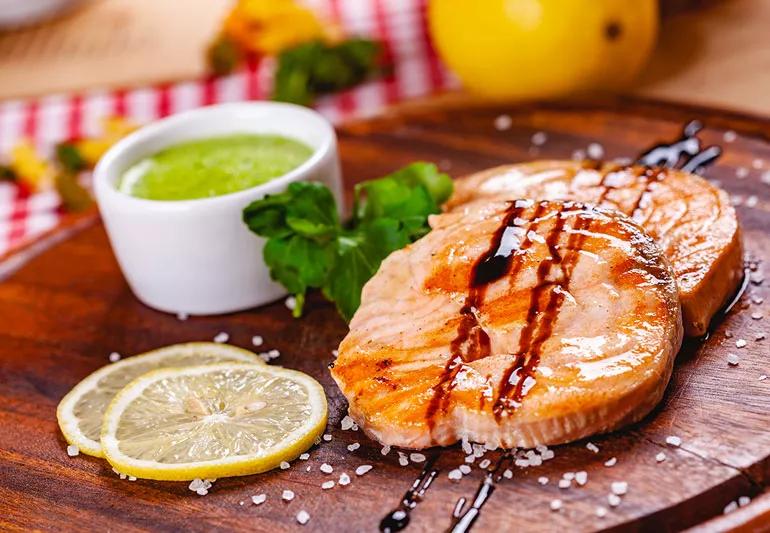
Salmon is the fish that shows up, does the job, and somehow looks good in every recipe photo. Both wild and farmed Atlantic salmon provide substantial EPA and DHA. Farmed salmon often contains more total fat and may therefore provide more omega-3 per serving, although its nutrient profile depends partly on its feed.
Fresh, frozen, and canned salmon are all useful. Frozen fillets can be just as nutritious as fresh ones and are often more affordable. Canned salmon is particularly practical because it is shelf-stable, already cooked, and easy to turn into patties or sandwiches. When the soft bones are included, canned salmon also provides calcium.
2. Sardines: Tiny Fish, Ridiculous Nutritional Résumé
Sardines are small, oily fish that tend to accumulate very little mercury. They provide EPA, DHA, protein, vitamin B12, selenium, and, when the bones are eaten, calcium. In other words, the little fish in the can have been overachieving while the rest of us were looking for the can opener.
Beginners may prefer sardines packed in olive oil, tomato sauce, or water. Mash them with lemon juice, mustard, herbs, and a little yogurt or mayonnaise. The result works well on toast and tastes far less intimidating than eating a sardine straight from the tin while maintaining intense eye contact with it.
3. Atlantic Mackerel: Excellent, but Read the First Name
Atlantic mackerel is rich in omega-3 and relatively low in mercury. It has firm, flavorful flesh that works well with acidic ingredients such as lemon, vinegar, tomatoes, and mustard.
The word Atlantic matters. King mackerel is a large predatory fish with much higher mercury levels and appears on the FDA and EPA “Choices to Avoid” list for pregnant or breastfeeding people and young children. Atlantic mackerel is a different species and is listed as a “Best Choice.” This is one occasion when checking the full name prevents an unfortunate seafood identity crisis.
4. Herring: More Than a Pickled Curiosity
Herring is one of the richest common sources of EPA and DHA. It is widely eaten smoked, pickled, canned, or grilled. Because smoked and pickled products can be high in sodium, compare labels when sodium intake is a concern.
Try herring with potatoes, whole-grain crackers, cucumber, dill, or a crisp salad. Its bold flavor means a modest serving can carry an entire meal without requiring six sauces and a culinary degree.
5. Trout: Mild Enough for Fish Skeptics
Rainbow and freshwater trout offer a gentler flavor than sardines, herring, or mackerel while still providing meaningful amounts of EPA and DHA. Trout is especially good baked with lemon, garlic, and herbs or pan-seared until the skin becomes crisp.
Store-bought trout is included among the FDA’s best lower-mercury choices. Locally caught trout is a separate matter because contaminant levels can vary by lake, river, fish size, and region. Always check state or Tribal fish-consumption advisories before making a weekly habit of eating your catch.
6. Anchovies: The Secret Ingredient
Anchovies are small, low-mercury fish with an intense savory flavor. They do not have to sit visibly on top of pizza unless that is your personal path to happiness. When cooked gently in olive oil, anchovies dissolve into sauces and provide depth without making the dish taste aggressively fishy.
Add one or two fillets to tomato sauce, salad dressing, sautéed greens, or pasta with garlic and breadcrumbs. Watch the sodium, especially with salt-cured varieties, but do not underestimate their ability to make ordinary food taste like someone in the kitchen knows what they are doing.
7. Canned Light Tuna: Convenient, but Not the Omega-3 Champion
Canned light tuna is generally lower in mercury than albacore or white tuna and is classified as a “Best Choice” by the FDA. Its omega-3 content is lower than salmon, sardines, herring, or mackerel, so it is better viewed as a convenient supporting player rather than the star of an omega-3 strategy.
Use light tuna for quick lunches, but rotate it with fattier fish. Variety improves nutrient intake and keeps lunch from becoming the same tuna sandwich quietly staring back at you every Tuesday.
Why Some Fish Contain More Mercury
Mercury enters waterways through natural processes and pollution. Microorganisms can convert it into methylmercury, which is absorbed by aquatic life. Small organisms are eaten by small fish, small fish are eaten by larger fish, and the concentration increases as mercury moves through the food chain.
Large predatory fish generally live longer and eat many smaller fish, giving mercury more time to accumulate in their tissues. That is why shark, swordfish, king mackerel, marlin, orange roughy, Gulf of Mexico tilefish, and bigeye tuna sit at the high end of federal mercury guidance.
Cooking does not reliably remove mercury because it is distributed through the fish’s muscle tissue rather than sitting conveniently on the surface waiting to be rinsed away. Choosing lower-mercury species is therefore more effective than attempting to cook the mercury out of a swordfish steak.
FDA and EPA classify fish by mercury concentration and identify seven highest-mercury choices for sensitive groups.
How Much Fish Should You Eat?
The American Heart Association recommends two servings of fish per week, particularly fatty fish. Its standard serving is approximately three ounces cooked. For many adults, two meals built around salmon, sardines, trout, Atlantic mackerel, or herring provide a practical foundation.
Pregnancy and Breastfeeding
FDA and EPA advice recommends two to three weekly servingseight to twelve ounces totalof fish from the “Best Choices” category for people who are pregnant or breastfeeding. Current U.S. dietary guidance specifically highlights low-mercury, omega-3-rich seafood such as salmon, sardines, and trout during pregnancy.
Fish supplies DHA, EPA, iodine, choline, iron, zinc, protein, vitamin B12, and other nutrients involved in maternal health and fetal development. Avoiding all fish out of fear of mercury can mean missing these benefits. The better strategy is to choose the right fish rather than banishing the entire ocean from the menu.
Children
Children can also eat lower-mercury fish, but serving sizes should be adjusted for age. FDA guidance uses portions ranging from about one ounce for toddlers to four ounces for children age 11 and older. Remove bones carefully and choose preparations that are fully cooked and easy to chew.
Locally Caught Fish
Fish from a grocery store and fish pulled from a nearby lake are not interchangeable from a safety-guidance perspective. Local fish may contain mercury, PCBs, PFAS, or other contaminants that vary by waterway and species. Check state, local, or Tribal advisories. When no advisory is available, federal guidance recommends limiting consumption and avoiding other fish during that week.
Serving recommendations are based on FDA, EPA, AHA, the 2025–2030 Dietary Guidelines for Americans, and ACOG.
Shopping for Omega-3-Rich, Low-Mercury Fish
Read the Exact Species Name
“Mackerel” is not specific enough. Atlantic mackerel and king mackerel have very different mercury profiles. Tuna labels also matter: canned light tuna is generally lower in mercury than albacore, while bigeye tuna belongs to the highest-mercury category for sensitive populations.
Use Frozen and Canned Fish
Frozen fish is convenient, reduces waste, and can be cooked directly from frozen in many recipes. Canned salmon and sardines make omega-3-rich meals possible even when the refrigerator looks like it has entered witness protection.
Check Sodium on Smoked and Canned Products
Smoked herring, cured anchovies, and flavored canned fish can contain substantial sodium. Compare brands, drain the fish when appropriate, and balance the meal with unsalted vegetables, beans, potatoes, or whole grains.
Choose Fish You Will Actually Eat
Theoretical nutrition has limited value if the fish remains frozen for nine months while you repeatedly order pizza. Start with mild salmon or trout if strong flavors are unfamiliar. Add sardines or anchovies to familiar dishes in small amounts before promoting them to the center of the plate.
Healthy Cooking Methods That Protect the Meal
Baking, roasting, grilling, poaching, steaming, and air-frying can produce flavorful fish without burying it under a thick fried coating. Deep-frying does not erase omega-3s entirely, but it may add substantial calories and less-desirable fats, depending on the oil and cooking method.
Most finfish should reach an internal temperature of 145°F. Properly cooked fish should be opaque and separate easily with a fork. Thaw frozen fish overnight in the refrigerator or use a sealed bag in cold water when time is short.
- Sheet-pan salmon: Roast salmon with broccoli, cherry tomatoes, olive oil, lemon, and garlic.
- Trout tacos: Bake trout with cumin and lime, then serve it in corn tortillas with cabbage.
- Sardine pasta: Toss sardines with whole-grain pasta, tomatoes, parsley, lemon, and breadcrumbs.
- Mackerel bowls: Add roasted Atlantic mackerel to brown rice, cucumber, greens, and a vinegar-based dressing.
- Anchovy vegetables: Melt anchovies into olive oil before sautéing broccoli, kale, or green beans.
FDA and USDA advise cooking most fish to an internal temperature of 145°F and using safe thawing and storage practices.
Common Mistakes to Avoid
- Assuming every fatty fish is low in mercury: Some oily predatory fish still contain substantial mercury.
- Confusing Atlantic and king mackerel: One is a best choice; the other is a choice to avoid for sensitive groups.
- Relying exclusively on tuna: Canned light tuna is convenient, but salmon, sardines, herring, and trout generally supply more EPA and DHA.
- Ignoring local advisories: A species that is usually low in mercury commercially may face restrictions in a contaminated lake or river.
- Taking high-dose supplements without guidance: Prescription-strength omega-3 products have medical uses, but concentrated supplements can interact with medications or be inappropriate for some people.
- Turning fish into a salt delivery vehicle: Smoked, pickled, and canned products can be nutritious, but labels deserve a glance.
A Simple Two-Meal Weekly Plan
You do not need to reorganize your life around a fishing boat. A straightforward rotation can cover the basics:
- Meal one: Four ounces of baked salmon with roasted vegetables and brown rice.
- Meal two: Sardines on whole-grain toast with a tomato, white bean, and arugula salad.
The following week, swap in trout and Atlantic mackerel. Another week might include canned salmon patties and pasta with anchovies. Rotating species keeps meals interesting while reducing dependence on any single fish source.
Practical Experiences: Making Low-Mercury Fish a Real Habit
Nutrition advice often sounds wonderfully simple: eat fatty fish twice a week. Then real life enters the kitchen carrying a grocery bill, a picky child, and exactly 22 minutes before everyone becomes hungry enough to eat the furniture.
One of the most useful practical lessons is that frozen portions remove much of the planning. Individually frozen salmon or trout fillets can go from freezer to oven with minimal preparation. A little olive oil, lemon, garlic powder, and black pepper is enough. The fish cooks while vegetables roast on the same pan, which means fewer dishes and fewer opportunities to decide that cereal counts as dinner.
Canned fish solves a different problem: lunches. Canned salmon can replace tuna in sandwiches, wraps, and salads. Mixing it with mustard, chopped celery, lemon juice, and plain yogurt creates a filling lunch in minutes. Salmon patties are another reliable option. Combine canned salmon with an egg, breadcrumbs, herbs, and a little mustard, then cook the patties in a skillet. They freeze well, making them useful for households that enjoy cooking once and eating more than once.
Sardines often require a gradual introduction. Serving an untouched sardine on a plate and announcing “This is healthy” is not always a winning marketing strategy. A gentler approach is to mash sardines into a spread with lemon, capers, parsley, and a creamy ingredient. They can also be broken into tomato pasta, where their flavor blends with garlic and herbs. People who dislike fish bones can buy boneless, skinless sardines, though varieties with edible bones provide more calcium.
Anchovies are easiest when treated as seasoning rather than a main protein. Heating one or two fillets in olive oil causes them to melt into the pan. Add garlic, tomatoes, greens, or pasta, and the anchovies contribute a deep savory flavor without announcing themselves with a tiny brass band. This technique is especially helpful for people who claim to hate anchovies but enjoy Caesar dressing and many restaurant pasta sauces.
Atlantic mackerel and herring have stronger flavors, so acidity becomes their best friend. Lemon, vinegar, mustard, pickled onions, tomatoes, apples, and fresh herbs cut through the richness. Pairing these fish with plain potatoes or whole grains also creates balance. For smoked versions, smaller portions are often satisfying because the flavor is concentrated and the sodium may be high.
For families, trout and salmon tend to be the easiest starting points. Their texture is familiar, and they work with sauces children already recognize. Flaked salmon can be folded into pasta, quesadillas, rice bowls, or scrambled eggs. Trout can be turned into tacos with mild seasoning and crunchy cabbage. The meal still counts even when the fish is not presented as a majestic whole fillet surrounded by artfully scattered herbs.
Cost is another common concern. Prices vary, but canned sardines, canned salmon, frozen fillets, and store-brand fish can make omega-3-rich seafood more affordable. Checking the price per ounce is more informative than judging the package price alone. A larger frozen bag may cost more initially but provide several meals with no risk of fresh fish spoiling before it reaches the pan.
The most sustainable personal routine is rarely the most elaborate one. Keep two or three preferred options available, learn one dependable recipe for each, and rotate them. A freezer bag of salmon, a few cans of sardines, and a jar of anchovies can cover several weeks of meals without requiring restaurant skills or a dramatic relationship with the seafood counter.
Practical recommendations are consistent with consumer guidance from Mayo Clinic, Cleveland Clinic, Johns Hopkins Medicine, Harvard T.H. Chan School of Public Health, FDA, and USDA.
Conclusion
The best fish high in omega-3 and low in mercury are salmon, sardines, Atlantic mackerel, herring, trout, and anchovies. Canned light tuna can also fit into a varied seafood routine, although it supplies less EPA and DHA than the fattier options.
For most adults, two weekly servings of fatty fish provide a practical target. People who are pregnant or breastfeeding should follow FDA and EPA guidance and choose two to three servings from the “Best Choices” category. Children need smaller portions, and anyone eating locally caught fish should check regional advisories.
Ultimately, the healthiest fish is not merely the one with the most impressive nutrition statistics. It is a lower-mercury option you can afford, prepare safely, and enjoy often enough to become part of your routine. Salmon may be the crowd favorite, but sardines, trout, herring, anchovies, and Atlantic mackerel deserve considerably more room at the table.
This article synthesizes information from 13 reputable U.S. sources: FDA, EPA, NIH Office of Dietary Supplements, USDA FoodData Central, USDA Food Safety and Inspection Service, Dietary Guidelines for Americans 2025–2030, American Heart Association, CDC, Mayo Clinic, Harvard T.H. Chan School of Public Health, Cleveland Clinic, Johns Hopkins Medicine, and the American College of Obstetricians and Gynecologists.

