
Beauty Tools & Accessories
Exercises to Help with Bloating
May
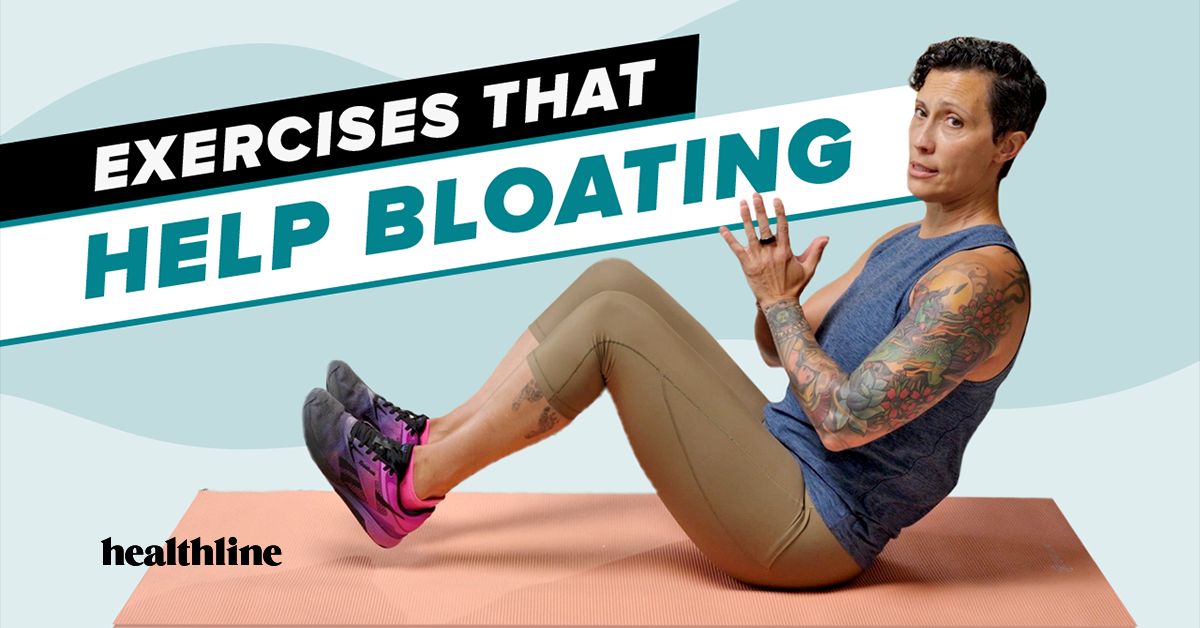
Few things ruin a perfectly good day like bloating. One minute you are living your life, and the next your stomach feels like it swallowed a beach ball, a marching band, and maybe a tiny grumpy cloud. The good news is that gentle movement can often help. While exercise is not a magic wand for every cause of bloating, the right kinds of movement may help trapped gas move along, encourage bowel activity, reduce stress-related gut drama, and make your midsection feel a lot less “inflatable.”
If you are searching for exercises to help with bloating, the smartest approach is to think gentle, not gladiator. This is usually not the moment for max-effort burpees or an ab workout that leaves you questioning your life choices. For many people, a short walk, easy yoga, deep breathing, and light core-friendly movement are far more helpful. They support digestion without making an irritated belly even crankier.
Below, you will find the best exercises for bloating, how they may work, and when bloating is a sign you should stop blaming broccoli and call a healthcare professional instead.
Why Exercise Can Help Relieve Bloating
Bloating is a feeling of fullness, tightness, pressure, or swelling in the abdomen. Sometimes it comes with visible distension, and sometimes it just feels like your jeans launched a personal attack. Common causes include excess gas, constipation, swallowing air too quickly, overeating, food intolerances, irritable bowel syndrome, stress, and slower digestion.
Movement may help in several ways. First, gentle activity can encourage the digestive tract to keep things moving. That matters because gas and stool that hang around too long can turn your abdomen into a grumpy storage unit. Second, exercise may help release trapped gas more efficiently. Third, relaxing movement such as yoga or diaphragmatic breathing can calm the gut-brain connection. In plain English, when your nervous system chills out, your digestive system often stops acting like it is in a hostage negotiation.
This is also why the best exercise for bloating relief is often low-impact. Walking, stretching, gentle twisting, and breathing drills are typically more useful than intense training right after a heavy meal. Your belly is asking for a nudge, not a boot camp.
The Best Exercises to Help with Bloating
These movements are simple, beginner-friendly, and realistic for actual humans with actual schedules. Aim for slow, easy breathing throughout. If any move causes sharp pain, dizziness, or worsening symptoms, stop.
1. The Post-Meal Walk
If there were an MVP in the world of exercises for bloating, it would probably be walking. A short walk after eating may help stimulate digestion, support bowel motility, and encourage gas to move through the intestines instead of setting up camp there.
How to do it: Walk at an easy to moderate pace for 10 to 15 minutes after meals. You do not need to speed-walk like you are late to an airport gate. A comfortable pace is enough.
Why it helps: Walking is practical, low-risk, and surprisingly effective. It may be especially useful when bloating is related to constipation, sluggish digestion, or that overly full “I regret the second plate” sensation.
2. Knees-to-Chest Pose
This move is often nicknamed the wind-relieving pose, which is either refreshingly honest or slightly rude depending on your mood. Either way, it is a classic for a reason. Bringing the knees toward the chest can gently compress the abdomen and may help relieve pressure from trapped gas.
How to do it: Lie on your back. Draw one knee into your chest and hold for 20 to 30 seconds, then switch sides. After that, bring both knees in and hug them gently for another 20 to 30 seconds. Rocking side to side can feel nice if it is comfortable.
Best for: Gas-related bloating, lower abdominal pressure, and general digestive crankiness.
3. Cat-Cow Stretch
Cat-Cow is a gentle spinal movement that alternates between rounding and arching the back. It is simple, soothing, and a great way to get the torso moving without jarring the abdomen.
How to do it: Start on hands and knees. Inhale as you lift your chest and tailbone slightly for Cow. Exhale as you round your spine and tuck your chin for Cat. Move slowly for 30 to 60 seconds.
Why it helps: The rhythmic motion can reduce stiffness, encourage abdominal mobility, and support relaxation. It is also a nice choice when bloating comes with that stiff, uncomfortable “I swallowed a bowling ball” posture.
4. Seated or Supine Spinal Twist
Gentle twisting can feel excellent when the belly feels tight. The key word here is gentle. You are not wringing out a towel. You are creating soft rotation through the torso while keeping the breath steady.
How to do it: You can do this seated in a chair or lying on your back. For the lying version, bring your knees up, then let them fall to one side while turning your chest gently the other way. Hold for 20 to 30 seconds, then switch sides.
Why it helps: Twists may help release tension through the abdomen and lower back, areas that often feel tight when you are bloated.
5. Child’s Pose
Child’s Pose is one of the gentlest yoga stretches around. It can help calm the nervous system, soften the abdominal wall, and give your body a chance to downshift from stress mode.
How to do it: Kneel on the floor, sit back toward your heels, and stretch your arms forward as you fold over. If compressing the belly feels awkward, separate your knees a bit wider. Rest for 30 to 60 seconds while breathing slowly.
Best for: Stress-related bloating, upper abdominal tension, and the kind of day when your stomach is upset and your brain is adding commentary.
6. Happy Baby
This pose looks silly, which is honestly part of the charm. It opens the hips, relaxes the pelvic area, and can feel especially helpful when bloating is tied to constipation or lower abdominal pressure.
How to do it: Lie on your back and bring your knees toward your armpits. Hold behind your thighs or the outsides of your feet if comfortable. Keep the lower back relaxed. Stay for 20 to 30 seconds.
Why it helps: It can release tension in the hips and pelvic floor, which may be useful for people who tend to brace or clench when uncomfortable.
7. Deep Diaphragmatic Breathing
This may not look like exercise, but it absolutely belongs on the list. Shallow, chest-heavy breathing can go hand in hand with stress and abdominal tension. Deep breathing encourages the diaphragm to move more fully and may help calm the digestive system.
How to do it: Sit or lie comfortably. Place one hand on your chest and one on your belly. Inhale through your nose and let your belly rise. Exhale slowly through pursed lips. Continue for 1 to 3 minutes.
Best for: Bloating that gets worse with anxiety, stress, or the sensation that your whole torso is bracing for impact.
8. Gentle Marching or Standing Torso Rotations
When you do not want to get on the floor, a simple standing routine works well. Light marching in place and slow torso rotations can get the body moving without much effort.
How to do it: March in place for 30 to 60 seconds. Then stand with feet hip-width apart and rotate your torso slowly from side to side, letting your arms swing naturally. Repeat for 1 to 2 minutes.
Why it helps: This mini routine is easy to do at home, at work, or in the kitchen while pretending you are definitely not bloated from lunch.
9. Supported Squat or Toilet-Posture Practice
Not every bloating problem is about gas. Sometimes the real villain is constipation wearing a fake mustache. A supported squat can help open the pelvic outlet and support more comfortable bowel movements.
How to do it: Hold onto a counter, sturdy table, or door frame and sink into a shallow squat. Keep your heels down if possible. Stay for 15 to 20 seconds, then stand. Repeat a few times. You can also place your feet on a small stool when using the toilet to mimic a more natural squat angle.
Best for: Bloating related to constipation or incomplete bowel movements.
How to Build a Simple Anti-Bloat Routine
You do not need an elaborate wellness ritual involving imported candles and a playlist called “Digestive Moonlight.” A simple routine works just fine.
Try this:
- Take a 10- to 15-minute walk after your largest meal.
- Do 1 to 2 minutes of Cat-Cow.
- Add a gentle twist and knees-to-chest pose.
- Finish with 1 to 3 minutes of diaphragmatic breathing.
That is enough for many people. The goal is consistency, not acrobatics.
What Else Helps Alongside Exercise?
Movement works better when you pair it with basic digestive common sense. If bloating keeps coming back, look at the full picture.
Eat More Slowly
Fast eating, gulping drinks, and talking while chewing can increase swallowed air. Your gut did not order extra oxygen with dinner.
Watch Your Personal Triggers
Common troublemakers include carbonated drinks, very large meals, greasy foods, sugar alcohols, and certain fermentable carbohydrates. For some people, dairy, beans, onions, or cruciferous vegetables are the usual suspects. The issue is not that these foods are “bad.” It is that your gut may have opinions.
Increase Fiber Carefully
Fiber can help constipation, but adding a ton of it overnight can also make bloating worse. Go slowly and drink enough water.
Manage Stress
The gut and brain are close collaborators. Unfortunately, they sometimes use that partnership for evil. Stress, anxiety, and poor sleep can all aggravate bloating and IBS symptoms.
When Exercise Will Not Fix Bloating
Sometimes bloating is occasional and harmless. Sometimes it is your body waving a small but important flag. Exercise can help many cases of gas and mild constipation, but it is not the answer to everything.
Talk to a healthcare professional if your bloating is frequent, severe, or does not improve with simple changes. Get checked sooner if you also have:
- Unintentional weight loss
- Blood in the stool
- Persistent vomiting
- Severe or worsening abdominal pain
- Fever
- Ongoing diarrhea or constipation
- Trouble eating or drinking
- Heartburn that keeps hanging around like an unwanted houseguest
Persistent bloating can sometimes be linked to IBS, food intolerances, chronic constipation, small intestinal bacterial overgrowth, celiac disease, gastroparesis, or other digestive conditions. In other words, if your belly is making a habit of this, it deserves a proper investigation.
Common Experiences People Have with Exercises to Help with Bloating
One of the most interesting things about exercises to help with bloating is how quickly some people notice a difference. Not always instantly, and not always dramatically, but often enough to make it worth trying before you declare war on your waistband. A lot of people expect relief to come from a pill, a tea, or some mysterious internet trick involving lemon water and optimism. In reality, the body often responds best to very boring, very effective basics: walking, breathing, stretching, and not panicking.
A common experience is the “after-dinner rescue walk.” Someone eats a large meal, feels pressure building, and takes an easy walk around the block. Ten minutes later, the abdomen feels less tight, the gas starts moving, and the person wonders why they ever doubted the power of an ordinary stroll. It is not glamorous, but neither is bloating. We work with what we have.
Another frequent pattern shows up in people with desk jobs. They sit for hours, eat lunch quickly, and by late afternoon their stomach feels swollen and stiff. When they begin adding short movement breaks, even two or three minutes at a time, they often notice less fullness by evening. This does not mean they are cured forever. It means the digestive system, much like a sleepy office printer, works better when it is not ignored all day.
People dealing with stress-related bloating often have a different story. Their symptoms may flare during busy weeks, before presentations, during travel, or whenever life becomes delightfully chaotic. For them, deep breathing and restorative yoga can be surprisingly helpful. The relief is not always because gas vanishes on command. Sometimes the real change is that the abdominal wall softens, the nervous system calms down, and the sensation of pressure becomes much more manageable. The belly and the brain are nosy neighbors. When one starts yelling, the other usually joins in.
Then there are people whose bloating is tied to constipation. They may discover that the combination of daily walking, gentle squats, hydration, and a consistent bathroom routine makes the biggest difference. Often the improvement is gradual rather than dramatic. Day one may feel like “nothing happened.” Day five may feel like “okay, that is better.” Day ten is when they realize their body has stopped staging a daily rebellion.
Some people also learn an important lesson: harder is not better. A brutal core workout right after a heavy meal can make bloating feel worse, not better. The body tends to prefer soft, rhythmic movement when the gut is irritated. So if your stomach is distended, now is probably not the time to chase a six-pack. It is the time to choose a walk, a twist, or a breathing drill and save the heroics for another day.
The biggest shared experience is this: people often feel better when they stop waiting passively for bloating to disappear and start using gentle movement intentionally. Not perfectly, not obsessively, just regularly. The routine does not have to be fancy. It just has to happen.
Conclusion
The best exercises to help with bloating are usually the simplest ones: walking after meals, gentle yoga poses, easy torso movement, supported squats, and deep diaphragmatic breathing. These can help move gas, support bowel regularity, reduce abdominal tension, and calm the gut-brain stress loop that often makes bloating worse.
If your bloating is occasional, these strategies are a smart place to start. If it is persistent, painful, or paired with red-flag symptoms, let a healthcare professional step in. Your gut may just need a walk, or it may need a closer look. Either way, you do not have to keep guessing while your stomach auditions for a balloon animal.
SEO Tags

