
Body Care
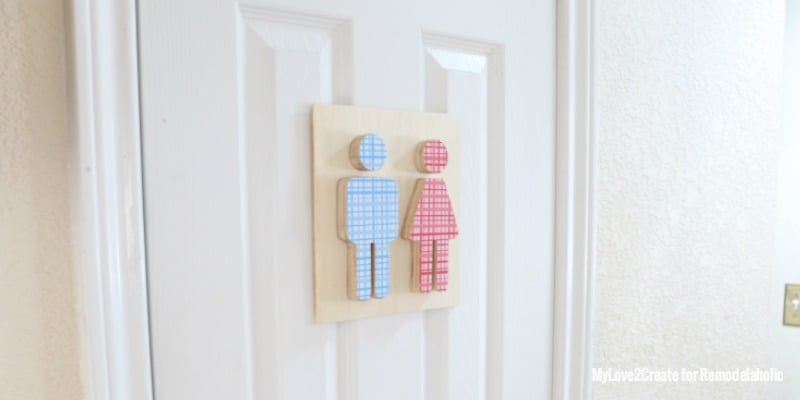
Easy Boy and Girl Restroom Cutout Signs
Aug
Some home projects demand power tools, a weekend, and the emotional resilience to realize you measured the board upside down. These easy boy and girl restroom cutout signs are not that kind of project. They are quick, cheerful, customizable, and wonderfully useful for helping guests find the bathroom without wandering into the laundry room and making eye contact with a basket of unmatched socks.
Whether you are decorating a family bathroom, organizing a party, styling a classroom, creating signs for a wedding venue, or adding charm to a small business restroom, simple restroom cutout signs can make a space feel more polished. With unfinished wood cutouts, paint, vinyl, or even sturdy cardstock, you can create a sign that looks intentional instead of temporary.
This guide walks through easy materials, design choices, painting tips, placement ideas, and real-world lessons for making boy and girl restroom signs that are fun, readable, and durable. It also covers an important distinction: decorative bathroom signs are great for homes and events, but public facilities may need compliant restroom signage with accessibility features beyond a handmade cutout.
Why Boy and Girl Restroom Cutout Signs Still Work
Simple human-shaped restroom signs have survived decades of décor trends because they are instantly understandable. A dress-shaped figure and a pants-shaped figure can communicate “restroom” in about half a second, which is exactly how much time a guest wants to spend decoding a door sign when they have already had three cups of coffee.
For homes and informal spaces, bathroom cutout signs are especially helpful when the bathroom door is tucked away in a hallway, hidden near a mudroom, or located behind a door that looks suspiciously like a closet. They also work well for:
- Birthday parties, weddings, showers, and family reunions
- Classrooms, daycare spaces, and playrooms
- Vacation rentals and guest suites
- Rustic cabins, farmhouses, and lake houses
- Restaurants, cafés, salons, and boutiques that want decorative accents
- Temporary event restrooms or portable restroom areas
The key is to treat the cutout as a friendly visual cue, not as the only source of information. A small word such as “Restroom,” “Ladies,” “Gentlemen,” “Washroom,” or “All-Gender Restroom” can make the sign clearer for more visitors.
Choose the Right Material for Your Restroom Door Signs
The best material depends on where the sign will live, how long you need it to last, and how likely it is to encounter humidity, fingerprints, or a toddler with a mysterious purple crayon.
Unfinished Wood Cutouts
Wooden people cutouts are a favorite for DIY restroom décor because they are sturdy, paintable, and easy to personalize. Look for thin plywood, basswood, birch, or MDF cutouts at craft stores. Wood gives a sign a warm, handmade look and works beautifully with farmhouse, rustic, coastal, vintage, and minimalist interiors.
Choose a thicker cutout if the sign will be mounted on a frequently used door. Thin wood works well for wall décor, but a thicker piece is less likely to warp, crack, or develop the dramatic bend of a potato chip.
Acrylic Cutouts
Acrylic bathroom signs look clean and modern. Black, white, clear, frosted, gold, or mirrored acrylic can fit a contemporary home, salon, office, or event space. Acrylic is easier to wipe clean than unfinished wood, making it useful near sinks and high-touch doors.
Use vinyl lettering or an adhesive label for the text. Painting acrylic is possible, but vinyl often gives a sharper finish for beginners.
Cardstock, Foam Board, or Poster Board
For a one-day event, cardstock is perfectly respectable. Print or trace a simple restroom icon, cut it out, mount it on foam board, and attach it with removable adhesive. This option is ideal for parties, classroom events, photo booths, and outdoor gatherings where permanent signage would be overkill.
Use laminated paper or clear contact paper if there is any chance of splashes, rain, or enthusiastic beverage carrying.
Vinyl Decals
Vinyl decals are excellent when you want a sleek, low-profile sign. You can cut a boy and girl silhouette using a cutting machine or purchase ready-made decals. Permanent vinyl generally performs better in bathrooms because it handles occasional moisture and regular wiping more successfully than temporary vinyl.
Supplies You Need for an Easy DIY Restroom Sign
You do not need a full craft studio or a suspicious number of glue guns. A basic project can be completed with a handful of supplies:
- Boy and girl wood cutouts, acrylic cutouts, or printed silhouettes
- Fine-grit sandpaper for wood
- Acrylic craft paint, spray paint, stain, or paint markers
- Small paintbrushes or foam brushes
- Painter’s tape or vinyl stencils
- Letter stickers, vinyl lettering, or a paint pen
- Clear protective sealer for wood signs
- Command strips, double-sided mounting tape, screws, or adhesive dots
- A pencil, ruler, and level
For a polished look, add a small rectangular backing board behind each cutout. A white cutout on a dark-stained board, or a black cutout on a pale wood board, creates instant contrast and makes the sign much easier to spot from across the hallway.
How to Make Easy Boy and Girl Restroom Cutout Signs
Step 1: Pick a Style Before You Start Painting
Choose a style that matches the room instead of choosing paint colors during a craft-store aisle panic. A modern bathroom may look best with black-and-white silhouettes. A farmhouse bathroom can handle stained wood, matte white paint, and tiny painted flowers. A children’s bathroom might welcome bright colors, polka dots, capes, bows, or superhero masks.
Keep the two signs visually related. They do not need to be identical, but they should look like they belong in the same family. Think siblings, not distant cousins at a reunion.
Step 2: Sand and Clean the Cutouts
If you are using unfinished wood, lightly sand the front, edges, and any rough spots. Wipe away dust with a clean cloth before painting. Skipping this step may seem harmless, but rough edges have a magical ability to show up only after you have applied your favorite paint color.
For acrylic, wipe the surface with a lint-free cloth so no dust or fingerprints become permanent guests under the vinyl or paint.
Step 3: Paint the Base Color
Apply thin coats rather than one thick coat. Thin layers dry more evenly and reduce drips. Acrylic craft paint works well for indoor wooden signs, while spray paint can create a smoother modern finish. Let the first coat dry fully before adding another.
Classic combinations include black and white, navy and cream, sage green and natural wood, charcoal and gold, or soft pink and dusty blue. You can also skip traditional color coding entirely and use the same neutral shade for both signs. The shape and label will do the communicating.
Step 4: Add Details Without Overcrowding the Design
This is the moment when many DIY projects take a hard left into “craft store explosion.” A little detail goes a long way. Add one simple feature, such as a bow, bow tie, floral accent, mustache, hat, suspenders, or a painted border.
For a clean look, use a paint pen to outline the silhouette. For a more playful sign, attach a tiny wooden heart, mini flower, or painted initial. Keep embellishments flat and secure so they do not become loose after repeated door slams.
Step 5: Add Clear Text
Even the cutest icon benefits from words. Add “Restroom,” “Women,” “Men,” “Girls,” “Boys,” “Guests,” or a simple family-friendly phrase such as “Please Wash Your Hands.” Use high-contrast lettering that can be read quickly.
For a home bathroom, playful wording is fine. For example, “Loo,” “Powder Room,” “Wash Up,” or “The Throne Room” can make guests smile. For an event, clear labels are usually better than clever ones. A wedding guest should not need to solve a riddle to find the restroom while wearing formal shoes.
Step 6: Seal the Sign and Mount It Securely
A clear protective finish helps painted wood resist smudges, dust, and light moisture. Choose a matte sealer for a rustic look, satin for a subtle sheen, or gloss for a brighter finish. Let the sign cure according to the product instructions before mounting it.
For lightweight signs, removable adhesive strips are useful because they avoid holes in the door. For heavier wood signs, use screws, small nails, or strong mounting hardware. Always test the door swing before committing to the final location. A beautiful sign is less charming when it gets bonked by a cabinet every time someone enters.
Easy Design Ideas for Every Decorating Style
Farmhouse Restroom Signs
Use white painted wood cutouts on dark-stained boards. Add black lettering, a small wreath, or a distressed edge. A simple “His” and “Hers” style can work in a private home, though it is best to use clearer labels for guests or public spaces.
Modern Minimalist Signs
Choose flat black acrylic or painted wood silhouettes on a plain white door. Skip decorative details and use clean sans-serif lettering. This style looks sharp in apartments, offices, salons, and updated powder rooms.
Vintage-Inspired Bathroom Signs
Use muted paint shades, rounded lettering, and old-fashioned frames. Cream, faded navy, burgundy, forest green, and antique gold work well. A little distressing can create character, but do not distress it so much that it looks like it survived a shipwreck.
Kids’ Bathroom Cutout Signs
For a children’s bathroom, turn the cutouts into little characters. Add superhero capes, animal ears, rain boots, crowns, or favorite colors. You can even make the signs removable so children can switch them out as their interests change from dinosaurs to astronauts to “only purple, forever.”
Make the Signs Clear, Inclusive, and Guest-Friendly
Boy and girl restroom cutout signs can be a fun decorative choice, especially in homes, schools, and themed events. Still, not every visitor identifies with a traditional male-or-female symbol. When possible, add a clear written label, offer an all-gender restroom option, or use a universal “Restroom” sign for a single-user bathroom.
For a single-stall restroom, “All-Gender Restroom” or simply “Restroom” is often the clearest choice. A toilet symbol, sink symbol, or straightforward word label can be more inclusive than assigning the room to a particular gender.
For public-facing businesses, schools, rental properties, medical offices, and event venues, decorative cutouts should not be treated as a substitute for required signage. Accessibility rules may require tactile characters, Braille, contrast, non-glare finishes, specific mounting locations, or other features. Confirm applicable ADA requirements and local building rules before relying on a handmade sign as official restroom identification.
Common Mistakes to Avoid
The most common mistake is making the sign too small. A tiny cutout may look adorable from six inches away, but it becomes invisible from the hallway. Choose a size that guests can notice before they arrive at the wrong door.
Another mistake is using low-contrast colors. White lettering on pale wood may look elegant in a close-up photo, but real life is not an Instagram flat lay. Aim for dark-on-light or light-on-dark contrast so the words stay readable in normal room lighting.
A third issue is mounting too low, too high, or too close to the door handle. Place the sign at an easy-to-see eye level and leave enough space that hands, bags, and swinging doors do not hide it.
Finally, do not forget moisture. Bathrooms are humid little weather systems. If your sign is near a shower or sink, seal painted wood, use wipeable materials, and avoid delicate paper decorations unless the sign is meant to be temporary.
Real-World Experiences With DIY Restroom Cutout Signs
People often assume a restroom sign is too small a project to make much difference. Then they host a party, watch three guests open the coat closet, and suddenly realize that clear signage is one of civilization’s underrated achievements.
One of the best things about easy restroom cutout signs is how quickly they solve a practical problem while making the room feel more intentional. In a home with several doors off one hallway, even close friends may hesitate before opening the correct one. A simple wooden restroom figure turns uncertainty into confidence. Nobody has to ask, nobody has to guess, and nobody accidentally discovers where you keep the vacuum cleaner.
Crafting experiences also show that simple designs usually win. The signs that hold up best are often painted in one or two colors, sealed properly, and mounted securely. Highly detailed signs can look adorable at first, but tiny glued-on accessories may loosen over time. A miniature bow is charming until it falls off and becomes a mysterious object found under the bathroom rug six months later.
Another lesson is that color matters less than contrast. A dramatic black silhouette on a white door is easy to see. A pale gray silhouette on a pale gray door may look sophisticated, but it can also disappear faster than a good hand towel during a family holiday. When guests are unfamiliar with the space, clarity should always get the final vote.
For parties and weddings, removable signs are especially useful. Foam-board cutouts, laminated printables, and vinyl decals can create a polished temporary setup without requiring permanent holes or a major decorating commitment. This is ideal for venues where guests enter through unfamiliar hallways or where restroom doors blend into the architecture.
Parents and teachers often find that restroom cutout signs become a small teaching tool, too. Children learn where the restroom is, remember to wash their hands, and gain confidence navigating a new environment. A playful sign can make a bathroom feel less intimidating for young children, especially when it includes friendly colors, familiar characters, or a simple visual reminder.
In business spaces, the experience is slightly different. Decorative signs can add personality, but they should supportnot replaceclear, accessible restroom identification. A café may use a charming wooden cutout as wall décor while also maintaining proper restroom signs nearby. That balance allows a business to be memorable without making guests work too hard to understand where they are going.
The most successful projects tend to follow one rule: make the sign useful first and cute second. Fortunately, those two goals get along beautifully. A readable, well-mounted restroom sign can still have flowers, mustaches, tiny bow ties, beachy paint, rustic stain, or a dash of humor. It simply should not require an instruction manual, a magnifying glass, or a committee meeting.
Ultimately, easy boy and girl restroom cutout signs are a reminder that useful décor does not have to be boring. A few supplies, a little paint, and a clear design can turn an ordinary door into something welcoming, practical, and pleasantly memorable.
Note: Decorative restroom cutout signs are ideal for homes, parties, classrooms, and temporary events. For public or commercial restrooms, verify current accessibility and local code requirements before using handmade signage as official identification.

