
Beauty Unlocked
Dietary Supplements: Separating Fact from Fiction
Jul
Walk into any pharmacy, grocery store, gym lobby, or online marketplace and you’ll meet the modern supplement jungle: multivitamins promising “daily balance,” gummies shaped like candy, protein powders with names that sound like action movies, and herbal capsules that whisper, “Trust me, I’m natural.” Dietary supplements can be helpful, but they can also be confusing, overhyped, unnecessary, or even risky when used without the right information.
The truth is not “all supplements are bad” or “everyone needs a cabinet full of them.” The truth is much more practical: dietary supplements are tools. A hammer is useful when you need to hang a shelf; it is less useful when you are trying to make soup. In the same way, supplements may help fill specific nutrition gaps, support certain medical needs, or correct deficiencies. But they are not magic shields against disease, shortcuts to perfect health, or replacements for food, sleep, exercise, and medical care.
This guide separates supplement fact from fiction using real, evidence-based principles from U.S. health and regulatory sources. We’ll cover what supplements can and cannot do, how to judge claims, which groups may benefit, what risks to watch for, and how to buy smarter without turning your kitchen counter into a tiny vitamin warehouse.
What Are Dietary Supplements?
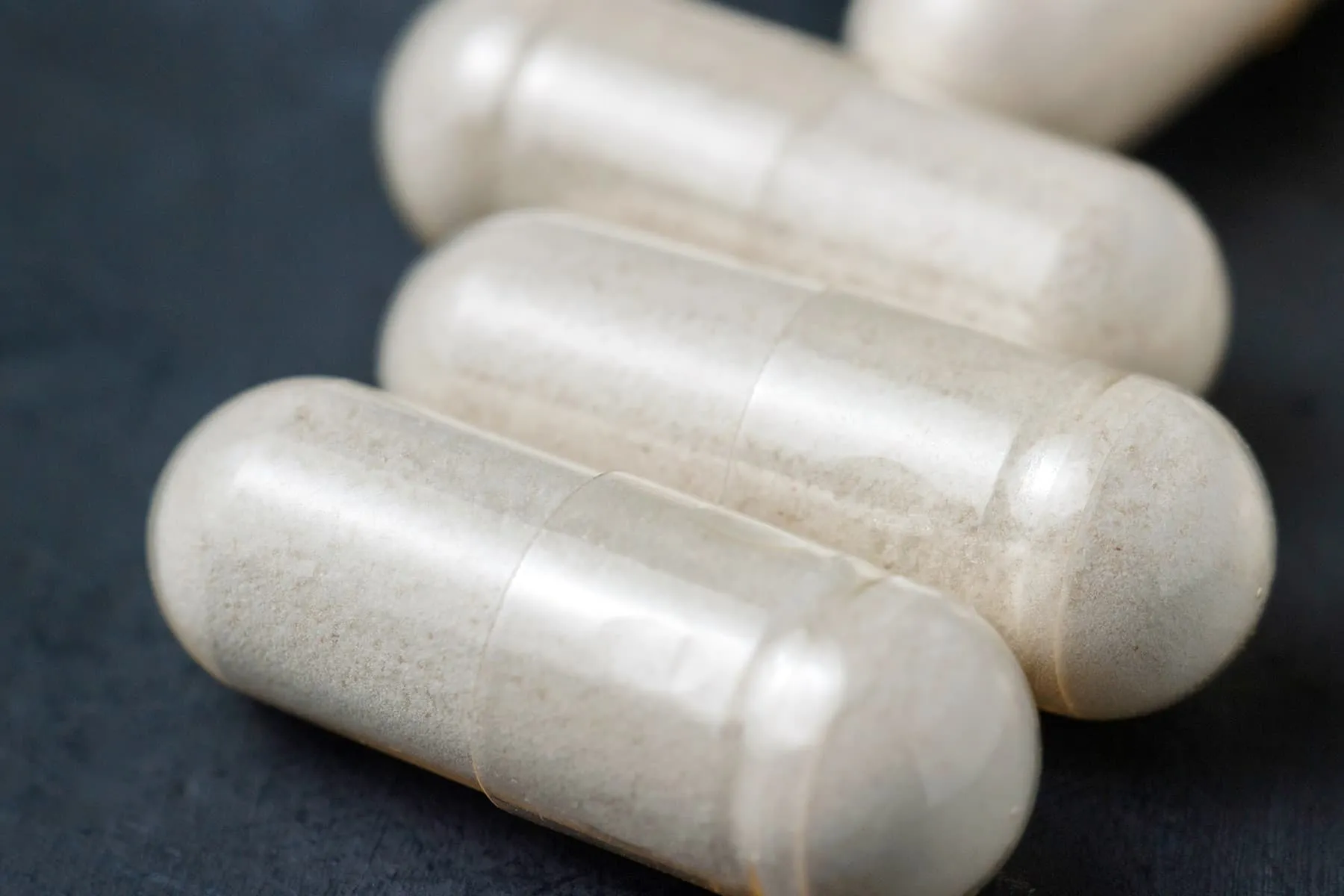
Dietary supplements are products meant to add nutrients or other substances to the diet. They can come as tablets, capsules, gummies, powders, liquids, bars, or softgels. Common examples include vitamins, minerals, herbs, botanicals, amino acids, probiotics, fiber products, fish oil, protein powders, and specialty blends marketed for sleep, energy, immunity, digestion, joints, hair growth, or sports performance.
Unlike prescription drugs, supplements are not intended to diagnose, treat, cure, or prevent disease. That distinction matters. A vitamin D supplement may help someone with low vitamin D levels reach a healthy range, but a bottle claiming to “cure depression,” “reverse diabetes,” or “melt fat overnight” deserves a raised eyebrow, a second raised eyebrow, and possibly a slow walk away from the checkout cart.
Fact: Supplements Can Help in Specific Situations
Some supplements have clear value when used for the right person, at the right dose, for the right reason. For example, folic acid is important before and during early pregnancy to support fetal neural tube development. Vitamin B12 may be needed by people following a strict vegan diet or by those with absorption problems. Iron can help people with diagnosed iron deficiency, though it should not be taken casually because too much iron can be harmful. Calcium and vitamin D may be recommended for some people with low intake, osteoporosis risk, or deficiency.
Supplements can also be useful when diet alone is not meeting needs. Older adults, pregnant people, people with food allergies, individuals with certain gastrointestinal conditions, people after some bariatric surgeries, and those taking medications that affect nutrient absorption may need targeted supplementation. In these cases, supplements are not wellness glitter sprinkled on top of a healthy lifestyle; they are practical support for a measurable need.
Examples of Evidence-Based Supplement Use
- Vitamin D: May be recommended when blood levels are low, sun exposure is limited, or bone health is a concern.
- Vitamin B12: Often important for vegans, some older adults, and people with absorption issues.
- Iron: Useful for diagnosed deficiency, but not a “just in case” supplement.
- Folic acid: Recommended for people who may become pregnant.
- Omega-3 fatty acids: May help lower triglycerides in certain cases, though benefits vary depending on dose, formulation, and health status.
- Fiber supplements: Can help some people meet fiber goals when food intake falls short.
Fiction: “Natural” Always Means Safe
One of the most persistent myths about dietary supplements is that “natural” equals harmless. Poison ivy is natural. So are rattlesnakes. Nature is wonderful, but it does not come with a universal safety guarantee.
Herbal and botanical supplements can have strong biological effects. Some may interact with medications, affect blood clotting, change blood pressure, alter liver enzymes, or cause side effects. St. John’s wort, for example, is famous for interacting with many medications because it can affect how the body processes drugs. Kava has been associated with liver concerns. High-dose green tea extract has raised safety concerns in some cases. Even common nutrients can cause problems if taken in excessive amounts.
The smarter question is not “Is this natural?” but “Is this appropriate for me, at this dose, with my health history and medications?” That question is less catchy on a label, but far more useful.
Fact: More Is Not Better
Supplements often tempt people into “more must be better” thinking. If 100% of the Daily Value is good, surely 1,000% must be superhero fuel, right? Not exactly. The body needs nutrients in balanced amounts. Too little can cause problems, but too much can also cause harm.
Fat-soluble vitamins such as vitamins A, D, E, and K can accumulate in the body. Excess vitamin A may cause liver problems and birth defect risks during pregnancy. Too much vitamin D can raise calcium levels and potentially damage the kidneys or heart rhythm in severe cases. High doses of vitamin E may increase bleeding risk, especially for people on blood-thinning medications.
Minerals also deserve respect. Too much iron can be dangerous. Excess zinc can interfere with copper status and immune function. Large amounts of calcium may cause constipation and may interfere with absorption of certain medications. Supplements should support nutrition, not start a biochemical wrestling match inside your body.
Fiction: Supplements Can Replace a Healthy Diet
A multivitamin cannot do the full job of a colorful, balanced diet. Food contains fiber, water, protein, healthy fats, carbohydrates, antioxidants, minerals, vitamins, and thousands of bioactive compounds that work together in complex ways. A blueberry is not just a tiny purple vitamin delivery vehicle. A salmon fillet is not merely omega-3 with fins. Beans are not just fiber wearing a little jacket.
Whole foods provide nutrient packages that supplements usually cannot replicate. Fruits and vegetables bring fiber and phytonutrients. Whole grains offer B vitamins, minerals, and slow-digesting carbohydrates. Nuts and seeds provide healthy fats, magnesium, and texture that makes salads less emotionally depressing. Fermented foods may support a diverse diet pattern. Supplements can fill gaps, but they should not become the foundation of nutrition.
The Food-First Rule
A good rule is simple: build your diet first, supplement second. If your plate is consistently low in protein, fiber, fruits, vegetables, or healthy fats, a supplement may not fix the bigger issue. It may only decorate it. Before adding a new product, ask whether the same goal can be met with food, habit changes, or medical evaluation.
Fact: Supplement Regulation Is Different from Drug Regulation
In the United States, dietary supplements are regulated differently from prescription and over-the-counter drugs. Manufacturers are responsible for making sure their products are safe and properly labeled before they are sold. The FDA can take action against unsafe, adulterated, or misbranded supplements, but supplements generally do not go through the same premarket approval process required for drugs.
This does not mean every supplement is suspicious. Many reputable companies follow quality practices and invest in testing. But it does mean consumers need to be careful. Labels may be confusing. Claims may be cleverly worded. Some products may contain more or less of an ingredient than listed. In the worst cases, especially in categories like weight loss, sexual enhancement, bodybuilding, and extreme energy products, products may contain hidden pharmaceutical ingredients or stimulants.
That is why “clinically inspired,” “doctor formulated,” “ancient secret,” and “breakthrough blend” are not enough. Marketing language is not the same as proof.
How to Read Supplement Claims Without Getting Fooled
Supplement labels often use structure/function claims such as “supports immune health,” “promotes relaxation,” or “helps maintain healthy joints.” These statements may be legal when properly worded, but they can still be vague. “Supports” is doing a lot of heavy lifting. A chair supports your body too, but you wouldn’t eat it for knee pain.
Be skeptical of claims that sound dramatic, instant, or disease-focused. Red flags include “cures arthritis,” “reverses Alzheimer’s,” “melts belly fat,” “works better than prescription medication,” “detoxes your liver overnight,” or “scientists don’t want you to know this.” Generally, if a product sounds like it was written by a carnival barker with a ring light, pause before buying.
Smart Questions to Ask Before Buying
- What exact ingredient is supposed to work?
- What dose was used in actual research?
- Does this product contain that dose?
- Was the study done in humans or only in cells, animals, or theory?
- Who funded the research?
- Does the claim apply to people like me?
- Could it interact with my medications or medical conditions?
Third-Party Testing: A Useful Quality Clue
Third-party testing does not prove a supplement will improve your health, but it can help confirm that the product contains what the label says and meets certain quality standards. Look for reputable seals from independent testing organizations such as USP, NSF, or Informed Choice, especially for products like multivitamins, minerals, protein powders, and sports supplements.
This is especially important for athletes, military personnel, and anyone subject to drug testing. Some performance and bodybuilding supplements have been found to contain undeclared substances. A “natural muscle booster” can become a career problem if it includes a banned ingredient that was not clearly listed.
Supplement Interactions: The Risk People Forget
One of the biggest supplement mistakes is failing to tell a doctor or pharmacist what you take. Many people list prescription drugs but forget vitamins, herbs, powders, teas, and gummies. Your body, however, does not organize substances by aisle number. It processes them all.
Vitamin K can affect blood-thinning medication management. Calcium and iron may interfere with absorption of certain thyroid medications and antibiotics if taken too close together. St. John’s wort can reduce the effectiveness of multiple drugs. Fish oil, garlic, ginkgo, and vitamin E may increase bleeding risk in some situations. Sedating supplements such as melatonin, valerian, or certain herbal blends may add to the effects of alcohol, sleep medications, or anxiety medications.
Before surgery or medical procedures, supplement use matters too. Some products may affect bleeding, blood pressure, anesthesia, or recovery. A simple supplement list can save your care team from playing detective later.
Who Should Be Extra Careful?
Some groups should be especially cautious with dietary supplements. Pregnant and breastfeeding people should avoid starting supplements without professional guidance because safety data may be limited and certain nutrients or herbs can pose risks. Children should not be treated like small adults when it comes to dosing. Older adults may have higher interaction risks because they are more likely to take medications or have chronic conditions.
People with liver disease, kidney disease, heart conditions, cancer, autoimmune disorders, bleeding disorders, or upcoming surgery should be careful. Anyone taking prescription medications should check for interactions. This does not mean supplements are automatically off-limits; it means the decision should be individualized.
The Most Common Supplement Myths
Myth 1: A Multivitamin Guarantees Better Health
A multivitamin may help fill small nutrient gaps, but research has not shown that routine multivitamin use is a reliable way to prevent major chronic diseases in generally healthy adults. It is not a seat belt, umbrella, and retirement plan rolled into one tablet.
Myth 2: If It Is Sold in a Store, It Must Be Proven Effective
Store shelves are not scientific review boards. A product can be legally sold without proving it works the same way a medication must prove effectiveness before approval. Retail availability can create a false sense of certainty.
Myth 3: High-Potency Products Are Better
High potency may be appropriate for a diagnosed deficiency under supervision, but unnecessary megadoses can raise the risk of side effects. For everyday use, more modest doses are often safer.
Myth 4: Testimonials Count as Evidence
Personal stories can be interesting, but they are not proof. People may feel better for many reasons: placebo effect, lifestyle changes, normal symptom cycles, better sleep, expectation, or coincidence. Anecdotes are conversation starters, not conclusions.
Myth 5: Supplements Work the Same for Everyone
Age, diet, genetics, health conditions, medications, gut absorption, deficiency status, and lifestyle all affect whether a supplement helps. A product that is useful for one person may be unnecessary or risky for another.
How to Choose Supplements Wisely
Start with a clear reason. “I saw it on TikTok” is not a clinical indication, even if the video had dramatic lighting. Better reasons include a confirmed deficiency, a restricted diet, a healthcare recommendation, or a specific nutrition gap that cannot easily be corrected through food.
Choose products with transparent labels. Avoid proprietary blends that hide ingredient amounts. Pick single-ingredient products when possible, especially if you are trying to correct a specific issue. A simple vitamin B12 supplement is easier to evaluate than a 37-ingredient “energy matrix” with three mushrooms, five roots, and something called a thunder complex.
Check the dose against established daily values and upper limits. Look for third-party certification. Buy from reputable retailers. Be cautious with products marketed for rapid weight loss, sexual enhancement, extreme bodybuilding, “detox,” or miracle cures. Keep a list of everything you take and share it with your doctor, pharmacist, or registered dietitian.
A Practical Supplement Decision Checklist
- Need: Do I have a real reason to take this?
- Evidence: Is there human research for my specific goal?
- Dose: Is the amount reasonable and safe?
- Quality: Is there third-party testing?
- Interactions: Could it affect medications or conditions?
- Duration: How long do I actually need it?
- Monitoring: Should labs or symptoms be tracked?
Real-Life Experiences: What Supplement Use Looks Like in the Real World
In real life, supplement decisions rarely happen in a calm laboratory with perfect lighting and a clipboard. They happen at 11:43 p.m. after someone reads a headline about magnesium, watches three videos about cortisol, and suddenly wonders if their entire personality is actually a mineral deficiency. That is why personal experience around supplements can be both useful and misleading.
One common experience is the “energy supplement experiment.” A tired person adds a high-dose B-complex, an herbal energy blend, and maybe a green powder that tastes like a lawn had a spa day. For a few days, they feel motivated because they are paying attention to their health. But if the real issue is short sleep, low calories, dehydration, stress, anemia, thyroid disease, or too much caffeine, the supplement may not solve the root problem. The lesson is not that energy supplements never help; it is that fatigue deserves investigation, not just decoration.
Another familiar experience is the “hair, skin, and nails” journey. Someone notices shedding hair or brittle nails and reaches for biotin gummies. Sometimes the product seems helpful. Other times, nothing changes because the cause may be iron deficiency, thyroid imbalance, postpartum changes, stress, protein intake, genetics, or a scalp condition. Biotin can also interfere with certain lab tests, which many people do not realize. The practical takeaway: beauty supplements should not replace medical evaluation when symptoms are persistent or sudden.
Then there is the “friend recommendation” effect. A coworker says magnesium changed their sleep, a cousin swears by turmeric for joints, and someone at the gym insists creatine is essential. These stories can point you toward questions worth asking, but they should not become automatic prescriptions. Your friend’s body is not a peer-reviewed dosing guide. Their success may depend on their diet, training, deficiency status, expectations, or other habits they changed at the same time.
Many people also experience supplement overload. They begin with one reasonable product, then add another, then a seasonal immune blend, then probiotics, collagen, fish oil, vitamin D, zinc, ashwagandha, and a multivitamin “just to be safe.” Eventually, the routine becomes expensive, confusing, and hard to evaluate. If they feel better, which product helped? If they feel worse, which one caused it? A better approach is to introduce one supplement at a time, use it for a clear purpose, and track results.
A positive real-world experience often looks much simpler. Someone gets blood work showing low vitamin D and takes a recommended dose. A vegan adds B12 and maintains healthy levels. A pregnant person takes prenatal vitamins with folic acid. Someone with low fiber intake adds psyllium and improves regularity while also drinking enough water. These are not dramatic miracle stories, but they are the kind of supplement wins that actually matter.
The best experience with dietary supplements is usually boring in the best possible way: you identify a need, choose a quality product, take a safe dose, monitor results, and avoid turning your medicine cabinet into a wellness escape room. Supplements are most useful when they are part of a thoughtful plan, not a reaction to fear, hype, or a label that promises to “activate your inner glow matrix.” Whatever that means.
Conclusion: Use Supplements Like a Smart Consumer, Not a Wishful Thinker
Dietary supplements are neither heroes nor villains. They are products with potential benefits, limitations, and risks. Some can correct deficiencies, support specific health needs, or help people meet nutrient goals. Others are unnecessary, poorly supported, overpriced, or unsafe when mixed with medications or taken in excessive doses.
The smartest strategy is simple: start with food, identify your actual needs, question bold claims, choose tested products, avoid megadoses, and involve healthcare professionals when medical conditions, medications, pregnancy, surgery, or persistent symptoms are part of the picture. A good supplement plan should feel clear and purposeful, not like you need a spreadsheet, a decoder ring, and a second bathroom cabinet.
Note: This article is for general educational purposes only and should not replace medical advice. Always talk with a qualified healthcare professional before starting, stopping, or combining dietary supplements, especially if you take medications or have a health condition.

