
Makeup
Classic Mai Tai Cocktail Recipe
Aug
If the words Mai Tai make you picture a glowing orange drink wearing a paper umbrella and a tiny mountain of regret, it is time for a very delicious reset. The classic Mai Tai cocktail recipe is not a syrupy beach souvenir. It is a sharp, elegant, rum-forward drink with real structure, real personality, and just enough tropical swagger to remind you that good cocktails do not need a parade float of fruit juice to be interesting.
At its best, the Classic Mai Tai is all about balance: rich rum, bright lime, nutty orgeat, orange curaçao, and a whisper of sweetness to keep everything from throwing elbows. It is one of the most famous tiki drinks ever made, but it is also one of the most misunderstood. That is exactly why this recipe matters. When you make it the classic way, the drink tastes leaner, fresher, and far more sophisticated than many people expect.
So let’s rescue the Mai Tai from years of bad resort behavior and make the version that actually deserves the name.
What Is a Classic Mai Tai, Really?
The original Mai Tai was created to showcase great rum, not to bury it under pineapple juice, grenadine, and a fruit basket doing overtime. That is the big idea behind the drink, and once you understand that, the recipe makes perfect sense. A proper Mai Tai drinks like a rum sour with tropical flair: bright, aromatic, slightly nutty, and deeply refreshing.
That is also why bartenders and cocktail nerds get weirdly emotional about it. The classic version is simple enough that every ingredient matters, but complex enough that a small tweak can change the whole experience. Too much syrup and it turns cloying. Weak rum and it tastes flat. Bottled lime juice? Straight to tiki jail.
The result you want is crisp, fragrant, and layered. The first sip should give you citrus and orange on the front, almond and spice in the middle, and a warm rum finish that lingers just long enough to make you think, “Well, that disappeared quickly. Better make another.”
A Brief History of the Mai Tai
The Mai Tai is widely credited to Victor “Trader Vic” Bergeron, who created it in Oakland, California, in 1944. The story became part of cocktail legend: Bergeron reportedly served the drink to friends visiting from Tahiti, and one of them reacted with a phrase that roughly translates to “the best,” which then inspired the name.
Like many famous cocktails, the drink later picked up myths, copycats, shortcuts, and more than a little identity theft. Over time, hotels and bars turned the Mai Tai into a catch-all label for almost any tropical rum drink. That is how it ended up with orange juice, pineapple juice, dark rum floats, neon mixers, and enough sugar to qualify as a dessert with trust issues.
But the classic formula survived, and modern bartenders have helped restore it to its original glory. That is the version we are focusing on here: the rum-first, citrus-bright, almond-kissed drink that made the Mai Tai famous in the first place.
Classic Mai Tai Ingredients
1. Rum
Rum is the star, the engine, and the whole reason this drink exists. A Classic Mai Tai works best with a flavorful aged rum, especially Jamaican rum, because it brings funk, spice, and depth. Many bartenders also like a split base, using one ounce of Jamaican rum and one ounce of aged Martinique rhum agricole or another characterful aged rum. That combination creates more dimension and gets you closer to the layered style many modern classic recipes aim for.
2. Fresh Lime Juice
This is not the place for bottled lime juice. Fresh lime gives the drink its snap and energy. Without it, the Mai Tai loses its structure and starts tasting tired before you even garnish it.
3. Orange Curaçao
Orange curaçao adds citrus aroma, sweetness, and a bitter-orange edge that plays beautifully with rum. It is not just a sweetener. It helps connect the brightness of the lime with the richness of the spirit.
4. Orgeat
Orgeat is the ingredient that makes people pause and say, “Wait, what is that?” It is an almond syrup, often lightly floral, and it gives the Mai Tai its signature nutty softness. Without orgeat, the drink is just a rum sour wearing a Hawaiian shirt. With it, the cocktail becomes unmistakably Mai Tai.
5. Rich Simple Syrup or Rock Candy Syrup
This is the supporting actor, not the diva. A little syrup rounds the drink out and helps the rum shine. You want enough sweetness to balance the lime, but not enough to make the cocktail sticky.
6. Mint and a Spent Lime Shell
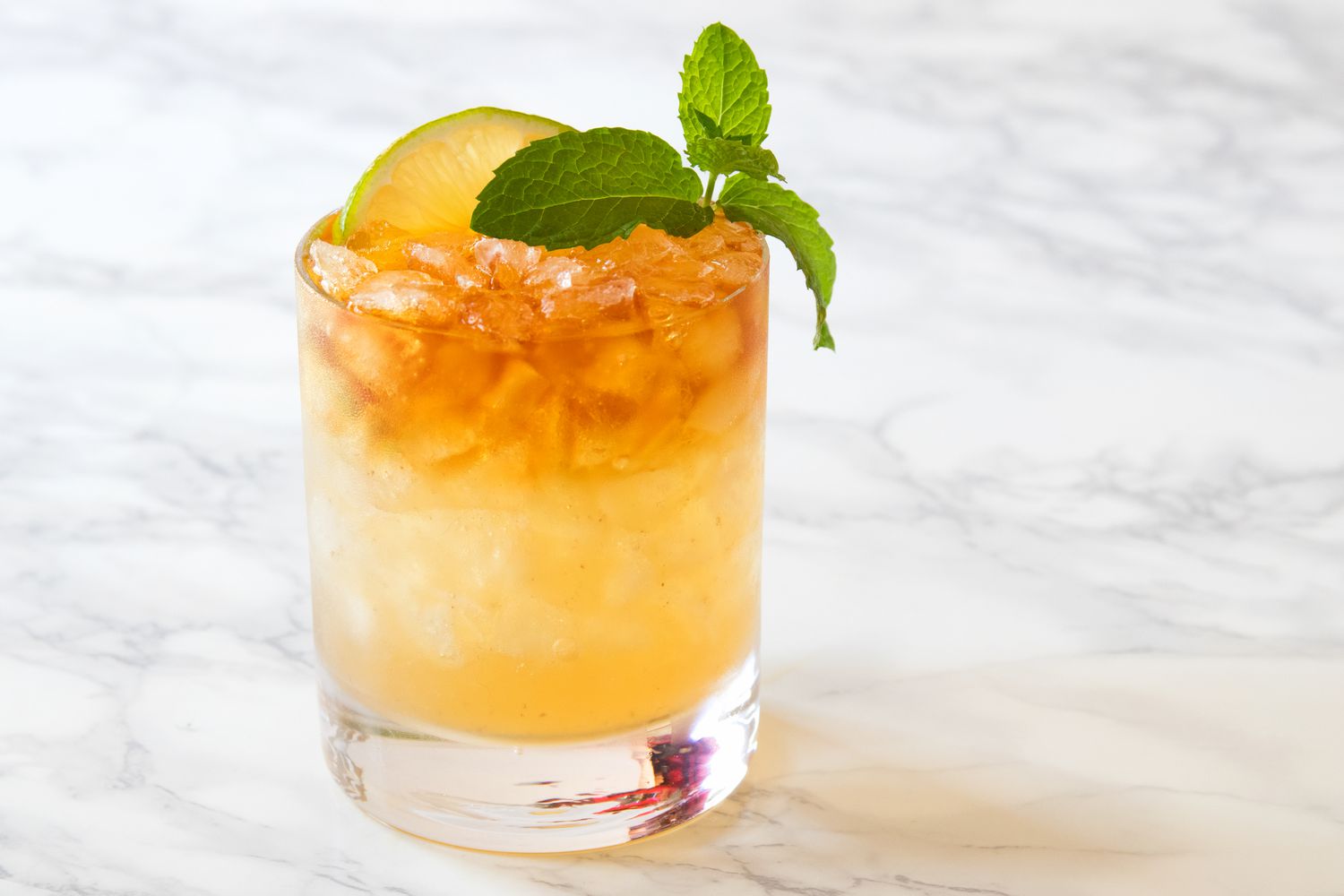
These garnishes are not just decoration. Fresh mint adds aroma every time the glass comes near your face, and the spent lime shell gives the drink its classic look. Tiny tropical island in a glass? Sure. But make it classy.
Classic Mai Tai Cocktail Recipe
Ingredients
- 1 ounce aged Jamaican rum
- 1 ounce aged Martinique rhum agricole or another flavorful aged rum
- 3/4 ounce fresh lime juice
- 1/2 ounce orange curaçao
- 1/2 ounce orgeat syrup
- 1/4 ounce rich simple syrup or rock candy syrup
- Crushed ice
- 1 spent lime shell, for garnish
- 1 fresh mint sprig, for garnish
Instructions
- Add both rums, lime juice, orange curaçao, orgeat, and syrup to a cocktail shaker.
- Fill the shaker with crushed ice and shake hard for about 10 seconds, until the drink is well chilled.
- Pour the cocktail unstrained into a double old-fashioned glass.
- Add more crushed ice to create a gentle dome on top.
- Garnish with the spent lime shell and a slapped mint sprig.
- Serve immediately and enjoy while pretending your kitchen has ocean views.
Why This Classic Mai Tai Recipe Works
This recipe works because every ingredient has a job, and none of them are freeloading. The rum brings body and complexity. Lime cuts through that richness with bright acidity. Curaçao adds orange depth. Orgeat gives texture and nutty aroma. The small amount of syrup smooths the edges without stealing the spotlight.
The split rum base is especially useful for home bartenders. Jamaican rum gives the drink its bold, funky identity, while agricole or another aged rum adds dryness, earthiness, and extra structure. If you only use a soft, neutral rum, the drink can taste pleasant but forgettable. And nobody makes a Mai Tai to be forgettable.
Crushed ice matters too. It chills the cocktail quickly, gives it the right texture, and provides gentle dilution as you drink. This is not a martini. A Mai Tai should feel relaxed, cold, and alive.
Best Rums for a Great Mai Tai
You do not need a museum-grade bottle to make a great Mai Tai at home, but you do need rum with character. Look for aged Jamaican rum with notes of banana, spice, molasses, orange peel, or a little funk. That funky edge is part of what makes the drink taste like a real Mai Tai instead of generic “tropical cocktail #4.”
If you want to build a split base, pair Jamaican rum with an aged agricole or another robust aged rum. This gives the cocktail a broader flavor profile and can make the finish feel drier and more interesting. If agricole sounds intimidating, do not panic. Think of it as the friend who shows up wearing linen and somehow makes everyone else look more put together.
If you are just starting out, keep it simple: use two ounces of a good aged Jamaican rum and make the drink a few times before experimenting. The classic Mai Tai rewards curiosity, but it also rewards restraint.
Common Mistakes That Ruin a Mai Tai
Using Too Much Juice
A classic Mai Tai is not a punch bowl. Orange juice and pineapple juice can be tasty in other tropical drinks, but they move this cocktail away from its original profile.
Using Weak or Bland Rum
The drink is designed to highlight rum. If the rum tastes like it is trying not to bother anyone, the cocktail will taste sleepy.
Skipping Fresh Lime
Fresh citrus is non-negotiable. The brightness is essential, and bottled juice will drag the whole drink down.
Overdoing the Sweetness
Orgeat and curaçao already bring sweetness. Add syrup carefully. A Mai Tai should be balanced, not sticky.
Ignoring the Garnish
Mint is aroma. Aroma is flavor. Do not toss a sad little mint leaf on top and call it a day. Use a fresh sprig and wake it up before garnishing.
Easy Variations That Still Respect the Classic
If you want to play with the formula, do it with care. The best Mai Tai variations keep the basic structure intact.
Single-Rum Mai Tai
Use two ounces of one excellent aged Jamaican rum. This version is simpler, bolder, and easier for weeknight mixing.
Drier Mai Tai
Reduce the syrup slightly if your orgeat is already very sweet. This keeps the drink crisp and lets the rum speak more clearly.
Agricole-Forward Mai Tai
Increase the agricole slightly if you like grassy, earthy notes. This version tastes more savory and angular, which some drinkers love.
The trick is to keep the soul of the drink intact. Once it becomes fruit salad with rum, you are in entirely different cocktail territory.
What to Serve With a Classic Mai Tai
A Mai Tai loves salty, rich, and lightly spicy foods. Think grilled shrimp, pork skewers, coconut rice, roasted nuts, crispy appetizers, or anything with lime and char. The drink also works surprisingly well with takeout. A proper Mai Tai next to spicy noodles or sticky ribs is the kind of home luxury that feels more expensive than it actually is.
For a party, serve Mai Tais with snacks that can handle bold rum flavor: plantain chips, glazed wings, grilled pineapple, or a good cheese board with something salty and something pickled. Basically, if the food makes you want another sip, you are doing it right.
What the Classic Mai Tai Experience Actually Feels Like
One of the most interesting things about making a Classic Mai Tai is how dramatically it can change a person’s expectations. Plenty of people approach the drink thinking they already know what it tastes like. Then they take a sip of the classic version and realize they have been dating the wrong Mai Tai all along.
The first experience is usually surprise. Instead of tasting like liquid candy, it tastes focused. The lime is bright and clean. The orange note is there, but it does not shout. The orgeat softens the edges without turning the drink into dessert. And then the rum arrives, not as a punch in the face, but as a warm, flavorful backbone. It feels intentional. Mature, even. The Mai Tai has finally paid its rent.
For home bartenders, there is also a strangely satisfying ritual to the drink. Squeezing fresh lime, measuring the ingredients, shaking with crushed ice, tucking in the lime shell, lifting the mint to your nose before you set it on the glass, it all feels a little theatrical in the best possible way. The drink has presence. Even before the first sip, it feels like an occasion.
Then there is the sound. Ice rattling in the shaker. The soft crunch of more crushed ice landing in the glass. The little pause before garnish. These details may seem small, but they are part of why the Mai Tai is such a memorable cocktail to make at home. It is not complicated, yet it feels special. That is a rare combination.
There is also the social side of the experience. Serve a classic Mai Tai to someone who only knows the overly sweet restaurant version, and you will almost always get a reaction. Sometimes it is surprise. Sometimes it is skepticism followed by immediate conversion. Sometimes it is a raised eyebrow that says, “Hold on, this is actually really good.” That moment is half the fun. The drink manages to feel familiar and new at the same time.
The aroma matters more than many people expect. A good mint sprig and fresh lime shell turn the first sip into a full sensory event. You smell brightness before you taste it, which makes the drink feel colder, fresher, and more lively. It is one of those cocktails where the garnish genuinely changes the experience instead of just posing for photographs.
And perhaps most importantly, the Classic Mai Tai has a way of slowing people down. It is refreshing, yes, but it is not empty. It has enough depth to invite attention. You notice the rum. You notice how the almond note lingers. You notice the way dilution changes the drink over time. The first sip is punchy and brisk. A few minutes later, it opens up and becomes rounder, softer, and a bit more mellow. It is a cocktail that evolves in the glass, which is part of why it has kept such a loyal following.
So the real experience of a Classic Mai Tai is not just “drinking a tropical cocktail.” It is discovering that a famous drink can still surprise you when it is made correctly. It is realizing that elegance and fun can live in the same glass. It is finding out that the best version of a classic is often the one that strips away the nonsense and trusts the ingredients. In other words: less blender chaos, more rum poetry.
Conclusion
The Classic Mai Tai cocktail recipe has survived decades of bad imitations for one simple reason: the original idea is excellent. This is a drink built on balance, not gimmicks. When made with characterful rum, fresh lime juice, quality orange curaçao, and proper orgeat, the Mai Tai becomes what it was always meant to be: bold, refreshing, aromatic, and unmistakably sophisticated.
If you have only known the overly sweet version, consider this your invitation to meet the real thing. It is brighter, cleaner, and far more interesting. And once you taste a well-made Classic Mai Tai, the fake versions start to feel like someone put a paper umbrella in your wallet and called it a vacation.

