
Body Care
Adorable Comics That Hilariously Sum Up What It’s Like Living With A Dog
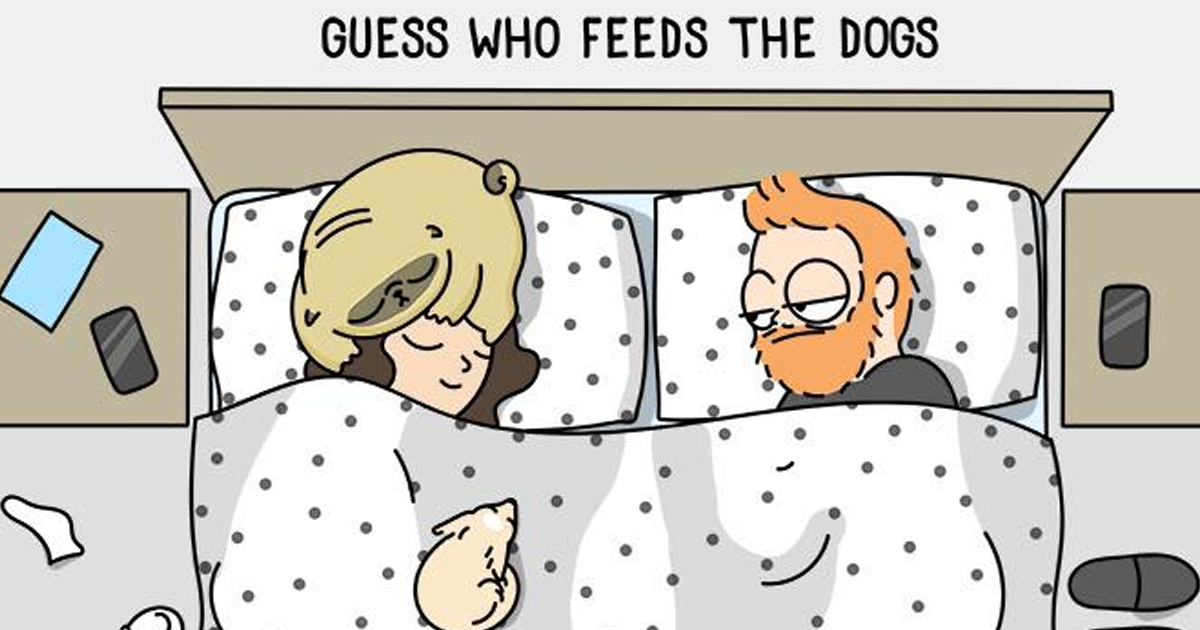
Aug
Living with a dog is less like owning a pet and more like signing a lifetime contract with a furry roommate who contributes no rent, ignores personal boundaries, and somehow becomes the emotional center of the household. One minute, your dog is sleeping peacefully with the innocence of a tiny angel. The next, that same angel is sprinting through the living room with a stolen sock and the confidence of an international jewel thief.
That combination of sweetness, confusion, and low-level domestic chaos explains why adorable dog comics are so wonderfully relatable. A few simple drawings can capture an entire day of canine companionship: the breakfast stare, the bathroom escort, the dramatic reaction to an empty treat bag, and the nightly struggle over who technically owns the bed.
The funniest comics about living with a dog do not require complicated plots. They simply observe the tiny routines dog owners know by heart. Dogs are highly social animals that communicate through posture, facial expressions, vocalizations, scent, and remarkably effective eye contact. They also become skilled at reading human gestures and household patterns, which is why your dog may recognize the sound of a cheese wrapper from three rooms away while appearing completely unfamiliar with the phrase “Come here.”
Why Comics About Living With a Dog Feel So Accurate
Great dog comics work because they exaggerate reality without needing to invent much. The dog may receive an imaginary speech bubble, wear a tiny detective hat, or present a legal argument about dinner portions, but the behavior underneath the joke is instantly recognizable.
Every Ordinary Moment Becomes a Story
To a person, opening the refrigerator is an unremarkable task. To a dog, it is the beginning of an action movie. There is suspense, possibility, danger, and perhaps cheese. The dog arrives before the refrigerator light is fully on, sits with professional discipline, and watches every hand movement as though national security depends on it.
Comics transform these ordinary moments into miniature dramas. A leash becomes a magical artifact. A bath becomes a betrayal. A vacuum cleaner becomes an invading mechanical beast. The joke lands because the artist recognizes that dogs experience familiar household events with wonderfully disproportionate enthusiasm.
The Dog Is Both Family Member and Unlicensed Supervisor
Dogs do not merely live in the home. They manage it. They inspect groceries, monitor visitors, supervise meal preparation, investigate suspicious leaves, and conduct regular security patrols around the couch.
They also learn which behaviors attract attention. Pawing, barking, whining, nudging, and placing a toy directly on a laptop can all become successful strategies when humans respond. Even being told to stop may count as a reward because the dog has achieved the real objective: making the human acknowledge that a very important dog exists.
The Most Relatable Scenes in Adorable Dog Comics
1. The Snack Surveillance Operation
A classic comic begins with a person quietly opening a bag of chips. In the first panel, the dog is asleep. In the second, one ear rises. By the third, the dog has materialized beside the person like a food-motivated ghost.
The expression is always the same: wide eyes, closed mouth, flawless posture. This is not begging, according to the dog. It is quality control. The dog is merely ensuring that the snack is safe for human consumption, one sample at a time.
The humor becomes even stronger when the dog rejects ordinary kibble but develops tremendous enthusiasm for a microscopic piece of toast. Apparently, breakfast tastes better when it was never intended for you.
2. The Complete Disappearance of Bathroom Privacy
Before getting a dog, people generally assume the bathroom is a private space. The dog disagrees. From the canine perspective, closing a door is suspicious behavior that requires immediate investigation.
A relatable comic might show the owner sitting alone for three peaceful seconds before a nose appears under the door. Then comes the paw. Then the soft whine suggesting that a tragic separation has occurred. When the door finally opens, the dog enters, confirms that everyone survived, and lies down as though this emergency inspection was always part of the schedule.
3. The Mysterious Shrinking Bed
A dog can weigh twelve pounds and still occupy approximately 94 percent of a queen-size mattress. This is achieved through advanced geometry, strategic stretching, and complete confidence that the human can sleep comfortably on a six-inch strip beside the wall.
Dog comics often show the bedtime arrangement beginning sensibly. The dog curls into a neat ball at the foot of the bed. Hours later, the human wakes diagonally folded while the dog lies sideways across both pillows.
Dogs use several sleeping positions, from tightly curled “donuts” to deeply relaxed side sleeping. Whatever position they choose, it will almost certainly place at least one paw against the owner’s ribs.
4. The Sudden Arrival of the Zoomies
Nothing captures canine unpredictability better than a zoomies comic. The house is calm. The owner is reading. The dog is resting quietly. Then, for reasons known only to the universe, the dog launches across the room at maximum speed.
There are sharp turns, wild eyes, furniture-assisted parkour, and a brief pause before the second lap. A rug moves six feet. A cushion becomes airborne. The dog finishes the performance by drinking water and returning to bed as though nothing happened.
These bursts are commonly called frenetic random activity periods. They are generally normal, brief releases of energy, especially in puppies and playful dogs. The scientific explanation is reassuring, although it does nothing to protect the coffee table.
5. The Delivery Driver Emergency
To a dog, the arrival of a package is not a routine commercial transaction. It is a defensive operation.
The comic formula is perfect: a delivery driver approaches, the dog sounds the alarm, the package is placed down, and the driver retreats. From the dog’s perspective, the strategy worked flawlessly. A dangerous stranger approached the territory, received a warning, abandoned the mysterious box, and fled.
The dog then turns toward the owner with the proud expression of an employee awaiting recognition. Barking is a normal form of canine communication, and its meaning depends on context, body language, and the situation. In this situation, the meaning is usually, “You are welcome.”
6. The Walk That Takes Forty Minutes to Cover One Block
Humans think a walk involves moving from one location to another. Dogs understand that a walk is an outdoor research expedition.
Every tree contains breaking news. Every lamp post holds neighborhood gossip. Every patch of grass must be examined with the concentration of a detective studying a complicated crime scene.
A good comic contrasts the owner’s fitness goal with the dog’s investigative method. The owner checks a watch. The dog checks the same shrub for the fourth time. No meaningful distance is traveled, but the dog returns home mentally satisfied and fully updated on local affairs.
Sniffing, exploring, chasing, chewing, and scavenging are natural canine behaviors. Enrichment that gives dogs safe opportunities to use those instincts can reduce boredom and help them feel mentally fulfilled.
7. The Toy That Lasted Seven Minutes
The packaging claims the new toy is durable. The owner feels optimistic. The dog accepts the challenge.
Panel one shows a cheerful stuffed animal. Panel two shows intense concentration. Panel three shows the living room covered in white stuffing while the dog proudly holds the fabric shell of what was once a recognizable creature.
Chewing is a normal exploratory behavior, particularly for puppies and under-stimulated dogs. Appropriate chew items, exercise, training, and mental engagement help redirect that enthusiasm away from furniture, shoes, and objects that cost considerably more than dog toys.
8. The Unbeatable Power of Puppy-Dog Eyes
A person may begin with firm principles: no food from the table, no sleeping on the couch, and absolutely no extra treats after dinner. Then the dog looks up.
The eyebrows rise. The eyes widen. The head tilts by precisely seventeen degrees. Suddenly, the human is explaining why half a piece of chicken does not technically violate the rules.
Researchers have examined the facial muscles that help dogs produce expressive eye movements, while studies of mutual gaze have explored how eye contact contributes to the human-dog bond. In practical terms, science has confirmed what dog owners already suspected: the face is extremely powerful.
9. The Work-From-Home Assistant
Remote work introduced many dogs to an exciting new concept: their humans are now available all day and should behave accordingly.
A typical comic shows an owner beginning an important video meeting. The dog chooses that exact moment to bark at a leaf, drop a squeaky toy beside the microphone, or place one large paw on the keyboard.
If the owner continues typing, the dog may escalate. First comes staring. Then nudging. Then a full head resting on the laptop. The final stage involves lying across the human’s feet with a dramatic sigh that communicates profound disappointment in corporate culture.
10. The Five-Minute Reunion
Perhaps the sweetest recurring dog-comic scene is the welcome home. The owner may have been gone for eight hours or simply taken the trash outside. The reunion receives the same emotional production.
The dog spins, jumps, wiggles, brings a toy, loses the toy, finds another toy, and attempts to climb directly into the human’s body. It is chaotic, sincere, and impossible not to love.
Dogs form powerful social attachments, and the human-animal bond can be mutually beneficial. Research and veterinary organizations associate pet companionship with emotional support, increased opportunities for activity, and meaningful social connection.
The Real Behavior Behind the Cartoon Punchlines
Dog comics are funniest when they interpret behavior affectionately without confusing distress with mischief. A shredded pillow may look like the aftermath of a canine party, but destruction that happens mainly when a dog is alone can be associated with separation-related distress rather than revenge.
Signs may include pacing, vocalizing, scratching near exits, destructive chewing, trembling, salivating, or indoor accidents. Persistent or severe behavior deserves guidance from a veterinarian or qualified behavior professional. Separation anxiety is not a dog being “dramatic” on purpose, even though the resulting scene may resemble an extremely expensive comic panel.
The same distinction applies to growling, hiding, repeated tail chasing, or sudden behavioral changes. These actions can communicate stress, fear, discomfort, or a medical problem. Humor should help people appreciate dogs, not dismiss signals that the animal needs support.
Fortunately, many everyday frustrations improve when dogs receive predictable routines, appropriate exercise, reward-based training, social interaction, rest, and enrichment. Puzzle feeders, scent games, chew items, short training sessions, and sniff-focused walks can provide safe outlets for natural behavior. The dog may still steal a sock, but at least it will be a more intellectually fulfilled sock thief.
Why Dog Owners Love Seeing Their Lives in Comics
Comics Turn Frustration Into Affection
A muddy floor is irritating while it is being cleaned. In a comic, it becomes a heroic sequence in which the dog enters with four dirty paws, the owner freezes in horror, and a single shake distributes nature across every wall.
Humor creates emotional distance. It allows owners to recognize that the chewed slipper, stolen sandwich, and disrupted meeting are temporary inconveniences inside a much larger relationship.
They Celebrate Personality Without Requiring Perfection
Dogs do not need to be perfectly trained, photogenic, or constantly cheerful to be loved. The most memorable comics often feature stubborn dogs, anxious rescue dogs, sleepy senior dogs, dramatic puppies, and mixed-breed professionals in the field of household confusion.
That variety matters because life with a dog is personal. One dog carries every shoe into the living room but never damages them. Another refuses to walk past a particular mailbox. A third believes the sound of a banana opening means treats are being distributed.
These quirks become family stories. They are repeated at dinner, photographed, turned into captions, and eventually illustrated as comics because a single image can preserve the strange logic of a beloved animal better than a serious explanation ever could.
Laughter Strengthens the Sense of Companionship
Researchers have described dogs as social partners whose unexpected behavior frequently makes people laugh. We are amused when dogs break the human script: sitting in the wrong chair, carrying an object far too large for them, or reacting to a harmless vegetable as though it has committed a personal offense.
The joke is rarely that the dog is foolish. The joke is that humans and dogs share a home while interpreting the world through very different priorities. Humans value schedules, clean clothing, and uninterrupted sleep. Dogs value scent, snacks, proximity, and whatever is happening outside the window right now.
Field Notes From a Home Apparently Managed by a Dog
The day begins at 6:12 a.m., not because an alarm rings, but because a warm nose touches the sleeping human’s cheek. The dog has been awake for at least four minutes and considers this an unreasonable amount of time to remain unfed.
The human opens one eye. The dog responds with a full-body celebration. Breakfast is clearly seconds away. Unfortunately, the human walks toward the bathroom instead. This is an unexpected administrative delay, so the dog follows closely to ensure the situation does not become permanent.
After breakfast, the dog checks the bowl three additional times. Perhaps more food has appeared. Perhaps the laws of physics have changed. Perhaps persistence will be rewarded. Nothing happens, but hope remains an essential part of the canine spirit.
The morning walk begins with great momentum. The dog pulls toward the front door as though late for an international flight. Once outside, however, speed is abandoned. A single blade of grass demands careful analysis. The dog inhales deeply, moves two inches, and smells it again from another angle.
A neighbor passes and says, “Good morning.” The human replies politely. The dog becomes intensely interested in a spot on the sidewalk and contributes nothing to the conversation. Five minutes later, the same dog barks at a recycling bin.
Back home, it is time for work. The dog settles quietly under the desk, proving that peaceful coexistence is possible. This lasts until the first video call.
As soon as the meeting begins, the dog locates the loudest toy in the house. Squeak. Squeak. Squeak. The human quietly removes it. The dog returns with another. This one produces a sound resembling a distressed duck operating heavy machinery.
At lunchtime, the human prepares a sandwich under intense supervision. The dog sits perfectly, demonstrating obedience not observed at any other point during the day. A small piece of cucumber falls. The dog catches it, chews once, and spits it onto the floor with a disappointed expression. Apparently, not everything from the counter deserves loyalty.
The afternoon includes a nap. The dog has three beds, two blankets, and access to a sunny patch on the rug. Naturally, the chosen sleeping location is directly behind the rolling desk chair.
Later, suspicious silence fills the house. Experienced dog owners know that silence is not peace. Silence is evidence.
The dog is discovered in the bedroom with a sock. The sock is unharmed, but negotiations begin. The human offers a toy. The dog refuses. A treat is offered. The dog considers the proposal and eventually releases the hostage.
Evening brings another walk, dinner, and the ceremonial barking at a delivery driver. The dog then requests playtime by dropping a ball into the human’s lap. The ball is thrown repeatedly until the human becomes tired. The dog does not.
At bedtime, the dog circles a carefully selected sleeping spot seven times before lying down. The human turns off the light. Ten minutes later, the dog stands up, shakes loudly, circles again, and relocates to the center of the bed.
By midnight, the human is clinging to the edge while the dog sleeps diagonally with complete serenity. One paw twitches during a dream. A quiet bark escapes. Perhaps the dog is chasing squirrels. Perhaps the delivery driver has returned. Perhaps the cucumber is finally getting what it deserves.
The day contained interruptions, fur, muddy footprints, barking, stolen property, and at least one object covered in unexplained moisture. It also contained companionship in every room, enthusiasm for every reunion, and a creature who treated an ordinary day as though it were the greatest adventure ever organized.
That is what the best adorable dog comics capture. They show that living with a dog is not tidy, quiet, or particularly efficient. It is repetitive in the funniest ways and surprising in the smallest ones. The dog wakes up each morning ready to experience breakfast as a miracle, a walk as an expedition, and your return from the mailbox as an emotional homecoming.
Conclusion: The Loving Chaos Is the Point
Adorable comics about living with a dog succeed because they tell the truth with a playful exaggeration. Dogs steal blankets, monitor snacks, interrupt meetings, investigate smells, destroy supposedly indestructible toys, and react to five-minute absences like sailors welcoming someone home from sea.
Beneath every joke is something more meaningful. Dogs invite people to slow down, walk outside, notice routines, laugh at inconvenience, and appreciate enthusiastic companionship. The mess can be cleaned. The toy can be replaced. The fur can be removed from clothing, although never completely.
What remains is the relationship: two different species sharing a home, misunderstanding each other just enough to stay funny and understanding each other well enough to become family.

