
Hair Care
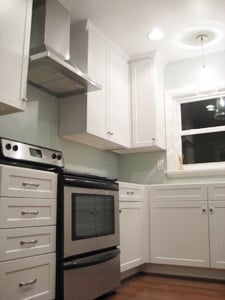
A Stainless Steel Hood In The Kitchen
Jun
Some kitchen upgrades whisper. A stainless steel hood does not. It hangs there with the confidence of a lead singer, reflecting light, catching the eye, and quietly doing the very unglamorous work of pulling smoke, grease, heat, and cooking odors out of the air. In other words, it is both the jewelry and the janitor of the kitchen.
That double role is exactly why the stainless steel hood has stuck around while other trends come and go like avocado-colored appliances and regrettable tile experiments. It looks professional without being fussy, fits modern and transitional kitchens alike, and makes practical sense in a room where splatters, steam, and late-night grilled cheese ambitions are part of daily life.
If you are planning a remodel, replacing an old vent, or simply wondering whether a stainless steel range hood is worth the hype, the answer is yes, with one important catch: you have to choose the right one. A hood that is too small, too weak, too loud, or mounted too high is like a gym membership you never use. Technically impressive. Functionally questionable.
Here is what makes a stainless steel hood in the kitchen such a smart choice, how to pick one that actually works, and what real-life living with one is like once the installers leave and the bacon starts sizzling.
Why a Stainless Steel Hood Still Makes Sense
Stainless steel has earned its permanent seat at the kitchen table for a reason. First, it plays nicely with almost every appliance finish that matters. If your range, wall oven, dishwasher, or refrigerator leans stainless, the hood helps the room feel intentional instead of pieced together over several dramatic holiday sales.
Second, stainless steel has a clean, professional look that can go in several design directions. In a sleek kitchen, it feels modern and minimal. In a farmhouse or transitional space, it becomes a crisp visual break between wood cabinets, painted millwork, tile, or stone. It can blend in quietly or act like a focal point, depending on the shape you choose.
Third, stainless steel is practical. It is durable, easy to wipe down, and better suited to the messier side of cooking than finishes that demand constant babying. Yes, it can show fingerprints. Yes, it will rat you out if you ignore grease for three months. But compared with fussier decorative surfaces, it is still one of the easiest materials to live with in a hard-working kitchen.
What a Kitchen Hood Actually Does
A kitchen hood is not just there to make your kitchen look more expensive than your grocery bill. Its main job is ventilation. A good hood helps remove smoke, airborne grease, steam, odors, and excess heat from the cooking area. That matters even more in open layouts, where yesterday’s salmon can otherwise become today’s living-room fragrance.
Ventilation also helps with moisture and indoor air quality. Heavy cooking can leave behind sticky residue on cabinets, film on walls, and stubborn smells that seem to move into the house and file a change-of-address form. A properly used hood helps limit that buildup and keeps the kitchen more comfortable while you cook.
In short, a stainless steel hood is not just a style choice. It is source control for the small chaos factory known as the stovetop.
How to Choose the Right Stainless Steel Hood
1. Get the size right
The hood should be at least as wide as your cooking surface. That is the bare minimum. Better still, many kitchen experts recommend choosing a hood that extends about 3 inches wider on each side when possible. That extra coverage can make a noticeable difference in how well the hood captures smoke and grease, especially from the front burners, where real life usually happens.
For most homes, the standard widths are 24, 30, and 36 inches, though larger pro-style setups can go well beyond that. If you cook often, or you have a more powerful gas range, going a little wider is rarely a bad idea.
2. Pay attention to mounting height
Installation height matters more than people think. Put the hood too low and you risk crowding your cooking space or exposing the unit to excess heat. Put it too high and performance drops because the hood is trying to catch fumes after they have already wandered off like distracted tourists.
A common guideline is about 20 to 24 inches above an electric cooktop and roughly 24 to 30 inches above a gas cooktop, though the manufacturer’s instructions should always win the argument. Different models, blower strengths, and kitchen configurations can affect the ideal height.
3. Understand CFM without turning it into a personality trait
CFM, or cubic feet per minute, measures how much air the hood can move. More CFM generally means more venting power. If you mostly boil pasta, steam vegetables, and reheat leftovers, you may not need a monster blower. If your cooking style includes searing steaks, frying food, wok cooking, or regularly setting off the smoke alarm “just a little,” more power becomes useful fast.
A common rule of thumb for gas cooking is about 100 CFM for every 10,000 BTUs of burner output. Some guidance also suggests starting around 350 CFM for heavier cooking. The key is matching the hood to how you actually cook, not how you imagine you might cook after watching one cooking show and gaining unrealistic confidence.
One more thing: very powerful hoods may trigger makeup air requirements in some jurisdictions, especially once you get above 400 CFM. That is a building-code and safety issue, not a vibe issue, so check local requirements before buying the biggest hood you can find.
4. Think about depth and burner coverage
A hood should cover the back burners and the front burners effectively. This is easy to overlook when you are dazzled by finishes and lighting, but capture area matters. A gorgeous hood that does not extend far enough over the cooking surface is basically decorative upper-body armor.
5. Do not ignore sound levels
Noise matters because the hood that sounds like a leaf blower in your kitchen will eventually get used less often. Many models list sound in sones or decibels. Lower numbers mean quieter performance. A hood with multiple fan speeds is especially helpful because you can run it lower for light cooking and higher when dinner gets dramatic.
Ducted vs. Ductless: The Big Decision
If you remember only one thing from this article, let it be this: a ducted stainless steel hood is usually the better performer. Ducted hoods vent air outside the home, which is generally more effective for removing heat, moisture, smoke, and odors. If you cook often and have the option, ducted is typically the stronger long-term choice.
Ductless hoods, by contrast, recirculate the air through filters and send it back into the room. They are easier to install and often make sense in apartments, condos, or homes where exterior venting is difficult. They can absolutely help, but they usually require more diligence with filter maintenance and may not clear the air as quickly as a properly installed ducted unit.
Convertible hoods split the difference by allowing either setup depending on your space. That flexibility can be handy during remodel planning.
Best Stainless Steel Hood Styles for Different Kitchens
Under-cabinet hood
This is the practical overachiever. It fits beneath existing upper cabinets, keeps the look relatively minimal, and works especially well in smaller kitchens where every inch counts. If you want function without turning the hood into a starring role, this is a strong option.
Wall-mount canopy hood
This is the classic stainless steel statement piece. It replaces the cabinet area above the range and often offers stronger venting, broader coverage, and a more dramatic look. It is a great match for serious home cooks and for kitchens where the hood is part performance tool, part design anchor.
Island hood
If your cooktop sits on an island, you need a hood that is finished on all sides and designed to vent from the ceiling. Island hoods often become sculptural centerpieces, which is great, because an island without proper ventilation can spread cooking smells through the home like a marketing campaign.
Insert or liner with a custom cover
This option lets you hide the mechanical guts of the hood inside a wood, plaster, or custom surround while still benefiting from a stainless steel insert below. It is popular when homeowners want the performance of a modern vent system but a softer or more tailored look in the room.
How Stainless Steel Changes the Look of the Kitchen
A stainless steel hood can do two opposite things very well: stand out or settle in. In an all-white kitchen, it adds contrast and keeps the room from floating away into pure brightness. In a darker kitchen, it brings reflection and polish. In a kitchen with heavy cabinetry, it gives the eye a break. In a more minimal kitchen, it can become the architectural moment that makes the whole room feel finished.
It also pairs beautifully with stone backsplashes, slab counters, black hardware, warm woods, and even mixed metals when done thoughtfully. That is why designers continue to use metal hoods and hood inserts in both traditional and modern spaces. Stainless steel may not be flashy in the shouty sense, but it is classic in the “still looks good ten years later” sense, which is the more useful kind of glamour.
Cleaning and Maintenance Without Losing Your Mind
A stainless steel hood rewards consistency. The secret is not heroic deep cleaning once a year. The secret is boring little wipe-downs that prevent grease from building a legal claim on the surface.
For the exterior, use a soft microfiber cloth and a cleaner appropriate for stainless steel, or mild soap and warm water if the manufacturer allows it. Wipe with the grain rather than against it so you do not create a streaky mess that somehow looks both dirty and polished at the same time.
The filters matter just as much as the shiny outside. Grease filters should be cleaned regularly. Many aluminum mesh filters are dishwasher-safe, while others can be soaked in hot water with grease-cutting dish soap and baking soda, then gently scrubbed before rinsing and drying thoroughly. Charcoal filters in ductless models usually need replacement instead of washing.
And here is a small habit with a big payoff: run the hood every time you cook, then leave it on for about 10 to 20 minutes afterward. That extra runtime helps clear lingering particles and moisture instead of letting them settle around your kitchen like unwelcome confetti.
Common Mistakes to Avoid
- Choosing a hood for looks alone and ignoring capture area or CFM.
- Installing it too high because “it looks cleaner that way.” Your eyes may approve, but your air will complain.
- Buying a ductless model for a high-output gas range and expecting magic.
- Forgetting to clean or replace filters on schedule.
- Using only the front burners while leaving the hood off, then acting shocked when the whole house smells like stir-fry until morning.
- Skipping local code checks when selecting a high-powered hood.
Real-Life Experiences with a Stainless Steel Hood in the Kitchen
Once a stainless steel hood is actually installed, the experience is usually less about abstract specifications and more about daily life. Homeowners often notice the difference first during messy cooking. Fry bacon once with a good hood running, and the kitchen feels calmer. Sear salmon or brown ground beef, and the air clears faster. Cook with onions, garlic, and spices, and the smell still exists, because food has opinions, but it does not move into the curtains and declare permanent residency.
In open-concept homes, the effect can feel even bigger. Without a decent hood, the kitchen and living room can become one giant cloud of dinner evidence. With a properly sized stainless steel hood, the cooking zone feels more contained. You can talk to guests, keep an eye on the kids, and still avoid turning the sofa into a passive participant in taco night.
There is also the visual experience. Stainless steel has a way of making a kitchen look more complete, even when the rest of the space is fairly simple. People often say the hood makes the range wall feel intentional, almost like it finally got dressed for the occasion. Under cabinet models tend to disappear into the room in a good way, while wall-mount and island hoods bring more presence and polish. Either way, the kitchen usually looks more finished once that empty space above the range becomes functional.
Of course, stainless steel is not all cinematic glory and chef-energy confidence. It is honest. It shows splatters. It reveals fingerprints. If somebody in the house opens the hood canopy after making grilled cheese with approximately a gallon of butter, the hood will remember. The upside is that the surface is usually easy to wipe clean, so the maintenance feels manageable rather than punishing. A quick pass with a microfiber cloth often restores the shine before things get too grim.
Noise is another real-world factor people notice immediately. On low settings, many hoods fade into the background. On high settings, especially on more powerful models, the sound can become part of the cooking ritual. Some people find it reassuring, like a little engine announcing that dinner is underway. Others discover very quickly that they prefer a quieter model with better low-speed usability. That is why real-life satisfaction often comes down to balance: enough power to do the job, but not so much noise that you avoid using it.
Then there is the habit factor. The best experience comes when the hood becomes automatic. You turn on the burner, you turn on the hood. After a few weeks, it feels as natural as grabbing a pan. People who build that habit tend to report cleaner-feeling air, less lingering grease film, and fewer odors hanging around after cooking. People who forget to use it tend to rediscover, again and again, that even the prettiest hood cannot help if it is treated like sculpture.
Over time, a stainless steel hood often becomes one of those kitchen features homeowners appreciate more than they expected. It is not as flashy as new countertops or as instantly brag-worthy as a giant refrigerator, but it affects the room every day. It makes cooking more comfortable, cleanup easier, and the entire kitchen feel more professional. That is a pretty good return for one hardworking piece of metal hanging above the stove.
Final Thoughts
A stainless steel hood in the kitchen earns its place by doing two jobs at once: it improves ventilation and sharpens the room’s design. The best models clear the air efficiently, match the way you actually cook, and hold up to the mess of real life without becoming a maintenance nightmare.
If you are choosing one now, focus on the fundamentals first: proper width, correct mounting height, realistic CFM, and the best venting setup your space allows. After that, enjoy the fun part: deciding whether your hood should blend in like a polished professional or show off like the star of the range wall.
Either way, a stainless steel hood is more than a pretty face. It is one of the smartest upgrades you can make in a kitchen that gets used for what kitchens are actually for: cooking, gathering, experimenting, making a mess, and occasionally pretending you are on a cooking show while reheating leftovers.
SEO Tags

