
Hair Care
A Renaissance Man Designs a Lamp
Jul
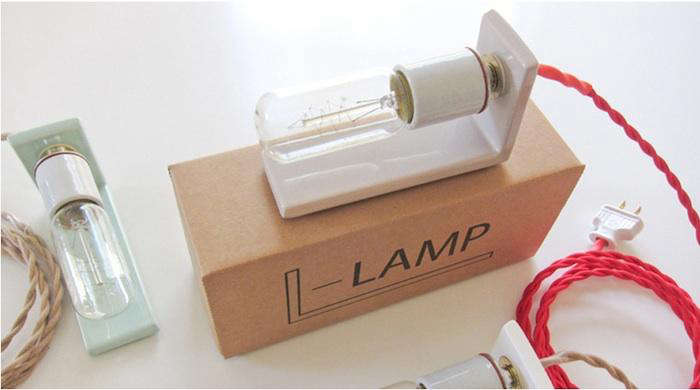
Some people collect hobbies the way others collect unread emails. David Kitz, a Los Angeles creative known as a drummer, photographer, collage artist, bartender, and fine artist, belongs firmly in the first group. Then, as if his résumé needed one more charming detour, he designed a lamp. Not a fussy chandelier. Not a futuristic object that looks like it should ask for your Wi-Fi password. A small, handmade ceramic lamp with a visible bulb, cloth cord, porcelain socket, and the confidence of an object that knows exactly what it is.
The story behind A Renaissance Man Designs a Lamp is really a story about modern creativity. It shows how a useful object can emerge when art, craft, music, material curiosity, and everyday problem-solving all sit at the same table. Kitz’s L Lamp began as a prototype in a ceramics class while he was studying art. After many fine art courses, he wanted to make something utilitarian. That shiftfrom artwork to usable designis where the lamp becomes more than a product. It becomes a lesson in how good design often starts with a simple question: “What if this ordinary thing looked honest?”
The L Lamp: Small Object, Big Personality
The L Lamp is visually simple: a handmade ceramic base, a carbon filament bulb, a porcelain socket, exposed hardware, and a cloth-covered cord. Yet that simplicity is not accidental. Many lamps hide their parts under shades, casings, decorative collars, or mysterious little metal hats that look like they belong on tiny robots. Kitz did the opposite. He placed the bulb, socket, cord, plug, and switch on display.
That choice gives the lamp a refreshing industrial honesty. It does not pretend electricity is magic. It celebrates the parts that make light happen. The cloth cord adds texture and color. The porcelain socket brings a classic utility-room charm. The ceramic base softens the mechanical elements and gives the lamp a handmade soul. The result feels both vintage and contemporary, like something you might find in an artist’s studio, a thoughtfully designed apartment, or the desk of someone who owns very nice pencils.
Why “Renaissance Man” Fits the Story
The phrase “Renaissance man” describes someone with wide-ranging skills and curiosity. In the case of Kitz, the label feels earned. His creative background crosses music, photography, collage, hospitality, and visual art. That matters because the L Lamp does not feel like it came from a narrow design formula. It feels like it came from someone who has watched rooms, people, performances, materials, and moods from several angles.
A drummer understands rhythm, balance, and timing. A photographer understands light, shadow, composition, and the drama of what is left in frame. A bartender understands atmosphere, how a room feels at night, and why the right lighting can make a conversation better. A collage artist understands juxtaposition: ceramic beside industrial parts, softness beside utility, old-world bulb beside modern minimalism. Put all of that together, and suddenly a lamp is not just a lamp. It is a little biography with a plug.
Designing With Honesty: The Beauty of Exposed Parts
One of the strongest ideas behind the L Lamp is the decision to reveal the hardware. Exposed-bulb lighting has become a familiar design language in cafés, lofts, studios, and modern homes, but it works only when the proportions are right. Too many exposed bulbs can make a room look like an interrogation chamber with espresso. One thoughtfully placed lamp, however, can feel warm, direct, and sculptural.
The L Lamp succeeds because it treats each component as part of the composition. The bulb is not merely a light source; it is the visual center. The cord is not a nuisance to be hidden behind furniture; it becomes a line in the drawing. The socket is not disguised; it adds material contrast. This approach belongs to a broader tradition of industrial design where function is not covered up but refined until it becomes beautiful.
From Edison to the Artist’s Desk: A Short History of Lamp Love
Lamps have always carried more cultural meaning than their size suggests. When practical electric lighting entered homes and workplaces, it changed daily life. The incandescent bulb helped move human activity deeper into the evening, turning rooms into workspaces, reading corners, dinner settings, and social stages after sunset.
Later, decorative lamps became art objects in their own right. Tiffany Studios turned lamps into glowing gardens of glass, with floral shades, bronze bases, and organic forms inspired by the natural world. Modernist designers then pushed lighting in a different direction, emphasizing efficiency, adjustability, and clean lines. The Tizio desk lamp by Richard Sapper, for example, became famous for its precise engineering and range of movement. Ingo Maurer, often called a poet of lighting, made lamps feel witty, emotional, and experimental.
Kitz’s L Lamp lives somewhere in that lively family tree. It does not chase Tiffany’s botanical opulence or Sapper’s technical acrobatics. Instead, it makes a quieter argument: a lamp can be memorable by being small, handmade, and clear about its construction.
Ceramic Meets Industrial: Why the Materials Work
The most interesting tension in the L Lamp is between the ceramic base and the industrial electrical parts. Ceramic carries the memory of the hand. It suggests clay, kiln, touch, and slight variation. Even when cleanly formed, ceramic rarely feels anonymous. It has warmth and density. It can be matte, glossy, earthy, playful, or severe.
Industrial parts, by contrast, usually speak the language of systems: sockets, plugs, cords, switches, standards. They are made to work, not to blush under gallery lighting. By placing these materials together, Kitz creates a lamp that feels humble but intentional. The ceramic base says, “Someone made me.” The exposed hardware says, “And yes, I know how electricity works.”
This combination also makes the lamp versatile. It can sit on a desk, shelf, or bedside table. It can also be mounted on a wall, turning it into a compact sconce. That flexibility is important in small homes and apartments, especially in cities where every surface must justify its existence. A lamp that can move from tabletop to wall is not just stylish; it is practical.
The Appeal of the Carbon Filament Look
The original L Lamp used a carbon filament bulb, which gives it a nostalgic glow. The filament is visible, warm, and decorative. It turns the bulb into the star of the object. This is why filament-style bulbs became so popular in restaurants, bars, studios, and homes. They make light feel atmospheric instead of purely functional.
For modern use, however, homeowners may prefer an LED filament bulb that recreates the look while using far less energy. Current LED lighting offers major efficiency benefits compared with traditional incandescent bulbs, and modern warm-white LEDs can produce cozy light without turning a small lamp into a tiny space heater. In other words, you can keep the romance and lose the guilt. Design progress occasionally lets us have nice things.
What Makes a Lamp Good?
A good lamp has to do more than glow. It needs the right scale, brightness, temperature, direction, material presence, and personality. A desk lamp should support focus without glare. A bedside lamp should be gentle enough for winding down but bright enough for reading. An accent lamp should add mood without trying to become the main character in every room.
Lighting professionals often describe successful interiors through layers: ambient lighting for general illumination, task lighting for focused activities, and accent lighting for drama or emphasis. The L Lamp falls neatly between task and accent lighting. It can provide close-range illumination, but its real strength is atmosphere. It warms up a corner. It gives a shelf a focal point. It adds a visual pause in a room full of flat screens and right angles.
Why Handmade Design Still Matters
In a world of mass-produced home goods, handmade objects carry emotional weight. They remind us that design does not have to be anonymous. A handmade lamp may have slight variations in glaze, form, or finish. Those differences are not defects; they are proof of life. They make the object feel less like inventory and more like a companion.
This is especially true for lighting because lamps are intimate. We live with them at close range. We switch them on when we wake up early, stay up late, read, work, think, or avoid overhead lighting because nobody looks emotionally stable under a ceiling fixture at 11:47 p.m. A lamp becomes part of daily ritual. When it is handmade, that ritual feels more personal.
Design Lessons From the L Lamp
1. Utility Can Be Beautiful
The L Lamp proves that function does not have to be hidden. A bulb, cord, socket, and switch can become the design if they are selected and arranged with care.
2. Small Objects Can Carry Strong Ideas
You do not need a monumental chair or a dramatic chandelier to make a design statement. Sometimes a compact lamp says more because it has no room for nonsense.
3. Creative Cross-Training Matters
Kitz’s background in multiple creative fields gives the lamp depth. The best design often happens when skills migrate. A photographer designs with light. A musician designs with rhythm. A bartender designs with mood. A ceramicist designs with touch.
4. Materials Should Tell the Truth
The ceramic base looks like ceramic. The socket looks like a socket. The cord looks like a cord. This honesty creates trust and visual clarity.
5. Personality Beats Decoration
The L Lamp is decorative, but it is not overdecorated. Its charm comes from proportion, material, and attitude rather than ornament piled on like whipped cream at a county fair.
How to Style a Lamp Like This at Home
A handmade exposed-bulb lamp works best when it has breathing room. Place it on a clean desk, a floating shelf, a nightstand, or a console table where the cord can be part of the composition instead of a problem to be shoved behind a stack of old mail. Pair it with natural materials such as wood, linen, stone, leather, or handmade ceramics to amplify its tactile quality.
Because the bulb is visible, choose the bulb carefully. A warm color temperature, often around 2700K, creates a cozy residential feel. Avoid bulbs that are too bright if the lamp sits at eye level. Nobody wants to be lovingly blinded by design. If the lamp is used as an accent, lower lumens are usually enough. If it is used for reading or desk work, position it so the light lands on the task area rather than directly in your eyes.
The lamp also works well in contrast with sleek modern interiors. In a room full of smooth cabinets, black metal, glass, and minimal furniture, the ceramic base adds human texture. In a vintage-inspired room, the filament bulb and cloth cord reinforce the nostalgic mood without turning the space into a museum of sepia filters.
Why This Lamp Still Feels Relevant
Although the L Lamp emerged in the early 2010s, its design ideas remain current. Today’s interiors continue to value authenticity, visible materials, small-batch production, and objects with a story. People want homes that feel personal, not like they were assembled by an algorithm wearing beige.
The lamp also fits the ongoing interest in flexible living. Many people work, read, relax, and create in the same room. Small lighting pieces help define zones without major renovation. A compact lamp can turn a corner into a workspace, a bedside into a reading nook, or a blank wall into a small design moment.
Experiences Related to “A Renaissance Man Designs a Lamp”
There is something deeply satisfying about watching a multi-talented person create a practical object. It reminds us that creativity does not always arrive wearing a beret and speaking in gallery statements. Sometimes it shows up as a problem on a worktable: a cord, a socket, a lump of clay, and the desire to make something useful.
Anyone who has tried to design or even choose a lamp knows that lighting is strangely emotional. You can buy a chair because it fits. You can buy a table because it is the right size. But a lamp has to feel right when it is on. It changes the mood of a room instantly. A harsh bulb can make a beautiful space feel like a dentist’s office. A warm, well-placed lamp can make a modest room feel like a scene from a thoughtful independent film where everyone owns good mugs.
The experience of living with a lamp like the L Lamp would likely be different from living with a generic shade lamp. A typical lamp tries to disappear into décor. Kitz’s lamp asks you to notice how it works. You see the bulb. You see the socket. You see the cord. That visibility changes your relationship to the object. It becomes less like an appliance and more like a small machine with manners.
There is also an encouraging lesson for creators. The L Lamp did not come from a giant manufacturing brief or a corporate trend forecast. It came from a ceramics class and a desire to make something useful after spending time in fine art. That is relatable. Many creative people eventually feel the urge to bring ideas down from the conceptual clouds and into daily life. A painting hangs on a wall; a lamp participates in the evening. It helps you read, cook, talk, think, and find your slippers without performing toe-based archaeology under the bed.
For homeowners, the experience is equally practical. A lamp with exposed parts invites more deliberate choices. Where should the cord run? How bright should the bulb be? Should the ceramic base contrast with the table or blend into it? Should the lamp be used alone or paired with other lighting layers? These questions sound small, but they are the building blocks of a home that feels considered rather than merely furnished.
The phrase “A Renaissance Man Designs a Lamp” also offers a broader reminder: do not underestimate creative range. The same person who plays drums may understand rhythm in form. The same person who takes photographs may understand how light shapes emotion. The same person who works behind a bar may understand how illumination changes human behavior after sunset. The same person who studies fine art may discover that a lamp can be a sculpture with a job.
That may be the best experience connected to this topic: the moment we stop separating art from utility. A lamp is not only hardware. It is a daily collaborator. It stands quietly until needed, then turns a room from “technically visible” into “somewhere worth staying.” When designed by a restless, curious, multi-talented maker, even a small lamp can glow with a much larger idea.
Conclusion
A Renaissance Man Designs a Lamp is more than a catchy title. It captures the magic of creative cross-pollination. David Kitz’s L Lamp brings together ceramics, industrial hardware, exposed electrical components, and a warm sense of handmade character. Its appeal lies in its honesty: the lamp does not hide the bulb, cord, socket, or switch. It turns them into the design.
In a design world often crowded with overcomplicated objects, the L Lamp feels refreshingly direct. It shows that a useful object can still have wit, texture, history, and soul. It also proves that sometimes the best designs come from people who refuse to stay in one lane. After all, a Renaissance man does not simply turn on the light. He designs the lamp, probably photographs it, maybe writes a song about it, and somehow still makes a decent drink afterward.
Note: This original article is based on synthesized real information from design history, lighting technology, museum collections, and published details about David Kitz’s L Lamp, rewritten in a fresh editorial style for web publication.

