
Beauty Unlocked
A Drawing Board Plus Playhouse
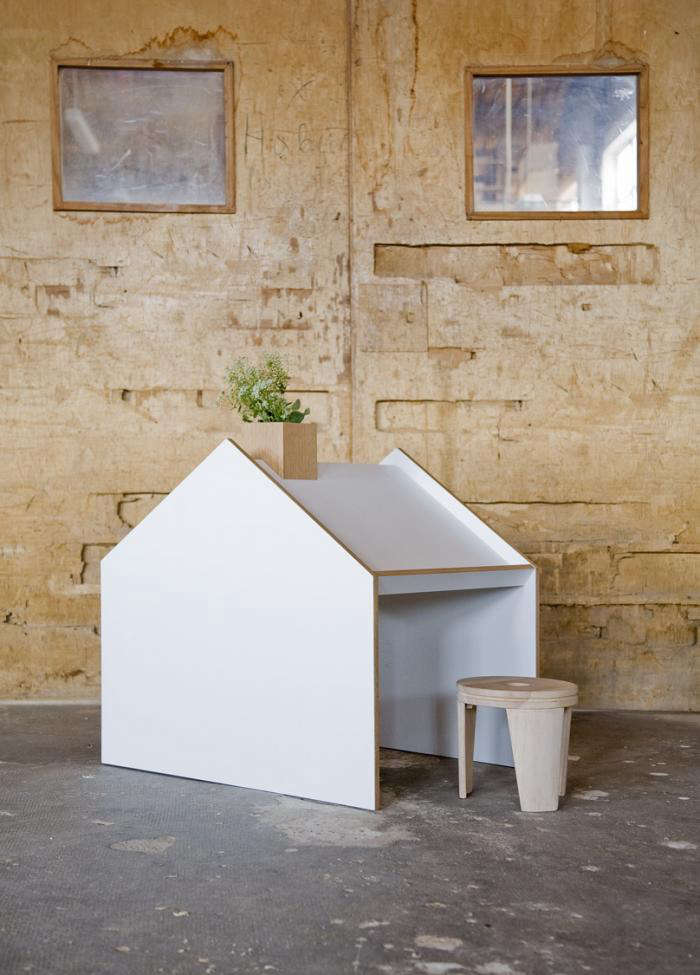
Jun
Some children’s furniture politely sits in the corner and waits to be useful. A drawing board plus playhouse does not. It shows up wearing a tiny architect’s hat and says, “What if I were a desk, an art studio, a secret clubhouse, a pretend café, a rocket control room, and possibly a dragon cave before lunch?” That is the charm of this hybrid idea: it gives children one physical object with many imaginative lives.
The phrase “A Drawing Board Plus Playhouse” became especially memorable through the clever Deskhouse concept, a child-sized design by Alberto Marcos for Ninetonine. The basic idea is beautifully simple: a two-sided drawing desk that doubles as a playhouse. Instead of separating art time from pretend play, the design merges them. One minute a child is drawing windows, animals, maps, or menus; the next minute they are crawling into the world they just created.
For parents, teachers, and design-loving adults, this is more than cute furniture. It is a compact answer to a very real problem: children need open-ended play, but homes are not always blessed with endless square footage. A drawing board playhouse can turn a corner of a bedroom, playroom, classroom, or family room into a creative zone without requiring a full remodel, a garage workshop, or a second mortgage disguised as “toy storage.”
What Is a Drawing Board Plus Playhouse?
A drawing board plus playhouse is a multifunctional children’s play structure that combines an art surface with a small imaginative-play space. It may be made from wood, cardboard, or sturdy composite materials. Some versions look like easels with crawl-through sides. Others resemble small houses, tents, forts, or desks. The best ones share three qualities: they invite drawing, they support pretend play, and they leave room for a child to decide what the object becomes next.
That last part matters. A toy that does only one thing can become old news quickly. A toy that can be a schoolhouse, grocery store, puppet theater, spaceship, veterinarian clinic, post office, dinosaur museum, and emergency glitter laboratory has a longer career. It grows with the child because the child keeps rewriting the rules.
The Design Magic: Two Modes, One Footprint
The genius of the drawing-board-playhouse concept is not that it adds more stuff. It makes one piece do more work. A vertical or slanted drawing surface gives children a place to sketch, color, write, trace, tape, erase, and invent. The playhouse structure gives them a physical setting for storytelling. Put those together and you get something richer than a standard desk or a standard fort.
For small homes, this matters. Instead of buying a separate easel, table, tent, and toy house, a family can create or choose one compact station. In a classroom, it can become a rotating center: art in the morning, dramatic play after snack, storytelling before pickup. In a child’s bedroom, it can be the rare object that feels playful without making the room look like a toy tornado filed a zoning permit.
Why Kids Love It
Children are natural world-builders. Give them a cardboard box and they see a pirate ship. Give them a blanket and two chairs and they see a castle. Give them a drawing surface attached to a playhouse and they see a world they can design, enter, and redesign before dinner.
A drawing board plus playhouse offers the thrill of ownership. Children can decorate the exterior, invent signs, draw house numbers, create menus, make “open” and “closed” signs, or sketch a family of suspiciously square cats. Because the art is connected to the structure, their drawings are not just pictures. They become part of the play environment.
This is especially powerful for children who enjoy pretend play but are not always eager to sit still for traditional art time. The playhouse gives drawing a purpose. A child may not want to “practice writing,” but they may very much want to write “Doctor Office” on the front of their pretend clinic. That is where the magic sneaks in wearing sneakers.
Developmental Benefits: More Than Adorable Chaos
Play and art are often treated as extras, the sprinkles on the educational cupcake. In reality, they are part of how young children build thinking skills, language, social confidence, and self-regulation. A drawing board playhouse supports several areas of development at once because it blends movement, imagination, communication, and creative decision-making.
Fine Motor Skills and Early Writing
Drawing, coloring, painting, cutting, taping, peeling stickers, and gripping markers all strengthen the small muscles in the hands and fingers. These are the same muscles children later use for handwriting, buttoning clothes, using utensils, and handling school tools. A vertical or angled drawing board can be especially useful because it encourages shoulder stability, wrist extension, and broader arm movement.
The best part is that children do not experience this as “fine motor practice.” They experience it as “I am drawing a doorbell for my restaurant, and everyone must ring it before ordering pretend pancakes.” That is good learning: practical, playful, and powered by a very serious imaginary pancake economy.
Language and Storytelling
A playhouse invites conversation. “Who lives here?” “What is this building?” “Why is there a giraffe on the roof?” When adults ask open-ended questions, children get to narrate their ideas. They practice sequencing, describing, negotiating, and explaining. The drawing board adds another layer because children can illustrate their stories and then act them out.
For preschoolers, drawing and storytelling often develop together. A scribble can become a map. A circle can become a moon. A line can become a road to Grandma’s house, a worm parade, or a bridge for tiny trucks. When children explain their marks, they are not only making art; they are building symbolic thinking, vocabulary, and early literacy skills.
Creative Confidence
Open-ended creative play helps children learn that their ideas have value. A drawing board playhouse is not about making perfect art. It is about making decisions: which color, which character, which story, which pretend world. That kind of agency builds confidence.
This is why adults should resist the urge to over-direct. If the child draws purple windows, a sideways sun, and a dog larger than the house, congratulations: the design department is thriving. Ask about the dog. There is probably a backstory, and it may involve superhero powers.
How to Choose the Right Drawing Board Playhouse
Not every drawing board playhouse is right for every family. The best choice depends on the child’s age, the available space, the materials, and how much mess the adults can tolerate before their eyebrows begin twitching.
1. Pick the Right Material
Wood feels sturdy, attractive, and long-lasting. It suits families who want a piece that can remain in a playroom for years and still look intentional. Look for smooth edges, non-toxic finishes, stable construction, and surfaces that are easy to wipe down.
Cardboard is lighter, more affordable, and often designed for coloring directly on the structure. It is excellent for short-term projects, parties, seasonal play, or families who want a low-pressure creative experience. The downside is durability. A cardboard playhouse may not survive heavy climbing, moisture, or a toddler who believes demolition is a love language.
Plastic or composite materials can be easy to clean and weather-resistant, especially for indoor-outdoor use. However, stability and design quality vary widely, so check weight limits, recommended ages, and whether the drawing surface is actually useful or just a decorative afterthought.
2. Measure Before You Fall in Love
Children’s furniture has a sneaky talent: it looks small online and then arrives with the spatial confidence of a baby grand piano. Measure the area where the piece will live. Leave room for a child to sit, stand, crawl, open storage bins, and invite at least one stuffed animal committee into the structure.
If space is limited, look for foldable designs, tabletop versions, or playhouses that can slide against a wall when not in use. If you have a larger playroom, consider placing the drawing board playhouse near low shelves so children can independently access paper, crayons, washable markers, stamps, stickers, and fabric scraps.
3. Prioritize Safety
Safety is not the glamorous part of design, but it is the part that lets the fun continue without an unscheduled dramatic soundtrack. Choose a structure with rounded edges, stable footing, and no pinch points. Avoid small detachable pieces for children under 3. If magnets are included, make sure they are safely enclosed and age-appropriate. For outdoor use, place the playhouse on a safe surface and inspect it regularly for loose hardware, cracks, splinters, rust, or tipping hazards.
Also consider visibility. A playhouse should feel cozy, not hidden in a way that prevents supervision. Children love secret spaces, but adults should still be able to check in easily. The ideal design feels like a clubhouse to the child and a reasonable parenting decision to the grown-up.
How to Set Up an Art-and-Play Station
A drawing board plus playhouse becomes more useful when it is supported by a simple, organized environment. The goal is not to create a Pinterest-perfect art studio where each crayon wears a tiny uniform. The goal is to make creativity easy to start and easy enough to clean up that nobody silently donates the markers to another household.
Create a “Yes” Zone
Set up the playhouse in a place where children are allowed to get creative. Use washable supplies, a wipeable mat, or an old rug. Keep a small trash bin nearby. Add a tray for markers and chalk. If painting is allowed, store paint in small amounts instead of handing over a full bottle and hoping gravity has taken the day off.
A yes zone helps children relax. They do not have to ask permission for every mark, and adults do not have to hover like museum guards protecting a white sofa. Clear boundaries make freedom possible.
Offer Open-Ended Supplies
Good supplies do not have to be fancy. Crayons, washable markers, chalk, paper rolls, sticky notes, child-safe scissors, tape, cardboard scraps, fabric pieces, stickers, and old magazines can fuel hours of play. Rotate materials instead of putting everything out at once. Too many choices can overwhelm children and create a cleanup scene that looks like a craft store sneezed.
For younger children, start simple: large crayons, chunky chalk, paper, and stickers. For older children, add rulers, stencils, envelopes, clipboards, dry-erase markers, and themed prompts. “Design a pet hotel.” “Make a map of your playhouse neighborhood.” “Create tickets for a puppet show.” These prompts give structure without taking over the child’s imagination.
DIY Ideas for a Drawing Board Plus Playhouse
If you enjoy DIY projects, this concept is wonderfully adaptable. You can build a simple A-frame structure with one side as a chalkboard and the other as a whiteboard or paper-roll surface. Add a crawl-through opening beneath, and suddenly the lower portion becomes a tiny house, reading nook, market stall, or stage.
For a budget-friendly version, use a large cardboard playhouse and attach removable drawing panels with painter’s tape or clips. Children can color directly on the cardboard, then add signs, paper windows, mail slots, and pretend menus. A cardboard version is excellent for birthday parties because every child can contribute to decorating the structure.
For a more polished home design, choose plywood with rounded edges, apply chalkboard paint to one panel, mount a paper roll across the top, and add a small shelf for supplies. Keep the structure low enough for young children to use safely. Sand everything until it is smooth. If the phrase “sand everything” sounds tedious, that is because it isbut splinters are worse interior designers.
Smart Play Prompts to Keep It Fresh
Even the best play structure benefits from occasional refreshes. Try turning the drawing board playhouse into a different setting each week:
- Art Gallery: Children draw masterpieces and create labels for each one.
- Post Office: Add envelopes, stamps, and a mailbox slot.
- Restaurant: Draw menus, signs, and food pictures.
- Vet Clinic: Stuffed animals arrive for checkups and questionable bandaging.
- Weather Station: Children draw clouds, suns, storms, and daily forecasts.
- Space Lab: Add stars, planets, control panels, and a countdown chart.
The goal is not to entertain children every second. It is to offer a spark. Once the story starts, step back. Children usually know exactly where the spaceship restaurant veterinary post office needs to go next.
Cleaning and Maintenance Without Losing Your Mind
Choose washable supplies whenever possible. Keep a damp cloth nearby for quick wipe-downs. Use labeled bins or picture labels so children can help clean up. For chalkboard surfaces, season the board before first use if the manufacturer recommends it. For whiteboards, use proper dry-erase markers and avoid permanent markers unless you enjoy suspense.
Inspect the structure regularly. Tighten screws, check hinges, smooth rough spots, and remove broken pieces. If the playhouse is used outdoors, bring it inside during heavy rain unless it is specifically designed for outdoor weather. Sun, moisture, and enthusiastic children can age materials quickly.
Who Is It Best For?
A drawing board plus playhouse is ideal for preschoolers and early elementary children, though toddlers can enjoy age-appropriate versions with close supervision. It works well for children who love pretend play, drawing, storytelling, building, or dramatic roles. It is also helpful for siblings because one child can draw while another plays inside or on the opposite side.
For families practicing Montessori-inspired or child-led learning, the concept fits naturally: it offers independence, accessible materials, practical creativity, and open-ended exploration. For design-conscious homes, it can be a stylish alternative to bright plastic toys that announce themselves from across the room like a marching band.
Conclusion: One Object, Many Childhoods
A drawing board plus playhouse is not just a novelty. It is a smart blend of art station, pretend-play zone, early learning tool, and child-sized architecture. It respects how children actually play: they move, draw, talk, crawl, negotiate, decorate, erase, rebuild, and start again. The best designs do not tell children what to imagine. They simply open the door and hand them a marker.
Whether inspired by the original Deskhouse concept, a modern cardboard coloring fort, or a homemade plywood creation, this hybrid idea proves that children’s furniture can be both beautiful and useful. It can support creativity without swallowing the house. It can encourage learning without feeling like homework. And, most importantly, it can turn an ordinary afternoon into a grand opening for a pretend bakery, a moon base, or a very exclusive clubhouse where adults may enter only if they bring snacks.
Experience Notes: Living With a Drawing Board Plus Playhouse
The first thing adults usually learn from a drawing board plus playhouse is that children do not use it the way adults expect. You may introduce it as an art station. Your child may immediately declare it a “cat hotel for dragons.” This is not a failure of product positioning. This is the point.
In real home life, the most successful setup is the one that is easy to access. If the markers are hidden in a high cabinet, the playhouse becomes a piece of furniture. If the supplies are nearby in small bins, the playhouse becomes active territory. Children are much more likely to draw, write, and invent when the materials are visible and permission is built into the space.
One useful experience is to keep the playhouse slightly unfinished. Adults often want everything to look complete on day one, but children love adding to a world over time. Leave a blank side for new murals. Tape a fresh sheet of paper to the board each morning. Add a small “today’s idea” card: “Make a sign,” “Draw a map,” “Invent a shop,” or “Create a secret symbol.” These tiny invitations can restart interest without turning play into a lesson plan.
Another lesson: mess is easier to manage when expectations are clear. A simple rule like “Markers stay on the board or paper” works better than a long speech about respecting furniture, walls, floors, and the emotional stability of the person who pays rent. Use washable materials, define the creative zone, and let children help with cleanup. A small spray bottle of water and a cloth can make cleaning feel like part of the play, especially for younger children who believe spraying things is a professional career path.
Sibling play can be wonderful, but it may need structure. One child may want to draw the roof; another may insist the roof is lava. Give each child a role: designer, shopkeeper, customer, sign maker, builder, storyteller. The two-sided nature of many drawing board playhouses helps because children can work in parallel without bumping elbows every three seconds. For families with multiple children, this can reduce conflict and increase collaboration.
Adults should also notice how much conversation the playhouse creates. A child drawing a door may explain who comes through it. A child making a menu may ask how to spell “pizza,” “cupcake,” or “free dinosaur.” These moments are small, but they are rich. They connect drawing to language, writing to purpose, and imagination to social play.
Finally, the playhouse will evolve. At first it may be a scribble zone. Later it may become a reading nook, puppet theater, homework hideout, or design lab. That flexibility is what makes the concept worth considering. A drawing board plus playhouse is not about buying one perfect toy. It is about creating a stage where childhood can keep changing costumes.

