
Skincare
Tips for Boosting Your Energy With Psoriasis
Aug
Living with psoriasis can feel like carrying an invisible backpack filled with itching, appointments, interrupted sleep, and one oddly heavy brick labeled “Why am I exhausted again?” Fatigue is not laziness, a character flaw, or proof that you need a more heroic coffee order. Psoriasis is an immune-mediated inflammatory disease, and its effects can reach well beyond the skin. Pain, nighttime itching, stress, depression, medication side effects, and psoriatic arthritis can all drain energy.
The encouraging news is that fatigue often becomes more manageable when you stop treating it as one mysterious symptom and start investigating its individual parts. The following strategies can help you protect your energy, reduce avoidable crashes, and recognize when tiredness deserves medical attention.
Medical note: Persistent or worsening fatigue should be discussed with a qualified health professional. Seek prompt care for fatigue accompanied by chest pain, fainting, severe shortness of breath, confusion, sudden weakness, high fever, or thoughts of self-harm.
Why Psoriasis Can Make You Feel So Tired
Psoriasis can be painful, interfere with sleep, and make concentration difficult. In people with psoriatic arthritis, inflammation, joint pain, stiffness, and reduced physical function may add another layer of exhaustion. Fatigue can also interact with anxiety, depression, chronic pain, poor sleep, and physical inactivity, creating a loop in which every problem makes the others louder.
That is why “just get more rest” is incomplete advice. Rest may help, but energy can remain low if active inflammation, sleep apnea, anemia, thyroid disease, depression, infection, medication effects, or another condition is being missed. A useful plan begins with curiosity rather than self-blame.
1. Tell Your Dermatologist About the Fatigue
Do not save fatigue for the final ten seconds of an appointment. Put it on the agenda. Explain when it started, whether it is constant or flare-related, how it affects work and daily tasks, and whether you wake refreshed. The American Academy of Dermatology recommends discussing fatigue because psoriasis itself may contribute, while some medications or other health conditions may also play a role. Methotrexate, for example, can cause fatigue in some patients and requires clinical monitoring.
Bring a Two-Week Energy Log
Track bedtime, wake time, naps, itch severity, joint symptoms, meals, caffeine, activity, mood, and medication timing. Rate your energy from 0 to 10 in the morning, afternoon, and evening. Patterns may reveal that your energy falls after poor sleep, a large lunch, an overly ambitious workout, or a particular medication day. A log gives your clinician more useful information than the medically precise phrase, “I feel like a phone at 3 percent.”
2. Make Better Psoriasis Control Your Main Energy Strategy
Lifestyle changes can support energy, but they cannot substitute for appropriate psoriasis treatment. If itching keeps you awake, plaques are painful, or joint inflammation is active, the most effective “energy booster” may be a treatment adjustment. Ask whether your current plan is meeting its goals and whether your symptoms suggest psoriatic arthritis or another complication.
Do not stop, skip, or change prescription medicine on your own. Report side effects and ask whether medication timing, dosage, laboratory monitoring, or another therapy should be considered. Better disease control may reduce several energy drains at once, including inflammation, pain, itching, poor sleep, and emotional strain.
3. Protect Sleep From Itching, Pain, and Bad Habits
Sleep trouble is common in psoriatic disease, and poor sleep can worsen concentration, mood, pain sensitivity, and daytime fatigue. Conditions such as obstructive sleep apnea and restless legs syndrome may also need evaluation, especially when tiredness continues despite spending enough time in bed.
Create a Skin-Friendly Wind-Down Routine
Use prescribed topical treatments as directed, moisturize before bed when recommended, keep the room comfortably cool, and choose soft, breathable sleepwear and bedding. Trim your nails to reduce damage from nighttime scratching. If hot showers worsen your itching, make the evening shower lukewarm and brief.
Keep Your Body Clock Boringin a Good Way
Try to maintain consistent sleep and wake times, get daylight earlier in the day, reduce bright screens near bedtime, and avoid late caffeine. Regular daytime activity can support sleep, although vigorous exercise too close to bedtime may be stimulating for some people. A sleep diary can help identify patterns involving naps, caffeine, alcohol, exercise, and medication timing.
Tell a clinician if you snore loudly, wake gasping, experience morning headaches or irresistible leg sensations, or remain unusually sleepy during the day. These clues should not automatically be dismissed as “just psoriasis.”
4. Move in Doses That Create Energy, Not a Flare-Up
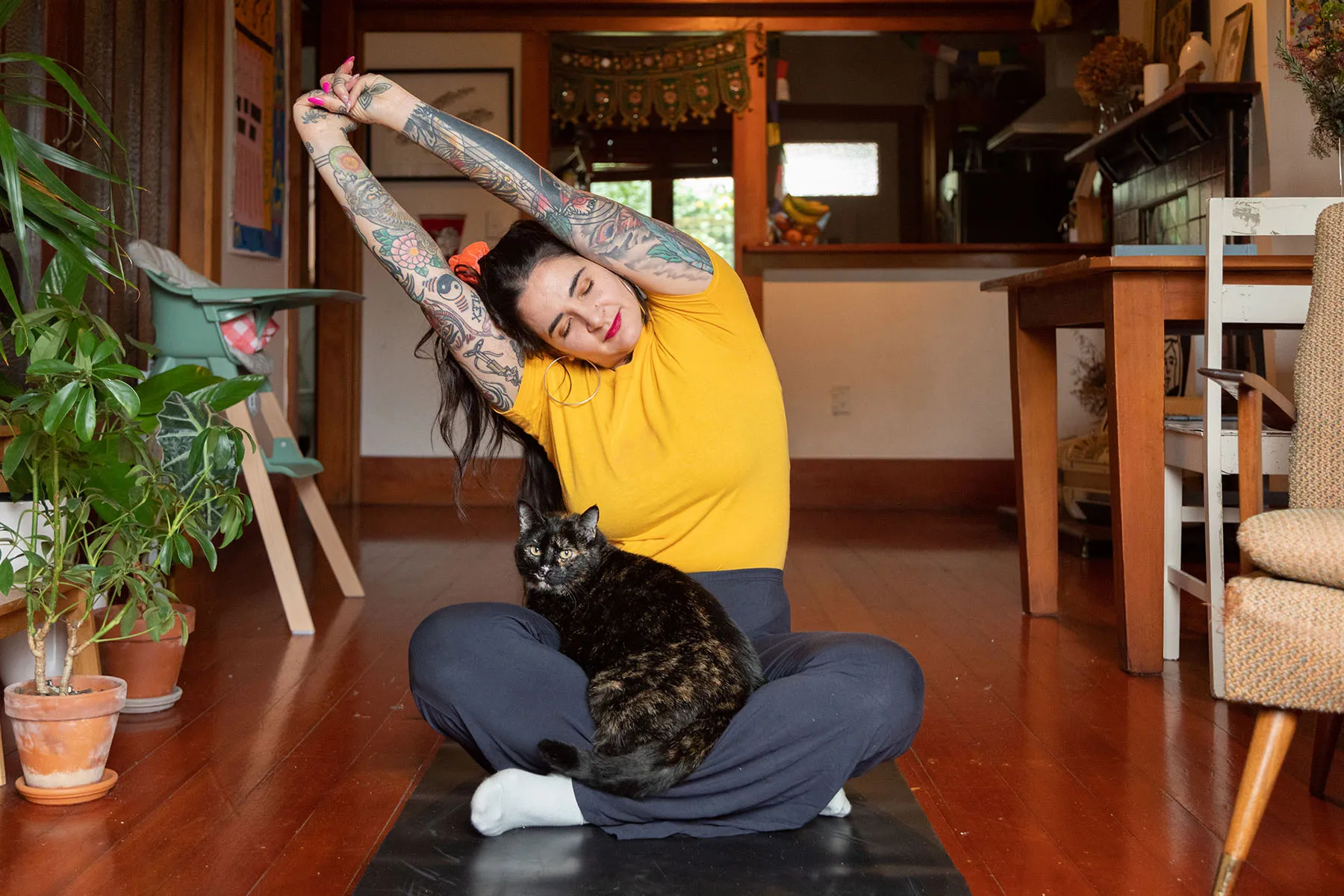
Regular movement can improve endurance, mood, sleep, joint mobility, and stress management. For people with psoriatic arthritis, joint-friendly options may include walking, cycling, swimming, water exercise, yoga, tai chi, stretching, and carefully planned strength training.
Use the “Small Enough to Repeat” Rule
On a low-energy day, five or ten minutes of gentle movement may be more useful than a punishing workout followed by two days on the couch. Start below your maximum, finish while you still have some energy, and increase the duration gradually. Consistency beats the occasional fitness epic in which you attempt to make up for the entire month before lunch.
If your joints are swollen or sharply painful, modify the activity and ask your care team for guidance. Moderate to severe joint pain during exercise is a reason to stop. Persistent joint pain afterward may signal active inflammation or a need to revise the plan.
Reduce friction and overheating by wearing breathable clothing, using well-fitting shoes, choosing cooler times of day, and showering gently after sweating. A physical therapist can help build an exercise program around painful joints, reduced mobility, or deconditioning.
5. Eat for Steadier Energy, Not a Miracle Cure
No diet cures psoriasis. However, a balanced eating pattern can support general health, stabilize energy, and help reduce the risk of conditions that commonly occur alongside psoriatic disease. The National Psoriasis Foundation highlights healthful patterns such as a Mediterranean-style diet while advising people to discuss major dietary changes with a health professional.
Build a Reliable Energy Plate
Combine a high-fiber carbohydrate, protein, produce, and a source of unsaturated fat. Examples include oatmeal with berries, walnuts, and yogurt; a bean-and-vegetable bowl with brown rice and avocado; or salmon with roasted vegetables and quinoa. Balanced meals are less likely to produce the dramatic “lunch happened, productivity left the building” feeling than meals dominated by refined carbohydrates.
Keep practical snacks available for demanding days: fruit with nut butter, hummus with vegetables, plain yogurt, roasted chickpeas, or a small handful of nuts. If large meals make you sleepy, experiment with smaller portions eaten at regular intervals. Avoid restrictive elimination diets unless there is a clear medical reason and professional guidance.
Do Not Self-Prescribe Supplements for Fatigue
Iron, vitamin B12, vitamin D, and other nutrients are important, but more is not automatically better. Testing and individualized advice are safer than throwing supplements at fatigue like nutritional confetti. Some supplements interact with medications or become harmful when taken in excessive amounts.
6. Hydrate Consistently and Use Caffeine Strategically
Even mild fluid deficits can leave some people feeling tired or weak. Keep water accessible, drink regularly, and include water-rich foods such as fruit, vegetables, soups, and yogurt. Fluid needs vary with body size, climate, physical activity, pregnancy, medication use, and medical conditions. People with heart or kidney conditions should follow their clinician’s advice.
Caffeine can temporarily improve alertness, but it is not a replacement for sleep or effective treatment. Use the smallest amount that helps and stop early enough that it does not steal sleep from your future self. Energy drinks may contain large amounts of caffeine, added sugar, and other stimulants. They can turn fatigue into fatigue plus a racing heart, which is not the upgrade anyone ordered.
7. Budget Your Energy Before You Spend It
Pacing means balancing activity and recovery so one productive morning does not cause an afternoon collapse. List essential tasks, optional tasks, and jobs that can be delegated. Break large projects into short steps, sit when possible, use labor-saving tools, and alternate physical and mental work.
Match Important Tasks to Your Best Hours
If mornings are your strongest period, reserve them for focused work, appointments, exercise, or meal preparation. Use lower-energy hours for email, folding laundry, or other lighter tasks. Schedule brief recovery periods before exhaustion becomes overwhelming. Planned rest is a strategy; emergency collapse is what happens when the strategy is skipped.
During a flare, temporarily lower the daily target. This is not surrender. It is adaptive management of a condition whose symptoms can change from day to day.
8. Treat Stress and Mental Health as Physical Energy Issues
Stress can trigger or worsen psoriasis flares for some people, while visible plaques, pain, and uncertainty can create even more stress. Depression and anxiety may also contribute to fatigue, poor sleep, reduced motivation, and difficulty concentrating.
Choose stress-management tools that are realistic enough to use: two minutes of slow breathing, a brief walk, guided meditation, stretching, journaling, therapy, or a support group. Social connection matters, too. Explaining fatigue to trusted people can make it easier to request specific help, such as grocery pickup, childcare, or a quieter evening during a flare.
Contact a health professional if low mood, hopelessness, loss of interest, anxiety, or sleep problems persist. Mental health treatment is not separate from psoriasis care; it can be part of restoring your daily function and energy.
9. Watch for Psoriatic Arthritis and Other Treatable Causes
Psoriatic arthritis is an inflammatory joint condition associated with psoriasis. Warning signs may include persistent joint pain or swelling, prolonged morning stiffness, swollen fingers or toes, heel pain, nail changes, or back stiffness. Early evaluation matters because treatment can ease symptoms and help protect the joints.
Fatigue can also result from anemia, thyroid disorders, infection, sleep disorders, persistent pain, depression, medication effects, diabetes, and other conditions. Your clinician may recommend an examination, medication review, sleep assessment, or targeted laboratory tests based on your symptoms.
Schedule an appointment when fatigue is new, severe, steadily worsening, interfering with normal life, or not improving with reasonable sleep and self-care. Mention unexplained weight changes, fever, bleeding, shortness of breath, heart palpitations, muscle weakness, or significant changes in mood.
10. Build a Low-Energy Flare Plan Before You Need It
A flare plan reduces decision fatigue when your brain feels wrapped in bubble wrap. Keep easy meals in the freezer, refill prescriptions before they run out, place moisturizer where you use it, and maintain a short list of people who can help. Prepare two versions of your routine: the regular version and the flare-day version.
A flare-day routine might include prescribed treatment, a gentle shower, a protein-rich breakfast, five minutes of mobility work, one essential task, a planned rest, and an earlier bedtime. Small routines preserve momentum without pretending every day offers the same capacity.
Experience-Based Lessons: What Energy Management Can Look Like in Real Life
The following composite scenarios are illustrative rather than individual medical case reports. They reflect common challenges people describe when managing psoriasis-related fatigue.
The Productive Morning and Ruined Afternoon
One common experience begins with a surprisingly good morning. The person sees a full battery icon and immediately tries to clean the house, answer every email, exercise, shop for groceries, and reorganize a closet that has survived peacefully since 2019. By midafternoon, the energy disappears, and pain or itching becomes more noticeable.
The lesson is not to distrust good days. It is to spend them more evenly. A better approach might include one demanding task, one moderate task, and one easy task, separated by short breaks. Stopping before exhaustion can feel unnatural when there is a backlog, but it may preserve enough energy for dinner, family time, or a more restful night.
The Hidden Sleep Problem
Another person may believe they sleep eight hours yet wake unrefreshed every morning. A simple log reveals frequent scratching, several awakenings, late-night scrolling, and caffeine at 5 p.m. Their partner also reports loud snoring. Instead of purchasing another supplement, the person discusses the pattern with a clinician, improves the bedtime routine, addresses nighttime itching, and receives an evaluation for a sleep disorder.
The experience shows why time in bed is not necessarily restorative sleep. Energy may improve when the actual sleep disruptors are identified instead of being covered with more coffee.
The Exercise Boom-and-Bust Cycle
Someone returning to exercise may choose a high-intensity class because it appears efficient. Unfortunately, sore joints, overheated skin, and a next-day crash make the plan impossible to repeat. Switching to short walks, water exercise, and two brief strength sessions feels almost too easy, but it works because the routine is sustainable.
The best workout is not the one that creates the most dramatic sweat puddle. It is the one that improves function without provoking symptoms and can still be repeated next week.
The “Healthy” Lunch That Does Not Hold Up
A person may eat a very light lunchperhaps only a saladand then feel shaky, foggy, and ravenous two hours later. Adding beans, chicken, tofu, eggs, whole grains, olive oil, or another source of protein and healthy fat makes the meal more satisfying and may provide steadier afternoon energy.
This is not a universal formula, and individual medical needs differ. The practical message is that food should fuel the life you are asking your body to perform. A decorative collection of lettuce leaves may be a side dish, not a complete energy plan.
The Relief of Asking for Help
Fatigue is invisible, so friends, relatives, and coworkers may underestimate it. Some people conserve significant energy by explaining the problem directly: “My psoriasis is flaring, and fatigue is part of it. I can finish the report today, but I need to move the meeting,” or, “I can come to dinner, but I may leave early.”
Clear requests reduce the energy spent masking symptoms, apologizing, overcommitting, or recovering from activities that could have been adjusted.
The Medical Clue That Changes the Plan
A person may assume that months of exhaustion are simply the price of having psoriasis. During an appointment, they finally mention swollen fingers and morning stiffness that lasts a long time. An evaluation identifies psoriatic arthritis, and the treatment plan is adjusted. Another person may be found to have anemia, thyroid disease, depression, or sleep apnea.
The lesson is important: self-care can support energy, but unexplained fatigue should not become a permanent do-it-yourself project. Sometimes the most effective energy strategy is an accurate diagnosis.
Conclusion: Aim for More Usable Energy, Not Perfection
Boosting energy with psoriasis is less about finding a magic food, supplement, or morning routine and more about identifying the drains you can address. Start with effective disease control, restorative sleep, joint-friendly movement, balanced meals, hydration, pacing, and mental health support. Then ask a clinician to investigate fatigue that remains severe or unexplained.
Choose one manageable change this week. Track what happens. Keep what helps, revise what does not, and resist the urge to overhaul your entire life on a Tuesday. With a thoughtful plan, your energy may become more predictableand more available for the things that matter.
SEO Information

