
Beauty Unlocked
How to Tell if Your Cat Is Constipated: 8 Steps
Aug
Cats are talented at keeping their personal business personal. They may share your pillow, steal your chair, and supervise every sandwich you make, yet become remarkably secretive when something is wrong in the litter box. That makes feline constipation easy to overlook until your cat is uncomfortable.
Constipation occurs when stool moves too slowly through the colon, allowing excessive water to be absorbed. The resulting feces become dry, hard, and difficult to pass. A mildly constipated cat may produce only a few small pellets. A severely affected cat may repeatedly strain without producing anything at all. Untreated constipation can progress to obstipation, in which stool becomes firmly impacted, or contribute to megacolon, a condition in which the colon becomes enlarged and loses normal motility.
How to Tell if Your Cat Is Constipated in 8 Steps
Step 1: Check How Often Your Cat Is Pooping
Begin with the least glamorous detective assignment in pet ownership: inspect the litter box. Most adult cats have a bowel movement approximately once a day, although age, diet, activity level, medications, and individual habits can affect the schedule. The important question is not whether your cat follows a perfect 24-hour timetable. It is whether there has been a noticeable change from your cat’s normal routine.
If a reliably regular cat suddenly goes a day or two without producing stool, pay attention. In a multi-cat home, consider temporarily giving the cat a separate room with a clean litter box so you can confirm who isor is notleaving deposits. Otherwise, every cat may look innocent while the litter box becomes a tiny crime scene with no reliable witnesses.
Contact your veterinarian when your cat has gone roughly 24 to 48 hours without a bowel movement, particularly if the cat is straining, eating less, vomiting, hiding, or acting uncomfortable. Cats with previous constipation, kidney disease, pelvic injuries, or megacolon may need help sooner.
Step 2: Examine the Stool’s Size, Shape, and Texture
Healthy feline stool is generally formed, moist enough to hold together, and easy to scoop. Constipated stool is often unusually dry, hard, dark, or divided into small pebble-like pieces. Some cats pass thin or flattened stool when the passage through the colon or pelvic canal is narrowed.
You may also notice a little mucus or fresh red blood caused by irritation and repeated straining. A large amount of blood, recurring blood, or black, tarry stool deserves prompt veterinary attention because it may indicate something more serious than routine constipation.
Do not assume that a small amount of liquid stool rules out constipation. Fluid can occasionally squeeze around a hard mass of retained feces, creating what looks like diarrhea. Taking a photograph of anything unusual can help your veterinarian evaluate the problem without requiring you to deliver a dramatic verbal description of every lump and squiggle.
Step 3: Watch What Happens in the Litter Box
A constipated cat may enter the litter box repeatedly, remain there longer than usual, crouch tensely, strain, cry, or leave without producing stool. Some cats dig excessively, change positions several times, or appear restless immediately afterward.
Defecation may become painful enough that a cat begins avoiding the litter box. You might find small, hard feces beside the box, in a hallway, or in another quiet location. This is not necessarily bad behavior. The cat may have associated the box with pain or may have been unable to reach it comfortably.
Observe from a respectful distance. Cats rarely appreciate having an audience while trying to poop, and staring intensely over the edge of the box may cause a shy cat to stop trying. Focus on the duration, posture, vocalization, and actual output.
Step 4: Confirm That Your Cat Is Urinating
This is the most important step because constipation and urinary obstruction can look nearly identical. Both may cause repeated litter-box visits, straining, vocalizing, restlessness, and little visible output.
Look specifically for normal urine clumps. A cat with constipation can usually urinate, even if passing stool is difficult. A cat with a urinary blockage may produce no urine, a few drops, or unusually tiny clumps. Other warning signs include licking the genital area, blood in the urine, urinating outside the box, vomiting, hiding, weakness, or a painful abdomen.
If your cat is repeatedly straining and you cannot confirm normal urination, treat the situation as a urinary emergency. Do not wait overnight to see whether the cat improves. Complete urethral obstruction can rapidly cause dangerous electrolyte abnormalities, kidney injury, bladder damage, and death. Male cats face a higher risk because their urethras are narrower.
Step 5: Look for Changes in Appetite, Energy, and Behavior
Constipation affects more than the litter box. As stool accumulates, a cat may eat less, drink less, sleep more, resist being picked up, or withdraw to an unusual hiding place. Some cats become irritable. Others sit in a hunched posture or repeatedly change resting positions because they cannot get comfortable.
Vomiting is an especially concerning sign when paired with an inability to pass stool. It may occur with severe constipation, dehydration, systemic illness, or an intestinal obstruction. A swollen abdomen, profound lethargy, repeated vomiting, collapse, or complete refusal of food warrants urgent veterinary care.
Cats are famously skilled at hiding discomfort, so a subtle personality change can be meaningful. A social cat who suddenly disappears under the bed is not necessarily exploring a new interior-design concept. The cat may feel unwell.
Step 6: Observe Your Cat’s Body Without Pressing the Abdomen
A constipated cat may walk stiffly, hunch the back, guard the belly, or object to being touched around the abdomen or hindquarters. Senior cats with arthritis may have difficulty climbing into a high-sided litter box or holding the squatting position long enough to defecate comfortably.
Do not squeeze or deeply press your cat’s abdomen in an attempt to feel retained stool. A tense abdomen could be associated with constipation, a full bladder, an intestinal blockage, or another painful condition. Forceful home examination may hurt the cat and cannot reliably distinguish these problems.
A veterinarian can perform a controlled abdominal examination and may feel a colon filled with firm feces. The doctor may also check the rectum, spine, hips, hydration status, and bladder to identify pain or physical obstruction.
Step 7: Review Possible Risk Factors
Dehydration is one of the most common contributors to hard, dry stool. Cats that eat primarily dry food, drink poorly, or have kidney disease may not have enough water available to keep feces soft. Older and overweight cats may also exercise less, which can reduce normal intestinal movement.
Other possible causes and contributing factors include:
- Excessive ingestion of fur during grooming
- Arthritis, spinal pain, or painful hips
- A dirty, frightening, crowded, or difficult-to-enter litter box
- Stress or conflict with another household pet
- Previous pelvic fractures that narrowed the pelvic canal
- Foreign material, tumors, or strictures affecting the intestinal tract
- Neurologic or muscular disorders
- Electrolyte disturbances and chronic diseases
- Side effects from certain medications
- Megacolon or reduced colon motility
Long-haired cats may swallow more fur, but hair is only one possibility. Recurrent constipation should not automatically be dismissed as “just a hairball problem.” A veterinary examination is needed to identify the underlying cause and choose the appropriate diet or medication.
Step 8: Document the Problem and Call Your Veterinarian
Before calling, collect useful information. Note the date of the last normal bowel movement, whether any stool has been produced, the appearance of the stool, changes in appetite, vomiting, medications, water intake, urine output, and recent dietary or household changes.
Photos of the stool or litter box can be helpful. Your veterinarian may ask whether your cat could have swallowed string, ribbon, bones, fabric, plants, toys, or other foreign material. Never pull visible string from a cat’s mouth or anus because it may be anchored internally and could damage the intestines.
Veterinary diagnosis may involve a physical examination, abdominal palpation, rectal examination, bloodwork, urinalysis, X-rays, or ultrasound. Treatment depends on severity and cause. It may include fluid therapy, an appropriate veterinary enema, prescribed stool softeners, dietary management, pain control, medication that supports colon movement, or removal of impacted feces under sedation or anesthesia. Severe megacolon that does not respond to medical care may require surgery.
What Can You Safely Do at Home?
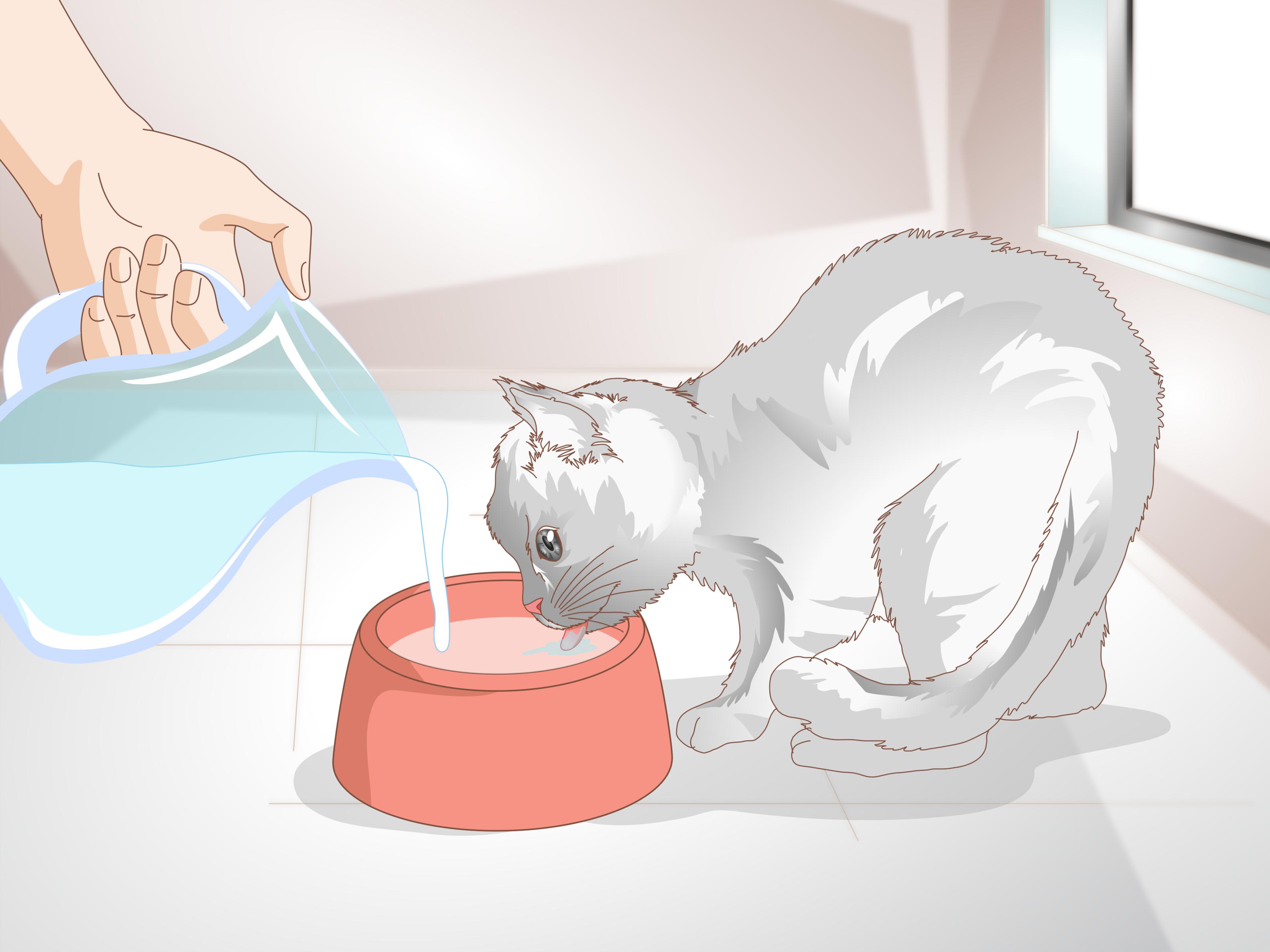
Home care is appropriate only when your cat is otherwise comfortable, is urinating normally, has very mild signs, and your veterinarian agrees with the plan. Supportive measures may include providing multiple bowls of fresh water, using a pet fountain, offering moisture-rich canned food, keeping litter boxes clean, encouraging gentle play, and brushing regularly to reduce swallowed loose hair.
A low-sided litter box can help a senior or arthritic cat. In a multi-cat household, provide multiple boxes in quiet, accessible locations so one cat cannot guard the only bathroom like an unusually furry nightclub bouncer.
Dietary fiber helps some constipated cats but can worsen the problem in others, especially if the cat is dehydrated or has poor colon motility. Some cats benefit from higher-fiber diets, while others with megacolon may need highly digestible, low-residue food. Diet selection should therefore be based on veterinary advice rather than a universal pumpkin-based internet formula.
Home Treatments to Avoid
Do not give your cat a human enema. Certain phosphate-containing enemas made for people are highly toxic to cats and may cause life-threatening electrolyte abnormalities. Do not administer mineral oil, laxatives, stool softeners, supplements, or prescription medication unless a veterinarian has confirmed the product and dosage for your individual cat.
Never force large amounts of water, food, or oil into a cat’s mouth. Force-feeding liquids can cause aspiration into the lungs. A cat that is vomiting, painful, weak, unable to urinate, or unable to pass stool needs veterinary assessmentnot an escalating series of home experiments.
When Is Cat Constipation an Emergency?
Seek immediate veterinary care when your cat has any of the following signs:
- Repeated straining with no confirmed urine production
- Vomiting combined with absent stool or severe straining
- A swollen, firm, or painful abdomen
- Severe lethargy, weakness, collapse, or difficulty walking
- Refusal to eat or drink
- Suspected ingestion of string, ribbon, fabric, bones, or another object
- Significant blood or black, tarry stool
- Continuous crying, obvious distress, or inability to settle
- No bowel movement accompanied by worsening illness
Kittens, senior cats, and cats with kidney disease, diabetes, neurologic disorders, prior pelvic injuries, or a history of megacolon deserve particularly cautious monitoring. Early treatment is generally simpler, safer, and more comfortable than waiting until a large mass of stool must be removed under anesthesia.
How to Help Prevent Constipation in Cats
Prevention begins with knowing what is normal for your cat. Scoop litter boxes at least daily so changes in urine and stool output are easier to spot. Maintain reliable access to clean water, discuss moisture-rich food with your veterinarian, and encourage regular movement through short play sessions.
Keep your cat at a healthy weight, groom long-haired cats routinely, and provide enough litter boxes for the household. A commonly used setup is one box for each cat plus one additional box, placed in separate accessible areas. Senior cats may benefit from low-entry boxes near their favorite rooms.
Do not wait for recurring constipation to become your cat’s new normal. Chronic episodes may signal kidney disease, arthritis, medication effects, colon dysfunction, or another condition requiring long-term management.
Real-World Experiences and Lessons From Constipated Cats
The following composite scenarios reflect common experiences reported by cat owners and veterinary teams. They illustrate why careful observation matters, but they are not substitutes for an individual veterinary diagnosis.
The Senior Cat Who Was Not “Just Slowing Down”
An older cat begins leaving small, dry pellets beside the litter box. Because the cat still eats breakfast and spends most afternoons asleep, the family initially assumes the accidents are age-related stubbornness. A closer look reveals that the litter box has tall sides and is located down a flight of stairs. The cat’s hips have become painful, making it difficult to enter the box and maintain a normal squatting posture.
The important lesson is that constipation is not always primarily a food problem. Pain can cause a cat to delay defecation, allowing the stool to become progressively drier. Veterinary treatment for arthritis, combined with a low-entry box on the main floor and an individualized hydration plan, can make elimination easier. Scolding the cat would have solved nothing except perhaps convincing the cat that humans are even stranger than previously suspected.
The “Constipated” Male Cat Who Could Not Urinate
A young male cat repeatedly enters the litter box, crouches, strains, and cries. His owner sees no stool and assumes he is constipated. Several hours later, the cat becomes restless, vomits, and hides. When the owner finally inspects the box closely, there are no normal urine clumps either.
At the emergency hospital, the cat is diagnosed with a urethral obstruction rather than constipation. Immediate treatment is needed to restore urine flow and correct dangerous metabolic changes. This experience demonstrates why Step 4 is nonnegotiable: always confirm whether a straining cat is producing urine. Waiting for a laxative to work when the bladder is blocked can have devastating consequences.
The Long-Haired Cat With Repeated Mild Episodes
A long-haired indoor cat occasionally passes small, hard stools but otherwise seems cheerful. The family repeatedly adds random amounts of fiber to meals. Sometimes the stool improves; other times the cat becomes more uncomfortable. During a veterinary visit, the doctor reviews the cat’s diet, water intake, weight, grooming routine, medications, and litter-box habits.
The long-term plan includes measured dietary adjustments, more canned food, several water stations, regular brushing, active play, and scheduled monitoring. The family also begins recording bowel movements on a calendar. This simple habit makes patterns visible. Episodes are no longer discovered only after the litter box has been suspiciously empty for several days.
The broader lesson is that “more fiber” is not the correct answer for every cat. Fiber requires adequate hydration, and cats with advanced colon dysfunction may need a different nutritional strategy. Consistency matters more than improvisation. A veterinarian-approved routine is safer than rotating through pumpkin, oils, supplements, and whatever remedy happens to be trending online that week.
The Multi-Cat Household With a Mystery Patient
In another common situation, three cats share two litter boxes. One cat begins eating less, but the boxes still contain stool, so the family assumes everyone is pooping normally. When the quiet cat is temporarily separated with food, water, and a private box, it becomes clear that she is producing urine but no feces.
This experience shows the value of controlled observation. Shared litter boxes make it difficult to identify changes in an individual cat. Temporary separation can provide useful information, as long as the cat is comfortable and not showing emergency signs. It also highlights the importance of providing enough boxes in separate locations. A crowded or guarded litter box can cause a cat to postpone elimination.
What These Experiences Have in Common
In each situation, the turning point is not a clever home remedy. It is better observation. Owners notice changes in stool texture, urine output, mobility, appetite, or box access and provide that information to a veterinarian.
The most useful habit is to learn your cat’s normal pattern before a problem develops. You do not need to become a full-time litter-box statistician with spreadsheets and quarterly presentations. Simply noticing whether stool appears regularly, whether urine clumps remain normal, and whether your cat behaves comfortably can reveal a problem early.
Conclusion
To determine whether your cat is constipated, monitor bowel-movement frequency, inspect stool consistency, observe litter-box behavior, confirm normal urination, and watch for changes in appetite, energy, posture, and comfort. Small, dry stools and repeated straining are classic warning signs, but they are not enough to diagnose the problem at home.
The greatest immediate danger is mistaking a urinary blockage for constipation. Any cat that strains without producing normal urine needs emergency veterinary care. For genuine constipation, early veterinary guidance can relieve discomfort, identify the underlying cause, and help prevent obstipation or megacolon.
Note: This article provides general educational information and does not replace an examination or treatment plan from a licensed veterinarian. Research was synthesized from veterinary resources including the Cornell Feline Health Center, Merck Veterinary Manual, VCA Animal Hospitals, Veterinary Partner, peer-reviewed veterinary literature, PetMD veterinary contributors, Today’s Veterinary Practice, and the ASPCA.

