
Beauty Tools & Accessories
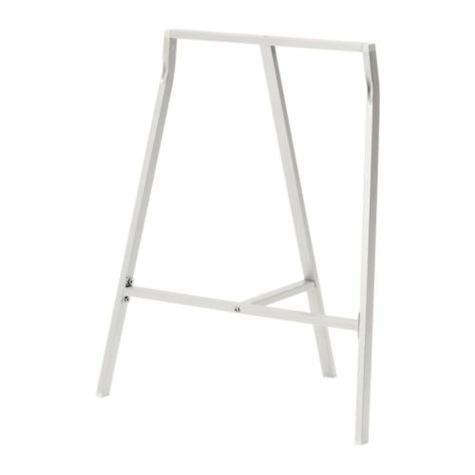
Vika Lerberg Trestle Legs
Aug
Some furniture earns fame through luxury materials, clever technology, or a designer name that requires careful pronunciation. Vika Lerberg trestle legs became memorable for a simpler reason: they made building a good-looking desk wonderfully uncomplicated.
Originally sold as part of IKEA’s modular table system, these slim metal supports could transform a basic tabletop into a minimalist desk, craft station, console, or dining surface. Although the product is now discontinued in the United States, it continues to appear in secondhand listings, old apartment tours, and DIY projectsoften wearing a fresh coat of paint and looking suspiciously pleased with itself.
This guide examines the dimensions, design, compatibility, advantages, limitations, styling possibilities, purchasing considerations, and everyday experience of using Vika Lerberg trestle legs.
What Are Vika Lerberg Trestle Legs?
The name can be slightly confusing because VIKA referred to an older IKEA mix-and-match table system, while LERBERG was the name of the trestle itself. Shoppers could select a tabletop and combine it with individual legs, drawer units, storage cabinets, or trestles to create a personalized workstation.
The Vika Lerberg was a fixed-height metal support with an open, angled frame. Instead of four conventional desk legs, a typical setup used two trestles positioned beneath opposite ends of a tabletop. The result was visually light, easy to assemble, and flexible enough for home offices, studios, bedrooms, and rental apartments.
Later desk combinations often dropped the VIKA prefix and were marketed simply as LERBERG trestles paired with tabletops such as LINNMON. That is why secondhand listings may use several names, including “Vika Lerberg,” “IKEA Lerberg desk legs,” or “Lerberg metal trestles.” They generally refer to the same recognizable A-frame-style support.
Original dimensions
Historical IKEA buying guides listed each LERBERG trestle at approximately:
- Width: 60 centimeters, or about 23.6 inches
- Depth: 39 centimeters, or about 15.4 inches
- Height: 70 centimeters, or about 27.6 inches
IKEA recommended using them with a tabletop at least 120 centimeters, or roughly 47.2 inches, long. Once the tabletop thickness was added, a completed desk commonly stood around 29 inches high, which is within the familiar range of many fixed-height desks.
Why the Lerberg Design Remains Popular
The Lerberg trestle did not offer drawers, height adjustment, wheels, cable channels, or a tiny robot that reminded you to stretch. Its appeal came from doing one job with very little visual fuss.
A clean industrial silhouette
The narrow steel members and angled stance created an industrial appearance without making the room feel heavy. From most viewing angles, the frame seemed to occupy less space than a solid cabinet or bulky wooden pedestal. That made it especially useful in small rooms where visual openness matters almost as much as actual floor space.
Easy modular construction
A pair of trestles and a compatible top could become a desk in minutes. Many original combinations relied on plastic bumpers and the weight of the tabletop rather than permanent fasteners. This allowed the pieces to be separated quickly for transportation or storage.
That feature was excellent for renters and frequent movers. It was less excellent for anyone who tried to drag the entire desk sideways by grabbing only the top. Trestle furniture rewards lifting, not dramatic furniture choreography.
Plenty of room underneath
Because the frame was open and relatively shallow, users retained generous knee clearance. Storage carts, small file cabinets, wastebaskets, and cable boxes could fit between the supports without the enclosed feeling created by two large drawer units.
A useful foundation for DIY projects
The understated frame accepted many decorating styles. Owners paired it with white laminate, bamboo, glass, reclaimed lumber, spruce planks, plywood, butcher block, and live-edge wood. Others spray-painted the legs gold, black, copper, or bright colors to turn a budget support into something much more theatrical.
Advantages and Disadvantages
Main advantages
Affordability was a major attraction. The original product was designed as an economical component rather than a premium furniture base. Even after adding a tabletop, many combinations cost less than a complete designer desk.
The appearance was highly adaptable. White trestles could disappear beneath a pale desktop, while gray versions offered a more industrial look. Repainting them opened still more possibilities.
Disassembly was simple. Separating the tabletop and supports made the desk easier to fit into cars, elevators, narrow stairways, and apartments designed by architects who apparently disliked furniture.
The structure worked for multiple purposes. Depending on the tabletop, the same legs could support a computer station, sewing table, hobby bench, temporary dining table, display console, or creative studio surface.
Potential drawbacks
The height was fixed. At 70 centimeters before adding the top, the Lerberg could not be raised or lowered for different users. Chair height, a footrest, monitor position, and keyboard placement therefore mattered.
The tabletop could shift. Original plastic bumpers added friction, but the top was not always mechanically attached. A light or narrow board could move if bumped, pulled, or loaded unevenly.
There was no built-in storage. The open frame looked spacious, but stationery and office equipment needed separate drawers, shelves, or organizers.
Long tabletops required careful support. A wide span can sag, especially when made from a lightweight hollow-core panel. Heavy monitors, desktop computers, books, or audio equipment increase the need for proper support.
Replacement parts are harder to find. Since the product is discontinued, missing bumpers, bolts, or frame pieces may not be available through ordinary retail channels.
Choosing a Tabletop for Lerberg Trestles
The tabletop determines how the finished desk looks, feels, and performs. Two identical pairs of Vika Lerberg trestle legs can produce completely different results when one supports white laminate and the other supports thick walnut.
Start with the recommended length
A top at least 47 inches long follows the original minimum recommendation. Shorter boards may not distribute weight as effectively across two wide trestles and can leave limited space between them. For a standard home office, a top between 48 and 60 inches long is usually practical.
Match depth to the frame
A desktop around 24 to 30 inches deep generally provides useful space for a monitor, keyboard, lamp, and paperwork. Before buying, place the assembled trestles beneath the proposed top and confirm that the support bars sit comfortably within its front and back edges.
Consider the tabletop construction
Solid wood and quality plywood are friendly choices for customization because they can accept screws, cleats, cable trays, and finishing products. They are also heavier, which can help a nonattached top feel more planted.
Lightweight hollow-core tabletops are easy to move and often inexpensive, but their internal structure limits where fasteners can hold securely. Do not assume a screw can be driven anywhere simply because the surface looks solid. That assumption has ended many projects with a small pile of sawdust and a large pile of regret.
Check for sag
Position the trestles near the ends while leaving enough overhang for a balanced appearance. If the top is unusually long, thin, or heavily loaded, consider adding an appropriate center support or a reinforcing rail beneath it. Never rely on guesswork for expensive computer equipment or unusually heavy objects.
How to Assemble and Stabilize a Lerberg Desk
Begin by inspecting every component for bent tubing, cracked welds, corrosion, missing hardware, or uneven feet. Assemble both trestles on a flat floor and tighten their connections gradually, alternating between fasteners instead of fully tightening one side first.
Place the trestles parallel to each other and measure their distance from both ends of the tabletop. Matching measurements help keep the desk square. Set the top in place, then gently test it from the front, back, and sides before adding equipment.
Using the original bumpers
The plastic bumpers supplied with many LERBERG trestles were intended to add grip between the frame and tabletop. Replace worn or missing pads with suitable nonslip furniture pads that fit securely and do not create an uneven surface.
Adding removable locating blocks
Some DIY owners attach small blocks or cleats to the underside of a solid tabletop. These blocks surround the trestle’s upper rail and restrict sideways movement without permanently connecting the frame to the top.
This method must be adapted to the tabletop. Use fasteners suitable for its thickness and construction, verify that no screw can penetrate the finished surface, and avoid attaching hardware to unsupported hollow areas.
Basic safety habits
Do not sit, stand, or climb on a trestle desk. Avoid placing most of the weight on one unsupported edge. Lift the tabletop and supports separately when relocating the desk, and recheck alignment after moving it. Children should not be allowed to pull on the edge or play beneath a surface that has not been adequately secured.
Creating a Comfortable Workspace
The finished desk height is determined by the 27.6-inch trestles plus the thickness of the top. That may work well for one person and feel too tall for another. A fixed-height desk should therefore be adjusted through the chair and accessories rather than through wishful thinking.
Set the chair so the shoulders remain relaxed and the forearms can approach the keyboard without reaching upward. Keep feet supported by the floor or a footrest. Place the monitor directly ahead, generally around an arm’s length away, with the upper portion of the screen near eye level. Laptop users may benefit from a stand plus an external keyboard and mouse.
The open Lerberg frame also makes cable control important. An under-desk tray, adhesive clips, reusable ties, or a mounted power strip can prevent cords from becoming the room’s dominant decorative feature.
Styling Ideas for Vika Lerberg Trestle Legs
Scandinavian home office
Pair white trestles with a pale wood or white tabletop. Add a simple task lamp, one plant, and restrained storage. The result feels calm, bright, and suspiciously organizedeven when one drawer contains seventeen mystery charging cables.
Industrial studio desk
Use gray or matte-black legs with sealed plywood, dark butcher block, or reclaimed boards. Visible grain, black accessories, and metal shelving complement the frame’s workshop character.
Glamorous gold desk
Gold-painted Lerberg legs became a popular DIY treatment because their narrow geometry resembles a more expensive designer base after refinishing. Proper cleaning, light sanding, metal-compatible primer, thin paint coats, and sufficient curing time produce a better finish than one heroic blast from a spray can.
Long creative worktable
A substantial wood surface can turn the trestles into a sewing, drawing, photography, or model-building station. Confirm the support requirements first, especially when using long planks or equipment that creates concentrated weight.
Console or temporary dining table
A narrow top creates an airy console for plants and decorative objects. A broader top can serve as occasional dining space, provided the structure is stable and the load remains appropriate. The modular design is especially helpful when the table must be dismantled after an event.
Buying Used Vika Lerberg Trestle Legs
Because new U.S. inventory is no longer generally available, shoppers usually search local resale marketplaces, thrift stores, estate sales, garage sales, and IKEA As-Is departments. Product numbers can help identify authentic pieces: historical guides associated white LERBERG trestles with article number 501.650.03 and gray versions with 801.307.76.
Ask the seller whether the price is for one trestle or a pair. Product photos should show the full frames, connection points, feet, top rails, and included hardware. Check that both supports are the same model and height; a mismatched pair can turn a minimalist desk into an experimental ski slope.
Minor paint scratches are usually cosmetic. Bent rails, separated welds, severe rust, missing structural pieces, or frames that rock on a level floor deserve more caution. Compare the total costincluding shippingwith the price of a current desk base. Nostalgia is charming, but it should not be allowed to operate the calculator unsupervised.
Modern Alternatives to Lerberg Trestles
IKEA’s current U.S. modular desk range still allows shoppers to combine tabletops, legs, storage, and trestles. The birch MITTBACK is a notable alternative for people who want an adjustable trestle with a more traditional wooden appearance. Conventional ADILS-style legs, drawer-supported desks, and third-party metal trestles may be better when permanent attachment or a specific height is required.
No substitute perfectly reproduces the Lerberg’s shallow metal frame. The best alternative depends on the real priority: visual lightness, low cost, adjustability, storage, mobility, or maximum stability.
Experience-Based Notes: Living With Vika Lerberg Trestle Legs
The first impression of a Lerberg desk is usually how little furniture seems to be present. A broad tabletop may dominate the workspace, yet the thin supports allow light to pass beneath it. In a compact bedroom or studio apartment, that openness can make the desk feel less intrusive than a conventional unit with panels and drawers.
Assembly is refreshingly straightforward once both frames are complete. Positioning them is the part that deserves patience. When the trestles are set too close to the center, the ends of the top feel vulnerable. When they are pushed too far outward, the angled legs may interfere with baseboards, storage, or walking space. Measuring equal insets from both ends creates a noticeably more balanced result than placing them by eye.
The removable tabletop is both the smartest feature and the source of the most common annoyance. During ordinary typing, writing, or light craft work, a properly positioned top with good pads can feel perfectly stable. Problems arise when someone leans hard against an edge, pulls the desk across the floor, or tries to lift it as a single object. The lesson arrives quickly: move the top and trestles separately.
Another everyday observation is that the open structure encourages clutter to remain visible. There is nowhere for cables, notebooks, and power adapters to hide. A small rolling drawer unit, an under-desk cable tray, and a few reusable ties make a larger difference than expected. Without them, the elegant Scandinavian frame can begin to resemble a telecommunications incident.
The fixed height also becomes more noticeable during long workdays. A person who fits the finished height may find the desk comfortable with only minor chair adjustments. A shorter user may need a higher chair and footrest, while a taller user may prefer a thicker top or another support system entirely. Testing the proposed total height before purchasing a heavy countertop avoids an expensive ergonomic surprise.
Surface choice changes the experience dramatically. A lightweight top keeps the desk easy to move but may feel less settled. A substantial wood top creates a more confident, furniture-like presence and usually improves resistance to casual shifting, although it also increases the effort required during relocation. Solid tops are easier to customize with cable management or locating cleats, provided the work is performed carefully.
Cosmetic refinishing is one of the most satisfying parts of owning used Lerberg trestles. Scratched gray frames can become matte black for an industrial setup, white for a quiet home office, or metallic gold for a polished decorative desk. The preparation takes longer than the painting, but rushing that stage often produces chips around bolts and contact points.
Long-term enjoyment ultimately depends on respecting what the product is. The Lerberg is an elegant, economical trestlenot a commercial workbench, climbing platform, or support for every heavy object found in the house. Used sensibly, it offers an unusually flexible foundation that can move from student desk to creative table to hallway console without looking out of place.
Conclusion
Vika Lerberg trestle legs remain appealing because they combine a simple metal silhouette with genuine modular flexibility. Their fixed height and nonattached tabletop require thoughtful setup, but the same uncomplicated construction makes them easy to transport, customize, and reuse.
A sound secondhand pair can still anchor a stylish home-office desk or creative worktable. Choose a suitable top, measure the placement carefully, manage shifting responsibly, and treat the structure according to its intended purpose. The result proves that good furniture does not always need more features. Sometimes it simply needs two sturdy frames, one well-chosen board, and a person willing to measure twice.

