
Body Care
Tendonosis: Symptoms, Treatment, and Recovery Time
Aug
Tendonosis is one of those words that sounds minor until it starts running your life. It usually refers to a chronic tendon problem caused by repeated overload and incomplete healing, which is why many clinicians now prefer the broader term tendinopathy. In plain English, the tendon is irritated, worn down, and not rebuilding as quickly as it should. That is different from tendonitis, which is more about active inflammation and tends to be the body’s “loud alarm” version of tendon pain.
The good news is that tendonosis is common, understandable, and often treatable. The less glamorous news is that tendons heal slowly, so this is usually a patience-and-plan problem rather than a power-through-it problem. The biggest mistake people make is returning to the same motion too quickly, especially running, jumping, lifting, or repetitive work tasks that keep the tendon on a loop.
What tendonosis is and why it happens
Tendons are thick cords that connect muscle to bone. When a tendon gets stressed over and over, tiny structural changes can build up faster than the tissue can repair them. Over time, that can lead to tendonosis, which is more about degeneration and failed healing than sudden inflammation. It often shows up in the Achilles tendon, rotator cuff, patellar tendon, elbow tendons, and other high-use areas.
Common risk factors include repetitive motion, poor training progression, abrupt increases in activity, weak supporting muscles, and biomechanics that put extra strain on one tendon. Age can matter too, because tendon tissue becomes less forgiving over time. In athletes, weekend warriors, and people whose jobs involve repeated lifting or gripping, tendonosis often behaves like a “too much, too soon, too often” injury.
Symptoms: how tendonosis usually feels
The hallmark symptom is pain that sits right on or near the tendon and gets worse with use. Many people describe it as a dull ache, stiffness, or soreness that shows up when they first start moving, then eases a little before flaring again after activity. The area may feel tender to the touch, stiff in the morning, or cranky after a workout, a long walk, typing, stair climbing, or lifting. Swelling can happen, but tendonosis is often more about pain and stiffness than obvious dramatic swelling.
Because symptoms depend on the tendon involved, tendonosis may look different from person to person. Achilles tendonosis can feel like pain at the back of the heel or lower calf. Rotator cuff problems may show up as shoulder pain when reaching overhead. Patellar tendon problems often hurt below the kneecap, especially with squats or jumping. Elbow tendon pain may flare when gripping, carrying, or twisting. The common thread is simple: the tendon complains when you ask it to do its job.
How doctors diagnose it
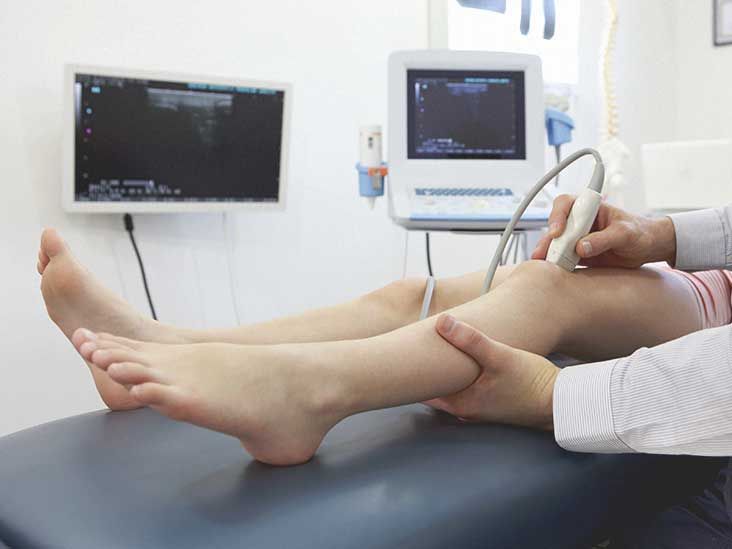
Diagnosis usually starts with a history and physical exam. A clinician will ask where the pain is, what movements trigger it, how long it has been going on, and whether rest helps. Imaging is not always required, but ultrasound or MRI may be used when the diagnosis is unclear, symptoms are persistent, or a tear needs to be ruled out. The point is not to win a trophy for “most stubborn tendon.” The point is to match the treatment to the tissue problem.
Treatment: what actually helps
The first priority is load management. That means reducing the motion, speed, force, or frequency that keeps aggravating the tendon. Rest does not always mean lying still for days on end; it usually means stopping the specific activities that are provoking the pain while keeping the rest of the body moving in safer ways. This is why many providers recommend modified activity rather than total shutdown.
Physical therapy is often the centerpiece of treatment. A therapist may use progressive strengthening, eccentric loading, stretching when appropriate, balance work, and gradual return-to-sport drills. For Achilles and other lower-limb tendons, eccentric or heavy-slow resistance work is commonly part of the plan. For shoulder and elbow cases, the program may focus on correcting movement patterns and rebuilding strength without re-irritating the tendon. The exercise is not meant to be heroic; it is meant to be strategic.
Short-term symptom relief may include ice for painful flare-ups, heat for longer-term stiffness, compression, temporary bracing, heel lifts, or a walking boot when recommended. Over-the-counter NSAIDs can help with pain in some cases, but they are usually support tools rather than the main solution for chronic tendonosis. Steroid injections may reduce pain briefly in some tendon conditions, but they are not typically viewed as a long-term fix for degenerative tendon problems.
When conservative care is not enough, some clinicians may consider procedures such as dry needling, percutaneous tenotomy, or other minimally invasive options for stubborn cases. Surgery is reserved for a smaller group of people, usually when symptoms persist for months and function remains limited despite proper rehab. Even then, recovery is usually measured in weeks to months, not days.
Recovery time: the honest answer
Recovery time depends on which tendon is involved, how long the problem has been present, how severe the degeneration is, and whether you truly stop re-aggravating it. Mild tendon irritation may settle in a few weeks, but tendinosis often takes much longer. Cleveland Clinic notes that tendinosis recovery can take two to six months, while some Achilles problems may require up to 12 months of rehabilitation to reach maximum improvement. Other tendon conditions can settle faster or slower depending on the exact injury and the person’s activity demands.
That timeline frustrates people because tendon pain often calms down before the tendon is truly ready. This is why “I feel better” and “I’m healed” are not the same thing. A tendon can be quiet enough for daily life but still be vulnerable to a hard workout, a long run, or a heavy lifting session. Gradual progression is what protects the gains and keeps the problem from boomeranging back.
What recovery often feels like in real life
Real recovery from tendonosis rarely looks like a neat straight line. It usually looks more like a chart with tiny hills and annoying little valleys. A person may rest for a week, feel noticeably better, then test the tendon with a “just one easy run” or “just one normal gym session,” only to wake up the next morning with the same old complaint. That does not mean the body is broken; it usually means the tendon was asked to tolerate more than it was ready for. This pattern is exactly why clinicians keep repeating the same unsexy advice: reduce load first, then rebuild gradually.
One of the most common experiences is the early-stage panic. The pain starts as a small nuisance, and many people assume it will disappear after a couple of rest days. When it does not, they start compensating. A runner shortens stride. A desk worker changes the way they grip a mouse. A tennis player stops serving with full power. These adjustments are useful in the short term, but they can also create a second problem if the person never commits to rehab. The tendon gets a little quieter, the surrounding muscles get weaker, and then the original issue comes back when normal activity resumes.
There is also the emotional side, which people do not always talk about. Tendonosis can be maddening because the injury is invisible, slow, and highly responsive to overconfidence. Athletes often describe it as a fight between discipline and impatience: they know the rehab works, but it is boring, repetitive, and much less exciting than training. Office workers and parents may feel the same frustration in different forms. They are not trying to win a race; they just want to carry groceries, climb stairs, lift a child, or make it through the workday without a wince. Those day-to-day victories matter, and they usually return before full sport or heavy-lifting capacity does.
Another very common experience is the “two steps forward, one step back” phase. Someone may complete physical therapy, follow the strengthening plan, and finally feel confident enough to increase mileage or weight. Then a long hike, an extra set, or a sudden sprint can bring back soreness. That setback can feel discouraging, but it is often a normal part of tendon rebuilding rather than proof that the treatment failed. The key difference is whether the pain is a brief response that settles with adjusted load, or a stubborn flare that keeps growing. When symptoms keep escalating, the plan needs to be reviewed rather than simply pushed harder.
People who recover well tend to share a few habits. They stop treating pain as a badge of honor. They follow the rehab plan even when it feels too slow. They accept that cardio, strength, and sport may need to be modified temporarily rather than abandoned entirely. They learn to respect warm-ups, footwear, calf strength, shoulder mechanics, or grip endurance depending on the tendon involved. Most importantly, they return to activity in steps, not in leaps. That boring middle is where the real healing happens.
When to get medical help
You should get checked if the pain is persistent, worsening, affecting daily tasks, or not improving after a few days of smart self-care. You should also seek evaluation sooner if there was a sudden pop, major loss of strength, visible deformity, or the joint no longer works the way it should. A torn tendon is a different problem from tendonosis, and it needs faster attention. Persistent pain is not something to romanticize; it is a message worth reading.
Bottom line
Tendonosis is usually a slow-building overuse problem, not a one-day injury. It causes localized pain, stiffness, and tenderness, and it tends to get worse when a tendon keeps being overloaded. Treatment works best when you combine load reduction, targeted rehab, and patient progression back to activity. Recovery can take weeks, months, or longer, depending on the tendon and the severity, but the trend is usually forward when the plan is consistent. The tendon may be grumpy, but it is not hopeless.
Note: This article is for educational purposes only and is not a substitute for diagnosis or treatment from a qualified clinician.

