
Beauty Tools & Accessories
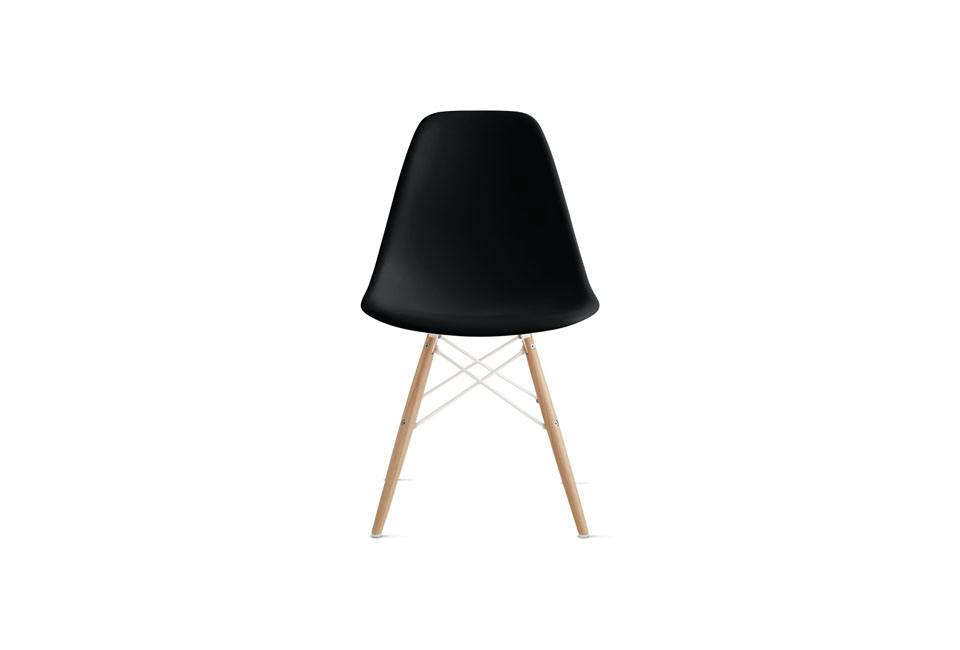
Eames Molded Plastic Side Chair with Wood Dowel Base
Aug
The Eames Molded Plastic Side Chair with Wood Dowel Base is one of those rare objects that can sit quietly beside a dining table while simultaneously carrying several decades of design history on its slim wooden legs. It looks simplealmost suspiciously simplebut that apparent effortlessness is the result of extensive experimentation with materials, manufacturing, comfort, and mass production.
Designed by Charles and Ray Eames, the chair combines a gently sculpted plastic shell with a geometric wood-and-steel base. The result is recognizable without being flashy, modern without looking cold, and practical enough to survive ordinary household life. In other words, it is museum-worthy furniture that does not panic when someone drops a bread crumb on it.
This guide examines the chair’s history, construction, comfort, styling potential, dimensions, care requirements, and long-term value. It also explains what living with the chair may realistically feel like once the showroom lighting disappears and the chair meets dinner guests, children, laptops, pets, and daily clutter.
What Is the Eames Molded Plastic Side Chair?
The Eames Molded Plastic Side Chair is an armless chair built around a one-piece contoured shell. The version with a wood dowel base is commonly identified by the initials DSW, meaning a dining-height side chair on a wood base. The shell provides the seat and backrest as one continuous surface, while the base combines angled wooden legs with intersecting metal supports.
The Eames Office dates the molded plastic side chair to 1950. The form grew from Charles and Ray Eames’s work for the Museum of Modern Art’s low-cost furniture competition and their attempts to create practical seating that could be efficiently manufactured for widespread use. MoMA’s collection includes a 1950 side chair made from molded polyester reinforced with glass fibers and manufactured by Herman Miller.
Today’s authentic Herman Miller version retains the historic silhouette while using updated materials. Depending on the selected configuration, the shell may be made from post-industrial recycled plastic or recyclable polypropylene. The modern shell has a subtle matte surface rather than the visibly fibrous appearance associated with many vintage fiberglass examples.
A Brief History of an American Design Icon
From Wartime Technology to Household Furniture
Charles and Ray Eames were interested in solving problems rather than decorating objects for decoration’s sake. Their studio experimented with molded plywood, metal, wire, resin, and fiberglass, searching for materials that could produce useful forms at a reasonable scale.
The early shell-chair project emerged during the late 1940s. The Eameses initially explored stamped metal but eventually worked with fiberglass-reinforced plastic, a strong industrial material associated with demanding wartime and aviation applications. Their production partners at Zenith Plastics had experience making aircraft-related components before helping transform the material into consumer furniture.
The breakthrough was not simply that the chair used plastic. The important idea was that the seat and back could become one shaped surface designed around the human body. That shell could then be attached to different bases for dining, working, lounging, rocking, or institutional use.
The Chair Was a System, Not a One-Hit Wonder
Many famous chairs are fixed compositions: one seat, one frame, one intended setting. The Eames shell-chair concept was more flexible. A common shell could be paired with wire bases, four-leg metal bases, wood dowel bases, rocking bases, and other structures.
This modular approach allowed the design to move between homes, offices, schools, restaurants, waiting areas, and public buildings. It was not merely a fashionable dining chair. It was closer to a seating family whose relatives showed up everywhere and somehow all inherited excellent posture.
The wood dowel version became especially popular in residential interiors because it softened the industrial character of the molded shell. The wood brings visual warmth, while the black or metal cross-bracing adds a small dose of engineering drama underneath.
Understanding the Chair’s Construction
The Molded Plastic Shell
The shell is the visual and functional center of the chair. Its form curves upward from the seat into the back, creating a continuous surface without separate cushions, slats, or upholstery seams. The sides rise slightly, helping define the sitting area without turning the chair into an enclosed armchair.
Authentic current-production shells are injection molded and batch dyed, meaning the color is integrated into the material rather than applied only as a surface coating. Herman Miller offers numerous shell colors, although available combinations and finishes can change over time.
The matte texture is practical as well as attractive. It reduces the glossy, mass-market appearance sometimes associated with inexpensive plastic furniture and helps the chair work alongside natural wood, stone, metal, brick, and textiles.
The Wood Dowel Base
Four angled wooden legs support the shell. Metal rods cross between them, forming a network that distributes weight while keeping the structure visually light. From a distance, the chair appears to stand on four simple dowels. Look underneath, however, and the base reveals the kind of geometry that makes people use phrases such as “structural expression” while everyone else is trying to eat breakfast.
The contrast between materials is a major part of the chair’s appeal. The shell feels smooth and manufactured. The wooden legs feel warm and familiar. The metal bracing connects the two worlds, preventing the chair from looking either too rustic or too futuristic.
The Waterfall Seat Edge
The front edge of the shell curves downward rather than ending in a sharp horizontal line. Herman Miller describes this as a waterfall edge intended to reduce pressure against the thighs. It is a small feature, but it helps explain why the chair feels more considered than a typical rigid plastic seat.
Dimensions and Practical Fit
The current Herman Miller dowel-base model measures approximately:
- Overall height: 31.5 inches
- Width: 17.75 inches
- Depth: 20.875 inches
- Seat height: 17 inches
- Weight: 13.25 pounds
- Listed weight capacity: 250 pounds
The chair arrives fully assembled in current retail configurations, so owners are spared the traditional furniture ritual of staring at six mystery screws and questioning every decision that led to that moment.
A 17-inch seat height works with many standard dining tables, but measurements should still be checked before purchasing. Thick table aprons, unusually low tabletops, and built-in drawers can reduce knee clearance. Allowing roughly 10 to 12 inches between the chair seat and the underside of the table is a useful planning guideline.
The chair’s modest width is helpful in smaller dining rooms. Several chairs can fit around a table without creating the upholstered bulk of traditional dining seating. Because the back is narrow and the base is visually open, the room may also feel less crowded.
Is the Eames DSW Chair Comfortable?
Comfort depends on body proportions, sitting habits, and the amount of time spent in the chair. The molded shell is supportive, slightly flexible, and shaped more thoughtfully than a flat seat. The curved back encourages an upright but relaxed dining posture, while the waterfall edge keeps the front of the seat from pressing sharply into the legs.
For meals, conversations, meetings, and occasional desk work, many people will find the chair comfortably supportive. It is not, however, a cushioned lounge chair or an adjustable ergonomic task chair. Someone planning to sit for an entire eight-hour workday may prefer an upholstered version, a removable seat pad, or a purpose-built office chair.
The armless design offers freedom of movement and allows the chair to slide farther under many tables. It also accommodates a wider variety of sitting positions than a narrow armchair. The trade-off is that there is nowhere to rest the elbows during a three-hour dinner conversation that should probably have ended after dessert.
Why the Design Still Looks Modern
The chair avoids many details that make furniture look tied to a specific decade. There is no elaborate carving, heavy upholstery, oversized frame, decorative skirt, or fashionable pattern. Instead, its identity comes from proportion, silhouette, and material contrast.
Its back has a gentle organic outline rather than a rigid rectangle. The legs angle outward, giving the chair an energetic stance. The metal bracing adds complexity without visual heaviness. These elements make the chair interesting from every direction, an important quality in open-plan rooms where dining chairs are rarely seen only from the front.
The design can also adapt to changing interiors. A white shell with pale wood legs feels airy and Scandinavian. Black on walnut appears more dramatic. A saturated shell color can become an accent in an otherwise neutral room. Mixed colors around one table create a playful atmosphere without requiring every chair to be a different shape.
Where the Chair Works Best
Dining Rooms and Breakfast Areas
The most obvious location is around a dining table. The chair’s compact footprint is especially useful in apartments, breakfast nooks, and rooms where circulation space is limited. Its wipeable shell also makes it practical for households in which tomato sauce behaves like an airborne substance.
Home Offices
One Eames molded side chair can work at a writing desk or occasional workstation. It suits spaces where a large rolling office chair would look intrusive. For prolonged computer use, however, the absence of height adjustment, lumbar adjustment, and arm support should be considered.
Bedrooms and Entryways
The chair is light enough to move easily and compact enough to serve as a bedroom side chair, dressing chair, or entryway seat. Unlike an upholstered chair, it does not visually consume half the room or collect every jacket within a ten-foot radiusalthough household behavior may still defeat good design.
Commercial and Hospitality Interiors
The shell-chair family has a long history in offices, cafés, educational settings, and public spaces. Herman Miller continues to position molded plastic chairs for private offices, collaborative environments, cafés, and similar settings.
Benefits of the Eames Molded Plastic Side Chair
- Timeless appearance: The chair pairs easily with vintage, contemporary, industrial, Scandinavian, and eclectic interiors.
- Compact proportions: Its armless shell and narrow profile help maximize seating around a table.
- Easy surface cleaning: The plastic shell does not require the routine vacuuming associated with fully upholstered seating.
- Strong visual identity: Even one chair can add recognizable midcentury modern character to a room.
- Multiple configurations: Buyers can choose among different shell colors, base types, leg finishes, upholstery options, and seat pads.
- Updated material options: Select current chairs use 100 percent post-industrial recycled plastic.
Possible Drawbacks
The most obvious disadvantage is cost. Authentic licensed production costs considerably more than the many Eames-inspired chairs sold online. Buyers are paying for authorized manufacturing, established specifications, material quality, warranty coverage, and the design’s historical legitimacynot merely four legs and somewhere to place a sandwich.
The firm shell may also feel too hard for people who strongly prefer padded seating. Adding a seat pad can improve softness, but it changes the chair’s clean appearance and may require occasional repositioning.
Plastic can show scratches, scuffs, or transferred color over time, particularly in pale finishes. Wooden legs also require more thoughtful care than powder-coated metal. Finally, although the chair is comfortable for many everyday activities, it cannot provide the adjustable support of an ergonomic office chair.
How to Identify an Authentic Current-Production Chair
The safest approach is to purchase through Herman Miller, Design Within Reach, the MoMA Design Store, or another authorized dealer. Herman Miller states that current retail orders include an authenticity certificate, and its official store lists a five-year warranty for the molded plastic side chair.
Be cautious when a listing uses vague phrases such as “Eames style,” “inspired by,” or “replica.” Those terms usually indicate that the chair is not an authorized Eames product. A dramatically low price can be another clue, although secondhand values vary according to age, condition, shell material, base, color, and provenance.
Vintage chairs require more specialized evaluation because markings, materials, shock mounts, labels, and production methods changed across different periods. Anyone purchasing a high-value vintage example should request clear photographs of the underside, labels, attachment points, shell texture, and base.
Cleaning and Maintenance
For routine shell cleaning, use a soft cloth with mild detergent and warm water, then rinse and dry the surface. Solvents, aggressive chemicals, and abrasive kitchen cleaners should be avoided because they may damage the finish.
The wood dowel base should be dusted with a slightly damp, lint-free cloth and wiped dry in the direction of the grain. Spills should be addressed promptly. Official care guidance recommends using an appropriate wood furniture cleaner periodically and avoiding aerosol products, abrasive polish, wax-heavy polish, and oil-based treatments.
Floor glides should be inspected occasionally, especially when the chair sits on hardwood. Dirt trapped beneath a glide can behave like sandpaper. Tightening or structural repairs should follow manufacturer guidance rather than improvised modifications that could affect the base or shell mounting points.
Is the Eames Molded Plastic Side Chair Worth Buying?
The chair makes the most sense for someone who values design history, recognizable form, material honesty, and long-term visual relevance. It is also a practical choice for compact dining spaces and interiors that benefit from seating with a light profile.
It may be less suitable for shoppers seeking deep cushioning, adjustable ergonomics, a low-cost temporary chair, or furniture that can be left outdoors without concern. The dowel-base model is primarily an indoor chair, and the combination of wood and metal should be treated accordingly.
An authentic Eames DSW is not automatically the correct chair for every room merely because museums admire it. Good design still has to fit the user, table, budget, and lifestyle. The smartest purchase is made after checking dimensions, testing the seat when possible, comparing base options, and considering how the chosen shell color will work with the rest of the space.
Real-World Ownership Experience: Living with the Eames DSW
Editorial note: The following experience section is a composite of realistic ownership situations and researched product characteristics. It does not claim personal ownership or first-hand testing by the writer.
The first noticeable thing about living with an Eames Molded Plastic Side Chair is how little physical and visual space it occupies. Place it beside a bulky upholstered dining chair, and the difference is immediate. The Eames chair seems almost drawn into the room with a few confident lines: one curved shell, four wooden strokes, and a scribble of metal bracing underneath.
Around a small dining table, that lightness is genuinely useful. The armless sides allow the chair to tuck in neatly, and the narrow back does not create a wall of furniture across the room. In an apartment where the dining area shares space with the kitchen and living room, this can make the entire floor plan feel more open.
During an ordinary meal, the shell feels firmer than an upholstered chair but more supportive than a cheap flat plastic seat. The curved back encourages the sitter to remain upright without feeling as though a strict piano teacher is supervising dinner. The seat edge does not dig sharply into the thighs, and the slight flexibility of the shell prevents the chair from feeling completely rigid.
After a long evening, personal preferences become more important. Someone accustomed to cushioned chairs may begin wishing for a seat pad, while another person may appreciate the clean support. This is why sitting in the chair before purchasing is valuable. A famous silhouette cannot negotiate with individual anatomy.
Daily cleaning is one of the chair’s strongest practical advantages. Crumbs brush away quickly. Most ordinary food marks can be handled with a damp cloth and mild cleaner. There are no upholstery seams waiting to collect mysterious debris from a dinner party held six months earlier.
The base demands slightly more attention. Dust can settle around the metal cross-bracing, and the wooden dowels should not be soaked during cleaning. The geometry looks elegant, but it contains enough corners to remind owners that beautiful engineering occasionally requires a smaller cleaning cloth.
Moving the chair is easy because it is relatively light. It can travel from the dining table to a desk, bedroom, or entryway without becoming a household relocation project. That flexibility makes a single chair surprisingly useful. It may begin as dining seating, spend an afternoon supporting a laptop session, and finish the day holding tomorrow’s clothes in the bedroomthe unofficial final career of many excellent chairs.
Styling the chair is equally forgiving. A neutral shell blends into the room, while a stronger color becomes a controlled accent. The wood base helps the plastic feel warmer, especially next to timber tables, woven rugs, linen curtains, or houseplants. At the same time, the metal rods keep the combination from becoming overly rustic.
The most persistent impression is that the chair feels designed rather than decorated. Nothing appears unnecessary, yet it does not feel stripped of personality. That balance explains why the Eames Molded Plastic Side Chair continues to appear in minimalist apartments, colorful family homes, creative studios, cafés, and formal design collections.
Ownership also changes the way the chair is perceived. In photographs, it can look like a precious design object. In daily use, it becomes refreshingly ordinary: a place to drink coffee, answer email, open mail, help with homework, or sit while someone else insists dinner will be ready in “five minutes.” Its greatest achievement may be that the history never prevents the chair from doing its basic job.
Conclusion
The Eames Molded Plastic Side Chair with Wood Dowel Base succeeds because it unites industrial innovation with an approachable human shape. Its molded shell is practical and recognizable, while the wood-and-wire base provides warmth, strength, and visual character.
It is not the softest dining chair, the least expensive option, or a substitute for an adjustable office chair. It is, however, a versatile piece of authentic midcentury modern furniture that can remain visually relevant through repeated changes in décor. For buyers who value history, proportion, craftsmanship, and everyday usefulness, the Eames DSW continues to earn its seat at the table.
Note: Materials, colors, finishes, dimensions, warranty terms, and availability may vary by configuration or change over time. Verify current specifications with an authorized retailer before purchasing.

