
Hair Care
How to Grow and Care for Tree Philodendron
Aug
If houseplants had a “main character energy” award, the tree philodendron would show up in a cape made of
giant, dramatic leaves and accept the trophy with absolutely no humility. This plant is bold, tropical-looking,
and surprisingly forgivingif you understand the few things it really cares about (and the few things it
really, really does not).
In this guide, you’ll learn exactly how to grow a tree philodendron indoors (and when it makes sense outdoors),
how to avoid the classic “I loved it to death” watering mistake, how to dial in light and soil, and how to keep it
looking like a lush jungle superstar instead of a sad green umbrella with regret.
Meet the Plant: What Exactly Is a “Tree Philodendron”?
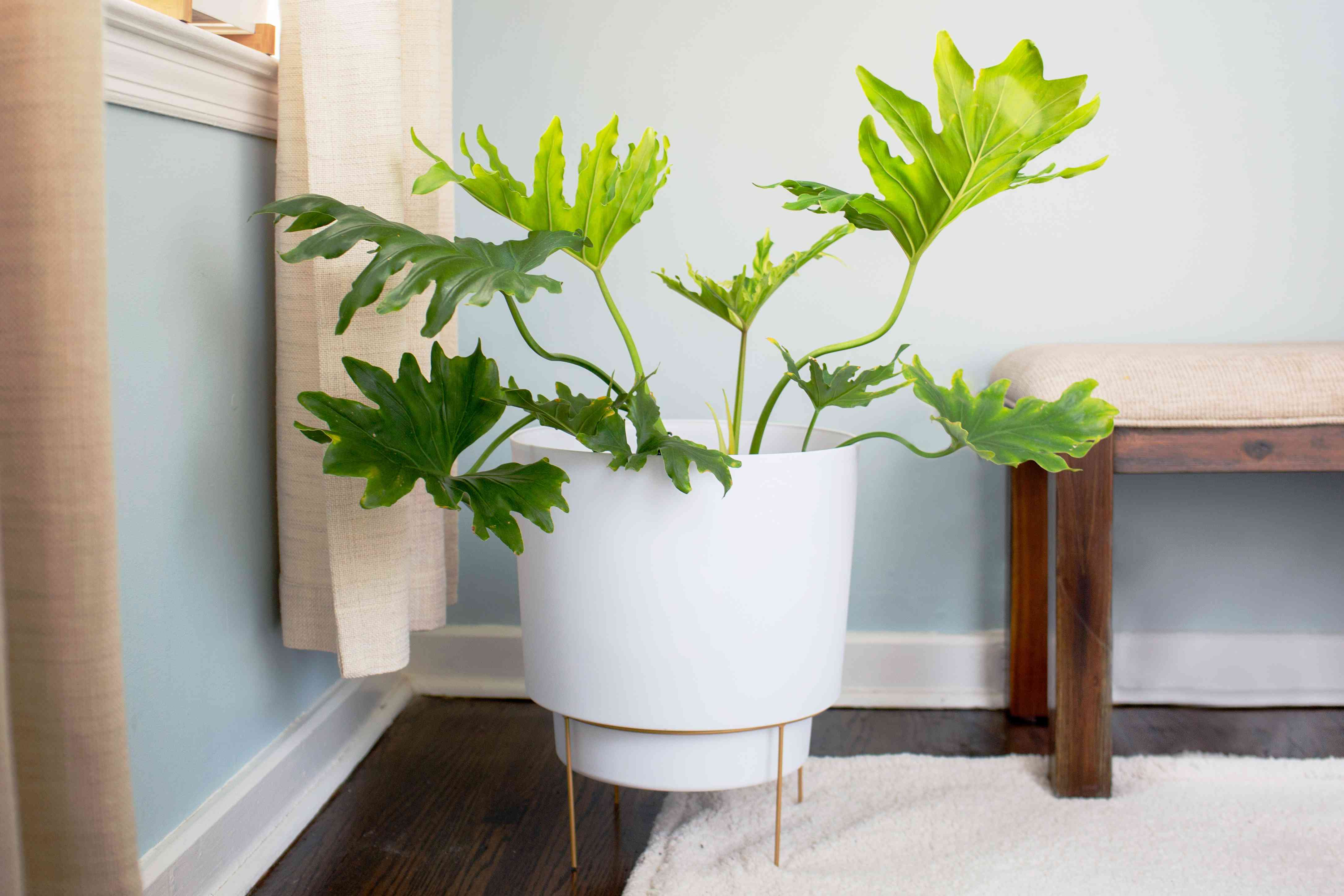
“Tree philodendron” is a common name most often used for the big, self-heading, deeply lobed plant sold as
Philodendron bipinnatifidum and/or Philodendron selloum. You may also see it labeled as
Thaumatophyllum bipinnatifidum (because plant names love a rebrand). In plain English: it’s a large,
non-vining aroid that forms a stout stem over time and throws out huge, cut-leaf foliage that makes your living room
look like it has its own climate.
It’s sometimes confused with “split-leaf philodendron” as a general phraseand that phrase is also commonly used for
Monstera deliciosa (different plant, different vibe, different level of chaos). A quick visual cue:
tree philodendron leaves are deeply lobed and lacy; monstera leaves tend to develop holes (“fenestrations”).
Ideal Growing Conditions
Light: Bright Indirect Is the Sweet Spot
Tree philodendron grows best in medium to bright, indirect light. Think “near a sunny window,” not
“pressed against the glass at noon in July.” Too much direct sun can scorch leaves, while too little light can slow
growth and stretch the plant toward the nearest photon like it’s trying to escape your apartment.
- Best indoor placement: a few feet back from an east- or west-facing window, or filtered light near a south window.
- Low-light reality check: it can tolerate lower light, but you’ll get slower growth and less impressive leaf size.
- Pro tip: rotate the pot every week or two to keep the plant from leaning like it’s gossiping with the window.
Temperature: Warm, Steady, and Not Drafty
This is a tropical plant. It likes typical indoor temperatures and gets cranky when chilled. Aim for a steady
65–85°F range. Keep it away from cold drafts, blasting heaters, and the “arctic wind tunnel” created
by frequently opened exterior doors in winter.
Humidity: Helpful, Not Mandatory (But It Shows)
Tree philodendron appreciates higher humidity, which supports larger, healthier-looking leaves. The good news:
it can handle average household humidity. The better news: it looks even more impressive if you bump humidity a bit.
- Group plants together to create a mini humid microclimate.
- Use a pebble tray (with the pot above the waterline) or run a humidifier nearby.
- Don’t “mist aggressively” as a cure-allconsistent ambient humidity beats random spritzing.
Soil and Pot Setup (Where Most People Accidentally Set Up a Problem)
Soil: Rich, Airy, and Fast-Draining
Tree philodendron wants soil that holds some moisture but never stays swampy. The easiest approach is a
high-quality, well-draining potting mix boosted with chunky amendments for airflow.
A simple “works in most homes” mix:
- 2 parts indoor potting mix
- 1 part orchid bark (or chunky pine bark)
- 1 part perlite or pumice
- Optional: a handful of compost or worm castings for gentle nutrition
This combo prevents the root zone from becoming a soggy pancake. And yes, your plant roots care about oxygen.
They’re dramatic, but they’re also science.
Pot: Drainage Isn’t a Suggestion
Choose a pot with drainage holes. If your pot doesn’t drain, you’re essentially running a root rot
incubator and calling it “minimalist decor.” Terracotta can be helpful if you tend to overwater because it breathes
and dries faster, but plastic works fine if your soil is airy and your watering is sensible.
Watering Tree Philodendron Without Turning It Into Soup
Here’s the rule that solves most tree philodendron problems:
keep it evenly moist, not wet.
Water thoroughly, then let the top layer of soil dry a bit before watering again.
When to Water
- Check the top 1–2 inches of soil with your finger.
- If it feels dry at that depth, water.
- If it’s still moist, wait a few days and check again.
How often is that? It depends on light, temperature, pot size, and your home’s humidity. In many homes, that lands
somewhere around weekly in warmer months, and less often in winter when growth slows.
How to Water (A.K.A. “Don’t Sprinkle Like It’s a Salad”)
Water until you see excess water drain out the bottom, then discard any runoff. This ensures the entire root ball
gets hydrated instead of just the top inch.
A useful bonus habit: flush the soil occasionally by watering a bit more generously than usual so
extra water runs through the pot. This helps reduce fertilizer salt buildup, which can show up as crispy leaf edges
or “mysterious browning” that feels personal.
Fertilizer: Feed the Beast (Politely)
Tree philodendron is a fairly fast grower in good conditions. During the growing season (spring through early fall),
a balanced houseplant fertilizer can help it produce larger leaves and sturdier growth.
A Practical Feeding Schedule
- Spring & summer: feed lightly about once a month (or per label directions).
- Fall & winter: reduce or pause feeding if growth slows.
Always fertilize on already-moist soil to reduce the risk of root burn, and don’t “double dose” thinking it will grow
faster. Your plant is not a microwave burrito.
Repotting: Size Up Only When Needed
Tree philodendron doesn’t need constant repotting, but it does appreciate fresh soil once it becomes root-bound or
the mix breaks down and holds too much water.
- Typical rhythm: every 1–2 years, depending on growth speed and pot size.
- Pot jump: go up 1–2 inches in diameter, not a massive leap.
- Best time: spring or early summer.
If your plant is top-heavy (very common), a wider pot can improve stability. You can also use a heavier cachepot
(decorative outer pot) for balancejust don’t let water collect in it.
Pruning, Aerial Roots, and “Making It Look Intentional”
Pruning for Shape and Health
Remove yellowing, damaged, or aging leaves by cutting near the base of the petiole (leaf stem). Pruning can help the
plant look cleaner and can redirect energy into new growth. Use clean, sharp prunersbecause your plant deserves
better than being hacked like a questionable hedge.
What to Do With Aerial Roots
As it matures, tree philodendron can produce aerial roots. These can look wild, but they’re normal. You have options:
- Leave them alone (the plant is simply being itself).
- Gently guide them into the soil to help anchor and hydrate the plant.
- Trim them if they bother you aestheticallyremoving them generally won’t harm the plant.
Leaf Cleaning: The Easiest “Growth Hack” No One Brags About
Dusty leaves absorb less light. Wipe leaves occasionally with a damp cloth. It’s quick, it’s satisfying, and it makes
the plant look like it just got a spa facial.
Propagation: How to Make More Tree Philodendrons
Tree philodendron propagation is not as effortless as vining philodendrons. The most realistic home method is
division of offshoots when the plant has them. In commercial production, it may also be grown from
seed or produced via tissue culture.
Method 1: Division of Offshoots (Most Practical)
- Water the plant the day before to reduce stress.
- Unpot the plant and gently loosen soil around the root mass.
- Locate offshoots/pups with their own roots (or clear root attachments).
- Use a clean knife to separate the offshoot, keeping as many roots as possible.
- Pot each division into fresh, airy mix and keep lightly moist in bright, indirect light.
Expect some pause in growth after division. That’s normalit’s focusing on rebuilding roots, not auditioning for a
jungle calendar shoot.
Method 2: Seed (More Common in Nurseries Than Homes)
Seed propagation exists, but it’s less common for home growers because viable seed can be short-lived and seedlings
require consistent warmth, humidity, and patience.
Method 3: Cuttings or Air Layering (Possible, Not Always Easy)
Some growers have success with cuttings if a cutting includes nodes and (ideally) aerial root tissue. Air layering is
another option for mature stems: you encourage roots to form before separating the new plant. If you want the highest
success rate at home, division still tends to be the least dramatic path.
Common Problems and How to Fix Them
Yellow Leaves
- Most common cause: overwatering or poor drainage.
- Fix: let the soil dry slightly between waterings, confirm drainage, and use a chunkier mix.
Brown Tips or Crispy Edges
- Common causes: low humidity, inconsistent watering, or fertilizer salt buildup.
- Fix: increase humidity modestly, water more consistently, and flush the soil occasionally.
Leggy Growth (Long Stems, Smaller Leaves)
- Cause: not enough light.
- Fix: move it closer to bright indirect light, rotate regularly, and prune selectively if needed.
Drooping Leaves
- Cause: underwatering (often) or root stress (sometimes).
- Fix: check soil moisture; if dry, water thoroughly. If wet and droopy, inspect roots and drainage.
Pests: The Usual Suspects
Tree philodendron can attract common houseplant pests like spider mites, scale, mealybugs, aphids, and fungus gnats.
The best defense is steady care and regular leaf checks.
- First move: isolate the plant if you spot pests.
- Mechanical cleanup: wipe leaves and stems; rinse foliage if appropriate.
- Treatment: insecticidal soap or horticultural oil (follow label directions) can help with many pests.
- Fungus gnats: let the top layer dry more between waterings and consider sticky traps.
Indoor vs. Outdoor Growing
Indoors, tree philodendron is a statement houseplant. Outdoors, it can become an actual landscape monster (in the
best way) in warm climates. In the U.S., it’s typically grown outdoors in frost-free or near-frost-free regions.
Outdoor Tips
- Give it bright shade or filtered sunavoid harsh afternoon sun in hot climates.
- Plant in rich, well-draining soil with organic matter.
- Protect it from cold snaps; it’s not built for frost.
If you “summer” your plant outside, bring it in before nights get chilly. A good rule of thumb is to move it indoors
when temperatures start dipping toward the low 60s°F.
Safety Note: Beautiful, But Not a Snack
Tree philodendron (like many aroids) contains calcium oxalate crystals that can irritate the mouth and
digestive tract if chewed. Keep it away from curious pets and kids, and wash hands after heavy pruning if you have
sensitive skin.
Conclusion: The “Big Leaf” Formula
If you remember nothing else, remember this: bright indirect light + airy soil + thorough watering only when
the top dries = a thriving tree philodendron. Add a little fertilizer in the growing season, wipe the leaves
once in a while, and give it space to spread out. Do that, and this plant will reward you with lush, sculptural
foliage that makes your home feel like it’s one ambient rainforest soundtrack away from a vacation.
Real-World Experiences: What Growers Learn After Living With a Tree Philodendron
Reading care guides is helpful, but living with a tree philodendron teaches you a few “aha” lessons that don’t always
show up in neat bullet points. Here are common experiences and patterns that many growers reportaka the practical
stuff you learn after you’ve watched this plant react to real homes, real seasons, and real human behavior.
1) The “One More Splash” Trap
A lot of people start out thinking, “It’s tropical, so it must love water.” And it doesjust not constant
water. The classic mistake is topping off the pot every couple of days because the surface looks dry, while the
bottom of the pot stays wet. The fix most growers land on is simple: stop watering based on vibes and start watering
based on the top 1–2 inches of soil. Once you switch to that method, yellow leaves and droop-from-root-stress often
fade into the past like a bad haircut.
2) Bigger Pot Does Not Automatically Mean Bigger Leaves
There’s a moment almost everyone has: you see a huge tree philodendron online, then you decide your plant needs a pot
the size of a kiddie pool. But upsizing too fast can keep the soil wet for too long, especially indoors. Many growers
find that “small, sensible upgrades” win: move up 1–2 inches at a time, keep the mix chunky, and let the plant earn
the next pot size by filling the current one with roots. That approach tends to produce steadier growth and fewer
mystery issues.
3) Light Is the Difference Between “Nice” and “Wow”
Tree philodendron can survive in lower light, which is why people love it. But growers often notice a big difference
between surviving and thriving. In brighter indirect light, new leaves usually emerge larger, the plant holds itself
more upright, and growth feels more frequent. In low light, it can get a bit stretched and slow, like it’s waiting
for better opportunities. If your plant looks healthy but unimpressive, light is often the missing ingredient.
4) Rotation Solves More Problems Than People Expect
Because the plant naturally grows toward its light source, it can lean. Growers who rotate their plant a quarter turn
every week or two tend to get a more symmetrical shape. It’s one of those low-effort habits that pays off
disproportionatelyespecially if your goal is “designer plant” rather than “tropical blob.”
5) Aerial Roots Are Not a Crisis
New owners sometimes panic when aerial roots show up. But experienced growers usually treat them like optional
accessories. Some tuck them into the soil to help stabilize the plant, especially when it starts forming a thicker
stem. Others trim them for a cleaner look. The most common lesson: the plant isn’t sickit’s just doing a normal
aroid thing and exploring its options.
6) Leaves Collect Dust Like It’s Their Hobby
Big leaves are basically dust magnets. Growers who start wiping leaves regularly often notice two benefits: the plant
looks dramatically better, and it seems to “use light” more efficiently. It’s not magicit’s just photosynthesis
working with a clean surface. Many people make this part of their watering day routine: check the soil, rotate the
pot, wipe a couple of leaves. Small rituals keep the plant consistently happy.
7) The Plant Will Tell You When the Routine Needs a Seasonal Update
In many homes, watering and fertilizing schedules that work in summer don’t work in winter. Growers often notice that
the plant slows down, the soil stays wet longer, and fertilizer can be less necessary. The “experienced” approach is
adjusting in real time: less water when the plant isn’t actively growing, and lighter feeding when daylight is
shorter. Treat it like a living thing (because it is), not like a calendar subscription.
The overall takeaway from real-world experience is reassuring: tree philodendron is tough, but it’s also honest.
If something’s off, it usually gives you cluesyellowing, crisping, drooping, stretchinglong before it becomes a
serious problem. If you respond with better light, better drainage, and smarter watering, it tends to bounce back
and keep being the dramatic leafy icon it was born to be.

