
Beauty Unlocked
Why Do Men Get Morning Erections?
Aug
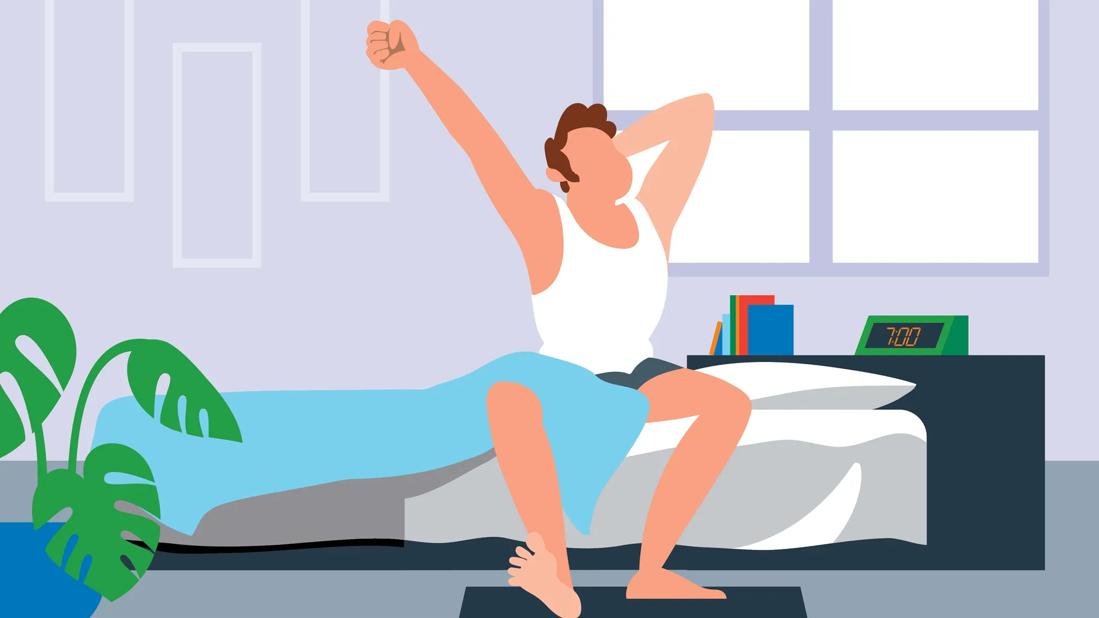
You wake up, reach for the alarm clock, and discover that another part of your body has apparently been awake for hours. Morning erections are common, natural, and often spectacularly inconvenient when you need to use the bathroom or put on fitted pants.
Known medically as nocturnal penile tumescence, morning erections are not necessarily signs of sexual thoughts, romantic dreams, or an unusually enthusiastic start to the day. They are usually the final visible result of several automatic erections that occur during sleep.
These erections involve the brain, nerves, hormones, blood vessels, and sleep cycle. Their presence can offer useful information about erectile function, but missing one occasionally is not usually a reason to panic. Here is what is happening behind the scenes while the conscious mind is off duty.
What Is a Morning Erection?
A morning erection is an erection that is present when a person wakes up. The erection may have begun minutes earlier or during the final period of rapid eye movement, or REM, sleep. Because people often wake during or shortly after REM sleep, they are more likely to notice this final overnight erection than the others.
Healthy males may experience several erections during a normal night. Depending on age, sleep quality, health, and other factors, these episodes can occur multiple times and last for varying lengths of time. The erection observed in the morning is therefore less of a special sunrise event and more like the closing act of an overnight performance.
Medical basis: Cleveland Clinic, Harvard Health and MSD Manual describe sleep-related erections and their association with REM sleep.
Why Do Men Get Morning Erections?
REM Sleep Activates Automatic Body Processes
The strongest explanation involves REM sleep, the stage most commonly associated with vivid dreaming. Adults move through repeated cycles of non-REM and REM sleep throughout the night. During REM sleep, brain activity increases, breathing and heart rate become less regular, and the autonomic nervous system behaves differently.
The autonomic nervous system manages processes that do not require conscious instructions, including digestion, heart rate, and changes in penile blood flow. During REM sleep, the balance between sympathetic activitythe system associated with alertness and the stress responseand parasympathetic activity shifts. Parasympathetic signals help encourage the relaxation of penile smooth muscle and increased blood flow.
This does not mean every erection is attached to an erotic dream. Dream content may be completely unrelated. Someone could be dreaming about missing a flight, arguing with a vending machine, or giving a presentation without pants while the body independently produces a normal erection.
Nerves and Blood Vessels Work Together
An erection requires a well-coordinated series of events. Nerve signals promote the release of nitric oxide in erectile tissue. Nitric oxide helps relax smooth muscle inside the penis, allowing arteries to widen and deliver more blood.
As blood fills the two spongy chambers called the corpora cavernosa, the expanding tissue compresses veins that would normally carry blood away. Blood becomes temporarily trapped, making the penis firmer. When the chemical and nerve signals decrease, blood flows out and the erection subsides.
This process can happen without conscious sexual stimulation. In that sense, sleep-related erections function like other automatic nighttime activities. The sleeper does not have to think, “Time for routine vascular maintenance.” The nervous system has already handled the paperwork.
Medical basis: MedlinePlus, NIDDK, Johns Hopkins Medicine and Yale Medicine describe the roles of the brain, nerves, nitric oxide and blood vessels in erectile function.
Testosterone May Support the Process
Testosterone levels follow a daily rhythm and generally rise during sleep, often reaching higher levels in the morning. Testosterone supports libido, sexual function, sperm production, bone health, and other biological processes.
Higher nighttime and morning testosterone levels may make sleep-related erections more likely or more noticeable, but testosterone is not the only explanation. A person does not develop a morning erection simply because a hormone meter reaches a particular number. Sleep architecture, nerve function, blood circulation, medications, psychological health, and overall physical health all contribute.
Low testosterone can reduce libido and may decrease the frequency of nocturnal erections in some men. However, the presence or absence of morning erections alone cannot diagnose a testosterone deficiency. Proper evaluation usually requires a discussion of symptoms and appropriately timed blood tests.
Medical basis: Sleep Foundation, Harvard Health and the American Urological Association discuss nighttime testosterone patterns and androgen effects on nocturnal erections.
A Full Bladder Is Not the Main Cause
A popular theory says morning erections occur because the bladder is full. That explanation is attractive because both situations frequently appear together. After several hours without a bathroom break, a person may wake with both an erection and an urgent need to urinate.
A full bladder may stimulate nearby nerves or help someone remain aware of an existing erection, but it is not considered the primary cause. Sleep-related erections occur throughout the night, including times when the bladder is not especially full. The stronger explanation is the repeated pattern of REM sleep and automatic nervous-system activity.
Does a Morning Erection Mean Someone Is Sexually Aroused?
Not necessarily. Sexual arousal can produce an erection, but an erection does not automatically prove sexual desire. Physical stimulation, REM sleep, hormonal changes, certain medications, and spontaneous nerve activity can also produce one.
This distinction can be useful for partners. Waking beside someone with an erection does not establish what that person was dreaming about, whether they want sex, or whether the erection is an invitation. Bodies produce automatic responses that do not always match thoughts or intentions.
Morning erections are also observed in infants, children, adolescents, and adults. Their presence across different ages reinforces the fact that they are a basic physiological response rather than a reliable report on someone’s romantic agenda.
How Often Should Morning Erections Occur?
There is no required daily quota. Some men notice an erection most mornings, while others notice one only occasionally. A person can have normal erections during sleep without waking at the exact moment needed to observe them.
Frequency also tends to change with age. Adolescents and younger adults often experience more frequent or firmer spontaneous erections. With aging, sleep may become more fragmented, testosterone levels may decline, and vascular or neurological health may change. Morning erections may consequently become less frequent or less rigid.
A temporary change can be caused by poor sleep, exhaustion, stress, alcohol, illness, travel, or a disrupted schedule. One erection-free Tuesday morning is not a medical diagnosis.
What Can Affect Morning Erections?
Sleep Quality
Because nocturnal erections are closely connected to sleep cycles, anything that repeatedly interrupts sleep may affect how often they occur or whether they are noticed. Insomnia, irregular sleep schedules, severe sleep deprivation, and obstructive sleep apnea can interfere with restorative sleep and sexual health.
A person who frequently snores, gasps during sleep, wakes with headaches, or experiences major daytime sleepiness should discuss possible sleep apnea with a healthcare professional. Treating an underlying sleep disorder can improve more than morning energy.
Stress and Mental Health
Stress does not always eliminate sleep-related erections, but chronic stress can disturb sleep, lower libido, and make erections during sexual activity more difficult. Anxiety, depression, relationship conflict, and performance pressure can also affect sexual function.
Interestingly, someone may continue having firm morning erections while experiencing difficulty during partnered sex. That pattern can suggest that basic physical erectile mechanisms remain capable of working and that situational anxiety or another psychological factor may be contributing. It is a clue, not a definitive home diagnosis.
Alcohol, Nicotine, and Other Substances
Heavy alcohol use can disrupt REM sleep and interfere with nerve signaling, hormone balance, and sexual performance. Smoking and nicotine can damage blood vessels over time, while recreational drugs may have unpredictable effects on the nervous and cardiovascular systems.
An occasional change after a late night is generally less concerning than a persistent pattern. Still, if Friday-night celebrations repeatedly lead to Saturday-morning confusion, the body may be offering a review of the beverage menu.
Medications
Some antidepressants, blood pressure medicines, hormone treatments, sedatives, and other drugs can influence libido, sleep, or erectile function. A medication should not be stopped abruptly because of a change in morning erections. A clinician may be able to adjust the dose, change the timing, or recommend an alternative.
Medical Conditions
Erections depend on healthy nerves and circulation. Diabetes, cardiovascular disease, high blood pressure, high cholesterol, obesity, neurological disorders, hormonal conditions, pelvic injuries, and complications from prostate treatment can affect erectile function.
Erectile dysfunction can sometimes be an early sign of vascular disease because the penile arteries are relatively small. A continuing change in erections may therefore deserve attention, especially when accompanied by chest discomfort, shortness of breath, leg pain with activity, or major cardiovascular risk factors.
Medical basis: NIDDK, Mayo Clinic, Johns Hopkins Medicine, Stanford Health Care and Yale Medicine discuss vascular, neurological, metabolic, psychological and sleep-related contributors to ED.
What Do Morning Erections Reveal About Erectile Health?
Doctors may ask about nighttime and morning erections when evaluating erectile dysfunction. Regular sleep-related erections suggest that penile nerves, blood vessels, and erectile tissue can produce an erection under at least some conditions.
If erections occur during sleep but not during sex, performance anxiety, stress, relationship difficulties, or other situational factors may be involved. If nocturnal erections have disappeared and erections are also consistently difficult during masturbation or sexual activity, a physical contributor may be more likely.
However, this distinction is not perfect. Physical and psychological causes frequently overlap. A man with mild vascular disease may develop performance anxiety, and someone with anxiety may also have diabetes or low testosterone. Morning erections are one piece of the clinical puzzle, not the entire picture printed on the box.
In selected cases, specialists can perform nocturnal penile tumescence and rigidity testing. Sensors measure changes in penile size and firmness during sleep. The American Urological Association notes that such testing may be useful for certain patients, although it is not required for every case of erectile dysfunction.
Medical basis: AUA guidance, MSD Manual and Stanford Health Care discuss nocturnal penile tumescence testing in the evaluation of erectile function.
When Should a Man Talk With a Doctor?
Occasionally waking without an erection is normal. Consider scheduling a medical appointment when there is a persistent change lasting several weeks or when the change appears alongside other symptoms.
Reasons to seek an evaluation include:
- A continuing absence of morning or nighttime erections combined with difficulty getting erections during sex or masturbation.
- Erections that are consistently too soft or disappear too quickly for comfortable sexual activity.
- A major decline in sexual desire, energy, strength, mood, or body-hair growth.
- Penile pain, a new curve, a lump, numbness, or symptoms following an injury.
- Urinary problems, pelvic pain, or pain during ejaculation.
- Symptoms of diabetes, cardiovascular disease, or a sleep disorder.
- Concern that a medication is affecting sexual function.
A clinician may review medications, sleep, stress, alcohol use, cardiovascular risks, and sexual symptoms. Depending on the situation, the evaluation may include a physical examination and tests for blood sugar, cholesterol, testosterone, or other possible contributors.
When an Erection Is an Emergency
An erection that lasts longer than four hours, particularly when it is painful and unrelated to continuing stimulation, may be priapism. This condition requires emergency care because trapped blood can injure penile tissue. Do not simply wait for it to disappear or attempt to solve it with another cup of coffee.
Medical basis: Mayo Clinic and MSD Manual identify prolonged, often painful erections as priapism and emphasize urgent treatment.
Can Men Improve the Frequency of Morning Erections?
There is no need to chase a specific number of morning erections. The better goal is supporting the systems that make healthy erections possible.
Helpful habits include getting consistent sleep, exercising regularly, maintaining a weight appropriate for personal health needs, managing blood pressure and blood sugar, avoiding tobacco, limiting excessive alcohol, and seeking treatment for sleep apnea or persistent stress.
A balanced eating pattern that supports cardiovascular health may also support erectile function. The same blood vessels that deliver oxygen throughout the body help supply the penis. In other words, habits that are good for the heart generally do not receive complaints from the erectile system.
Do not take testosterone, erectile dysfunction drugs, or unregulated “male enhancement” supplements solely to create more morning erections. Testosterone therapy is appropriate only for certain people with clinically confirmed deficiency, and prescription erection medications can interact dangerously with nitrates and some other drugs.
Common Experiences and Observations About Morning Erections
People often understand the science better when it is connected to familiar situations. The following are composite examples based on experiences commonly discussed with healthcare professionals. They are not individual medical case reports.
The Teenager Who Thinks Something Is Wrong
A teenager begins waking with frequent erections and worries that they indicate excessive sexual thoughts. Sometimes the erections appear before a school day, after a completely nonsexual dream, or while staying overnight at a relative’s homethe exact setting in which the body’s sense of comedic timing is least appreciated.
The reassuring explanation is that puberty increases hormone activity while the nervous and reproductive systems mature. Frequent spontaneous and morning erections are usually normal. They do not reveal a person’s character, intentions, or level of self-control. The practical response is generally to wait, change position, use the bathroom, or allow the erection to fade before getting dressed.
The Exhausted Adult Who Notices a Temporary Change
An adult who usually notices morning erections suddenly stops seeing them during a demanding work project. He is sleeping five hours a night, relying on alcohol to relax, and waking repeatedly to check messages.
The change does not automatically mean erectile dysfunction. His disrupted sleep may reduce normal REM cycles or make him wake at different points in those cycles. Fatigue, stress, and alcohol can also affect sexual function. After returning to a steadier sleep schedule and reducing late-night drinking, morning erections may become noticeable again.
This experience highlights the importance of looking at patterns rather than isolated mornings. Bodies respond to context. They are biological systems, not vending machines that dispense identical results every day.
The Partner Who Misreads the Signal
A partner interprets every morning erection as a request for sex. The man sometimes welcomes intimacy, but on other mornings he is tired, distracted, or simply desperate to reach the bathroom. Both people may feel rejected or misunderstood.
Learning that erections can be automatic often improves the conversation. An erection does not create consent, obligation, or proof of desire. It is perfectly possible for the body to be physiologically ready while the mind is focused on breakfast, work, or the dog making alarming noises in the hallway.
A simple question is more reliable than interpreting anatomy: “Are you interested in being intimate?” Clear communication remains more accurate than even the most confident-looking morning erection.
The Man With Performance Anxiety
A younger man has firm morning erections and normal erections during masturbation but struggles to maintain one with a new partner. After one difficult experience, he begins monitoring every physical sensation during sex. The more he checks whether the erection is still present, the more anxious he becomesand the faster it disappears.
Morning erections suggest that his body can produce a firm erection, but they do not make his frustration imaginary. Performance anxiety can create a genuine physical stress response. Counseling, honest communication, slower sexual activity, and medical guidance may help break the cycle. Sometimes a healthcare professional also checks for physical factors so that anxiety is not assumed without evidence.
The Older Man Who Notices a Gradual Decline
A man in his fifties notices that morning erections are less frequent and that erections during sex are not as firm as they were several years earlier. He assumes this is something he must silently accept as part of aging.
Age can influence erectile function, but persistent problems still deserve evaluation. His clinician may discover untreated high blood pressure, elevated blood sugar, medication effects, sleep apnea, low testosterone, or another manageable issue. Addressing the underlying condition may improve sexual function while also protecting long-term health.
The useful lesson is not that every missing morning erection predicts disease. It is that a sustained change, especially when combined with erection difficulties at other times, can open the door to a broader health conversation.
The Man Who Never Notices Them
Some men rarely remember waking with an erection yet have no difficulty during sexual activity. They may wake outside REM sleep, lose the erection quickly upon becoming alert, or simply pay little attention to it. That pattern can be normal.
By contrast, someone who previously had frequent morning erections and then experiences a persistent disappearance alongside erectile problems, low libido, numbness, or other symptoms should seek medical advice. The key difference is not matching another person’s frequency. It is recognizing a meaningful change from one’s own baseline.
Conclusion
Men get morning erections primarily because the nervous system produces automatic erections during REM sleep. Testosterone rhythms, healthy nerves, relaxed penile tissue, and adequate blood flow all support the process. The erection noticed after waking is usually the final nocturnal erection rather than a special response created by sunrise, sexual dreams, or a full bladder.
Morning erections can be a reassuring sign that erectile mechanisms are functioning, but they are not a daily health test. Frequency varies with age, sleep quality, stress, medications, alcohol use, hormones, and physical health. Missing them occasionally is common. A persistent change combined with other sexual or health symptoms is worth discussing with a healthcare professional.
Note: This article provides general educational information and is not a substitute for diagnosis or individualized medical care. Seek emergency treatment for a painful erection lasting four hours or longer.
Research synthesized from medical guidance and educational materials published by Cleveland Clinic, the National Institute of Diabetes and Digestive and Kidney Diseases, Mayo Clinic, MedlinePlus, Johns Hopkins Medicine, the American Urological Association, MSD Manual, Stanford Health Care, Yale Medicine, Harvard Health Publishing, Sleep Foundation and PubMed-indexed research.

