
Beauty Unlocked
Modern Rustic Home Office
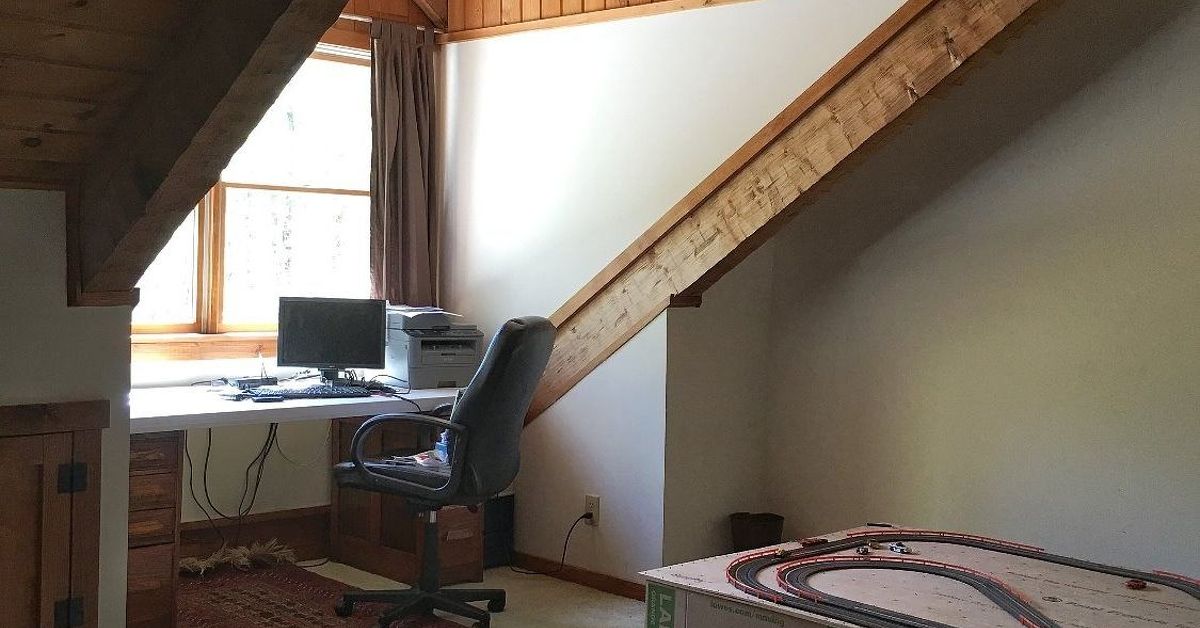
Aug
A modern rustic home office is what happens when a hardworking workspace borrows the warmth of a mountain cabin bg video-call lighting, and somewhere to hide seventeen charging cables. It combines natural materials, tactile textures, and collected character with clean lines, efficient storage, and contemporary technology.
The result should feel warm without becoming cluttered, polished without becoming sterile, and rustic without looking as though a lumberjack decorated it during a power outage. Whether you have a dedicated room, a spare-bedroom corner, or a closet that has finally agreed to become useful, the same design principles can help you create a comfortable, attractive, and productive workspace.
What Defines a Modern Rustic Home Office?
Modern rustic interior design is built on contrast. Rustic elements bring age, texture, and natural irregularity, while modern elements introduce order, simplicity, and visual breathing room. Warm wood may sit beside matte-black steel. An antique cabinet may face a streamlined ergonomic chair. Rough beams may appear above a smooth plaster wall and minimalist desk.
The style works especially well in a home office because it balances two needs that often compete with each other. A workspace must be organized and practical, but it should also feel inviting enough that you do not spend the morning inventing reasons to work from the kitchen.
Successful modern rustic rooms typically mix preserved or reclaimed-looking wood, earthy colors, natural textiles, simple furniture profiles, and carefully selected vintage pieces. Contemporary lighting, concealed wiring, integrated storage, and modern office equipment prevent the room from feeling like a historical reenactment. tart With a Warm, Restrained Color Palette
The easiest foundation is a quiet neutral palette inspired by nature. Warm white, mushroom, oatmeal, taupe, clay, charcoal, muted olive, and soft brown all complement wood beautifully. These colors also create a calmer visual environment than a collection of competing statement shades.
Use Warm Neutrals Instead of Stark White
Bright white can work, particularly in a small office, but a slightly creamy or gray-beige white often feels more compatible with rustic materials. It softens the contrast between painted walls and weathered wood while reflecting plenty of light.
For a moodier office, consider deep olive, earthy brown, slate blue, or charcoal. Dark walls can create a cocoon-like atmosphere, especially when balanced with a pale ceiling, adequate lighting, and lighter upholstery. A dramatic wall behind the desk also creates a handsome video-call background with very little effort.
Limit the Main Palette
Choose two or three primary colors and allow natural materials to provide variation. A practical formula might include warm white walls, medium-toned oak, black metal, and muted green accents. Another could combine charcoal walls, walnut furniture, aged brass, and camel-colored leather.
Keeping the palette controlled allows knots, grain patterns, woven fabrics, books, and personal objects to add character without turning the room into visual soup.
Choose Natural Materials Without Overdoing Them
Wood is the star of most modern rustic offices, but it should not play every role in the production. Covering the desk, floor, ceiling, shelves, walls, lamp, chair, and pencil cup in distressed wood can make the room feel less “modern rustic” and more “gift shop attached to a national park.”
Select One Dominant Wood Feature
Give the room one major wooden focal point, such as:
- A solid wood or wood-veneer desk
- A reclaimed timber accent wall
- Built-in oak shelving
- Original ceiling beams
- A vintage wood filing cabinet or worktable
Support that feature with smaller touches rather than repeating the exact material everywhere. A live-edge desk, for example, may need only one floating shelf and a simple wooden picture frame to feel connected to the room.
Mix Wood With Modern Surfaces
Black steel, powder-coated metal, clear glass, plaster, concrete, and smooth painted cabinetry provide useful contrast. These materials sharpen the design and keep rustic wood from making the office feel visually heavy.
Mixing wood tones is acceptable. In fact, a room often looks more natural when every wooden object is not suspiciously identical. Keep the undertones reasonably compatible, then repeat each major tone at least twice. A dark walnut desk might connect with a picture frame, while lighter oak flooring relates to woven baskets and shelving.
Consider Indoor Air Quality During Renovation
When painting, staining, or introducing new composite-wood furniture, pay attention to product labels and ventilation. The U.S. Environmental Protection Agency notes that paints, finishes, furnishings, and other household materials can emit volatile organic compounds. Increasing ventilation and selecting lower-emission products can help reduce the indoor pollution load during and after a renovation. lan the Layout Around Your Actual Work
Before choosing a rug or lovingly examining antique brass bookends, decide what the office must accomplish. A writer may need a compact desk and quiet reading chair. An architect may require a large work surface. A consultant may prioritize a professional camera background. Two remote workers may need separate stations and enough distance to prevent an accidental duet during video meetings.
Identify Your Work Zones
A well-planned modern rustic home office may include several zones:
- Primary work zone: Desk, chair, computer, and frequently used tools
- Storage zone: Files, supplies, printer, and charging equipment
- Reference zone: Books, samples, catalogs, or project materials
- Thinking zone: A lounge chair, small table, or standing surface
- Meeting zone: Guest chair or compact conversation area
You do not need a large room to create zones. A floating shelf can become the reference area, while a comfortable chair in the opposite corner creates a place for reading. Even a small office feels more intentional when each object has a clear reason for being there.
Experiment With Desk Placement
Facing the desk toward a window can provide an enjoyable view, but direct sunlight may produce screen glare. Facing the desk into the room can feel more spacious and create an attractive background behind you. Placing it against a wall saves floor area and can improve concentration in a compact office.
There is no universally perfect position. Test the location with a temporary table before drilling holes, ordering custom shelving, or discovering that the afternoon sun turns your monitor into an expensive mirror.
Make Ergonomics Part of the Design
A gorgeous desk is not a bargain if it makes your shoulders migrate toward your ears by lunchtime. Modern rustic design should support the body as carefully as it supports the aesthetic.
Choose the Chair Before the Decorative Extras
An adjustable office chair is usually more useful for long work sessions than a charming vintage dining chair. Look for adjustable height, lumbar support, an appropriate seat depth, and a stable base. Leather, brown performance fabric, charcoal upholstery, or a simple black frame can blend easily into a rustic room.
The Occupational Safety and Health Administration emphasizes that no single posture suits everyone. However, a properly adjusted chair should support the back and feet, while frequently used equipment should remain within easy reach. et Up the Desk and Monitor Correctly
Position the main monitor directly in front of you rather than forcing your head to turn repeatedly. Keep the keyboard and mouse close enough that your elbows remain near your torso and your shoulders stay relaxed. Your wrists should remain relatively neutral rather than bending sharply upward or sideways.
OSHA guidance recommends arranging the monitor, keyboard, pointing device, chair, and work surface together rather than treating them as unrelated purchases. A monitor riser, adjustable arm, keyboard tray, or footrest can solve common fit problems without replacing the entire office. llow for Movement
A sit-stand desk can be helpful, but standing all day is not a magical antidote to sitting all day. Change positions gradually, take movement breaks, and use both seated and standing postures comfortably. Harvard Health advises easing into standing-desk use instead of abruptly spending an entire workday on your feet. ayer the Lighting
Lighting has an enormous effect on how a modern rustic office looks and functions. One ceiling fixture, especially one that produces the ambience of a suburban parking lot, is rarely enough.
Use Three Lighting Layers
- Ambient lighting: General illumination from a ceiling fixture, recessed lights, or wall-mounted sources
- Task lighting: Focused light from an adjustable desk lamp or directional sconce
- Accent lighting: Softer illumination for shelving, artwork, architectural details, or a reading corner
A modern linear pendant, black metal chandelier, sculptural globe fixture, or understated flush mount can contrast nicely with rustic wood. For task lighting, consider a swing-arm lamp in matte black, aged brass, or bronze.
Control Daylight and Screen Glare
Natural light can make a home office feel more pleasant and open, but uncontrolled sunlight can interfere with computer work. Place screens perpendicular to strong windows when possible, and use adjustable shades, curtains, or blinds to manage brightness throughout the day.
U.S. Department of Energy guidance for residential office lighting specifically identifies computer-screen glare as an important consideration. Combining indirect illumination with adjustable task lighting gives you more control than relying on a bright fixture aimed directly at the desk. uild Storage That Looks Calm
Rustic style welcomes visible objects, but an office still needs limits. Otherwise, “collected character” quietly becomes “I have not filed anything since February.”
Combine Open and Closed Storage
Open shelves are ideal for books, pottery, framed photographs, and a few attractive office tools. Closed cabinets should hold extra cables, paper, ink cartridges, financial records, and all the objects that perform important jobs while contributing absolutely nothing to the room’s appearance.
A practical balance is roughly one-third display and two-thirds concealed storage. You do not have to follow that ratio mathematically, but it is a useful reminder that every shelf does not need to audition for social media.
Use Vertical Space
Install floating shelves, tall cabinets, pegboards, wall-mounted organizers, or built-ins to keep the desktop clear. In a small office, extending storage upward makes better use of the room than surrounding the desk with several small pieces of furniture.
Baskets made from seagrass, rattan, canvas, or felt soften hard surfaces and conceal small supplies. Labels make them more useful, especially when every basket begins to look like an identical container of mysterious administrative history.
Plan Cable Management Early
Add cable grommets, under-desk trays, cord sleeves, charging drawers, or a concealed power strip before arranging accessories. Run visible cords along furniture legs or baseboards rather than allowing them to cross the floor.
If you are ordering a custom desk or built-in, specify power access, equipment ventilation, printer dimensions, and cable routes before construction begins. Technology should be integrated into the design, not introduced afterward like an unruly houseguest.
Add Texture, Art, and Personal Character
Once the functional foundation is complete, bring in elements that make the office feel connected to the rest of your home.
Choose a Grounding Rug
A low-pile wool rug, faded vintage-style rug, flat-woven kilim, or natural-fiber rug adds warmth and absorbs some sound. Confirm that the office chair can roll comfortably across it. A beautiful, deep shag rug may feel luxurious until a caster becomes trapped and launches you backward during a meeting.
Create an Intentional Background
For video calls, arrange the wall behind your chair with a balanced combination of shelving, artwork, and negative space. A wood cabinet, muted landscape, small plant, and warm lamp usually look more professional than a wall crowded with tiny decorations.
Test the camera view at different times of day. What looks subtle from the doorway may appear enormous on screen, while a carefully styled shelf may disappear behind your head.
Bring Nature Inside Carefully
Houseplants, branches, stone objects, woven materials, and landscape art reinforce the natural character of a rustic office. One healthy plant is more attractive than six struggling specimens being kept alive through motivational speeches.
Choose plants according to the room’s actual light conditions, not according to how optimistic you feel at the garden center.
Modern Rustic Home Office Ideas for Different Budgets
Budget-Friendly Refresh
Paint the walls a warm neutral, use an existing table as a desk, add a comfortable office chair, install one or two shelves, and introduce rustic character through a vintage rug, secondhand lamp, or wood-framed artwork. Cable clips and matching storage boxes can make an inexpensive setup look dramatically more polished.
Midrange Transformation
Invest in a quality desk, ergonomic chair, adjustable lighting, substantial curtains, and a closed storage cabinet. Add a wood or paneled feature wall only if the room needs an architectural focal point. A few excellent materials generally create a richer result than many inexpensive themed accessories.
High-End Custom Office
Consider wall-to-wall cabinetry, an integrated desk, concealed printer storage, dimmable lighting, sound control, custom cable channels, and durable natural finishes. Built-ins can follow awkward walls or sloped ceilings, making them particularly valuable in converted attics, lofts, and alcoves.
Common Modern Rustic Office Mistakes
- Using too much distressed wood: Contrast natural texture with smooth, quiet surfaces.
- Choosing style over comfort: A decorative chair is not a substitute for a supportive work chair.
- Ignoring lighting: Add task lighting and glare control instead of relying on a single overhead fixture.
- Displaying everything: Give visually unattractive supplies a closed cabinet.
- Forgetting technology: Plan for outlets, charging, ventilation, Wi-Fi equipment, and cables.
- Buying matching furniture sets: A slightly collected mix creates more character than a showroom bundle.
- Making rustic too literal: You need warmth and texture, not decorative antlers supervising payroll.
A Simple Step-by-Step Design Plan
- Measure the room, windows, doors, outlets, and available wall space.
- List your equipment, storage needs, work habits, and meeting requirements.
- Choose a restrained palette with one dominant wood tone and one metal finish.
- Test the desk position for daylight, glare, circulation, and camera views.
- Select the desk and ergonomic chair before buying decorative furniture.
- Plan ambient, task, and accent lighting.
- Add closed storage, vertical shelving, and cable management.
- Finish with a rug, artwork, greenery, and a few meaningful vintage objects.
- Work in the room for several days before purchasing additional accessories.
Real-World Experiences From Creating a Modern Rustic Home Office
One of the most useful lessons from designing this type of office is that the room rarely succeeds when every rustic idea is added at once. It is tempting to begin with reclaimed boards, a live-edge desk, iron shelves, vintage crates, a cowhide rug, and a lamp that appears to have been rescued from an abandoned railway station. Individually, these pieces may be attractive. Together, they can overwhelm a small workspace.
A better experience begins with restraint. Start with the practical objects that occupy the most visual space: the desk, chair, storage, walls, and floor. Once these elements are established, add character slowly. In one compact office setup, a plain oak desk, black chair, warm white walls, and charcoal cabinet looked unfinished at first. After adding a faded rug, one antique landscape, and a bronze task lamp, the room suddenly felt complete. It did not need the six additional rustic accessories waiting in the shopping cart.
Another common discovery involves desk depth. A slim desk may photograph beautifully, but it can become frustrating once a large monitor, keyboard, notebook, microphone, and coffee cup arrive. Before buying, place your actual equipment on a dining table and measure the area it occupies. This simple test often prevents the purchase of a desk that is elegant but approximately as practical as a windowsill.
Cable management also makes a larger difference than expected. A modern rustic office depends on visual calm, and dangling cords immediately interrupt that calm. The best results come from handling wires before the room is fully styled. Mounting a power strip beneath the desk, routing cables through a tray, and leaving one accessible charging point can transform the appearance of the entire setup. It also prevents the weekly ritual of crawling under the desk and unplugging the wrong device.
Ergonomics may require a compromise with the original design vision. Many people initially imagine a vintage leather chair behind a thick farmhouse desk. After several hours of work, however, a nonadjustable chair can reveal its true identity as a handsome medieval punishment device. A modern ergonomic chair in brown leather, textured fabric, or a simple black finish usually blends into the room more easily than expected. Comfort becomes especially important once the office is used daily rather than occasionally.
Lighting is another area where actual use often changes the plan. A desk positioned directly in front of a sunny window may feel inspirational in the morning but become difficult by afternoon. Sheer curtains can soften the light, while a movable desk lamp helps when weather conditions change. Testing video calls is equally valuable. A window behind the chair can turn the speaker into a mysterious silhouette, whereas a window positioned slightly in front and to one side tends to provide more useful facial illumination.
Storage should also reflect personal behavior rather than an idealized version of it. Open shelves are excellent for people who naturally keep objects arranged. For everyone else, doors and drawers are generous friends. A cabinet that hides stationery, spare equipment, documents, and miscellaneous supplies can preserve the rustic atmosphere without demanding constant styling.
The most satisfying modern rustic offices tend to evolve over time. A vintage cabinet found locally, a framed map from a memorable trip, or a handmade ceramic cup gives the room more authenticity than a box of coordinated decorations purchased in one afternoon. These objects create a collected feeling because they were genuinely collected.
Finally, leave some empty space. An uncluttered wall, a clear section of desktop, or an unfilled shelf allows the wood grain, textiles, and architectural details to stand out. Empty space is not unfinished design. It is the part of the room that lets everything else breatheand it is conveniently free.
Conclusion
A modern rustic home office should make work feel more grounded, organized, and comfortable. Begin with a practical layout and ergonomically appropriate furniture, then build warmth through natural wood, earthy colors, layered textiles, and a small number of character-rich objects. Modern lighting, concealed storage, and thoughtful cable management will keep the rustic elements from becoming visually chaotic.
The goal is not to create a perfect catalog image. It is to design a workspace that supports your body, accommodates your equipment, reflects your personality, and still looks inviting after a real workweek. When modern efficiency and rustic warmth are balanced properly, even Monday morning becomes slightly less offensive.
Note: Furniture dimensions, monitor height, lighting levels, and ergonomic adjustments should be customized to the user, room, equipment, and type of work performed.

