
Hair Care
6 Ways to Pee Standing Up Without a Device
Aug
There are a few skills no one formally teaches in school: folding a fitted sheet, parallel parking without becoming spiritually exhausted, and figuring out how to pee standing up without turning your shoes into collateral damage. For people with a vulva, standing to pee can be useful during camping trips, long road journeys, festivals, dirty restrooms, or any moment when sitting is inconvenient.
Before we get into the practical stuff, here is the honest truth: there is no universal “point and go” method. Bodies vary, urine streams vary, and gravity is occasionally a dramatic little goblin. The goal is not perfection on the first try. The goal is a comfortable, private, hygienic technique that does not involve straining, rushing, or performing acrobatics near a toilet.
This guide covers six ways to pee standing up without a device, plus hygiene basics, common mistakes, and real-world experiences people often have while learning. The focus is practical bladder health, not bathroom heroics.
Can You Pee Standing Up Without a Device?
Yes, many people with a vulva can pee standing up without a funnel or other device. However, the technique usually requires a combination of posture, a slight forward lean, relaxed pelvic-floor muscles, and sometimes using clean fingers to gently move the outer tissue aside so urine has a clearer path.
That last part may sound more complicated than it is. Think of it less as “operating heavy machinery” and more as making room for a clean exit route. The most important part is to stay relaxed. Urination works best when the bladder contracts and the muscles around the urethra relax. Trying to force urine out by tightening your stomach or holding your breath can make the process more difficult.
Standing to pee is not required for health, independence, or membership in the Outdoor Adventure Club. Sitting remains the easiest option for complete relaxation and clean-up. Still, it can be a useful backup skill when circumstances call for it.
Before You Try: Set Yourself Up for Less Splash and More Success
A standing pee attempt goes much better when you give yourself a reasonable setup. You do not need gear, training videos, or a degree in fluid dynamics. You do need privacy, stable footing, and enough room to adjust your stance.
Choose a safe, legal, private location
If you are outdoors, choose a private place where urinating is permitted and where you are not near water sources, trails, campsites, or public areas. If you are using a restroom, make sure the floor is dry enough to stand securely. Slippery tiles are not the place to discover your inner gymnast.
Wear easy-to-manage clothing
Loose shorts, skirts, dresses, or pants that can be lowered quickly are easier than restrictive layers. Avoid letting loose fabric hang directly in the path of urine. Clothing is expensive, laundry is annoying, and nobody wants to explain a mysterious wet cuff.
Keep your body relaxed
Take one slow breath. Let your jaw, belly, thighs, and pelvic area soften. That may sound oddly specific, but muscle tension can make urination harder. You should not need to push hard, hold your breath, or squeeze your abdominal muscles to make urine come out.
1. The Simple Stand-and-Shift Method
This is the most basic standing technique. It works best for people who are already fairly comfortable controlling their urine stream and who have enough privacy to take a moment.
How to do it
- Stand with your feet about shoulder-width apart.
- Bend your knees slightly instead of locking them.
- Shift your hips a little forward.
- Use one hand to hold clothing out of the way.
- With clean fingers, gently move the outer labia to one side if needed.
- Lean forward slightly and allow urine to flow naturally.
The small forward lean matters because it encourages the stream to travel away from your legs rather than straight down. It is not a dramatic bow. You are not greeting royalty. A subtle shift is enough.
This method is usually easiest when you are on level ground. A smooth, even surface gives you better balance and reduces the urge to tense up.
2. The Forward-Hinge Method
The forward-hinge method is useful when you want a little more distance between your body and the urine stream. It is especially practical outdoors, where you may be trying to avoid wet shoes, low plants, or the emotional devastation of a poorly aimed stream.
How to do it
- Stand with your feet slightly wider than hip-width.
- Keep your knees soft and your back comfortably straight.
- Hinge forward slightly at the hips.
- Move clothing forward and away from your body.
- Gently separate the outer tissue if that helps direct the stream.
- Let the stream begin naturally without pushing.
The key word here is hinge, not crouch. A deep crouch can make your legs tired and may cause you to tense your pelvic floor. A small forward angle gives gravity a helpful nudge without turning the experience into a leg-day workout.
Many people find this method easier than standing perfectly upright because it creates more clearance. It can also help reduce urine traveling backward toward the thighs.
3. The Wide Athletic Stance
This technique is useful for people who want more stability. It is similar to the stance you might use before catching a heavy box or bracing for a surprise sneeze: feet apart, knees loose, balance centered.
How to do it
- Place your feet wider than your shoulders.
- Turn your toes slightly outward if that feels more comfortable.
- Lower your body just a few inches by bending your knees.
- Lean forward a little from the hips.
- Keep your stomach relaxed and avoid bearing down.
- Allow urine to flow without forcing it.
The wide stance gives you room to position your clothing safely and reduces the chance of your knees bumping into each other while you are trying to concentrate. It also helps when the ground is uneven, as long as you are still standing on stable footing.
A common beginner mistake is going too low. You do not need a full squat. A slight knee bend is usually enough to improve angle and comfort. Lower is not automatically better; lower just makes your thighs ask why you betrayed them.
4. The Offset-Foot Stance
The offset-foot stance is a good option when you need to create a more forward path for the urine stream. It can work well in outdoor settings or when you are trying to avoid splashing directly below you.
How to do it
- Stand with one foot slightly ahead of the other.
- Keep most of your weight on the back foot.
- Soften both knees.
- Lean your torso forward just a little.
- Move clothing out of the way and gently guide the outer tissue aside if necessary.
- Allow the stream to travel forward and away from your legs.
This is sometimes called a “small lunge” position, but it should not feel like a deep fitness lunge. You are simply staggering your feet enough to create balance and space. If your legs start shaking or you feel unstable, stop and use a different position.
The offset stance can be especially useful when wearing shorts or a skirt because it helps keep fabric from drifting into the splash zone. Think of your clothing as a curious housecat: keep it safely out of the way before it wanders somewhere unfortunate.
5. The Half-Squat Method
The half-squat is one of the most common ways to create a better urine angle without fully sitting. It can be useful when you have privacy but do not want to touch a public toilet seat.
How to do it
- Stand with your feet comfortably apart.
- Bend your knees halfway, as if you are about to sit in a chair that has not arrived yet.
- Keep your chest slightly forward.
- Do not hover so high that your pelvic muscles remain tightly clenched.
- Relax your abdomen and breathe normally.
- Let urine flow naturally, then pause for a moment before standing upright.
The phrase “half-squat” is important. A deep squat can be tiring, and a tense hover can make it harder for some people to relax enough to empty comfortably. If you are in a restroom and the seat is clean enough to use, sitting may be the more comfortable and hygienic option.
This technique is best treated as a temporary option, not a daily replacement for normal toilet use. Your bladder does not award extra points for making every bathroom break an obstacle course.
6. The Outdoor Lean-and-Clear Method
This method is designed for camping, hiking, road trips, or other outdoor situations where a restroom is not available. It combines a forward lean with a stable stance and extra attention to hygiene.
How to do it
- Choose a private area away from water, trails, campsites, and food-preparation spaces.
- Stand on level, stable ground.
- Place your feet wide enough for balance.
- Lean slightly forward and keep your knees relaxed.
- Hold clothing well away from your body.
- Use clean fingers to gently move outer tissue aside if needed.
- Take your time and do not strain.
Afterward, wipe with toilet paper if you have it, or use clean water when appropriate. Pack out used toilet paper when you are in an area without waste facilities. Do not leave it tucked under a rock like a tiny, sad flag of poor campsite etiquette.
Hand hygiene matters, too. Wash your hands with soap and water when possible, or use hand sanitizer when soap is unavailable. This is particularly important before eating, touching your face, or handling shared equipment.
Hygiene Tips for Standing Urination
Standing to pee can be practical, but it works best when hygiene is part of the plan. A few small habits can make a big difference.
Wipe or rinse from front to back
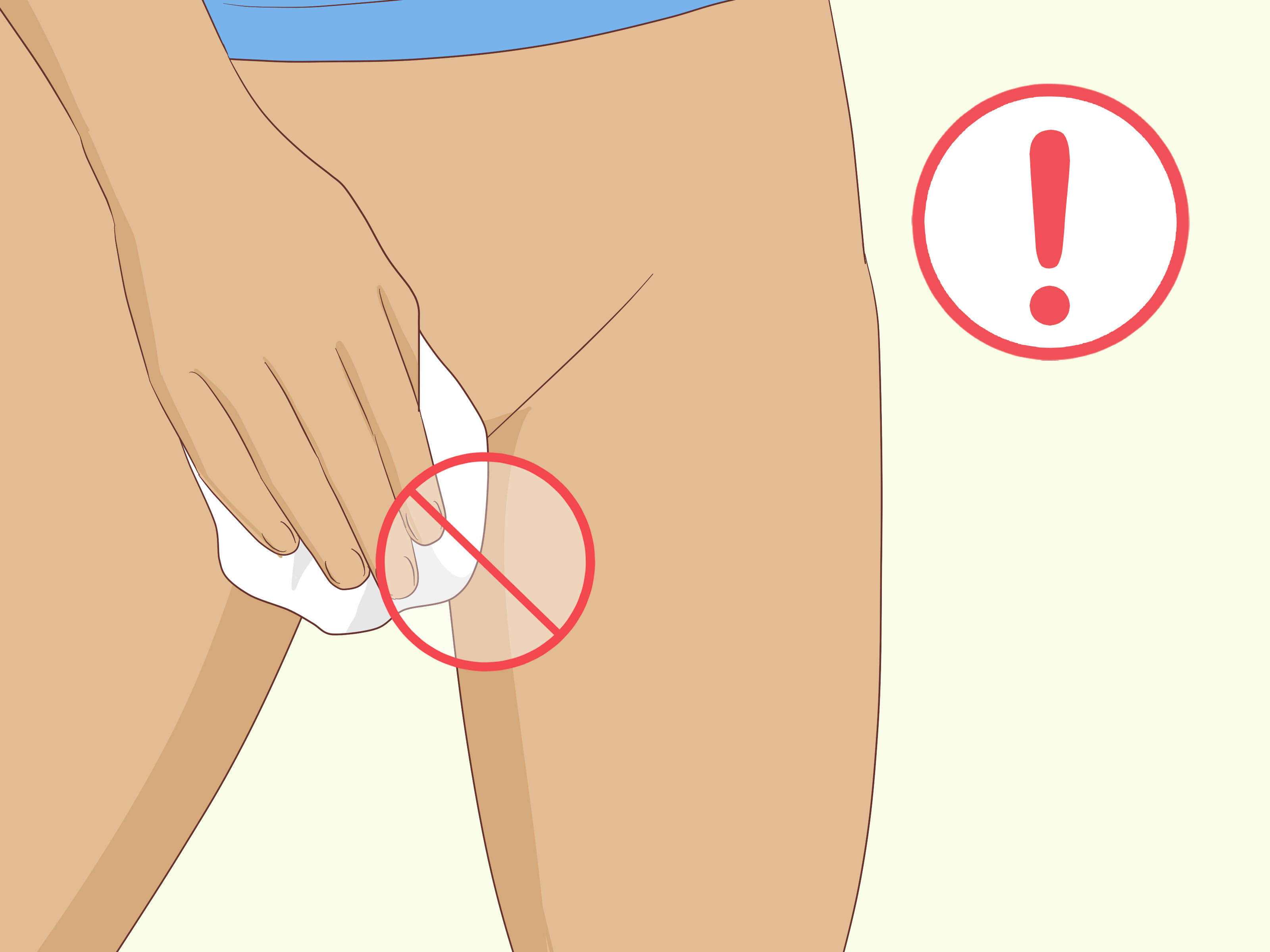
When cleaning after urination, wipe from front to back. This helps reduce the chance of moving bacteria from the anal area toward the urethra. Use clean toilet paper, unscented wipes intended for sensitive skin, or clean water when available.
Do not over-clean
Strong scented sprays, harsh soaps, and aggressive scrubbing can irritate delicate skin. The vulva is not a kitchen countertop. Gentle cleaning is generally enough.
Change out of damp clothing
If you accidentally splash your underwear, shorts, or leggings, change when you can. Damp fabric can irritate skin and feels unpleasant long before it becomes a medical concern.
Stay hydrated
Drinking enough water supports normal urinary health. Very concentrated urine can be darker, stronger-smelling, and more irritating to the bladder. You do not need to chug water by the gallon; regular hydration throughout the day is usually more practical.
Common Mistakes to Avoid
Trying to force the stream
Avoid “power peeing,” meaning pushing hard with your stomach muscles to make urine come out faster. Urination should not require straining. If you routinely need to push, cannot fully empty your bladder, or have pain while urinating, talk with a health professional.
Holding your breath
Holding your breath can make your body tense. Breathe normally and give your pelvic muscles a chance to relax.
Practicing repeatedly with a full bladder
You do not need to turn practice into an endurance event. Try only when you naturally need to pee. Holding urine for a long time because you are waiting for the “perfect practice moment” is not helpful.
Ignoring pain or burning
Standing to pee should not hurt. Burning, pelvic pain, lower abdominal discomfort, fever, cloudy urine, bloody urine, or a sudden need to pee very often can be signs of a urinary problem such as a bladder infection. These symptoms are worth medical attention.
Assuming everyone’s body works the same way
Some people can manage a neat forward stream quickly. Others find that urine splits, sprays, or runs down the leg despite multiple attempts. That is not a personal failure. Anatomy, body position, hydration, clothing, and muscle tension all affect the result.
When Sitting Is the Better Choice
Standing to pee can be handy, but it is not always the best option. Sit down when you have a clean, safe toilet and want to relax fully. Sitting may also be easier if you are pregnant, recovering from an injury, dealing with dizziness, having pelvic pain, or experiencing urinary leakage.
Choose sitting if you feel unsteady, rushed, tired, or unsure about your balance. A bathroom technique should make life easier, not create an accidental emergency-room origin story.
You should also choose sitting or seek medical guidance if you notice persistent difficulty emptying your bladder, weak flow, frequent dribbling, pain, or urgency. Pelvic-floor dysfunction, urinary tract infections, bladder conditions, and other health concerns can affect how urination feels.
Practical Experiences: What First Attempts Often Feel Like
The first attempt at peeing standing up without a device is rarely elegant. In fact, “elegant” is probably too ambitious a word for any bathroom activity. Most people approach it with a mix of curiosity, caution, and the very reasonable fear of wet socks.
A common first experience is realizing that posture changes everything. Standing straight up may cause the stream to go downward or backward in an unexpected way. A small forward lean often feels much more natural. People frequently discover that they do not need to bend dramatically; even a modest hip hinge can create enough distance to keep urine away from the legs.
Another common realization is that muscle tension is the enemy of convenience. Beginners often clench their thighs, stomach, and pelvic area because they are concentrating so hard. Unfortunately, the body can interpret that as, “We are not ready to pee yet.” Taking one slow breath and softening the knees often helps more than trying harder.
Many people also learn that clothing management deserves its own tiny award ceremony. A skirt may seem easy at first, but loose fabric can drift toward the stream if it is not held up securely. Pants can be more predictable when lowered enough to stay clear. Shorts can be excellent or disastrous depending on whether the leg openings stay out of the splash zone. The lesson is simple: move every piece of fabric farther away than you think you need to.
Outdoor attempts bring their own surprises. Uneven ground can make balance difficult, especially when someone is trying to look casual while checking for insects, cars, strangers, and suspiciously judgmental squirrels. A stable location matters more than speed. People often report better results when they stop rushing, place their feet firmly, and use a wide stance.
Some people find that gently moving the outer tissue aside creates a more predictable stream. Others find that no hand guidance is necessary. There is no single correct method. The most useful approach is the one that feels comfortable, keeps your skin and clothing dry, and does not require force or pain.
It is also normal for a first few tries to be inconsistent. One attempt may go perfectly, while the next one seems determined to ignore every law of physics. Hydration, body position, clothing, and even how urgently you need to pee can change the experience. Treat the skill like learning a new dance move: awkward at first, more natural with practice, and best attempted somewhere private.
Finally, people often discover that the real benefit is not needing to stand every time. It is simply having options. Knowing you can manage a bathroom situation while traveling, hiking, or avoiding an unpleasant restroom can feel practical and empowering. The goal is not to prove anything. The goal is to leave the situation dry, comfortable, and slightly more confident than before.
Final Takeaway
Learning how to pee standing up without a device is mostly about body position, patience, and realistic expectations. A slight forward lean, soft knees, relaxed pelvic-floor muscles, and careful clothing management can make the process easier. Start in a private, low-stress setting, avoid straining, and remember that a messy first attempt is not a character flaw.
Use standing urination as a practical option, not a daily pressure test. When a clean toilet is available, sitting comfortably is often the simplest choice. And when urination feels painful, unusually urgent, difficult, or consistently incomplete, skip the bathroom experiments and talk with a health professional.
SEO Tags

