
Makeup
140+ Wavelength Game Questions for a Hilarious Game Night
Aug
Some party games test your vocabulary. Others test your strategy. Wavelength tests whether your friends understand your brainor have merely been smiling and nodding for the past five years.
The game revolves around spectrums with two opposing extremes, such as “terrible snack” and “perfect snack.” A clue-giver chooses a clue that belongs somewhere between those extremes, while everyone else debates its exact position. Simple? Absolutely. Peaceful? Not once someone claims that room-temperature pizza is “slightly bad.”
This collection contains 150 original Wavelength game questions covering food, friendships, pop culture, travel, school, work, family-friendly topics, and wonderfully chaotic opinions. Use them with the physical game, the mobile app, a homemade number scale, or a group chat that desperately needs fresh material.
What Are Wavelength Game Questions?
Wavelength questions are pairs of opposite ideas placed at the ends of an imaginary spectrum. Players are not usually answering with “yes” or “no.” Instead, they decide where a clue belongs between the two extremes.
For example, imagine the spectrum is “terrible superpower” to “amazing superpower.” The clue-giver says “being able to talk to squirrels.” The group must determine whether that power is useless, mildly entertaining, secretly brilliant, or the beginning of an unstoppable woodland army.
The strongest prompts have three qualities:
- Both ends are immediately understandable.
- There is plenty of debatable territory between them.
- The topic lets players use familiar people, places, objects, or experiences as clues.
How to Play Wavelength
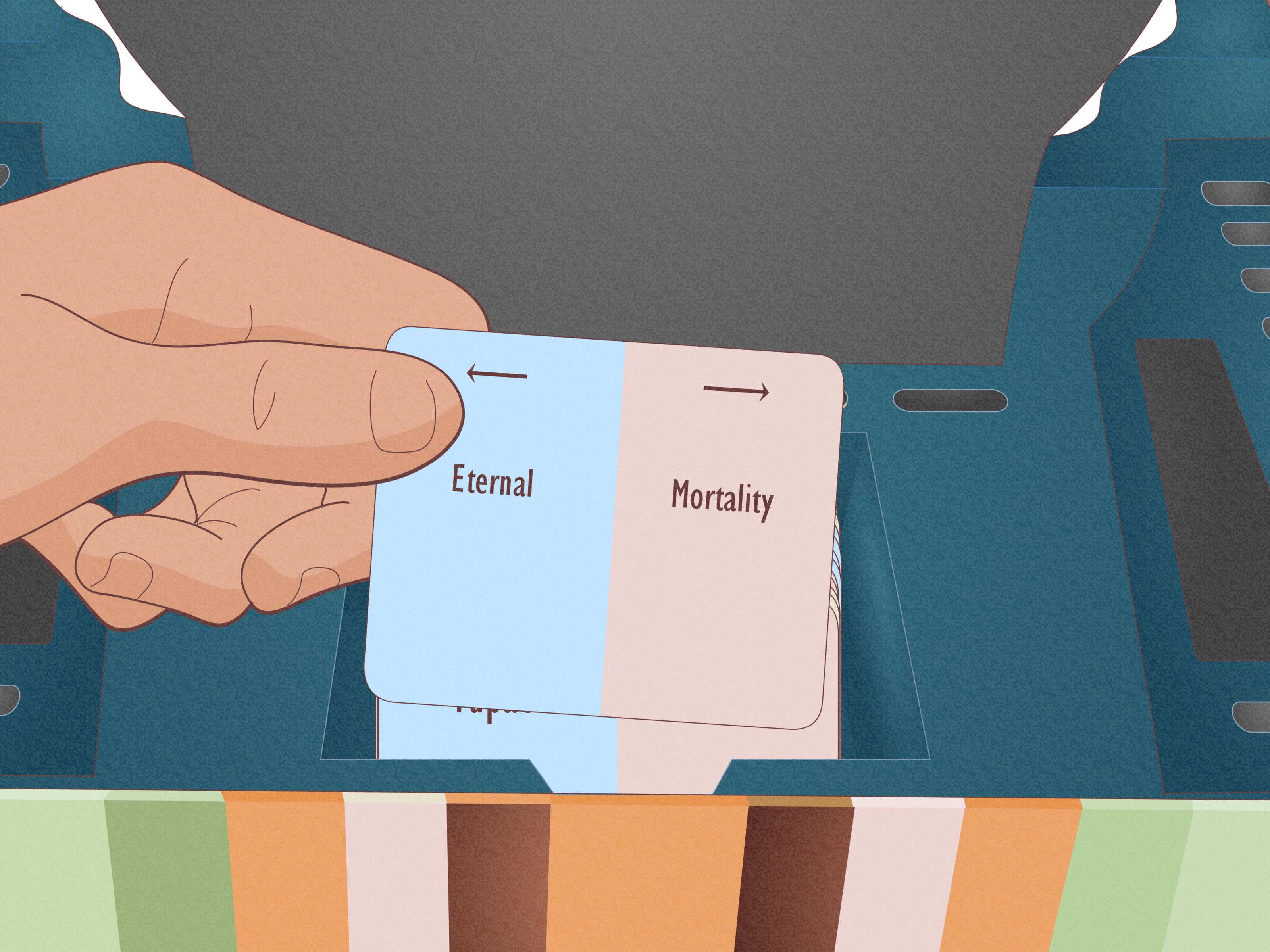
In the standard team game, players divide into two groups. One player becomes the Psychic and secretly sees where the target sits on a spectrum. After selecting a spectrum card, the Psychic gives a short clue designed to guide the team toward that hidden target.
The teammates discuss the clue and move the dial to the position they believe is correct. The opposing team then predicts whether the actual target is to the left or right of that guess. The target is revealed, points are awarded based on accuracy, and the next team takes its turn.
How to Play Without the Board Game
You can create a simple DIY version using a scale from 1 to 10:
- Select one spectrum from the list below.
- Choose a clue-giver and secretly assign that person a number from 1 to 10.
- The clue-giver names something that belongs near that number on the spectrum.
- Everyone discusses the clue and agrees on a final guess.
- Reveal the secret number and award points for getting close.
A difference of zero earns three points, a difference of one earns two points, and a difference of two earns one point. Anything farther away earns a respectful silence and immediate suspicion of the clue-giver.
Rules for Giving Better Clues
Keep each clue focused on one recognizable idea. Short cluesoften five words or fewerproduce better discussions because they leave room for interpretation. Avoid using the actual endpoint words, obvious synonyms, numbers, or long explanations that practically provide GPS coordinates to the target.
Personal clues are allowed if everyone understands the reference. “Uncle Rob’s barbecue” may be perfect for a family group. In a room of strangers, however, it is simply an allegation involving a man who cannot defend himself.
150 Funny Wavelength Game Questions
Each item below is written as a spectrum. Place the first idea on the far left and the second on the far right, then let the clue-giver create the controversy.
Funny Everyday Wavelength Questions
- Completely normal — Deeply suspicious
- Minor inconvenience — Day officially ruined
- Reasonable purchase — Financial cry for help
- Quiet household object — Unnecessarily loud household object
- Easy thing to explain — Impossible thing to explain
- Harmless mistake — New identity required
- Useful life skill — Pointless party trick
- Acceptable thing to lose — Catastrophic thing to lose
- Normal text message — Terrifying text message
- Fine reason to be late — Unforgivable reason to be late
- Boring way to spend $20 — Excellent way to spend $20
- Something you can ignore — Immediate emergency
- Barely embarrassing — Remembered at 3 a.m. forever
- Good background noise — Impossible to concentrate around
- Belongs in a junk drawer — Deserves its own display case
Food and Drink Wavelength Questions
- Terrible pizza topping — Perfect pizza topping
- Sad breakfast — Breakfast of champions
- Overrated snack — Underrated snack
- Food for children — Food for sophisticated adults
- Acceptable gas-station food — Gas-station gamble
- Terrible first-date meal — Perfect first-date meal
- Food worth sharing — Protect it with your life
- Not spicy — Mouth officially on fire
- Healthy dessert — Dessert wearing a fake mustache
- Food that travels well — Suitcase disaster
- Boring sandwich — Legendary sandwich
- Bad midnight snack — Ideal midnight snack
- Acceptable leftover — Better the next day
- Drink it slowly — Finish it immediately
- Easy food to eat politely — Impossible food to eat gracefully
Movies, Music, and Pop Culture Questions
- Forgettable movie villain — Iconic movie villain
- Background character — Main-character energy
- Song to skip — Song to play twice
- Bad movie for a first date — Perfect date-night movie
- Celebrity you might recognize — Celebrity everyone recognizes
- Terrible fictional roommate — Ideal fictional roommate
- Weak superhero name — Legendary superhero name
- Boring reality show — Impossible-to-stop-watching reality show
- Movie that needs a remake — Movie nobody should touch
- Unconvincing movie monster — Sleep-with-the-lights-on monster
- Song for an elevator — Song for a stadium
- Character with no style — Fashion icon
- Terrible franchise sequel — Sequel better than the original
- Actor playing themselves — Actor completely transformed
- One-season wonder — Show that could run forever
Friends, Dating, and Relationship Questions
- Tiny dating red flag — Run immediately
- Bad first-date location — Perfect first-date location
- Casual acquaintance — Emergency-contact friend
- Weak compliment — Compliment remembered forever
- Acceptable secret — Friendship-ending secret
- Awkward silence — Comfortable silence
- Harmless couple habit — Unbearably annoying couple habit
- Low-effort gift — Incredibly thoughtful gift
- Friend who visits briefly — Friend who practically lives with you
- Poor flirting — Irresistible flirting
- Minor disagreement — Group-chat civil war
- Easy person to introduce to family — Family dinner catastrophe
- Bad relationship advice — Life-changing relationship advice
- Reasonable double text — Digital panic attack
- Friend who knows a few stories — Friend who knows too much
Work and School Wavelength Questions
- Useful meeting — Meeting that should have been an email
- Easy homework — Weekend-destroying homework
- Relaxed teacher — Terrifying teacher
- Acceptable excuse for missing work — Obviously invented excuse
- Helpful coworker — Workplace superhero
- Professional email — Passive-aggressive masterpiece
- Minor typo — Career-changing typo
- Reasonable office snack — Desk-drawer feast
- Easy presentation — Public-speaking nightmare
- Productive group project member — Person who adds their name at the end
- Casual Friday outfit — You misunderstood casual Friday
- Useful school subject — Knowledge you immediately forgot
- Short workday — Day that lasts seventeen years
- Friendly boss — Boss who knows your entire life story
- Small promotion — Villain-origin promotion
Travel and Adventure Wavelength Questions
- Boring vacation — Trip of a lifetime
- Minor travel delay — Airport nightmare
- Reasonable road-trip snack — Car-interior menace
- Easy place to navigate — You may never escape
- Relaxing outdoor activity — Accidental survival challenge
- Tourist trap — Must-see attraction
- Bad vacation companion — Perfect travel partner
- Pack lightly — Bring the entire house
- Safe souvenir — Customs-officer conversation
- Comfortable hotel — Never check under the bed
- Short walk — Unexpected expedition
- Scenic drive — White-knuckle drive
- Ordinary travel photo — Profile-picture material
- Place to visit once — Place to move permanently
- Calm airplane passenger — Passenger everyone notices
Personality and Opinion Questions
- Quiet confidence — Unshakable ego
- Slightly stubborn — Human brick wall
- Realistic dream — Magnificent delusion
- Good listener — Knows your problems better than you do
- Careful planner — Spreadsheet has a spreadsheet
- Relaxed person — Possibly asleep
- Mildly competitive — Friendship is temporarily canceled
- Occasional overthinker — Full-time internal detective
- Reasonable confidence — Auditioning to be a superhero
- Small act of courage — Legendary bravery
- Quirky habit — Behavior requiring an explanation
- Good sense of humor — Can make anyone laugh
- Private person — International mystery
- Optimistic — Living in a motivational poster
- Independent — Will refuse help while actively falling
Party and Slightly Grown-Up Questions
- Quiet gathering — Neighbors know your playlist
- Reasonable party arrival time — Why are you here already?
- Mildly embarrassing dance move — Dance-floor folklore
- Good karaoke song — Entire room becomes the chorus
- Casual party outfit — Dressed for the wrong event
- Responsible night out — Story begins with “technically”
- Weak party excuse — Brilliant escape plan
- Friendly conversation — Oversharing with a stranger
- Acceptable party snack — Bowl empty in thirty seconds
- Small celebration — Confetti found six months later
- Mild prank — Friendship stress test
- Reasonable toast — Accidental forty-minute speech
- Fun drinking game — Tomorrow’s problem
- Early departure — Mysterious midnight disappearance
- Memorable party — Group mythology
Family-Friendly Wavelength Questions
- Weak animal sidekick — Perfect animal sidekick
- Boring superpower — Best superpower ever
- Easy chore — Worst chore in the house
- Not very messy — Parents may move away
- Ordinary pet name — Ridiculous pet name
- Safe playground activity — Playground stunt
- Bad birthday theme — Greatest birthday theme
- Small ice-cream serving — Structural dessert emergency
- Friendly animal — Animal you should not hug
- Boring bedtime story — One more chapter, please
- Weak snow-day activity — Perfect snow-day activity
- Easy thing to draw — Artistic nightmare
- Toy you forget quickly — Favorite toy forever
- Small sibling annoyance — Household betrayal
- Ordinary treehouse — Secret headquarters
Random and Chaotic Wavelength Questions
- Bad zombie-apocalypse tool — Essential survival tool
- Unconvincing alien disguise — Alien living among us successfully
- Weak pirate name — Terrifying pirate name
- Normal thing to find in a basement — House immediately for sale
- Boring conspiracy theory — Disturbingly believable conspiracy theory
- Poor wizard spell — Reality-changing wizard spell
- Acceptable dragon pet — Kingdom-level insurance problem
- Minor time-travel mistake — History has been erased
- Useless robot — Robot that replaces humanity
- Weak final words — Legendary final words
- Ordinary Tuesday — Beginning of an epic quest
- Bad secret hideout — Villain-approved headquarters
- Slightly haunted — Leave before sunset
- Harmless mysterious button — Definitely ends civilization
- Background character in history — Person who changes the world
How to Choose the Best Wavelength Questions for Your Group
Begin with broad, low-pressure topics such as food, movies, household objects, and vacations. These categories give new players an easy way to understand the spectrum without revealing their darkest opinions about office meetings or dating apps.
Once everyone understands the game, introduce prompts connected to shared experiences. College friends might debate “ordinary night out” versus “story told at every reunion.” Coworkers can tackle “helpful meeting” versus “calendar-based punishment.” Families can use vacations, traditions, chores, and familiar relativesas long as nobody turns game night into a surprise tribunal.
Adult or relationship prompts should always match the comfort level of the room. Give players permission to skip any spectrum. Funny uncertainty creates a great round; genuine discomfort does not.
Mix Easy and Difficult Spectrums
Extremely broad questions are accessible but can become predictable. Very narrow questions generate detailed debate but may exclude people without the required knowledge. Alternate between the two styles to keep the game moving.
Pop-culture prompts also work best when players share a cultural reference point. If half the room does not watch superhero movies, asking everyone to rank fictional villains will feel less like mind reading and more like an unpaid exam.
Tips for a Better Wavelength Game Night
Rotate the Psychic Regularly
Some players are naturally comfortable giving clues, while others need a round or two to warm up. Rotate the role so one confident player does not become the evening’s permanent telepath.
Set a Friendly Discussion Limit
The debate is the funniest part of Wavelength, but one round should not become a documentary series. If discussions repeatedly stall, use a 60- or 90-second timer before requiring a final answer.
Keep Food Away From the Game
Serve easy finger foods and place messy dips at a separate snack station. Cheese dust has never improved the accuracy of a dial, although it can permanently document who touched it last.
Let Players Explain After the Reveal
Once the target is visible, allow the clue-giver to explain the reasoning. These explanations often produce the biggest laughs because players discover that the clue made perfect senseinside a brain operating under entirely different laws.
Use Cooperative Play for Smaller Groups
With only a few players, work together to score as many points as possible. Cooperative rounds reduce downtime, remove pressure from beginners, and work especially well for couples, families, and remote game nights.
What Playing These Wavelength Questions Is Really Like
The first few rounds of a Wavelength game night are usually polite. Players carefully explain their opinions, listen to one another, and pretend that the final decision was reached through calm democratic reasoning. This period rarely lasts.
The transformation often begins with food. Give a group the spectrum “terrible pizza topping” to “perfect pizza topping,” then offer “pineapple” as the clue. Suddenly, lifelong friends are presenting closing arguments. One person is discussing sweetness and acidity like a trained chef. Another is claiming fruit has no constitutional right to be near cheese. A third quietly moves the dial while everyone is distracted.
Personal clues create an entirely different experience. On a spectrum from “slightly competitive” to “friendship is temporarily canceled,” someone may name a player sitting at the table. The target almost stops mattering because the room is now reviewing evidence from bowling nights, fantasy football drafts, and a Monopoly incident that was supposedly forgiven in 2019.
The best clues are neither obvious nor random. If the target is near the middle of “bad vacation companion” and “perfect travel partner,” saying “a professional tour guide” may be too straightforward. Naming a mutual friend who creates color-coded itineraries but refuses to wake up before noon gives the team something deliciously complicated to debate.
Different groups also interpret scales differently. A family may consider a two-hour airport delay a major disaster, while frequent travelers rank it somewhere around “mildly inconvenient.” Teenagers and parents rarely agree on what qualifies as an embarrassing outfit. Coworkers may discover that their definitions of a “useful meeting” are so different that the company should probably investigate.
Running several categories in sequence creates a satisfying rhythm. Start with easy food and entertainment prompts, move toward personality and relationship questions, and save the chaotic scenarios for later. By the time players are deciding whether a mysterious basement noise is “probably the furnace” or “house immediately for sale,” they will be comfortable defending wonderfully unreasonable positions.
A timer can help energetic groups, but it should guide the conversation rather than crush it. Some debates deserve an extra thirty seconds, particularly when a clue exposes a truly astonishing opinion. If someone places “replying ‘K’ to a long message” near the harmless end of a texting spectrum, due process must be observed.
Remote play can be equally entertaining. Share the spectrum on-screen, privately message the clue-giver a target number, and let everyone submit a final guess in the chat. Video calls remove the physical dial but preserve the essential experience: attempting to locate one idea inside another person’s delightfully unreliable mind.
The lasting appeal of these Wavelength game questions is not really the scoring. It is the conversation produced along the way. Players reveal preferences, memories, assumptions, and oddly specific grudges without needing a formal icebreaker. By the end of the night, you may not be able to read your friends’ mindsbut you will know exactly where they rank airport sushi, karaoke ballads, and people who arrive at parties twenty minutes early.
Conclusion
Great Wavelength questions turn simple opposites into ridiculous debates, surprising revelations, and stories your group will repeat long after the final score is forgotten. The 150 spectrums above provide enough variety for family gatherings, parties, double dates, classroom activities, team events, and online hangouts.
Choose prompts that fit your players, begin with familiar subjects, and gradually introduce the stranger questions. Keep clues short, let everyone contribute, and remember that disagreement is part of the entertainment. If your group spends ten minutes arguing about whether a hot dog is a sandwich, the game is working beautifully.

