
Skincare
Round Rush Placemats
May
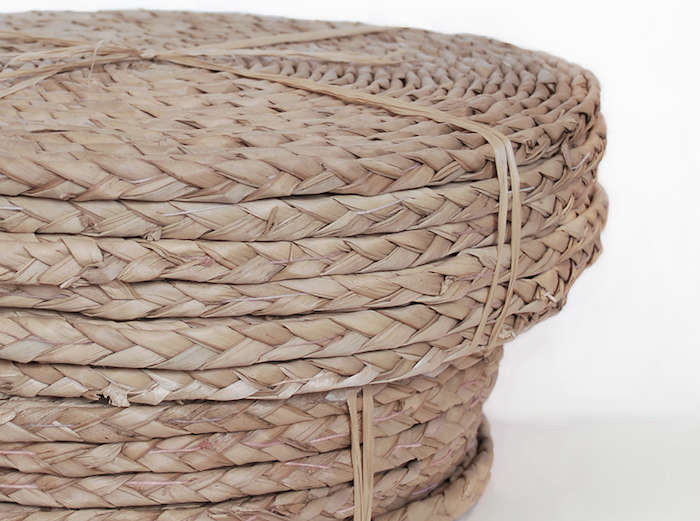
Round rush placemats are the quiet table heroes that make dinner look intentionaleven when dinner is reheated soup and a heroic slice of toast. Made from natural rush, bulrush, cattail, or similar woven plant fibers, these circular table mats bring texture, warmth, and casual elegance to everyday dining. They protect the table, frame the plate beautifully, and create that “I have my life together” feeling without requiring a centerpiece shaped like a swan.
In modern American homes, round woven placemats have become popular because they fit many decorating styles at once. They can look coastal in a beach house, farmhouse on a wood table, bohemian beside handmade pottery, or minimalist under plain white dinnerware. Their charm comes from being useful and slightly imperfect. The fibers vary. The weave has character. The color may shift from greenish tan to golden straw over time. In other words, they age more gracefully than most of us do before coffee.
What Are Round Rush Placemats?
Round rush placemats are circular dining mats woven from natural plant fibers. “Rush” can refer to several reed-like materials used in traditional weaving, including bulrush, cattail, and other sturdy wetland grasses. Many similar placemats are also made from seagrass, rattan, jute, water hyacinth, or corn husk. While these materials are not identical, they share a natural look, tactile surface, and handcrafted appeal.
The round shape is more than decorative. It softens the table setting, balances square or rectangular dining tables, and works especially well with round dinner plates. A circular placemat creates a natural visual frame, almost like a tiny stage where your plate gets to perform its nightly drama: pasta, salad, tacos, or whatever survived the fridge inspection.
Why Round Rush Placemats Are So Popular
They Add Instant Texture
A dining table can feel flat when everything is smooth: glassware, plates, flatware, and polished wood. Round rush placemats add woven texture, which gives the table depth. Even a simple white plate looks warmer when placed on a natural woven mat. This is why designers often use natural fiber placemats to make tables feel relaxed but still finished.
They Work With Many Interior Styles
Round rush placemats are wonderfully flexible. Pair them with linen napkins for an organic modern look, blue-and-white dishes for a coastal style, black stoneware for a dramatic contemporary table, or floral plates for a cottage-inspired setting. They do not scream for attention. They politely improve everything around them, like the friend who brings extra ice to the party.
They Protect the Table
A good placemat helps reduce scratches, crumbs, light moisture marks, and daily wear. Rush placemats are especially useful on wood tables because they create a barrier between dinnerware and the tabletop. They are not magic shields, though. A very hot pot, soaking wet bowl, or heroic gravy spill can still cause trouble. For hot cookware, use a proper trivet.
Best Sizes for Round Rush Placemats
Most round placemats fall between 13 and 15 inches in diameter. A 15-inch round rush placemat gives generous coverage for a standard dinner plate, fork, knife, and napkin. A 13-inch version works better for smaller tables, breakfast nooks, apartments, or layered place settings where you do not want the mat to crowd the table.
For a round dining table, choose placemats that leave breathing room between place settings. If the mats overlap, the table can look crowded. For rectangular tables, round mats add contrast and help break up straight lines. For a family of four, a set of four is enough for daily use. For hosting, six or eight placemats are more practical, because guests have a mysterious way of multiplying around food.
Round Rush Placemats vs. Other Placemat Materials
Rush vs. Rattan
Rattan placemats are typically firmer and may have a more structured basket-like weave. Rush placemats often feel softer, flatter, and more rustic. Both are attractive, but rush tends to have a lighter, grassier texture that works beautifully for casual dining.
Rush vs. Jute
Jute placemats usually have a thicker, rope-like look. They are excellent for farmhouse and boho tables but may shed slightly depending on quality. Rush placemats tend to look cleaner and more tightly woven, especially when made in a flat spiral or braided pattern.
Rush vs. Vinyl
Vinyl placemats win on easy cleaning. If you have toddlers, spaghetti nights, or a household where ketchup travels farther than expected, vinyl can be practical. Rush placemats win on natural beauty. They are better for texture, warmth, and a more elevated table setting. The best choice depends on whether your priority is wipe-and-go convenience or natural character.
How to Style Round Rush Placemats
For Everyday Dining
Use round rush placemats with white plates, stainless steel flatware, and clear glasses. This combination is simple, clean, and timeless. Add cotton napkins in beige, sage, navy, or terracotta for a little color. The goal is to make Tuesday dinner feel calm, not like a restaurant inspection is happening.
For Farmhouse Tables
Pair rush placemats with stoneware plates, mason jar glasses, linen napkins, and a wooden bowl centerpiece. The natural fibers blend beautifully with reclaimed wood, cream ceramics, and warm metal accents. A few candles can make the table feel cozy without going full “historic village reenactment.”
For Coastal Decor
Round rush placemats are a natural fit for coastal interiors. Combine them with blue glassware, white plates, striped napkins, and shell-inspired serving bowls. The woven texture echoes beach grasses and boardwalk baskets, giving the table a breezy vacation mood even if the closest ocean is your dishwasher on rinse cycle.
For Holiday Hosting
Natural rush placemats are surprisingly useful during holidays because they act as a neutral base. For Thanksgiving, add amber glassware and burnt orange napkins. For Christmas, use evergreen sprigs and red cloth napkins. For Easter, pair them with pastel plates and fresh flowers. The placemats stay the same while the accents do the seasonal heavy lifting.
How to Choose Quality Round Rush Placemats
Look first at the weave. A quality rush placemat should lie mostly flat, with tight weaving and no large gaps. Slight irregularities are normal in handmade pieces, but loose edges, broken fibers, or uneven thickness may shorten the mat’s life. The edges should feel secure because that is where daily handling causes the most wear.
Next, consider thickness. Thin placemats are easier to store and layer, while thicker ones feel more substantial and protective. If you plan to use them every day, choose a medium thickness that sits flat under plates and does not wobble under glasses. A placemat that makes your wine glass nervous has chosen the wrong career.
Color matters, too. Natural rush placemats usually range from pale straw to honey, tan, or light brown. Undyed mats are versatile and age naturally. Dyed or painted versions can be stylish, but check whether the finish is food-safe and easy to clean. For a timeless purchase, natural or lightly whitewashed options are usually the easiest to decorate with year-round.
Care and Cleaning Tips
Wipe, Do Not Soak
Round rush placemats should usually be wiped with a dry or slightly damp cloth. Avoid soaking them in water unless the manufacturer specifically says hand washing is safe. Natural fibers can swell, warp, weaken, or develop mildew when left wet too long.
Handle Spills Quickly
If sauce, wine, coffee, or salad dressing lands on the mat, blot it immediately with a clean cloth. Do not rub aggressively, because rubbing can push liquid deeper into the weave. For small stains, use a soft cloth with mild soap and a little water, then wipe again with a clean damp cloth and let the placemat dry completely.
Dry Completely Before Storing
Natural fiber placemats need airflow. After cleaning, lay them flat until fully dry. Storing them damp in a drawer or cabinet can invite musty smells or mildew. A dry linen closet, open shelf, or breathable storage basket is better than a humid under-sink cabinet.
Brush Out Crumbs
Because rush placemats are woven, crumbs can settle into the texture. Shake them gently after meals or use a soft brush to remove debris. A low-suction vacuum with a brush attachment can help with deeper dust, especially if the placemats have a chunky weave.
Where Round Rush Placemats Work Best
Round rush placemats are ideal for dining rooms, breakfast tables, kitchen islands, patios, brunch setups, and buffet displays. They also work as decorative bases under vases, candles, serving bowls, or fruit baskets. This makes them more versatile than standard rectangular fabric placemats.
However, they are not perfect for every situation. If your dining area is very humid, choose carefully and store them well. If you need dishwasher-safe table protection, natural rush is not the answer. If your household includes very enthusiastic young eaters, you may want rush placemats for adults and wipeable mats for the tiny sauce-launching professionals.
Buying Tips for Round Rush Placemats
Before buying, measure your table. A 15-inch round placemat may look elegant on a large dining table but crowded on a narrow one. Check whether the product is sold individually or as a set. Many placemats are sold in sets of four, six, eight, or even larger party packs. If you entertain often, buy extra from the same batch, because natural materials can vary in color.
Also read care instructions before purchasing. Some natural woven placemats are wipe-clean only, while others allow gentle hand washing. If daily convenience matters, choose a version with a protective coating or a tighter weave. If artisan character matters more, accept that handmade mats may vary slightly in size, color, and shape. That variation is part of the charm, not a manufacturing conspiracy.
Personal Experiences With Round Rush Placemats
Round rush placemats have a way of making an ordinary table feel friendlier. The first thing most people notice is the texture. A bare table can look clean but sometimes cold. Add round rush placemats, and suddenly the same table feels warmer, softer, and more lived-in. They create a visual pause between the table and the plate, which makes even a simple meal look more thoughtful.
In everyday use, they are especially helpful for quick breakfasts and casual dinners. A bowl of oatmeal, a mug of coffee, and a folded napkin look surprisingly polished on a woven round mat. For lunch, they make sandwiches and salads feel less like “food placed on a surface” and more like an actual meal. That may sound small, but small design choices often change how a room feels.
One of the best experiences with round rush placemats is how easily they layer with different dinnerware. White plates look fresh and classic. Speckled stoneware looks handmade and cozy. Black plates become more dramatic because the natural fibers create contrast. Patterned plates also work well because the neutral rush color calms down busy designs. This is useful if your dish collection has evolved through gifts, sales, and one questionable late-night online shopping decision.
They are also excellent for hosting because they reduce decorating stress. Instead of building a complicated tablescape, place one round rush mat at each seat, add plates, napkins, and glasses, and the table already looks complete. For a summer dinner, a small vase of flowers is enough. For autumn, a few mini pumpkins or amber glasses can change the mood. For winter, candles and greenery do the job. The placemats are neutral enough to support the theme without competing with it.
The main lesson from using round rush placemats is that care habits matter. They are easy to maintain when spills are handled quickly, but they do not enjoy neglect. Tomato sauce should be blotted right away. Water rings should not sit overnight. After wiping, the mats need to dry fully before being stacked. Treat them like natural material, not plastic, and they will stay attractive much longer.
Storage is another practical detail. Stacking them flat works best. If they are bent or squeezed into a crowded drawer, the edges may curl. A wide cabinet shelf, buffet drawer, or open basket keeps them accessible and helps preserve their shape. Because they are attractive, they can even be left out as part of the table decor. Unlike some household items, they do not need to hide when guests arrive.
Perhaps the most enjoyable thing about round rush placemats is that they make dining feel a little more grounded. Natural fibers bring an organic quality into the home. They remind you that a table does not need to be expensive or formal to feel beautiful. It just needs texture, balance, and a few practical pieces that make daily rituals feel better. A round rush placemat may be simple, but it has the rare ability to make takeout, leftovers, and homemade meals all look like they belong at the table.
Conclusion
Round rush placemats are a smart choice for anyone who wants a dining table that feels natural, stylish, and easy to refresh. Their woven texture adds warmth, their circular shape flatters dinnerware, and their neutral color works with coastal, farmhouse, bohemian, modern organic, and casual everyday decor. They are not as maintenance-free as vinyl, but they reward basic care with long-lasting beauty and charm.
Choose the right size, look for a tight weave, clean spills quickly, and store them dry and flat. With those simple habits, round rush placemats can become one of the most useful decorative pieces in your dining area. They protect the table, improve the setting, and quietly make every meal look a little more invitingeven when the chef is tired, the salad came from a bag, and dessert is whatever cookie survived in the pantry.
Note: This HTML includes only the body content for easy publishing. The article is written in standard American English and avoids unnecessary citation placeholders or web-publishing clutter.

