
Body Care
Round Market Umbrella
Jun
A round market umbrella is one of those outdoor purchases that looks wonderfully simple until you start shopping. Then come the questions: Seven feet or nine? Aluminum or wood? Polyester or solution-dyed acrylic? Tilt or no tilt? And why does the base weigh approximately as much as a cooperative rhinoceros?
The good news is that choosing the right umbrella does not require a degree in structural engineering. A little measuring, some honest thinking about wind and weather, and a close look at materials will help you find a model that provides dependable shade without turning your patio into an accidental launchpad.
What Is a Round Market Umbrella?
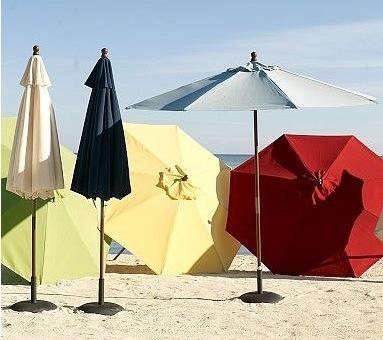
A round market umbrella is a center-pole outdoor umbrella with a circular or octagonal canopy. The pole typically passes through the center of a patio table or stands independently in a weighted base. Its familiar profile comes from traditional umbrellas used to shade market stalls, café tables, and outdoor dining areas.
Most modern versions use six or eight ribs to support the canopy, although premium and decorative models may use more. Common opening systems include a hand crank, a push-up mechanism, or a pulley. Many residential models also include a tilt feature that lets the canopy lean toward the sun as it moves across the sky.
Why the Round Shape Works So Well
A circular canopy spreads shade evenly around a central pole, making it a natural partner for round, square, and compact rectangular tables. It also has a balanced appearance that works in traditional gardens, modern pool areas, apartment patios, and commercial café settings.
Unlike an offset or cantilever umbrella, a market umbrella does not require a large side-mounted frame. That makes it easier to position in smaller spaces and usually less expensive. The tradeoff is the center pole, which may interrupt an open seating arrangement. For dining tables with umbrella holes, however, the pole is generally right where it belongs.
Choosing the Right Umbrella Size
Umbrella size refers to the width of the open canopy, not the height or the length of a rib. Before buying, measure the table, seating group, or lounge area you want to cover. Ideally, the canopy should extend beyond the edges of the table or occupied area so guests are not forced to chase a moving patch of shade with their chairs.
| Canopy Diameter | Typical Use | Suggested Seating |
|---|---|---|
| 6 to 6.5 feet | Small balcony or bistro table | 2 people |
| 7 to 7.5 feet | Compact patio table or chaise lounge | 2 to 4 people |
| 8 to 8.5 feet | Medium dining table or conversation set | 4 to 6 people |
| 9 feet | Standard outdoor dining area | 4 to 6 people |
| 10 to 11 feet | Large table or broad seating group | 6 to 8 people |
A nine-foot round market umbrella is popular because it offers generous coverage without overwhelming an average residential patio. Still, bigger is not automatically better. An oversized canopy in a narrow courtyard may hit walls, rooflines, tree branches, or the neighbor who only came over to borrow a screwdriver.
Measure Clearance as Well as Floor Space
Check the umbrella’s open height, closed height, and clearance beneath the canopy. Make sure the ribs will not collide with hanging lights, porch beams, doors, gutters, or nearby furniture. If the umbrella will pass through a table, compare the pole diameter with the table’s umbrella hole and any stabilizing ring beneath it.
Canopy Fabrics: Where Quality Becomes Visible
The canopy receives the most punishment from sun, rain, pollen, bird visits, tree sap, and the occasional airborne napkin. Fabric quality therefore has a major influence on appearance and service life.
Polyester
Polyester is widely used on affordable patio umbrellas. It is lightweight, available in countless colors, and can be treated for water and ultraviolet resistance. It is a practical choice for seasonal use, covered patios, or shoppers who prefer to replace colors every few years.
Its main weakness is fading. Lower-cost surface-dyed polyester can lose richness after prolonged exposure to strong sunlight. Check the product description for fabric weight, UV treatment, water resistance, and the length of the fade warranty rather than relying on color alone.
Olefin
Olefin offers good resistance to moisture, stains, mildew, and fading at a midrange price. It dries quickly and is often used in outdoor rugs, upholstery, and umbrella canopies. For a frequently used backyard dining area, olefin can provide a sensible balance between budget and durability.
Solution-Dyed Acrylic
Solution-dyed acrylic is a premium option associated with long-lasting color and outdoor performance. Pigment is incorporated into the fibers rather than applied only to the surface. Quality acrylic canopies are designed to resist fading, moisture, stains, mold, and mildew, although dirt left on any fabric may still support mildew growth.
The higher initial price may be worthwhile in sunny climates, pool areas, commercial spaces, or patios where the umbrella remains in frequent use. A replaceable premium canopy can also extend the useful life of a well-made frame.
Do Not Confuse Water Resistance With Waterproofing
Most market umbrellas are intended primarily for shade. A water-resistant canopy can handle a brief shower, but seams, vents, and fabric surfaces may allow water through during sustained rain. An umbrella should not be treated as a permanent roof, storm shelter, or luxury apartment for extension cords.
Frame and Pole Materials
Aluminum
Aluminum is lightweight, corrosion resistant, and easy to move. Powder-coated finishes add color and surface protection. Aluminum frames are especially convenient around pools and in humid environments, although thin, inexpensive components may bend under stress. Look for solid joints, smooth mechanisms, and ribs that do not wobble excessively when the canopy is open.
Steel
Steel is strong and commonly found in budget and midrange umbrellas. It may feel more substantial than lightweight aluminum, but scratches in a protective finish can expose the metal to corrosion. Inspect steel frames periodically and touch up damaged coatings before rust becomes the patio’s newest decorative theme.
Wood
Wooden market umbrellas bring warmth and classic resort style to outdoor spaces. Teak, eucalyptus, and other outdoor-suitable woods can perform well when maintained correctly. Wood models often use pulley or push-up opening systems rather than cranks, creating a clean traditional appearance.
Wood is heavier and requires more care than aluminum. The finish may weather, hardware may need tightening, and periodic cleaning or oiling may be recommended. A wooden pole also has less flexibility than some metal or fiberglass designs.
Fiberglass Ribs
Fiberglass ribs can flex when gusts move through the canopy, which may reduce the chance of permanent bending. They are commonly paired with aluminum poles in umbrellas designed for breezy locations. Flexibility is helpful, but it does not make an open umbrella stormproof. No patio umbrella wins an argument with severe weather.
Opening, Tilting, and Ventilation Features
Crank Lift
A crank lift is convenient for everyday residential use. Turning the handle raises or lowers the canopy without requiring much upper-body effort. Test whether the crank moves smoothly and stops securely. A stiff or grinding mechanism in the store is unlikely to discover inner peace after six months outdoors.
Push-Up and Pulley Systems
Push-up umbrellas operate much like large rain umbrellas and may use a pin to hold the canopy open. Pulley systems use a rope to raise the canopy and are common on wooden or commercial-style umbrellas. Both have fewer enclosed mechanical parts than many crank systems, although they may require more reach or strength.
Tilt Mechanisms
Push-button, collar, and automatic tilt systems help block low morning or afternoon sun. A tilt feature is useful when the umbrella cannot be repositioned easily. It should be used only in calm conditions because a tilted canopy presents a larger surface to the wind and places uneven force on the pole and base.
Wind Vents
A vent is an overlapping opening near the top of the canopy. It allows some warm air and wind pressure to escape while improving airflow beneath the umbrella. Single vents are common, while double and multi-tier canopies offer additional ventilation. A vent can improve comfort and stability, but it is not a permission slip to leave the umbrella open during a thunderstorm.
Selecting a Safe Umbrella Base
The base is not merely an accessory. It is part of the umbrella’s support system. A beautiful canopy paired with an undersized stand is basically a sail with excellent taste.
As a general starting point, a six- to seven-foot umbrella may use a base in the 20- to 30-pound range. Umbrellas around 7.5 to 10 feet commonly need roughly 40 to 50 pounds or more, while larger freestanding models may require 75 to 100 pounds. These figures are broad guidelines, not universal engineering rules.
The correct weight depends on canopy size, pole height, table support, umbrella design, base shape, surface conditions, and local wind. Always follow the umbrella manufacturer’s minimum base recommendation. Commercial models and umbrellas used without a table may require substantially more weight or permanent mounting.
Through-Table Versus Freestanding Installation
A table adds lateral support but does not replace a weighted base. The pole should pass through the table opening and lock securely into a compatible stand below. A freestanding umbrella needs greater base weight because it receives no support from furniture.
Check that the base sleeve matches the pole diameter and that tightening knobs hold the pole without crushing or scratching it. On a deck, use a stable, level position and confirm that the combined weight will not damage delicate boards or make the umbrella difficult to move safely.
Wind and Weather Safety
Market umbrellas are portable shade devices, not permanent structures. Close the canopy when winds increase, when a storm approaches, whenever the umbrella begins flapping, and when the patio will be unattended. During severe weather, remove the umbrella from its base and store it indoors or lay it horizontally in a protected location.
Do not rely solely on advertising phrases such as “wind resistant.” That description may refer to flexible ribs, reinforced hubs, vented fabric, or laboratory conditions that do not resemble your backyard during a summer squall. Review the manufacturer’s operating limits and warranty exclusions.
Allow a wet canopy to dry in the open position during calm weather before closing it for storage. Folding damp fabric can encourage odors, stains, and mildew. Once dry, close it neatly, secure the tie, and use a fitted protective cover when appropriate.
Sun Protection: Shade Is Helpful, Not Magical
A round patio umbrella reduces direct sun exposure and makes outdoor seating more comfortable. However, ultraviolet radiation can still reach people from the sides and can reflect from water, concrete, sand, and other bright surfaces.
For extended outdoor time, combine umbrella shade with broad-spectrum sunscreen, protective clothing, sunglasses, and other recommended sun-safety measures. Look for canopy specifications such as UPF ratings when sun protection is a priority, but remember that coverage changes as the sun moves.
Style Ideas for a Round Market Umbrella
Coordinate Instead of Perfectly Matching
An umbrella does not need to match every cushion stitch for stitch. Choose a canopy color that relates to the surroundings. Warm beige, cream, gray, and navy are versatile. Terracotta, yellow, coral, or striped fabric can turn the umbrella into a focal point.
In a small space, lighter colors can feel airy, although they may show dirt sooner. Dark colors create drama and may disguise some stains, but fading can be more noticeable. Patterns are excellent at hiding minor marks and preventing the patio from looking like an outdoor conference room.
Repeat Materials
Use a wood pole near teak furniture, or repeat a black powder-coated finish found on chairs, planters, and lighting. This visual repetition helps the umbrella feel integrated rather than dropped onto the patio by a confused delivery drone.
Add Lighting Carefully
Some umbrellas include solar-powered LED lights under the ribs. They can provide pleasant ambient light for dinner without requiring a nearby outlet. Clip-on rechargeable lights are another option. Use only outdoor-rated products and keep cords away from moving joints, water, and walkways.
Cleaning and Maintenance
Brush away loose debris regularly so pollen and dirt do not become embedded. Many outdoor fabrics can be cleaned with lukewarm water, mild soap, and a soft-bristle brush or sponge. Rinse thoroughly and allow the canopy to air-dry completely.
Always follow the canopy manufacturer’s care instructions. Bleach may be suitable for certain solution-dyed fabrics but can damage other materials, stitching, coatings, or printed patterns. Avoid aggressive scrubbing and pressure washing unless the manufacturer specifically approves it.
Inspect the pole, ribs, hub, finial, crank, cord, fasteners, and base several times per season. Tighten loose hardware and address rust or finish damage promptly. At the end of the season, clean and dry the umbrella before storing it in a protected, ventilated area.
Common Buying Mistakes
- Buying by color alone: A gorgeous canopy cannot compensate for a weak frame or unsuitable base.
- Ignoring the sun’s direction: Observe the patio in the morning and afternoon before deciding whether tilt is necessary.
- Assuming the base is included: Many umbrellas are sold without a stand.
- Choosing an oversized canopy: Measure walls, branches, rooflines, doors, and furniture clearance.
- Leaving it open continuously: Even premium umbrellas should be closed when unattended or during unfavorable weather.
- Skipping replacement-part research: Replaceable canopies, ribs, cords, and cranks can make a quality frame more economical over time.
Real-World Experiences With a Round Market Umbrella
The most useful lesson from living with a round market umbrella is that shade must be planned rather than merely purchased. A nine-foot canopy may look enormous when opened in the living room for an ill-advised assembly test, yet outdoors its shadow can move away from the table surprisingly quickly. Watching the patio for a full sunny day before choosing the final location saves plenty of chair dragging later.
One common experience is discovering that the tilt feature matters more than expected. At noon, a level canopy performs beautifully. By late afternoon, sunlight may arrive almost sideways, illuminating everyone’s faces with the determination of a theater spotlight. Tilting the canopy solves much of the problem, provided the weather is calm. In breezy conditions, keeping the umbrella level and repositioning chairs is the safer choice.
Base weight is another lesson people often learn after purchase. A light decorative stand may seem adequate while the umbrella is supported by a table. Then a moderate gust makes the pole knock against the table opening, the canopy sways, and every guest suddenly becomes an unpaid safety inspector. Upgrading to a properly sized base usually makes the entire setup feel quieter, steadier, and more substantial.
Fabric color also behaves differently outdoors than it does on a screen. Bright white can look crisp and resort-like but may reveal pollen and leaf stains quickly. Deep navy creates rich contrast but can show gradual fading more clearly than a heathered or patterned textile. Muted stripes, textured neutrals, and medium-tone colors tend to be forgiving choices for busy family patios.
Routine closing becomes second nature. At first, cranking down the umbrella after every meal can feel unnecessary. After seeing one unexpected gust lift a canopy, the procedure becomes as automatic as locking the back door. Closing it also protects the ribs from unnecessary movement and keeps falling leaves from collecting inside the open canopy overnight.
Cleaning is easiest when handled early. Dry pollen usually brushes away in moments, while pollen mixed with rain can become a stubborn yellow-green film. A monthly rinse during the active season prevents grime from becoming a major project. The canopy should then dry fully before being tied closed; otherwise, the next opening may introduce a fragrance best described as “forgotten gym towel, garden edition.”
A well-chosen umbrella changes how often a patio is used. A table that was uncomfortable at lunchtime becomes a practical place for coffee, work, family meals, and weekend conversations. The improvement is not only cooler seating but a stronger sense that the outdoor area functions as a real room. With the right size, fabric, frame, and base, the umbrella stops feeling like an accessory and becomes part of the architecture of everyday life.
The best experience usually comes from resisting unnecessary features and investing in the components that matter most. Reliable hardware, durable canopy fabric, replaceable parts, correct proportions, and a sufficiently heavy base contribute more to long-term satisfaction than decorative gadgets. Solar lights and tassels are delightful, but structural stability is what keeps dinner relaxing.
Conclusion
A round market umbrella is a practical, attractive way to make a patio, deck, pool area, or outdoor dining space more comfortable. Success depends on matching the canopy diameter to the area, selecting weather-appropriate materials, using the correct base, and treating wind warnings seriously.
Measure before shopping, compare warranties and replacement options, and choose fabric based on actual exposure rather than showroom appearance. With sensible maintenance and careful storage, a quality round market umbrella can provide years of shade, style, and civilized outdoor diningwithout attempting an unscheduled flight over the fence.
Note: Base requirements, wind limits, cleaning methods, and operating instructions vary by model. Follow the umbrella and base manufacturers’ directions for your specific products.

