
Hair Care
How to Clean a Microfiber Couch So It Lasts Longer
Jun
Note: Always check the care tag on your couch before cleaning. Microfiber is durable, forgiving, and wonderfully snack-friendly, but the wrong cleaner can still leave water rings, discoloration, or matted fabric.
Why Microfiber Couches Need Special Cleaning
A microfiber couch is the superhero of living room furniture: soft, stylish, stain-resistant, and usually brave enough to face kids, pets, movie-night nachos, and that one guest who treats red wine like a juggling prop. But even superheroes need maintenance. Learning how to clean a microfiber couch the right way helps preserve its texture, color, and comfort for years.
Microfiber upholstery is made from extremely fine synthetic fibers, often polyester or a polyester blend. These fibers are tightly woven, which helps liquid bead on the surface instead of sinking in immediately. That is why microfiber sofas are popular in busy homes. However, “stain-resistant” does not mean “immune to chaos.” Body oils, crumbs, pet hair, dust, spills, and everyday grime can build up and make the couch look dull or feel rough.
The good news is that cleaning microfiber furniture is usually simple. The bad news is that guessing is not your friend. Some microfiber couches tolerate water-based cleaning, while others require solvent-based cleaning. Use the wrong method and your couch may reward you with water spots, rings, or stiff patches. Rude, but avoidable.
Start With the Care Code
Before you grab dish soap, rubbing alcohol, baking soda, or a vacuum attachment shaped like a tiny spaceship, look for the manufacturer’s care label. It is often under a cushion, along the platform, or beneath the couch. The label usually includes one of four cleaning codes.
Code W
A “W” means the fabric can be cleaned with water-based cleaners. This usually includes a mild dish soap and water solution, upholstery shampoo, or a water-based fabric cleaner. Even with a W-coded couch, avoid soaking the fabric. Damp is helpful. Wet enough to need a lifeguard is not.
Code S
An “S” means the couch should be cleaned with a solvent-based cleaner, not water. Many microfiber couches fall into this category because water can leave rings. Rubbing alcohol is commonly used for spot cleaning S-coded microfiber because it evaporates quickly, but it should still be tested first in a hidden area.
Code W-S or S-W
W-S or S-W means either water-based or solvent-based cleaners may be used. This is the flexible friend of upholstery codes. Still, test first and use the least aggressive method that works.
Code X
An “X” means vacuum only or call a professional upholstery cleaner. Do not use water, soap, alcohol, steam, or homemade cleaning potions. If the couch has a Code X label, your cleaning plan is simple: vacuum, brush lightly, and resist the urge to become a chemistry influencer.
Supplies You Need to Clean a Microfiber Couch
Gather your tools before you start so you are not running around with one wet cushion and a growing sense of regret.
- Vacuum with upholstery attachment
- Soft-bristle brush or clean upholstery brush
- White microfiber cloths or white cotton cloths
- Spray bottle
- Mild liquid dish soap
- Warm water, if your care code allows it
- Rubbing alcohol, especially for many S-coded microfiber couches
- Baking soda or cornstarch for oil stains and odors
- Dry sponge or clean white towel
- Fan for faster drying
White cloths are important because colored towels can transfer dye. Your beige couch does not need a surprise blue tattoo.
Step-by-Step: How to Clean a Microfiber Couch
Step 1: Remove Cushions and Vacuum Thoroughly
Start by removing pillows, blankets, toys, coins, mystery crumbs, and anything else your couch has been secretly collecting. Vacuum the entire sofa, including seams, cushion edges, arms, back, and the platform under the cushions. Use slow passes so the vacuum can lift dust, pet hair, and grit.
This step matters more than people think. Dirt particles can act like tiny sandpaper when you sit down, gradually wearing the fibers. Regular vacuuming helps a microfiber couch last longer because it removes abrasive debris before it gets ground into the upholstery.
Step 2: Brush the Fabric
Use a soft-bristle brush to loosen matted areas and lift the nap of the microfiber. Brush gently in one direction. This helps the cleaner work more evenly and makes the finished couch look smoother instead of patchy.
Step 3: Spot Test Before Cleaning
Apply your chosen cleaner to a hidden area, such as the back lower edge or under a cushion. Let it dry completely. Check for color change, stiffness, rings, or texture damage. If the test area looks fine, proceed. If not, stop and consider professional cleaning.
Spot testing is the cleaning equivalent of reading the instructions before assembling furniture. Nobody wants to do it, but everyone appreciates it later.
How to Clean a W-Coded Microfiber Couch With Soap and Water
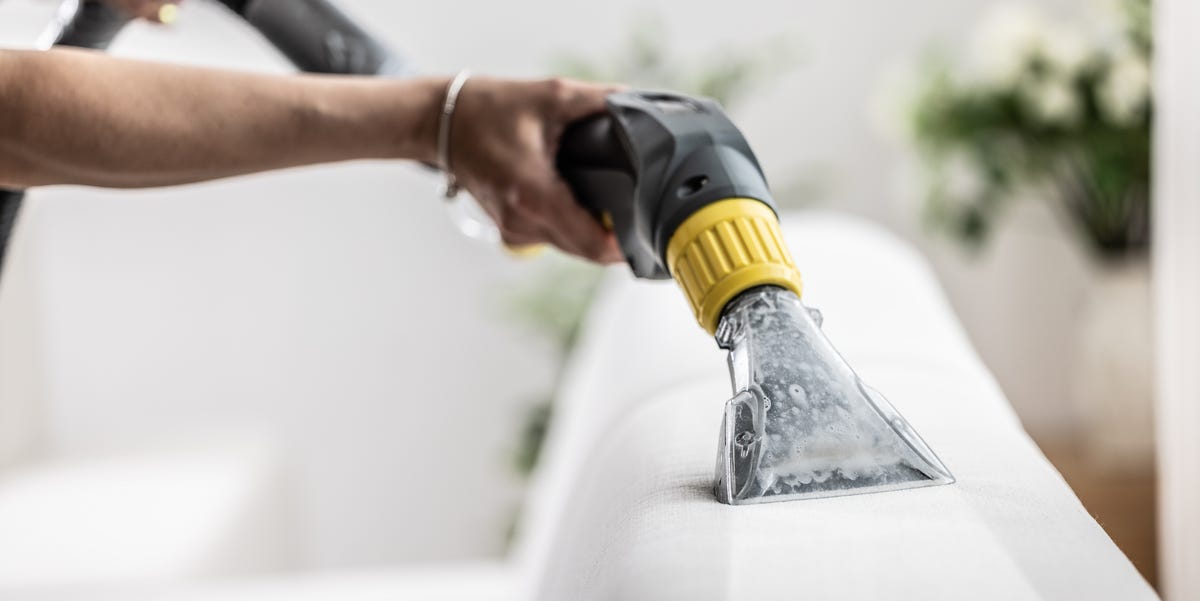
If your microfiber couch has a W code, you can use a gentle water-based method. Mix a few drops of mild liquid dish soap with warm water. For a deeper clean, create suds by whisking the mixture until foam forms. The foam is useful because it cleans with less moisture than a wet cloth.
Use Suds, Not a Soaked Cloth
Dip a soft brush or cloth into the suds, not the water underneath. Lightly work the foam into one small section at a time. Move evenly across the couch so the fabric dries consistently. Do not scrub aggressively, because rough scrubbing can damage the fibers or push soil deeper into the upholstery.
Wipe Away Residue
Dampen a clean cloth with plain water and wring it out very well. Wipe the cleaned area to remove soap residue. This step is important because leftover soap attracts new dirt. A couch with soap residue can look clean for one day and then turn into a dust magnet with cushions.
Dry Completely
Let the couch air dry fully before anyone sits on it. Open a window or place a fan nearby to speed drying. Do not use high heat, which may affect the fabric or cushion materials. Once dry, brush the microfiber again to restore softness.
How to Clean an S-Coded Microfiber Couch With Rubbing Alcohol
For many S-coded microfiber couches, rubbing alcohol is a practical spot-cleaning option because it evaporates quickly and is less likely than water to leave rings. Use plain isopropyl alcohol in a spray bottle. Work in a ventilated room and keep it away from flames, candles, or heat sources.
Spray Lightly
Lightly mist the stained or soiled area. Do not drench it. Microfiber likes a light touch. Think morning mist, not monsoon season.
Blot and Lift
Use a clean white cloth or dry sponge to blot the area. Work from the outside of the stain toward the center to avoid spreading it. Replace the cloth as it becomes dirty. For stubborn marks, repeat with light applications rather than one heavy soaking.
Brush After Drying
Rubbing alcohol dries quickly, but once the area is fully dry, brush it gently to restore the nap. This final brushing step is often what makes microfiber look refreshed instead of stiff or blotchy.
How to Remove Common Stains From a Microfiber Couch
Food and Drink Spills
Blot immediately with a dry white cloth. Do not rub. Rubbing can push the stain deeper and spread it into a larger, sadder circle. If your couch allows water-based cleaning, use mild soap suds. If it requires solvent cleaning, use rubbing alcohol or an upholstery solvent approved for the fabric code.
Grease and Oil Stains
Microfiber can resist many liquids, but oil is sneakier. Body oils, pizza grease, lotion, and hair products can cling to fibers. Sprinkle baking soda or cornstarch over the stain and let it sit for 10 to 20 minutes to absorb oil. Vacuum it away. If residue remains, spot clean according to the care code.
Ink Marks
Ink can often be treated with rubbing alcohol on compatible microfiber. Lightly dampen a white cloth with alcohol and blot the ink, switching to a clean section of cloth as the stain transfers. Never scrub ink in circles unless you are trying to create modern art.
Pet Stains
Blot fresh pet accidents immediately. Use an enzyme cleaner only if it is safe for your couch’s care code and has passed a spot test. Enzyme cleaners can help break down odor-causing organic matter, but they are not right for every upholstery type. For serious odor or repeated accidents, professional cleaning is often the smarter choice.
Water Rings
If water leaves a ring on microfiber, clean the entire panel lightly instead of only the ring. This helps blend the area so there is no visible edge. Use the correct cleaner for the care code, keep moisture minimal, and brush after drying.
How to Deodorize a Microfiber Couch
For general odors, sprinkle a light layer of baking soda over the couch and let it sit for 15 to 30 minutes. Vacuum thoroughly using the upholstery attachment. Baking soda can help absorb mild odors from pets, food, and everyday use.
Avoid heavy perfume sprays that only mask odors. If the couch smells musty, sour, or strongly of pet urine, the issue may be deeper in the cushion or padding. In that case, surface deodorizing will not fully solve the problem. It is like putting a mint on a garlic sandwich: brave, but not enough.
How Often Should You Clean a Microfiber Couch?
Vacuum your microfiber couch weekly if you have pets, kids, allergies, or a household that snacks like it is training for the Olympics. For lighter-use homes, vacuuming every two to four weeks may be enough. Spot clean spills immediately. Deep clean the couch once or twice a year, depending on use.
If your couch is in a family room, playroom, rental property, or pet-friendly household, a twice-yearly deep clean is a good habit. If it is in a formal sitting room where nobody sits because the pillows look “arranged,” once a year may be fine.
What Not to Do When Cleaning Microfiber
Do Not Over-Wet the Fabric
Too much water can create rings, stiffness, or slow drying. Moisture can also move deeper into cushions, where odors may develop.
Do Not Use Bleach
Bleach can discolor microfiber and weaken fibers. Even diluted bleach is risky on upholstered furniture.
Do Not Skip the Care Label
The care code is the couch’s instruction manual. Ignoring it is how innocent cleaning projects become furniture drama.
Do Not Rub Stains Aggressively
Blotting lifts stains. Rubbing spreads them, damages fibers, and can leave the fabric fuzzy or matted.
Do Not Use Colored Cloths
Use white cloths to avoid dye transfer, especially on light microfiber upholstery.
How to Keep a Microfiber Couch Clean Longer
Maintenance is easier than rescue cleaning. Rotate cushions if possible so wear is distributed evenly. Keep food rules realistic; a total snack ban may last three days, but using trays and napkins can actually work. Keep a throw blanket in pet zones and wash it weekly. Brush the couch after cleaning to maintain its soft texture.
Sunlight can fade upholstery over time, so position the couch away from harsh direct sun or use curtains during peak light. If your microfiber sofa has removable cushion covers, read the label before washing. Removable does not always mean machine washable. That tiny zipper is not a permission slip.
For homes with pets, use a lint roller or rubber upholstery tool between vacuuming sessions. Pet hair clings to microfiber like it signed a lease, so quick maintenance prevents buildup.
When to Call a Professional Upholstery Cleaner
Call a professional if the couch has a Code X label, heavy staining, deep odors, delicate construction, unknown fabric content, or expensive upholstery you do not want to gamble with. Professionals can test the fabric, choose the correct cleaning system, and extract soil without overwetting the couch.
Professional cleaning is also smart before applying any fabric protector. A protector works best on clean upholstery. Applying it over soil is like putting a screen protector on a phone covered in peanut butter: technically possible, deeply unwise.
Experience-Based Tips: What Actually Helps a Microfiber Couch Last Longer
After cleaning many microfiber couches in real homes, one lesson becomes obvious: the couch that lasts longest is not always the one that gets the most dramatic deep clean. It is the one that gets small, boring, consistent care. Boring wins. Boring keeps the cushions from smelling like old popcorn and dog dreams.
The first experience-based tip is to vacuum before the couch looks dirty. Waiting until you can see crumbs means the grit has already been pushed into seams and cushion edges. A quick weekly vacuum takes less time than hunting for the remote, and it prevents dust from grinding into the fabric. Pay special attention to the front edge of seat cushions, where legs rub, snacks fall, and pets perform important couch inspections.
Second, treat armrests like high-traffic zones. People lean, nap, scroll, snack, and occasionally drool there. Body oils collect on microfiber armrests faster than on the back cushions. A light maintenance clean on armrests every month or two can prevent dark, greasy patches from forming. If the fabric code allows rubbing alcohol, a light mist and blot can freshen those areas quickly. If the couch is W-coded, use a barely damp cloth with mild suds and then remove residue with a clean damp cloth.
Third, never clean only one tiny circle in the middle of a cushion unless the stain is extremely small and fresh. Microfiber can dry with visible edges, especially if water is involved. When in doubt, blend your cleaning across the full cushion panel from seam to seam. This makes the finish look intentional instead of “someone panicked with a wet towel.”
Fourth, brushing after drying is not optional if you care about appearance. Microfiber can look matted after moisture evaporates, even when it is perfectly clean. A soft-bristle brush brings the nap back and makes the fabric feel plush again. Brush gently and evenly. This tiny finishing step can make an old couch look surprisingly refreshed.
Fifth, be careful with internet cleaning trends. A couch is not the place to test every viral hack involving laundry pods, boiling water, mystery powders, and heroic confidence. Microfiber responds best to simple methods: vacuuming, care-code-safe spot cleaning, minimal moisture, white cloths, and full drying. If a method looks like soup, it probably does not belong on your sofa.
Finally, build a small couch emergency kit: white cloths, baking soda, a soft brush, a spray bottle, rubbing alcohol, and mild dish soap. Store it where you can grab it fast. The first few minutes after a spill matter. Blotting coffee immediately is easy. Removing coffee tomorrow after it has moved in, unpacked, and learned the Wi-Fi password is much harder.
Conclusion
Knowing how to clean a microfiber couch is less about scrubbing harder and more about cleaning smarter. Start with the care code, vacuum thoroughly, test every cleaner, use minimal moisture, blot instead of rub, and brush the fabric after it dries. For water-safe microfiber, mild soap suds can lift everyday grime. For many solvent-safe microfiber couches, rubbing alcohol can remove spots without leaving water rings. For oil, baking soda or cornstarch can help absorb residue before spot cleaning.
A microfiber couch can last for many comfortable years when you give it regular attention. It does not need fancy treatment, just consistent care and fewer cleaning experiments inspired by late-night videos. Treat spills quickly, deep clean once or twice a year, and let the care label be the boss. Your couch will stay fresher, softer, and far more prepared for the next movie night, pet nap, or suspiciously enthusiastic bowl of chili.

