
Beauty Unlocked
Type 2 Diabetes Food List: What to Eat and Avoid
Jun
Building a smart type 2 diabetes food list should not feel like studying for a nutrition final while your stomach growls in protest. The goal is not to ban joy, flavor, birthdays, restaurant meals, or that perfectly ripe peach sitting on the counter. The goal is to understand which foods help keep blood sugar steadier, which foods tend to send glucose on a roller-coaster ride, and how to build meals that are satisfying enough to prevent the 9 p.m. pantry safari.
Type 2 diabetes affects how the body uses insulin, the hormone that helps move glucose from the blood into cells. Food choices matter because carbohydrates break down into glucose, while protein, fat, fiber, and portion size can influence how quickly blood sugar rises after a meal. That does not mean carbohydrates are “bad.” It means the type, amount, and pairing of carbs matter. A bowl of oatmeal with walnuts and berries behaves very differently from a frosted toaster pastry eaten while standing over the sink.
This guide gives you a practical, American-kitchen-friendly food list for type 2 diabetes: what to eat often, what to limit, what to avoid most of the time, and how to turn the whole thing into real meals. Think of it as a grocery-store map, not a courtroom sentence.
How to Build a Diabetes-Friendly Plate
The simplest starting point is the diabetes plate method. Use a 9-inch plate and fill half with non-starchy vegetables, one-quarter with lean protein, and one-quarter with quality carbohydrates. Add a small amount of healthy fat and choose water or another unsweetened drink. This approach works because it naturally increases fiber and protein while keeping carbohydrate portions reasonable.
For example, dinner could be grilled salmon, roasted broccoli, a small serving of brown rice, and a drizzle of olive oil. Another plate might include turkey chili with beans, a big side salad, and avocado. No calculator required, no tiny food scale glaring at you from the counter.
Best Foods to Eat With Type 2 Diabetes
1. Non-Starchy Vegetables
Non-starchy vegetables are the dependable friends of the diabetes food world. They are rich in fiber, vitamins, minerals, antioxidants, and volume, but generally lower in carbohydrates and calories. They help you feel full without making blood sugar work overtime.
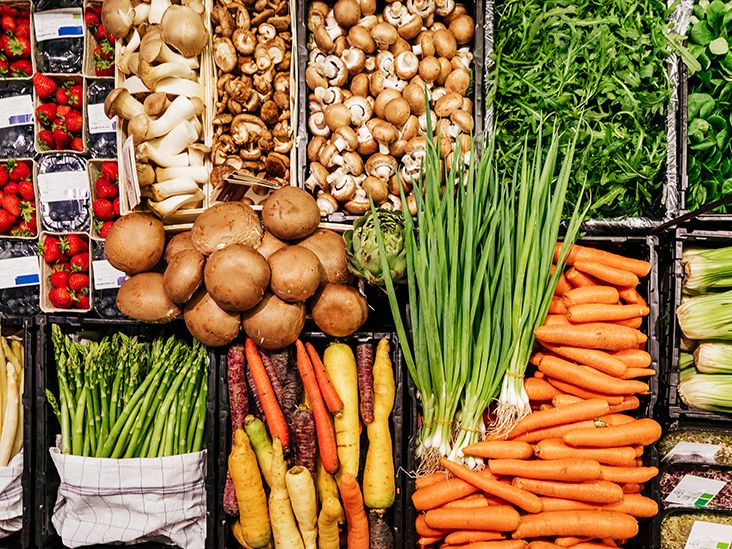
Good choices include spinach, kale, romaine lettuce, broccoli, cauliflower, cabbage, Brussels sprouts, asparagus, zucchini, cucumbers, celery, peppers, mushrooms, tomatoes, green beans, eggplant, onions, and carrots. Fresh, frozen, and low-sodium canned vegetables can all work. The main trick is preparation: roast, steam, sauté, grill, or add them to soups and omelets. Try not to turn vegetables into a cheese-and-bacon delivery system every single time, even though broccoli does look suspiciously good under cheddar.
2. High-Fiber Carbohydrates
Carbohydrates have the biggest direct effect on blood sugar, but high-fiber carbs can fit well into a type 2 diabetes meal plan. Fiber slows digestion, supports gut health, helps with fullness, and may improve cholesterol. The best carbohydrate choices are close to their natural form.
Choose oats, barley, quinoa, farro, bulgur, brown rice, wild rice, 100% whole-wheat bread, corn tortillas, beans, lentils, chickpeas, peas, sweet potatoes, winter squash, and fruit in whole form. Portion size still matters. A “healthy carb” is not a magic invisibility cloak. A giant bowl of brown rice can still raise blood sugar more than a smaller serving paired with protein and vegetables.
3. Beans, Lentils, and Legumes
Beans and lentils deserve their own spotlight because they contain both carbohydrate and plant protein, plus a generous amount of fiber. Black beans, pinto beans, kidney beans, chickpeas, split peas, and lentils can help create slower, steadier digestion compared with many refined starches.
Add beans to salads, soups, chili, tacos, grain bowls, or mashed avocado toast. If canned beans are your style, rinse them to reduce sodium. If your digestive system reacts like a brass band at first, start with smaller portions and increase gradually.
4. Lean Protein Foods
Protein has little direct impact on blood glucose and helps meals feel satisfying. Good choices include skinless chicken, turkey, eggs, fish, seafood, tofu, tempeh, edamame, Greek yogurt, cottage cheese, lean pork, and lean cuts of beef in smaller portions. Fish such as salmon, sardines, trout, and tuna provide omega-3 fats that support heart health, which is especially important because diabetes and cardiovascular risk often travel together like unwanted roommates.
Prepare proteins by baking, grilling, roasting, poaching, or sautéing. Limit breaded, deep-fried, heavily processed, or sugar-glazed versions. Chicken is a great option; chicken nuggets shaped like dinosaurs are more of a nostalgia project.
5. Healthy Fats
Healthy fats can improve flavor and fullness. Choose olive oil, avocado oil, avocados, nuts, seeds, natural nut butters, olives, and fatty fish. These fats are calorie-dense, so portions matter. A handful of nuts is a snack. A cereal bowl of cashews is a tiny financial crisis with calories.
Try adding sliced avocado to eggs, chia seeds to yogurt, walnuts to oatmeal, or olive oil and vinegar to salad. These small additions can make meals more satisfying and help slow digestion when paired with carbohydrates.
6. Whole Fruits
Fruit can be part of a type 2 diabetes food list. The key is choosing whole fruit rather than juice or sweetened fruit products. Whole fruit contains fiber, water, vitamins, and antioxidants. Berries, apples, pears, oranges, peaches, plums, kiwi, and melon can all fit into a balanced plan.
Portion size and pairing help. Try berries with plain Greek yogurt, apple slices with peanut butter, or a small orange with a handful of almonds. Fruit juice, even when labeled “100% juice,” can raise blood sugar quickly because it lacks the fiber of whole fruit and is easy to drink in large amounts.
7. Unsweetened Dairy and Dairy Alternatives
Low-fat milk, plain Greek yogurt, cottage cheese, and unsweetened soy milk can provide protein, calcium, and other nutrients. Choose unsweetened versions most often. Many flavored yogurts are desserts wearing a health-food costume. Check the Nutrition Facts label for added sugars and total carbohydrates.
If you prefer non-dairy options, look for unsweetened products with protein, such as soy milk. Almond, oat, rice, and coconut drinks vary widely in protein and carbohydrate content, so labels matter.
Foods to Limit or Avoid With Type 2 Diabetes
1. Sugary Drinks
Soda, sweet tea, lemonade, fruit punch, energy drinks, sweetened coffee drinks, and many bottled smoothies can raise blood sugar quickly. Liquid sugar is sneaky because it does not fill you up the way solid food does. A large sweet coffee drink can contain enough sugar to make your pancreas request a union meeting.
Choose water, sparkling water, unsweetened tea, black coffee, or water infused with lemon, cucumber, mint, or berries. If you use a sweetener, keep it modest and pay attention to how your body responds.
2. Refined Grains and Low-Fiber Starches
White bread, white rice, regular pasta, sugary cereal, pastries, biscuits, crackers, and many packaged snack foods are often low in fiber and easy to overeat. They can raise blood sugar faster than whole-food carbohydrates.
You do not have to live in fear of pasta forever. Try smaller portions of whole-grain pasta or chickpea pasta, add vegetables, and include lean protein. The same idea applies to rice: choose brown rice or wild rice when possible, keep portions moderate, and surround it with protein and non-starchy vegetables.
3. Sweets and Desserts
Candy, cookies, cakes, pies, ice cream, doughnuts, and sweet rolls are not automatically forbidden, but they should be occasional and intentional. The problem is not only sugar; many desserts combine refined flour, added sugar, saturated fat, and large portions. That combination can affect blood sugar, cholesterol, and weight management.
For everyday sweetness, try fruit, cinnamon, vanilla, unsweetened yogurt with berries, or a small square of dark chocolate. For special occasions, enjoy a reasonable portion and move on. Guilt is not a food group.
4. Processed Meats and High-Saturated-Fat Foods
Bacon, sausage, hot dogs, pepperoni, deli meats, fatty cuts of beef, butter-heavy foods, and full-fat processed snacks can be high in saturated fat and sodium. People with type 2 diabetes have a higher risk of heart disease, so heart-smart eating matters just as much as glucose control.
Choose lean proteins more often and save processed meats for rare occasions. Swap bacon at breakfast for eggs with vegetables, smoked salmon, turkey slices with lower sodium, or beans in a breakfast taco.
5. Fried Foods and Fast Food
French fries, fried chicken, fried fish sandwiches, onion rings, and many fast-food meals can combine refined carbohydrates, sodium, saturated fat, and large portions. They may also be easy to pair with soda, which turns one meal into a blood sugar fireworks show.
When eating out, look for grilled proteins, salads with dressing on the side, broth-based soups, vegetable sides, bun-less or open-faced sandwiches, and smaller portions of starch. Fast food does not have to be perfect, but it should not be your daily co-pilot.
6. Alcohol
Alcohol can affect blood sugar in unpredictable ways, especially for people who take insulin or certain diabetes medications. Sweet cocktails, regular beer, dessert wines, and mixers can add sugar and calories. Drinking on an empty stomach may increase the risk of low blood sugar for some people.
If you drink, ask your healthcare provider what is safe for your medication plan. Choose lower-sugar options, drink with food, and avoid turning “one glass” into a math problem the next morning.
Simple Type 2 Diabetes Grocery List
Vegetables
Spinach, kale, romaine, broccoli, cauliflower, green beans, zucchini, peppers, mushrooms, asparagus, tomatoes, cucumbers, cabbage, Brussels sprouts, carrots, celery, and frozen mixed vegetables without added sauces.
Proteins
Chicken breast, turkey, eggs, salmon, tuna, sardines, shrimp, tofu, tempeh, edamame, plain Greek yogurt, cottage cheese, lentils, beans, chickpeas, and lean ground turkey.
Quality Carbohydrates
Old-fashioned oats, steel-cut oats, quinoa, barley, brown rice, wild rice, 100% whole-grain bread, corn tortillas, sweet potatoes, butternut squash, berries, apples, oranges, pears, and low-fat milk or unsweetened soy milk.
Healthy Fats
Olive oil, avocado oil, avocados, almonds, walnuts, pistachios, chia seeds, flaxseed, pumpkin seeds, natural peanut butter, and natural almond butter.
Flavor Boosters
Garlic, onions, herbs, spices, salsa with no added sugar, mustard, vinegar, lemon juice, hot sauce, low-sodium broth, cinnamon, cumin, paprika, and pepper. Flavor matters. A diabetes-friendly meal should not taste like cardboard wearing a medical bracelet.
A One-Day Sample Meal Plan
Breakfast
Plain Greek yogurt topped with berries, chia seeds, and a small spoonful of chopped walnuts. Add cinnamon for sweetness without added sugar.
Lunch
A large salad with grilled chicken, chickpeas, cucumber, tomatoes, peppers, greens, avocado, and olive oil vinaigrette. Add one small whole-grain roll if it fits your carbohydrate goals.
Snack
Apple slices with natural peanut butter, or carrots and hummus.
Dinner
Baked salmon with roasted broccoli and cauliflower, plus a small serving of quinoa or sweet potato. Finish with sparkling water and a few berries if you want something sweet.
Smart Food Swaps for Better Blood Sugar
Swap sweet tea for unsweetened iced tea with lemon. Swap white toast with jam for whole-grain toast with peanut butter. Swap regular pasta with a smaller portion of whole-grain pasta mixed with zucchini, spinach, and turkey meatballs. Swap chips for roasted chickpeas or air-popped popcorn. Swap flavored yogurt for plain Greek yogurt with berries. Swap a giant burrito with white rice for a bowl with lettuce, beans, grilled chicken, salsa, fajita vegetables, and a smaller scoop of brown rice.
The best swaps are the ones you can repeat. A plan that works only when you are perfectly motivated, perfectly rested, and living inside a wellness commercial is not a plan. It is a fantasy with good lighting.
Experience-Based Tips: Making the Type 2 Diabetes Food List Work in Real Life
In real life, food decisions happen in kitchens with dirty dishes, grocery stores with confusing labels, office break rooms with doughnuts, and family dinners where someone says, “But I made this just for you.” Managing type 2 diabetes through food is not just about knowing what to eat and avoid. It is about building habits that survive Tuesdays.
One useful experience is to stop thinking in terms of “good” and “bad” foods and start thinking in terms of patterns. A single cookie is not the villain in a superhero movie. A daily pattern of sugary drinks, skipped meals, large refined-carb portions, and low fiber is the bigger issue. When people focus on patterns, they usually feel less guilt and make better choices. They can ask, “What can I add to make this meal more balanced?” instead of “How do I punish myself for eating bread?”
Another practical lesson is that breakfast sets the tone. Many people notice better morning energy when breakfast includes protein and fiber instead of only refined carbohydrates. For example, eggs with spinach and a small slice of whole-grain toast may feel steadier than a large sweet muffin. Oatmeal with nuts and berries may last longer than sugary cereal. The point is not perfection; the point is fewer blood sugar surprises before lunch.
Meal prep also works best when it is boring in a helpful way. You do not need 21 different recipes in matching glass containers. Start with two proteins, two vegetables, one or two quality carbs, and a couple of sauces or seasonings. Grilled chicken, baked tofu, roasted vegetables, salad greens, quinoa, beans, salsa, and vinaigrette can become bowls, wraps, salads, tacos, or quick dinners. Repetition is not failure. Repetition is how adults get fed without having a dramatic cooking montage every night.
Shopping with a list makes a big difference. The grocery store is designed to make every aisle whisper, “You deserve cookies shaped like farm animals.” A diabetes-friendly list helps you move with purpose. Shop mostly around vegetables, proteins, whole grains, beans, dairy, and healthy fats. Then choose a few realistic convenience items: frozen vegetables, canned tuna, rotisserie chicken, bagged salad, microwave brown rice, low-sodium soup, or hummus. Convenience is not cheating if it helps you eat better.
Restaurants require strategy, not panic. Look at the menu before you go. Decide on grilled, baked, roasted, or broiled options when possible. Ask for sauces on the side. Choose vegetables as a side. Share dessert if you truly want it. The best restaurant rule is simple: make the meal mostly balanced and enjoy the experience. Stressing over every bite can ruin both dinner and digestion.
Finally, blood sugar response is personal. Two people can eat the same meal and get different readings. A glucose meter or continuous glucose monitor, when recommended by a healthcare provider, can teach you how your body responds to oats, rice, fruit, pasta, beans, or late-night snacks. This turns food choices from guesswork into feedback. Work with a registered dietitian, certified diabetes care and education specialist, or healthcare professional for a plan that fits your medications, kidney health, weight goals, culture, budget, and preferences.
Conclusion
A type 2 diabetes food list is not about eating tiny portions of sadness forever. It is about choosing more foods that support steady blood sugar, heart health, fullness, and long-term energy. Build meals around non-starchy vegetables, lean proteins, high-fiber carbohydrates, healthy fats, whole fruits, and unsweetened dairy or dairy alternatives. Limit sugary drinks, refined grains, sweets, fried foods, processed meats, and high-sodium packaged meals.
The most effective plan is one you can actually live with. Start with one meal, one grocery swap, or one drink change. Then build from there. Diabetes-friendly eating can be colorful, flavorful, affordable, and deeply normal. Your plate does not need to be perfect. It just needs to help you feel better more often than not.
Medical note: This article is for educational purposes only and is not a substitute for medical advice. People who use insulin, sulfonylureas, blood pressure medication, kidney-related diets, or other prescribed treatments should ask a healthcare professional or registered dietitian before making major diet changes.

