
Beauty Unlocked
Can Ultrasound Detect Pancreatic Cancer? What to Know
Jun
Note: This article is for educational publishing purposes only and is not a substitute for medical diagnosis, treatment, or personal medical advice. The content is synthesized from reputable U.S. medical sources, including major cancer centers, radiology organizations, government health resources, and pancreatic cancer advocacy groups.
Introduction: The Short Answer, Without the Medical Fog Machine
Can ultrasound detect pancreatic cancer? Yes, sometimesbut the better answer is: it depends on the type of ultrasound, the size and location of the tumor, and whether the pancreas is willing to show up clearly on camera. The pancreas is not exactly an extrovert. It sits deep in the abdomen, tucked behind the stomach, surrounded by organs, blood vessels, and digestive gas that can turn a routine scan into a game of “Where’s Waldo?” with higher stakes.
In many cases, a standard abdominal ultrasound may spot warning signs related to pancreatic cancer, such as a mass, a blocked bile duct, swelling in nearby structures, or liver changes. However, it is not usually the most reliable test for confirming pancreatic cancer. More advanced imagingespecially a pancreas-protocol CT scan, MRI/MRCP, and endoscopic ultrasoundis often needed to evaluate the pancreas in detail.
Endoscopic ultrasound, often called EUS, is a different story. It places an ultrasound probe inside the digestive tract, very close to the pancreas. That close-up view can help doctors find smaller tumors, evaluate whether cancer has spread into nearby structures, and collect tissue through a needle biopsy. In other words, abdominal ultrasound may raise suspicion, but endoscopic ultrasound can help move the investigation from “something looks odd” to “we need answers.”
What Is Pancreatic Cancer?
Pancreatic cancer begins when abnormal cells in the pancreas grow out of control. The most common type is pancreatic ductal adenocarcinoma, which starts in the ducts that carry digestive enzymes. Less common types include pancreatic neuroendocrine tumors, which behave differently and may require different testing and treatment strategies.
The pancreas has two important jobs. First, it helps digestion by producing enzymes that break down food. Second, it helps regulate blood sugar by making hormones such as insulin. Unfortunately, early pancreatic cancer often causes vague symptomsor no symptoms at all. By the time symptoms appear, the tumor may have grown enough to affect nearby ducts, nerves, organs, or blood vessels.
Common Symptoms That May Lead to Imaging
Doctors may order imaging tests, including ultrasound or CT, when someone has symptoms such as yellowing of the skin or eyes, dark urine, pale stools, unexplained weight loss, upper abdominal or back pain, nausea, appetite loss, new-onset diabetes, or unusual fatigue. These symptoms do not automatically mean pancreatic cancer. Many more common conditions can cause them. Still, they deserve medical attention, especially when they are persistent or worsening.
Can a Standard Abdominal Ultrasound Detect Pancreatic Cancer?
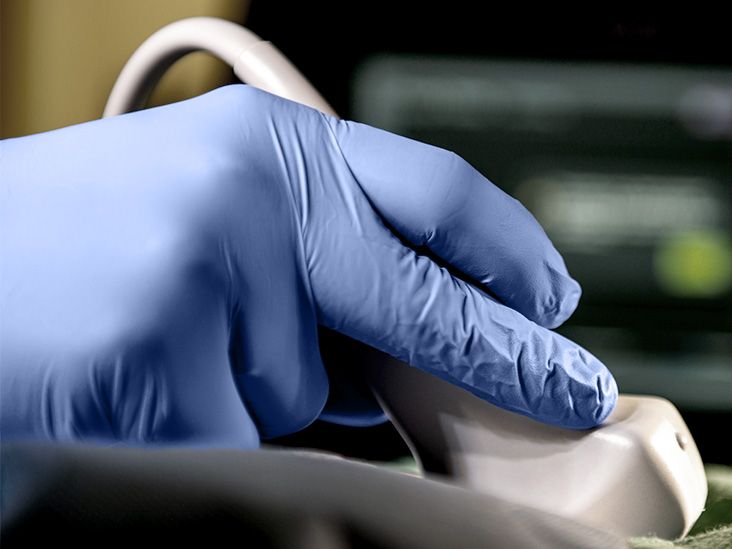
A standard abdominal ultrasound uses a handheld device called a transducer, which is moved over the skin of the abdomen. It sends sound waves into the body and creates images from the returning echoes. It is painless, does not use radiation, and is often one of the first tests used to evaluate abdominal pain, gallbladder problems, jaundice, or liver abnormalities.
But when it comes to pancreatic cancer, abdominal ultrasound has limits. The pancreas is located deep in the abdomen, and sound waves may be blocked or distorted by gas in the stomach or intestines. Body habitus, tumor size, tumor location, and the skill of the person performing the scan can also affect how clearly the pancreas appears.
That means a standard ultrasound may detect a larger pancreatic mass or signs that suggest a blockage, but a normal ultrasound does not reliably rule out pancreatic cancer. Think of it like checking your bedroom from the hallway with the lights half-off. You might notice the laundry mountain, but you could miss the missing sock conspiracy under the bed.
What an Abdominal Ultrasound May Show
An abdominal ultrasound may reveal indirect clues, such as a dilated bile duct, swelling of the gallbladder, liver lesions, fluid buildup, or a visible pancreatic mass. If the tumor is in the head of the pancreas, it may block the bile duct and cause jaundice. That blockage can be easier to see than the tumor itself.
However, if symptoms or blood tests strongly suggest a pancreatic problem, doctors usually do not stop with a normal abdominal ultrasound. They often order more detailed imaging, such as CT, MRI, MRCP, or endoscopic ultrasound.
Endoscopic Ultrasound: The More Powerful Ultrasound for Pancreatic Cancer
Endoscopic ultrasound is one of the most important tools in pancreatic cancer diagnosis. During EUS, a thin flexible tube with a camera and ultrasound probe is passed through the mouth, down the esophagus, and into the stomach and small intestine. Because the probe sits close to the pancreas, it can create detailed images that a standard external ultrasound may not capture.
EUS is especially useful for evaluating small pancreatic masses, suspicious cysts, and tumors that need tissue sampling. Doctors can also pass a thin needle through the endoscope to collect cells or tissue from the pancreas. This is called fine-needle aspiration or fine-needle biopsy. The sample is then examined under a microscope to determine whether cancer cells are present.
Why EUS Matters
EUS can help answer several important questions: Is there a mass? How large is it? Where exactly is it located? Does it appear to involve nearby blood vessels? Can a biopsy be safely obtained? These questions matter because pancreatic cancer treatment depends heavily on staging, tumor location, and whether surgery may be possible.
For many patients, EUS is not the first imaging test. A CT scan or MRI may come first. But EUS often becomes important when imaging shows something suspicious, when a biopsy is needed, or when doctors need a closer look at a small lesion.
Ultrasound vs. CT vs. MRI: Which Test Is Best?
No single test tells the whole story every time. Pancreatic cancer diagnosis is more like assembling a medical puzzle than pressing one magic button labeled “answer.” Doctors usually combine imaging, blood tests, medical history, physical examination, and sometimes biopsy.
CT Scan
A pancreas-protocol CT scan is commonly used when pancreatic cancer is suspected. It provides detailed cross-sectional images and can help show the size of the tumor, whether nearby blood vessels are involved, and whether the cancer may have spread. CT is often central to determining whether surgery is possible.
MRI and MRCP
MRI uses magnetic fields rather than radiation to create detailed images. MRCP, a special type of MRI, focuses on the bile ducts, pancreatic duct, gallbladder, liver, and pancreas. It can be especially useful for evaluating pancreatic cysts, duct changes, or unclear findings from other imaging tests.
Endoscopic Ultrasound
EUS offers a close-up look at the pancreas and allows biopsy during the same procedure. It can be very helpful when CT or MRI findings are uncertain or when doctors need tissue confirmation before treatment.
PET/CT
In selected cases, doctors may use PET/CT to look for cancer spread or clarify uncertain findings. It is not usually the first test for every patient, but it can be useful in certain staging situations.
Can Ultrasound Confirm Pancreatic Cancer?
Ultrasound can suggest pancreatic cancer, but imaging alone usually does not provide the final confirmation. A confirmed diagnosis often requires a biopsy, especially before chemotherapy, radiation, or other systemic treatment. If surgery is clearly planned and imaging strongly suggests cancer, some teams may proceed differently, but tissue diagnosis is commonly needed in many clinical situations.
Endoscopic ultrasound-guided biopsy is often used because it allows doctors to sample hard-to-reach pancreatic tissue with precision. The pathology report can confirm whether the cells are cancerous and may provide details that help guide treatment.
When Might a Doctor Order an Ultrasound?
A doctor may order an abdominal ultrasound as an early test if a patient has jaundice, abnormal liver tests, abdominal pain, suspected gallstones, or unexplained digestive symptoms. Ultrasound is widely available, relatively inexpensive, and safe. It can quickly show whether the bile ducts or gallbladder look abnormal.
If ultrasound finds a possible mass or blockage, the next step is usually more detailed imaging. If ultrasound is normal but symptoms remain concerning, additional testing may still be necessary. This is important: a normal abdominal ultrasound should not be treated as a permanent all-clear when red-flag symptoms continue.
Signs That Need Prompt Medical Evaluation
Anyone with persistent jaundice, unexplained weight loss, worsening upper abdominal pain, pain that spreads to the back, persistent vomiting, new diabetes without a clear reason, or pale stools with dark urine should seek medical care. These symptoms can come from many causes, including gallstones, hepatitis, pancreatitis, medication effects, or bile duct problems. Still, because pancreatic cancer can be difficult to detect early, it is better to evaluate these symptoms sooner rather than later.
Why Pancreatic Cancer Is Hard to Detect Early
Pancreatic cancer is challenging because early tumors may be small and silent. The pancreas is hidden deep inside the body, and symptoms often overlap with ordinary digestive issues. A little bloating here, a little back pain there, some appetite changesnothing that immediately waves a giant red flag. Unfortunately, that subtlety is part of what makes pancreatic cancer so serious.
There is currently no routine screening test recommended for the general public. Screening may be considered for people at high risk, such as those with strong family history or certain inherited genetic syndromes. In those cases, specialists may use MRI/MRCP and EUS as part of a surveillance plan.
Who May Need Pancreatic Cancer Screening?
Most people do not need screening for pancreatic cancer. However, screening may be recommended for selected high-risk individuals. This can include people with multiple close relatives who had pancreatic cancer or people with inherited mutations associated with increased risk, such as BRCA2, CDKN2A, STK11, PALB2, or certain Lynch syndrome-related genes.
High-risk screening is usually handled by specialists and may involve genetic counseling, MRI/MRCP, EUS, or both. The goal is to detect early cancer or precancerous changes before symptoms develop. This is not the same as ordering an ultrasound “just to check” in someone with average risk and no symptoms.
What Happens During an Endoscopic Ultrasound?
Before EUS, patients are usually asked not to eat or drink for several hours. Sedation or anesthesia is commonly used, so the procedure is more comfortable and patients typically do not remember much of it. The doctor passes the endoscope through the mouth into the upper digestive tract, where the ultrasound probe can capture images of the pancreas and nearby structures.
If a suspicious area is found, the doctor may perform a needle biopsy during the same procedure. Afterward, patients are monitored while the sedative wears off. Most go home the same day, but they need someone else to drive them. The digestive tract may feel mildly irritated afterward, but serious complications are uncommon.
Possible Risks of EUS
EUS is generally safe, but no procedure is risk-free. Possible complications include bleeding, infection, reaction to sedation, sore throat, and, rarely, pancreatitis or injury to the digestive tract. When biopsy is performed, the care team weighs the benefits of getting a diagnosis against the small risk of complications.
What If Ultrasound Finds a Pancreatic Cyst?
Pancreatic cysts are increasingly found because modern imaging is so good at discovering things nobody invited to the party. Many pancreatic cysts are benign and never become cancer. Some, however, have features that may increase concern. Doctors evaluate cysts based on size, appearance, duct involvement, symptoms, growth over time, and sometimes cyst fluid analysis.
EUS can be helpful for cyst evaluation because it can provide detailed images and allow fluid or cell sampling. Depending on the findings, doctors may recommend surveillance with MRI or CT, repeat EUS, or surgery in selected cases.
Blood Tests and Tumor Markers: Helpful, But Not Enough
Blood tests may support the diagnostic process, but they cannot diagnose pancreatic cancer by themselves. CA 19-9 is a tumor marker that may be elevated in pancreatic cancer, but it can also rise because of bile duct blockage, infection, inflammation, or other cancers. Some people with pancreatic cancer do not produce CA 19-9 at all.
That is why doctors interpret blood tests alongside imaging and biopsy results. A high CA 19-9 may raise concern, but it is not a standalone verdict. The body is complicated; lab tests sometimes speak in hints, not headlines.
How Doctors Use Test Results to Plan Treatment
Once pancreatic cancer is suspected or confirmed, the next question is staging. Staging looks at whether the tumor is confined to the pancreas, involves nearby blood vessels, affects lymph nodes, or has spread to distant organs. This information helps doctors decide whether surgery, chemotherapy, radiation therapy, targeted therapy, immunotherapy, or a combination may be appropriate.
For pancreatic cancer, surgery offers the best chance for long-term control when the cancer is found early enough and can be removed safely. But many patients need chemotherapy before or after surgery. Imaging plays a huge role in deciding the sequence of care.
Practical Questions to Ask Your Doctor
If you or someone you care about is being evaluated for possible pancreatic cancer, good questions can make appointments less overwhelming. Consider asking: What did the ultrasound show? Was the entire pancreas visible? Do I need a CT scan or MRI? Would endoscopic ultrasound be helpful? Is a biopsy recommended? Are my symptoms explained by another condition? Should I see a gastroenterologist, oncologist, or pancreatic specialist?
It is also reasonable to ask whether the case should be reviewed by a multidisciplinary team. Pancreatic cancer care often involves gastroenterologists, radiologists, surgeons, medical oncologists, radiation oncologists, pathologists, genetic counselors, dietitians, and nurses. Basically, it takes a villageand preferably one with excellent imaging equipment.
Common Myths About Ultrasound and Pancreatic Cancer
Myth 1: “A normal ultrasound means I definitely do not have pancreatic cancer.”
Not always. A standard abdominal ultrasound can miss pancreatic tumors, especially small ones or tumors hidden by bowel gas. If symptoms remain concerning, more detailed tests may be needed.
Myth 2: “Ultrasound and endoscopic ultrasound are the same thing.”
They both use sound waves, but they are very different procedures. Abdominal ultrasound is performed outside the body. Endoscopic ultrasound places the probe inside the digestive tract, close to the pancreas, giving doctors a more detailed view.
Myth 3: “A blood test can replace imaging.”
Blood tests can provide clues, but they do not replace imaging or biopsy. Diagnosis usually requires a combination of tools.
Myth 4: “Only older adults should worry about pancreatic symptoms.”
Pancreatic cancer is more common with age, but persistent symptoms deserve evaluation at any age. The goal is not panic; the goal is timely medical attention.
Experiences and Real-World Lessons: What Patients Often Notice During the Testing Journey
For many people, the path to pancreatic testing does not begin with dramatic symptoms. It begins with something annoyingly ordinary: indigestion that will not leave, back pain that feels different, appetite loss, or a family member saying, “You look a little yellow.” In real life, pancreatic cancer evaluation often starts with uncertainty. People may first think they have acid reflux, gallbladder trouble, a pulled muscle, or stress. Sometimes they are right. Sometimes the body is sending a quieter message.
One common experience is that the first ultrasound does not provide a final answer. A patient may have an abdominal ultrasound because of jaundice or abnormal liver tests. The scan may show that the bile duct is enlarged, but not clearly show why. This can feel frustrating: the test found something, but not enough. That is often when doctors order CT, MRI, MRCP, or EUS. Patients sometimes wonder why they need “another scan” when they already had one. The reason is simple: different tests answer different questions. Ultrasound may point toward the neighborhood; CT, MRI, or EUS may help identify the exact house.
Another real-world lesson is that endoscopic ultrasound sounds scarier than it usually feels. The phrase “scope down the throat with ultrasound” is not exactly winning any spa brochure awards. But because sedation is commonly used, many patients remember little of the procedure itself. The preparation may be more memorable than the test: fasting, arranging a ride home, filling out forms, and waiting for results. Waiting is often the hardest part. Medical uncertainty has a special talent for making clocks move like they are walking through peanut butter.
Patients also learn quickly that a biopsy is not a punishmentit is a way to get clarity. Imaging can strongly suggest cancer, but tissue tells the medical team what kind of cells are present. That matters because treatment decisions depend on the exact diagnosis. For example, pancreatic adenocarcinoma and pancreatic neuroendocrine tumors are not managed the same way. Getting the right label helps the care team choose the right plan.
Families often become part of the diagnostic journey, too. Someone may drive the patient to EUS, take notes during appointments, track symptoms, or help compare instructions from different specialists. This support can be incredibly useful because pancreatic cancer testing involves unfamiliar terms: duct dilation, resectable, borderline resectable, CA 19-9, FNA, MRCP, staging. A second set of ears can turn a confusing appointment into a manageable checklist.
Another experience people describe is surprise at how much nutrition and digestion matter. Because the pancreas helps digest food, pancreatic disease can affect appetite, weight, stool changes, and blood sugar. Some patients are referred to a dietitian or given pancreatic enzyme replacement therapy if digestion becomes difficult. This is not a small detail. Maintaining strength during evaluation and treatment can influence quality of life and readiness for therapy.
The biggest lesson is this: do not treat one test as the whole story. A normal abdominal ultrasound may be reassuring in some situations, but it is not the final word if symptoms persist. A suspicious ultrasound finding is also not a diagnosis by itself. The best next step is guided by the full picture: symptoms, labs, imaging quality, risk factors, and specialist judgment.
If you are going through this process, bring questions, keep copies of reports, and ask what each test is meant to answer. Medicine is less intimidating when the plan is explained in plain English. And when the pancreas decides to be mysterious, a careful step-by-step approach is exactly what good care looks like.
Conclusion: So, Can Ultrasound Detect Pancreatic Cancer?
Ultrasound can sometimes detect pancreatic cancer, but the type of ultrasound matters. A standard abdominal ultrasound may reveal a pancreatic mass or indirect signs such as bile duct blockage, but it can miss tumors because the pancreas is deep and difficult to image. Endoscopic ultrasound is much more detailed and can help doctors find small tumors, evaluate suspicious areas, and collect biopsy samples.
For suspected pancreatic cancer, ultrasound is usually one part of a larger diagnostic process. CT scans, MRI/MRCP, blood tests, biopsy, and specialist evaluation often work together to provide the clearest answer. If symptoms continue despite a normal ultrasound, follow-up matters. The pancreas may be shy, but modern imaging has several ways to get a better look.

