
Body Care
How Does Period Underwear Work? Guide to Period Panties
Jun
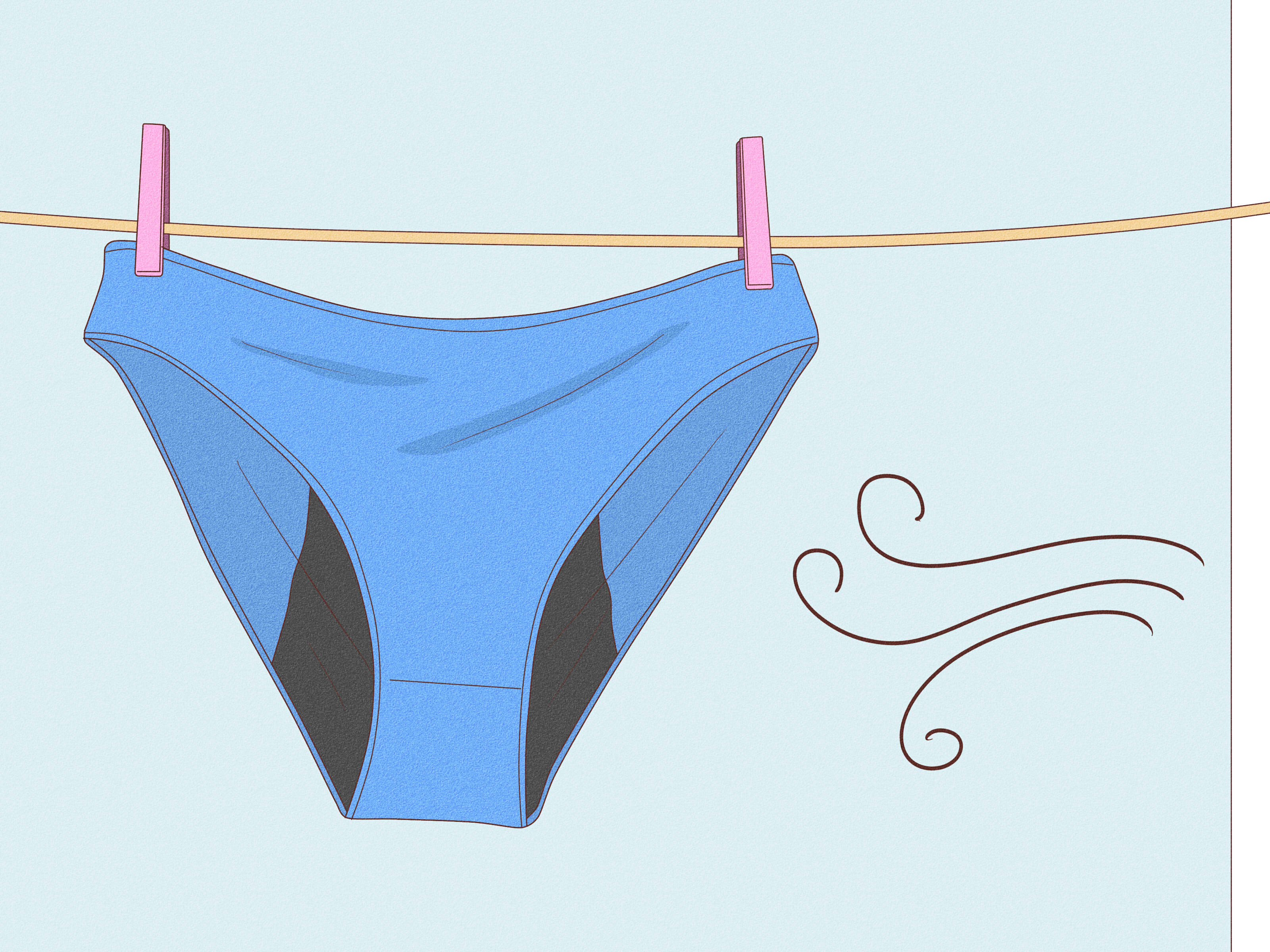
Period underwear looks like regular underwear, but it has one very important superpower: it can absorb menstrual flow without needing a disposable pad. In other words, it is the quiet, washable, leak-fighting friend hiding in your underwear drawer. No cape. No dramatic theme music. Just layers of fabric doing surprisingly smart work.
Also called period panties, leakproof underwear, or reusable menstrual underwear, these garments are designed to absorb period blood, pull moisture away from the skin, and reduce leaks. Some people wear them alone on light or moderate days. Others use them as backup with tampons, menstrual cups, discs, or pads on heavier days. The best use depends on your flow, your schedule, your comfort level, and how much laundry you are willing to be emotionally involved with.
This guide explains how period underwear works, how to choose the right pair, how to wash it, when to change it, and what to know about safety, absorbency, odor, PFAS concerns, and real-life use.
Note: This article is for general education and comfort planning. If your bleeding suddenly becomes much heavier than usual, lasts unusually long, causes dizziness, or comes with severe pain, it is smart to talk with a healthcare professional.
What Is Period Underwear?
Period underwear is underwear with built-in absorbent protection. Instead of sticking a pad to regular underwear, the absorbent area is sewn directly into the gusset, which is the part of underwear that sits between the legs. From the outside, most pairs look like everyday briefs, bikinis, hipsters, boyshorts, thongs, or high-waisted underwear. The magic is in the middle layers.
Unlike tampons, cups, and discs, period panties are worn externally. That makes them beginner-friendly, especially for people who do not want to insert anything into the vagina. They can also be helpful for overnight protection, unpredictable cycles, postpartum spotting, backup during workouts, or “I think my period might start today but I refuse to live in fear” days.
How Does Period Underwear Work?
Period underwear works through a layered fabric system. Different brands use different materials, but the basic structure is similar: a soft top layer, an absorbent core, a leak-resistant layer, and the outer underwear fabric.
1. The Moisture-Wicking Top Layer
The layer closest to your skin is usually designed to move liquid away from the surface quickly. This helps you feel drier and less like you are sitting on a tiny damp towel. Moisture-wicking fabrics are common in athletic wear, and period underwear borrows that same idea for menstrual flow.
2. The Absorbent Core
Below the top layer is the absorbent zone. This part traps and holds menstrual fluid. Many period panties use cotton, microfiber polyester, bamboo-derived fabrics, or blended textiles. The absorbent core is the “sponge” of the operation, though a much more polite and wearable sponge.
3. The Leak-Resistant Barrier
Under the absorbent core, many pairs include a leak-resistant or waterproof barrier. This layer helps keep fluid from passing through to your clothes, sheets, or favorite jeans. It does not mean the underwear is leak-proof forever. Once it reaches capacity, leaks can still happen. Even superheroes have limits.
4. The Outer Fabric
The outer layer gives the underwear its shape, stretch, and style. It may be cotton, nylon, spandex, modal, or another blend. A good pair should feel secure without digging into your skin. Fit matters because gaps around the legs can invite leaks, while underwear that is too tight can feel uncomfortable.
How Much Blood Can Period Panties Hold?
Absorbency varies widely. Some period panties are made for light spotting and discharge. Others are designed for heavy flow or overnight use. Brands often describe absorbency using comparisons such as “one tampon,” “two tampons,” or “heavy flow,” but these labels are not perfectly standardized across every company.
As a practical rule, choose light absorbency for spotting or the last day of your period, moderate absorbency for regular daytime wear, and high absorbency for heavy days or sleep. If you are new to period underwear, start with a higher-absorbency pair at home or overnight so you can learn how it behaves before trusting it during a long school day, work shift, road trip, or wedding where your outfit has no mercy.
Can You Wear Period Underwear All Day?
You may be able to wear one pair for several hours, but “all day” depends on flow, absorbency, comfort, and odor. Period underwear is not changed by a universal clock the way tampons often are. Instead, change it when it feels wet, heavy, uncomfortable, or close to full. On light days, one pair may last much longer. On heavy days, you may need to change once or more, or use another menstrual product as backup.
For overnight use, choose underwear specifically labeled for sleep or heavy flow. These usually have a longer absorbent panel that extends farther toward the front and back. That matters because lying down turns gravity into a prankster.
Who Should Use Period Panties?
Period panties can work for many menstruating people, including teens, adults, athletes, people with irregular cycles, and anyone tired of disposable products. They are especially useful for:
- Light to moderate flow days
- Backup with tampons, cups, discs, or pads
- Overnight leak protection
- First periods or period beginners
- Spotting between periods
- Travel days when bathroom access is uncertain
- People who want reusable menstrual products
They may not be enough on their own for very heavy bleeding unless you choose a high-absorbency style and change as needed. If you regularly soak through menstrual products very quickly, that is worth discussing with a medical professional.
Period Underwear vs. Pads, Tampons, Cups, and Discs
Period Underwear vs. Pads
Pads and period underwear both absorb menstrual flow externally. The biggest difference is that pads are usually disposable and attach to underwear, while period panties are washable and reusable. Period underwear may feel less bulky than a pad, but some high-absorbency pairs can still feel thicker than regular underwear.
Period Underwear vs. Tampons
Tampons are inserted into the vagina to absorb flow before it leaves the body. Period underwear absorbs flow after it exits. Some people prefer period underwear because there is no insertion, no string, and no need to remember tampon timing. Others prefer tampons for swimming, sports, or heavy-flow control.
Period Underwear vs. Menstrual Cups and Discs
Cups and discs collect menstrual fluid internally and can hold more than many external products. However, they require insertion, removal, and cleaning. Period underwear is simpler to use: put it on, wear it, rinse it, wash it, repeat. Many people use period underwear as backup while learning cups or discs.
How to Choose the Best Period Underwear
Pick the Right Absorbency
Do not buy one cute light-flow pair and expect it to perform like a nighttime security guard. Match absorbency to your actual flow. Many people benefit from owning a small set: light pairs for spotting, regular pairs for daytime, and heavy or overnight pairs for sleep.
Choose a Style You Already Like
If you hate bikinis, a period bikini will not magically become your personality. Choose a cut you normally wear: briefs, hipsters, boyshorts, high-waisted, or shorts. Comfort increases the chance that you will actually use them.
Check the Gusset Coverage
For daytime, standard gusset coverage may be enough. For sleep, look for a longer absorbent panel. For workouts, choose snug leg openings and flexible fabric. For heavy flow, wider coverage can make a big difference.
Look for Clear Material and Safety Information
Some shoppers prefer brands that publish fabric details, third-party testing, or certifications. Because concerns have been raised about PFAS, also known as “forever chemicals,” it is reasonable to look for brands that state whether they test for fluorinated chemicals or avoid PFAS treatments. Not every product has the same risk profile, and independent testing has found that some products test cleaner than others.
Are Period Panties Safe?
For many people, period underwear is a safe and comfortable menstrual product when used as directed. It is worn externally, washed between uses, and does not carry the same use-timing concerns as tampons. Still, comfort and hygiene matter. Change your underwear when it feels saturated, wash it properly, and avoid wearing damp fabric against the skin for too long.
If you are prone to irritation, choose unscented products, breathable fabrics, and a fit that does not rub. Skip harsh detergents, fabric softeners, and heavily scented laundry products if your skin is sensitive. The vulvar area does not need perfume, glitter, or a “spring meadow” fragrance campaign. Clean, dry, and comfortable is the goal.
What About PFAS in Period Underwear?
PFAS are chemicals used in some products for stain resistance, water resistance, or durability. Testing and lawsuits in recent years have raised questions about whether some period underwear contains PFAS. The important point is balance: concerns are real enough that shoppers should pay attention, but not every pair of period underwear contains intentionally added PFAS, and current evidence does not prove that wearing period underwear automatically causes harm.
Smart shopping steps include checking brand transparency, reading recent testing claims carefully, avoiding vague “chemical-free” marketing, and choosing companies that publish meaningful safety information. “Natural” and “green” are nice words, but they are not magic shields. Look for specifics.
How to Wash Period Underwear
Always follow the care label on your specific pair, but most period underwear follows a simple routine:
- Rinse in cold water. Rinse after wearing until the water runs mostly clear. Hot water can help set stains, so cold water is the safer first move.
- Machine wash or hand wash. Many pairs can go in the washing machine on a gentle or regular cycle with mild detergent.
- Skip fabric softener. Fabric softeners can coat fibers and reduce absorbency. Your period underwear wants to absorb, not become a scented slip-and-slide.
- Air-dry when possible. High heat may damage elastic or waterproof layers. Air-drying helps preserve performance.
- Store clean and dry. Do not store damp underwear in a closed bag for days unless you are trying to start a science project.
Do Period Panties Smell?
They should not smell strongly when used and washed properly. Menstrual fluid can develop odor when exposed to air and bacteria over time, so changing when saturated and rinsing before washing helps. Some brands use odor-control treatments, but good hygiene matters more than marketing. If odor is strong, persistent, or unusual for you, consider whether the underwear is being washed thoroughly or whether a health issue might be involved.
Can You Use Period Underwear for Heavy Flow?
Yes, but choose carefully. Heavy-flow period underwear usually has a thicker absorbent core and extended coverage. For the heaviest days, many people use period panties as backup with a cup, disc, tampon, or pad. This combination can reduce anxiety during school, work, sleep, travel, or long events.
Example: If your first two days are heavy, you might wear a menstrual cup plus overnight period underwear. On day three, you might switch to moderate absorbency underwear alone. On the final day, a light pair may be enough. The point is not to prove your toughness. The point is to avoid leaks and live your life.
Can You Swim in Period Underwear?
Regular period underwear is usually not designed for swimming. Once submerged, it can absorb water, which reduces its ability to absorb menstrual flow. For swimming, look for period swimwear specifically made for water use, or use another product such as a tampon or menstrual cup if that works for you.
How Many Pairs Do You Need?
A starter set of three to five pairs is practical for many people. If you want to use period underwear for most of your cycle, you may want six to ten pairs depending on your flow and laundry schedule. A sample setup could include two light pairs, three regular pairs, and two overnight pairs. If you hate laundry, plan accordingly. Period underwear is reusable, not self-washing, unfortunately.
Common Mistakes to Avoid
Choosing Style Over Absorbency
A cute pair is wonderful. A cute pair that leaks during algebra, a meeting, or a grocery run is less wonderful. Choose performance first, then style.
Using Fabric Softener
Fabric softener can reduce absorbency by coating fibers. Use mild detergent and keep the absorbent layers clean.
Expecting One Pair to Handle Every Situation
Light-flow underwear and overnight underwear are different tools. Use the right one for the job.
Ignoring Fit
Loose leg openings can leak. Too-tight underwear can irritate. The best fit is snug, smooth, and comfortable.
Experience Notes: What Period Panties Are Like in Real Life
The first experience many people have with period underwear is suspicion. The underwear looks too normal. You may hold it up and think, “This? This is supposed to protect my jeans?” That doubt is reasonable. Disposable pads look obvious. Tampons come wrapped like tiny medical gadgets. Period panties just sit there looking innocent.
The first wear is best treated like a test drive. Try them at home, on a lighter day, or overnight with dark pajamas. This is not because the product is unreliable; it is because every flow is different. One person’s “moderate” is another person’s “please send backup.” After one or two cycles, you learn which pair handles which day. The learning curve is not difficult, but it is personal.
Comfort is usually the biggest surprise. Good period underwear does not feel like a diaper. It may feel slightly thicker in the gusset, especially in heavy or overnight styles, but many pairs feel close to regular underwear once they are on. People who dislike the shifting, bunching, or sticky wings of pads often appreciate that period panties stay put. There is no wrapper noise, no adhesive drama, and no awkward bathroom origami.
Leaks usually happen for predictable reasons: the absorbency is too low, the pair has been worn too long, the fit is loose at the legs, or the absorbent panel does not cover the direction your flow travels while sitting or sleeping. Overnight leaks, for example, often come from flow moving backward while lying down. A longer overnight gusset can help. During workouts, a snugger style may work better because movement tests every weak spot.
Changing period underwear outside the house takes planning. If you need to change during the day, bring a clean pair and a small waterproof wet bag. Roll the used pair, place it in the bag, and rinse it when you get home. This sounds a little strange the first time, but it becomes routine quickly. It is basically the menstrual version of packing gym clothes, except the gym is your uterus and it did not ask permission.
Laundry is the part people either accept peacefully or complain about with theatrical intensity. Rinsing in cold water takes a minute, but it makes washing easier. Air-drying takes longer than tossing everything in the dryer, so having enough pairs matters. If you own only two pairs and your period lasts five days, you will become a laundry philosopher by day three.
The best experience comes from using period underwear flexibly. Wear it alone on lighter days. Pair it with a cup or tampon on heavy days. Use overnight styles for sleep. Keep one pair in a period kit for surprise starts. Once you stop expecting one product to solve every menstrual situation, period panties become less mysterious and much more useful.
Conclusion
Period underwear works by combining moisture-wicking fabric, absorbent layers, and leak-resistant protection in a washable pair of underwear. It can be comfortable, reusable, discreet, and practical for many different flows. The key is choosing the right absorbency, getting a good fit, washing it correctly, and knowing when to use backup protection.
Period panties are not magic, but they are clever. They can simplify light days, add confidence on heavy days, and rescue sheets overnight. Start with a small set, test them in low-risk situations, and build your routine from there. Your period may still arrive with drama, but at least your underwear can be prepared.

