
Beauty Unlocked
Disturbing Epstein Desk Photo Triggers Backlash After Congress Releases New Estate Images
Jun
Note: This article summarizes publicly released congressional materials and reputable reporting. Redacted people are not identified, and the existence of a photograph does not, by itself, prove criminal wrongdoing by everyone pictured.
A newly released image from Jeffrey Epstein’s estate has reignited public outrage, political finger-pointing, and a familiar question that refuses to leave the national bloodstream: how did a convicted sex offender stay so close to powerful people for so long?
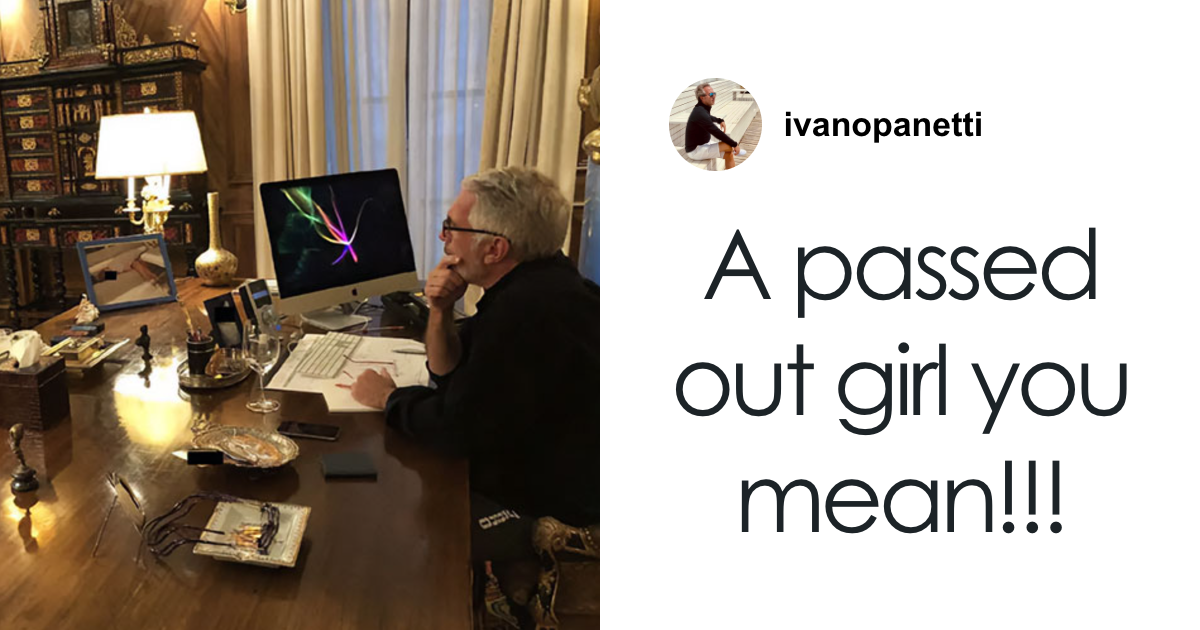
The photo at the center of the latest backlash appears to show Epstein seated at a desk during a meeting with former Trump adviser Steve Bannon. Viewers quickly focused not only on the men in the room, but on what appeared to be framed images sitting on or near Epstein’s desk. Some social media users claimed one redacted image appeared to show a young person lying down. Because the image is censored and lacks full context, that claim cannot be verified from the public release alone. Still, the reaction was immediate, emotional, and, to put it mildly, not the kind of internet discourse that pairs well with morning coffee.
The image was part of a broader congressional release of photographs obtained from Epstein’s estate. House Oversight Democrats said the estate produced roughly 95,000 photos, including images of Epstein properties, unidentified women, and well-known men who had contact with Epstein. The first public batch included 19 images, while later releases added dozens more. Many of the photos were undated, uncaptioned, and heavily redacted to protect possible victims and private individuals.
Why the Epstein Desk Photo Drew So Much Attention
The desk photo stood out because of its setting. It did not look like a random party snapshot, a paparazzi image, or a blurry airport sighting. It looked like an interior scene from Epstein’s private world: ornate furniture, personal objects, framed images, and the kind of curated room that says, “I have money, secrets, and probably too many mirrors.”
That private context is exactly why viewers reacted so strongly. For many people, the image seemed to offer a glimpse into Epstein’s everyday environment after years of legal documents, flight logs, depositions, and carefully worded public denials. The public has seen Epstein described as a financier, social climber, convicted offender, manipulator, and trafficker. But photographs of his personal spaces can feel more visceral than documents. A room has a mood. A desk has clues. A framed image feels intentional.
However, caution matters. The public version of the photo includes redactions. The identities and ages of people in desk images cannot be confirmed from the image alone. Responsible reporting should not transform speculation into fact simply because the internet is wearing its detective hat again. The backlash is real; the interpretation of the redacted details remains uncertain.
What Congress Released From Epstein’s Estate
The House Oversight Committee’s Democratic members said the images came from Epstein’s estate in response to congressional subpoenas. The estate production reportedly included more than 95,000 photos. Only a small portion was made public at first, and lawmakers said they were continuing to review the broader trove.
The released images included photos of Epstein with or near prominent figures such as Donald Trump, Bill Clinton, Bill Gates, Steve Bannon, Woody Allen, Richard Branson, Larry Summers, and Andrew Mountbatten-Windsor, formerly Prince Andrew. Some of those people had already been publicly linked to Epstein in past reporting, court records, or social photographs. The release also included images of Epstein properties, private planes, redacted individuals, novelty items, and disturbing personal materials.
One of the most important points is also the easiest to forget in a viral scandal: being photographed with Epstein does not automatically mean a person participated in his crimes. Several public figures pictured in Epstein-related materials have denied wrongdoing, expressed regret over contact with him, or said they were unaware of his criminal conduct. The photos raise questions about access, judgment, influence, and accountability. They do not replace evidence.
The Political Fight Behind the Photo Release
The timing of the image release was not accidental. It came amid pressure on the Department of Justice to release Epstein-related records under the Epstein Files Transparency Act, a bipartisan law signed in November 2025. The law required the release of unclassified materials related to Epstein, Ghislaine Maxwell, and related investigations, while allowing redactions for victims’ privacy and sensitive information.
Democrats framed the photo releases as part of a transparency push. Rep. Robert Garcia, the ranking Democrat on the Oversight Committee, argued that the images raised more questions about Epstein’s relationships with powerful men and called for the full release of Department of Justice files.
Republicans and the White House accused Democrats of cherry-picking images to create a misleading narrative, especially around President Trump. They argued that Democrats released only a tiny fraction of the 95,000-photo estate production and that the selected images were designed to embarrass political opponents rather than serve survivors. In other words, the Epstein files became what Washington does best: a grim subject wrapped in subpoenas, press releases, and dueling accusations. If outrage were an Olympic sport, Capitol Hill would medal daily.
Why the Redactions Matter
Redactions are central to the controversy. Many faces were blacked out, especially where women, minors, possible victims, or private individuals appeared. This is not just bureaucratic caution. Epstein’s crimes involved sexual exploitation and trafficking, and public disclosure can retraumatize survivors or expose people who never consented to become part of a national spectacle.
At the same time, heavy redactions can fuel public suspicion. When people see black boxes over faces, documents, or framed images, they often assume the worst. That reaction is understandable, but not always reliable. Redactions may hide victims, private citizens, irrelevant third parties, or sensitive personal information. They may also obscure evidence that deserves scrutiny. The tension is real: transparency is necessary, but so is survivor protection.
Transparency Without Turning Survivors Into Content
The Epstein case tests whether institutions can tell the truth without treating survivors as props. The public deserves to know how Epstein built influence, who enabled him, and whether institutions failed to act. But the public does not need the identities, bodies, or private images of victims served up like a true-crime slideshow.
That balance is difficult. Too much secrecy feeds conspiracy theories. Too much exposure can harm the very people the investigation is supposed to protect. The best approach is not secrecy, and it is not voyeurism. It is disciplined disclosure: release records, preserve evidence, identify decision-makers, protect victims, and explain redactions clearly.
The Steve Bannon Connection in Context
The desk image drew additional attention because Steve Bannon appears in the room with Epstein. Reporting has previously described contact between Bannon and Epstein in the years after Epstein’s 2008 Florida conviction, including discussions around media strategy and Epstein’s efforts to rehabilitate his public image.
That context matters because Epstein’s post-conviction social strategy is one of the enduring mysteries of his public life. After pleading guilty in Florida to sex-related charges involving a minor, Epstein did not vanish from elite circles. Instead, he continued to orbit academics, politicians, billionaires, journalists, scientists, and cultural figures. He collected prestige like some people collect airport magnets.
Whether individuals met with him for money, access, philanthropy, curiosity, bad judgment, or career convenience, the broader pattern is hard to ignore. Epstein appeared to understand that proximity to powerful people could launder reputation. A dinner here, a photo there, a donation conversation, a flight, a meeting, a name-drop. Influence does not always arrive with a signed contract. Sometimes it sits quietly on a guest list.
Why Epstein Photos Still Shock the Public
Epstein has been dead since 2019, and Ghislaine Maxwell is serving a 20-year sentence for her role in recruiting and grooming girls for Epstein. Yet new images still create shock because the public believes the full story has not been told. Many people see the Epstein case as a symbol of elite impunity: wealthy people protected by institutions, private planes, expensive lawyers, and social circles that operated above ordinary accountability.
The photos are powerful because they are simple. Court filings can be long. Legal language can be sleepier than a government printer. But a photograph is immediate. It shows faces, rooms, body language, objects, and proximity. Even without full context, it asks viewers to confront the reality that Epstein was not isolated. He moved through rooms where influence gathered.
That is why the desk photo became a flashpoint. It is not only about one object on one desk. It is about what the desk represents: private access, hidden networks, personal imagery, and a world where warning signs were apparently easier to ignore than an email marked “urgent.”
What the Backlash Reveals About Public Trust
The reaction to the Epstein estate images reveals a deep collapse of trust. Many Americans do not trust the Justice Department to release everything. They do not trust Congress to avoid political games. They do not trust powerful people to tell the truth about their associations. They do not trust redactions, delays, missing context, or vague statements from spokespeople.
This distrust did not appear overnight. It grew from years of unanswered questions: Epstein’s 2008 plea deal, the scope of his trafficking operation, how he acquired wealth, why influential people kept meeting him, why warnings were missed, and why victims had to fight so hard to be heard.
In that environment, every new photo becomes more than a photo. It becomes a test. Is this transparency, or political theater? Is this evidence, or selective framing? Is this accountability, or another round of elite reputation management with better lighting?
How Readers Should Interpret the New Epstein Images
Readers should approach the new Epstein estate photos with seriousness, skepticism, and compassion. Seriousness means recognizing that Epstein’s crimes were real and devastating. Skepticism means refusing to turn every redacted image into a confirmed allegation. Compassion means remembering that many unnamed people in these materials may be victims, witnesses, staff, guests, or bystanders who did not choose public exposure.
Look for Confirmed Facts
Confirmed facts include the congressional production of a large photo trove, the release of selected estate images, the presence of well-known figures in some images, the existence of redactions, and the political fight over the release process. Unconfirmed claims include precise interpretations of redacted desk photos, identities of obscured individuals, and assumptions about criminal conduct based solely on proximity.
Separate Bad Judgment From Evidence of Crime
Meeting Epstein after his conviction may reflect poor judgment, ambition, arrogance, or moral blindness. It does not automatically prove participation in trafficking. But the public can still ask hard questions. Who kept meeting him? Why? What did they know? What did institutions ignore? Who benefited from silence?
Do Not Lose Sight of Survivors
The loudest conversation online often centers on famous men. The most important conversation should center on survivors. The Epstein case is not a celebrity yearbook with cursed captions. It is a trafficking scandal involving real people whose lives were harmed. Transparency must serve justice, not curiosity alone.
Experience-Based Reflections: What This Story Teaches About Media, Power, and Public Reaction
Anyone who has watched major scandals unfold online knows the pattern. First comes the release: a document, a photo, a clip, a screenshot. Then comes the zooming, circling, posting, reposting, and captioning. Within hours, thousands of strangers are interpreting furniture placement, facial expressions, background objects, handwriting, reflections, and pixel shadows like they are auditioning for a forensic reboot of “CSI: Twitter.” Sometimes the crowd spots something meaningful. Sometimes it creates a theory that collapses under the weight of its own confidence.
The Epstein desk photo fits that pattern. The public reaction was not only about what the image showed, but about what people feared it might show. That fear comes from a long history of institutions failing victims. When trust is low, uncertainty becomes gasoline. A redaction does not calm people down; it often makes them lean closer to the screen.
For journalists, editors, and readers, this is a useful lesson. Sensitive evidence should be handled with restraint. Headlines should be compelling, yes, but not reckless. A phrase like “appears to show” matters. So does “unverified,” “redacted,” and “no wrongdoing has been established.” These words may not sparkle like viral confetti, but they keep reporting from sliding into accusation by vibes.
For the public, the experience is a reminder that outrage can be morally justified and still need guardrails. People are right to demand answers about Epstein’s network and institutional failures. They are right to ask why influential figures stayed close to him. They are right to want the Justice Department and Congress to release records in a way that is complete, searchable, and honest. But outrage becomes less useful when it starts identifying redacted people, inventing details, or treating speculation as courtroom fact.
For institutions, the lesson is even sharper: partial transparency is not enough when credibility is already damaged. If agencies redact materials, they should explain why. If Congress releases selected images, it should provide context whenever possible. If officials say they are protecting victims, they should demonstrate that protection consistently. Otherwise, every gap becomes a rumor factory, and rumor factories do not come with quality control.
The Epstein case also shows how power protects itself through ambiguity. A meeting can be explained away. A photo can be dismissed. A flight can be framed as innocent. A dinner can be called casual. One connection may mean little; a pattern can mean much more. That is why investigators, reporters, and the public must examine not just individual images, but timelines, communications, money flows, legal decisions, and repeated access.
The best response to the disturbing desk photo is not panic and not dismissal. It is disciplined pressure. Release the records. Protect survivors. Explain redactions. Investigate enablers. Avoid defamatory leaps. Keep asking who gave Epstein access, who ignored warnings, who benefited from proximity, and who still has answers to provide. That may not satisfy the internet’s appetite for instant certainty, but justice is not a snack food. It takes patience, evidence, and the kind of persistence that does not trend for only one afternoon.
Conclusion
The disturbing Epstein desk photo triggered backlash because it landed at the intersection of visual evidence, elite connections, survivor justice, political conflict, and public distrust. The image itself remains limited by redactions and missing context. But the broader story is not limited at all. Congress has received a massive estate production. The Justice Department has faced pressure to release files. Lawmakers are arguing over transparency and political motives. Survivors remain at the center of what should be a search for truth, not a partisan scavenger hunt.
The public deserves answers about Epstein’s network, his enablers, and the institutions that failed to stop him sooner. But those answers must be built from evidence, not guesswork. If the new estate images prove anything already, it is that transparency must be serious, survivor-centered, and complete enough to withstand both political spin and internet overreach.

