
Hair Care
‘Leave It to Beaver’ Went to War with Network Censors to Show a Toilet on TV
Jun
Note: This article is based on real U.S. television history, episode records, cast interviews, broadcast standards context, and classic TV reporting. It is written as original, publication-ready content.
The Most Wholesome TV Rebellion Involved a Toilet Tank
In the grand history of American television rebellion, some moments arrive with guitars, protests, scandalous kisses, or live broadcasts gone spectacularly sideways. Then there is Leave It to Beaver, the famously polite 1950s family sitcom that managed to make TV history with something much less glamorous: a toilet tank.
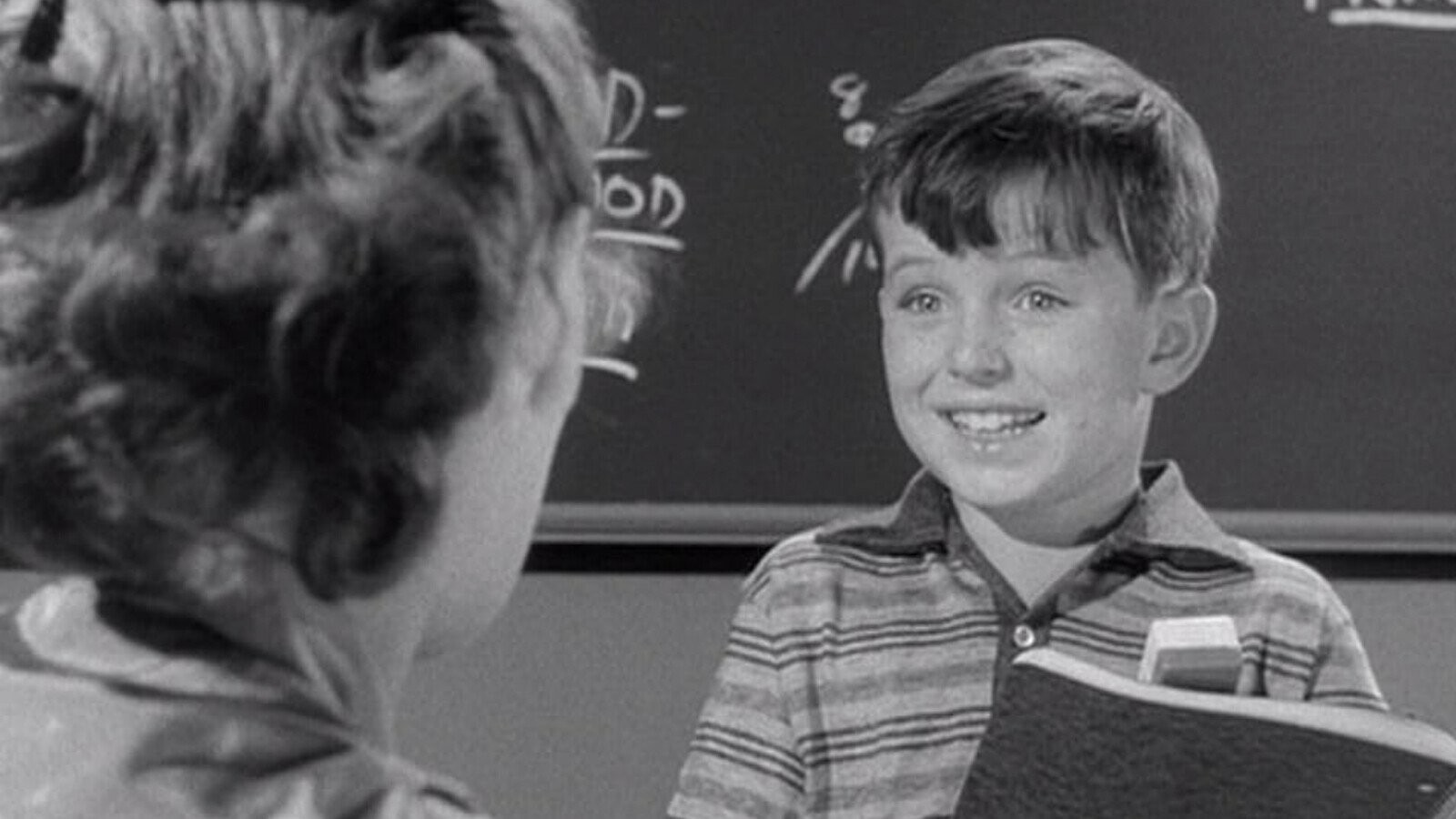
Yes, the same show remembered for June Cleaver’s pearls, Ward Cleaver’s calm lectures, Wally’s big-brother decency, and Beaver’s wide-eyed confusion once found itself in a surprisingly tense battle with network censors. The dispute centered on the episode “Captain Jack,” in which Wally and Beaver order a baby alligator through the mail and decide the best place to keep it is inside the family toilet tank. That plot sounds like pure childhood logic: alligators need water, the bathroom has water, case closed. Unfortunately for the producers, 1950s television standards were not quite ready to admit that American homes contained bathrooms, much less toilets.
The result was a small but memorable censorship showdown. The original issue was not vulgar language, violence, or anything remotely scandalous by modern standards. It was the possibility of showing a toilet on television. In the end, the compromise allowed the episode to show only the tank, not the bowl. Tiny victory? Absolutely. Television history? Also yes. Somewhere, a Standards and Practices executive probably loosened his tie and whispered, “May God forgive us.”
Why a Toilet Was Such a Big Deal in 1957
To modern viewers, the controversy sounds almost impossible. Today, television has shown everything from crime-scene autopsies to dragons, zombies, medical procedures, and reality-show arguments that could curdle milk. A toilet tank barely qualifies as background furniture. But in the 1950s, American network television was heavily shaped by advertiser anxiety, family-viewing ideals, and strict internal content review.
Television was still a young medium trying to prove it belonged in the living room. Broadcasters wanted programming that felt safe for the whole family because the audience was imagined as Mom, Dad, Grandma, children, and possibly the family dog all watching the same screen after dinner. The National Association of Broadcasters’ Television Code, introduced in the early 1950s, reflected that mood. It emphasized decency, good taste, wholesome entertainment, and the avoidance of anything considered offensive to the general family audience.
Bathrooms were awkward in that environment. They reminded viewers that human beings had bodies, and early network television often behaved as if bodies were merely vehicles for wearing hats, dresses, suits, and pajamas. Married couples were frequently shown sleeping in separate beds. Pregnancy was handled delicately. Certain words, gestures, and domestic realities were avoided because networks feared letters from viewers, pressure from sponsors, and bad publicity.
So when Leave It to Beaver built an episode around boys hiding an alligator in a toilet tank, the show ran directly into a cultural wall. The producers were not trying to shock America. They were trying to tell a funny story from a child’s point of view. But that was exactly what made the scene necessary. Remove the toilet tank, and the plot loses its best joke.
What Happens in “Captain Jack”?
“Captain Jack” is one of the earliest episodes of Leave It to Beaver. It aired during the show’s first season in 1957, after the series had begun on CBS. The premise is delightfully simple: Wally and Beaver see an advertisement for a genuine Florida alligator and decide to send away for one. Like many children in classic sitcoms, they assume the universe is basically a mail-order catalog with consequences arriving several days later.
When the alligator arrives, it is not the giant swamp monster they imagined. It is tiny, which is funny and disappointing in equal measure. Still, a baby alligator is not exactly a goldfish. The boys need a place to keep it, and their reasoning leads them to the bathroom. Since an alligator needs water, the toilet tank becomes the secret reptile nursery.
From a writing standpoint, the joke works because it is innocent, practical, and just a little absurd. Beaver and Wally are not being gross. They are being children. The toilet tank is not used for toilet humor; it is used as a container. That distinction mattered to the producers, who pushed back against the censors because the bathroom scene was central to the story.
Eventually, the network and the show reached a compromise: the episode could include the back of the toilet tank, but not the toilet bowl. The camera would avoid the most “dangerous” part of the fixture. In other words, America could acknowledge plumbing, but only from the shoulders up.
The Myth: Was It the First Toilet Ever Shown on TV?
The story is often repeated as “Leave It to Beaver was the first TV show to show a toilet.” That version is catchy, but the precise truth is a little more specific. The episode is widely remembered for showing a toilet tank, not a full toilet bowl. Some accounts describe it as the first appearance of a toilet or part of a toilet on U.S. network television; others carefully note that only the tank was visible.
That distinction matters because television history is full of legends that become smoother each time they are retold. The cleaner version is funnier: “Beaver showed the first toilet!” The more accurate version is even more revealing: network censors were so cautious that even showing the tank required negotiation.
The tank-only compromise tells us more about the era than a full toilet shot would have. It shows how broadcasters managed taboo subjects through framing, camera angles, and careful avoidance. Early television did not always erase reality completely. Sometimes it cropped reality until only the least offensive corner remained.
Why Leave It to Beaver Was the Perfect Show to Break the Rule
The irony is delicious: one of TV’s most famously wholesome programs became part of censorship history. Leave It to Beaver was not rebellious in the obvious sense. It was not edgy, political, or cynical. It was a suburban family comedy about childhood misunderstandings and parental guidance. That is exactly why the toilet controversy is so interesting.
The show’s creators, Joe Connelly and Bob Mosher, built the series around a child’s perspective. Unlike many family sitcoms of the period, Leave It to Beaver often treated adult rules as confusing obstacles that children tried to interpret. Beaver did not live in a world of adult sophistication. He lived in a world where comic-book ads could produce alligators, schoolyard rumors sounded credible, and grown-up logic often seemed like a foreign language.
That child-centered approach made the bathroom scene feel natural. A kid would absolutely consider a toilet tank a reasonable place for a tiny alligator. Adults might see taboo. Beaver saw available water. The comedy came from that gap.
By defending the scene, the producers were defending the integrity of the story. Without the bathroom, the episode would have been less believable from a child’s point of view. The battle was not about shock value. It was about letting a family sitcom show a normal part of family life, even if that normal part happened to be porcelain.
Network Censors, Sponsors, and the Family Living Room
To understand the “Captain Jack” dispute, it helps to understand how television censorship worked in the 1950s. The federal government did regulate broadcasting in certain ways, especially around obscenity and licensing, but many day-to-day content decisions came from networks, sponsors, and internal Standards and Practices departments. These groups reviewed scripts, images, jokes, costumes, gestures, and storylines to make sure programming stayed within accepted boundaries.
Advertisers had enormous influence. A sponsor did not want its soap, cereal, automobile, or appliance associated with controversy. Since programs were entering the private home, networks tried to avoid anything that might make viewers uncomfortable over meatloaf. In that environment, even a harmless bathroom scene could be treated as risky.
That may sound silly now, but it reflected the business logic of early television. The medium depended on trust. Broadcasters wanted parents to believe TV was a safe guest in the house. The problem, of course, is that “safe” can become so sanitized that it no longer resembles life. Leave It to Beaver gently pushed against that limit by insisting that a bathroom could appear in a family story without corrupting the republic.
How the Scene Changed TV History
The toilet tank in “Captain Jack” did not instantly transform American television. Viewers did not tune in one week to a tank and the next week to a full-blown bathroom revolution. Cultural change on TV usually happens in inches, not lightning bolts. Still, the episode became an important marker in the gradual loosening of what television could depict.
Its importance lies in how ordinary the scene was. It did not announce itself as a bold artistic statement. There was no dramatic music, no speech about freedom, no character staring into the camera to declare that indoor plumbing must be liberated. The scene simply used a common household object because the plot required it. That quiet normalcy helped move the boundary.
Later television would go much further. Sitcoms became more comfortable with bathrooms, bedrooms, pregnancy, divorce, politics, illness, and social conflict. By the 1970s, shows such as All in the Family pushed network television into far more direct conversations about American life. Compared with those later breakthroughs, Leave It to Beaver showing a toilet tank may seem tiny. But tiny cracks matter. Before television can shout, it often has to whisper.
The Humor of Innocence: Why the Story Still Works
Part of the reason this story still delights classic TV fans is that the object at the center of the controversy is so mundane. A toilet is not glamorous. It is not mysterious. It is not even interesting unless something has gone terribly wrong and a plunger has entered the scene. Yet in 1957, this ordinary fixture became a line in the sand.
The humor is doubled by the personality of Leave It to Beaver. This was not a show trying to smuggle adult material past the gatekeepers. It was gentle, domestic, and morally tidy. Episodes usually ended with lessons, apologies, and Ward Cleaver explaining life with the patience of a man who apparently had unlimited emotional bandwidth after work.
That is what makes the toilet-tank story so charming. The show got into trouble for being too realistic in the most innocent way possible. It did not challenge morality; it challenged denial. Families had bathrooms. Children did foolish things. Toilets existed. The Cleaver household, despite its polished surface, could not float above the physical facts of suburban life forever.
What the “Captain Jack” Controversy Says About 1950s America
The toilet controversy is funny, but it also reveals something serious about midcentury American culture. The 1950s are often remembered through images of conformity: tidy lawns, nuclear families, polite children, shiny appliances, and carefully managed public behavior. Television both reflected and reinforced that ideal. Shows like Father Knows Best, The Donna Reed Show, and Leave It to Beaver presented domestic life as orderly, understandable, and morally guided.
But real life was always messier. Children disobeyed. Parents worried. Bodies existed. Homes had private spaces. The tension between public polish and private reality was built into the era’s entertainment. A toilet tank on TV became controversial because it brought a private object into a public medium.
In that sense, “Captain Jack” is not just a trivia answer. It is a tiny window into how Americans negotiated privacy, respectability, childhood, and mass media. The scene asked a question that sounds ridiculous but was culturally meaningful: How much ordinary life is allowed on television?
Why Viewers Still Love This Piece of Classic TV Trivia
Classic television trivia survives when it captures a bigger truth in a small detail. The Leave It to Beaver toilet story does exactly that. It is easy to remember, easy to retell, and funny enough to survive decades of reruns and nostalgia lists. More importantly, it gives viewers a quick snapshot of how dramatically TV standards have changed.
For younger audiences, the idea that a toilet tank could cause a censorship dispute sounds like parody. For older viewers, it may evoke a time when television worked hard to maintain a polished surface. For media historians, it is a useful example of how networks handled domestic realism. For everyone else, it is simply hilarious that a baby alligator named trouble could force television to acknowledge plumbing.
The story also reminds us that change does not always come from obvious rebels. Sometimes it comes from children, sitcom writers, and an alligator that needs somewhere damp to sit.
Experiences and Reflections: Watching the “Toilet on TV” Story Today
Watching or revisiting “Captain Jack” today is a strange and enjoyable experience because the scene no longer feels shocking. Most modern viewers will probably notice the boys’ secrecy, the comic-book logic, and the alligator before they notice the supposed scandal. That gap between modern reaction and 1950s anxiety is exactly what makes the episode valuable. It turns a simple sitcom plot into a lesson in media history.
For anyone who grew up with reruns of Leave It to Beaver, the series can feel like television comfort food: warm, predictable, and lightly seasoned with “Gee, Dad.” The bathroom controversy adds a surprising dash of spice. It shows that even the safest shows were shaped by behind-the-scenes negotiation. Every episode that looked effortless had passed through writers, producers, sponsors, network executives, and censors before reaching the screen.
There is also something relatable about the boys’ decision-making. Children often solve problems with the resources immediately available to them. A drawer becomes a treasure chest. A laundry basket becomes a spaceship. A toilet tank becomes an alligator habitat. Adults call this poor judgment; children call it engineering. The joke works because viewers recognize the logic, even while knowing it is doomed.
The controversy can also make us think about today’s media environment. Modern television has fewer taboos around bathrooms, bodies, and domestic mess. In fact, contemporary shows sometimes run in the opposite direction, using shock or awkwardness as a badge of authenticity. But the “Captain Jack” story suggests that realism does not always need to be loud. Sometimes a small honest detail can make a fictional home feel more real.
For writers, the episode is a useful case study. The toilet tank was not random. It was tied to character, plot, and theme. Beaver and Wally were not placed in the bathroom to be naughty; they were placed there because their child logic led them there. That is why the producers had a reason to fight for the scene. Good comedy often depends on specific details, and removing the detail can flatten the joke.
For publishers and fans writing about classic television, this story is also a reminder to handle nostalgia carefully. It is tempting to describe old TV as simpler, cleaner, or better. But the truth is more interesting. Old TV was not simple; it was carefully controlled. The toilet tank controversy shows the machinery behind the innocence. The Cleaver home may have looked calm, but the network review process behind it could turn a bathroom fixture into a boardroom debate.
In the end, “Captain Jack” remains charming because nobody involved seemed to be chasing scandal. The writers wanted a funny alligator story. The boys wanted a pet. The censors wanted invisible plumbing. The compromise gave television history one of its oddest milestones. It is hard not to admire the modesty of the breakthrough. No explosion, no scandalous monologue, no ratings stuntjust a toilet tank, a baby alligator, and a family sitcom quietly nudging the medium toward reality.
Conclusion: A Small Tank, a Big TV Moment
Leave It to Beaver did not become legendary because of rebellion. It became legendary because it captured childhood confusion inside an idealized American home. Yet the “Captain Jack” toilet controversy proves that even the gentlest shows can become accidental pioneers. By insisting on a bathroom scene that made sense for the story, the producers challenged a strange television taboo and helped expand what could appear on network TV.
The episode’s legacy is not that it showed something shocking. Its legacy is that it made something ordinary visible. A toilet tank may not sound like a revolution, but in the world of 1950s broadcasting, it was enough to make censors nervous and historians smile. Leave it to Beaver, indeed.

