
Beauty Unlocked
Marité Acosta’s Salt Dishes
Jun
Some kitchen objects announce themselves with bells, whistles, blinking lights, and a user manual thick enough to qualify as light weekend reading. Marité Acosta’s salt dishes do the opposite. They sit quietly, beautifully, and confidently on the table, proving that a two-inch ceramic dish can have more personality than an appliance with Wi-Fi.
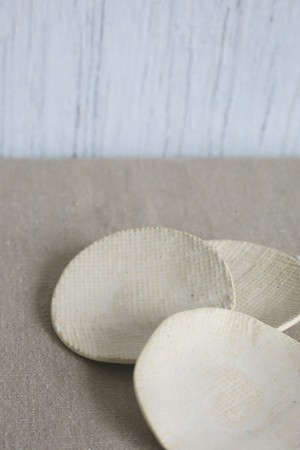
These small handmade ceramic salt dishes are simple at first glance: textured white stoneware finished with a matte white glaze. But that simplicity is exactly the point. They are the kind of objects that make people pause before dinner and say, “Wait, where did you get that?” which is the tableware version of a standing ovation.
Marité Acosta is known for pottery that feels deeply connected to food, touch, and everyday ritual. A chef and potter based in Central Oregon, Acosta brings a cook’s practicality and an artist’s eye to her ceramic work. Her pieces are not fussy museum objects that glare at you from a shelf. They are meant to be used, handled, filled, rinsed, stacked, passed around, and admired in the warm chaos of real life.
What Are Marité Acosta’s Salt Dishes?
Marité Acosta’s salt dishes are small textured ceramic dishes made from white stoneware with a matte white glaze. The original product listing described them as approximately two inches across, which places them firmly in the category of tiny-but-mighty kitchen tools. They are large enough to hold a generous pinch of flaky salt, yet small enough to tuck beside a cutting board, dinner plate, cheese board, or butter dish.
Unlike a traditional salt shaker, a salt dish invites touch. You do not shake and hope. You pinch, sprinkle, taste, and adjust. That one small change can make cooking feel more intuitive. It also makes the table feel more personal, as if the meal is saying, “Relax. We’re not in a cafeteria. Nobody is fighting with a clogged shaker today.”
The Design: Small, Textured, and Quietly Elegant
The beauty of these handmade salt dishes lies in restraint. The matte white glaze gives them a soft, chalky look that pairs well with almost any table setting. White stoneware adds durability and weight, while the textured surface creates visual interest without shouting for attention.
Texture matters. A perfectly smooth dish can be lovely, but texture gives the hand something to notice. It reminds you that the piece was shaped by a person, not stamped out by a machine in a warehouse that also makes office trash cans. Acosta’s salt dishes carry that handmade irregularity that collectors of artisan ceramics love: small differences in surface, form, and finish that make each piece feel individual.
Why Matte White Works So Well
Matte white is one of those finishes that looks simple until you try to replace it. It can feel rustic, modern, coastal, minimalist, or farmhouse-adjacent depending on what surrounds it. On a dark walnut table, it looks refined. Beside linen napkins, it looks soft and natural. On a crowded weeknight countertop next to half a lemon and a heroic pile of onion skins, it still looks intentional.
For salt dishes specifically, white is also functional. It highlights the shape and color of the salt inside. Flaky sea salt, pink salt, gray sea salt, smoked salt, and herb salt all read clearly against a pale ceramic background. That contrast is useful and, frankly, photogenic enough to make your roasted vegetables feel like they hired a publicist.
Why Salt Dishes Belong in a Thoughtful Kitchen
A salt dish may seem like a tiny luxury, but it changes how you cook. Keeping salt within reach encourages better seasoning habits. Instead of dumping salt from a container at the end, you season in layers: a little while sautéing onions, a little after adding vegetables, a final pinch before serving. This builds flavor more naturally.
Professional cooks often rely on open salt containers because they allow quick, tactile control. You feel the amount between your fingers. You can adjust instinctively. A shaker, by contrast, turns seasoning into a guessing game. Sometimes nothing comes out. Sometimes half the ocean lands on your eggs. A salt dish is calmer. It gives you control without drama.
Cooking Salt vs. Finishing Salt
Marité Acosta’s salt dishes are especially suited for finishing salts. Kosher salt is excellent for cooking because it is easy to grab and distribute, while flaky sea salt shines at the end of a dish, adding texture and sparkle. A small ceramic dish lets you bring that finishing salt to the table, where it can be used on sliced tomatoes, soft-boiled eggs, grilled fish, roasted carrots, chocolate cookies, or a very serious slice of buttered bread.
Salt is chemically simple, but culinarily expressive. Table salt, kosher salt, sea salt, and flaky finishing salt are all mostly sodium chloride, yet their crystal size, density, additives, and texture affect how they behave in cooking. A delicate dish encourages you to notice those differences instead of treating salt as background noise.
How to Style Marité Acosta’s Salt Dishes
These dishes are small enough to move around the kitchen and beautiful enough to leave out. That combination is rare. Many useful kitchen tools look like they were designed during a committee meeting under fluorescent lighting. Acosta’s salt dishes feel like objects you can actually live with.
On the Dinner Table
Place one dish between every two guests with flaky sea salt, smoked salt, or a house seasoning blend. Add a tiny spoon if you want to keep things tidy. The result feels relaxed but polished, like a restaurant detail translated for home.
On a Cheese Board
A small white stoneware dish is perfect for salt, honeycomb, mustard, toasted seeds, olives, or crushed pistachios. It adds height and texture without stealing attention from the cheese, which is polite because cheese is famously sensitive about being upstaged.
Beside the Stove
Use one for kosher salt while cooking. Because the dish is open, it is best kept away from steam, splatter, and busy elbows. If your kitchen has the energy of a live cooking competition, place it slightly off to the side with a small spoon.
For Small Prep Ingredients
These dishes can also hold minced garlic, lemon zest, chili flakes, sesame seeds, chopped herbs, or a single tablespoon of capers. In cooking, tiny bowls make you feel organized. They also make you look like you have a production team, even if the production team is just you and a cutting board that keeps sliding around.
The Appeal of Handmade Ceramic Tableware
Handmade ceramics bring warmth to the table because they show evidence of human touch. In a world full of identical objects, the slight variation in a handmade dish feels refreshing. One rim may curve a little differently. One texture may catch the glaze in a unique way. These differences are not flaws; they are the reason people seek out studio pottery in the first place.
Marité Acosta’s background across food, fashion, textiles, and ceramics helps explain why her work feels both practical and visual. A chef understands the rhythm of a kitchen. A textile-minded artist understands surface and pattern. A potter understands form, weight, and the quiet satisfaction of a piece that feels right in the hand.
Food Safety and Ceramic Salt Dishes
When buying or using ceramic pieces for food, it is smart to think about food safety. Ceramic tableware should be made with food-safe materials and glazes, especially if it will hold food regularly. The U.S. Food and Drug Administration warns consumers not to use pottery for cooking, serving, or storing food if it contains leachable lead or cannot be confirmed as safe for food use.
For salt dishes, the risk is generally lower than for vessels holding acidic liquids for long periods, but care still matters. Use ceramics from reliable makers, avoid pieces marked “not for food use,” and stop using any dish for food if the glaze becomes cracked, badly scratched, or damaged. Handmade does not mean fragile, but it does mean you should treat the piece like an object, not like a hockey puck.
Care Tips for Handmade Salt Dishes
Hand-washing is usually the gentlest option for small handmade ceramic pieces. Use mild dish soap, warm water, and a soft sponge. Dry thoroughly before refilling with salt, since salt can clump when exposed to moisture. If the maker says the piece is dishwasher-safe, it may survive the dishwasher, but hand-washing reduces the chance of chips caused by other dishes clanking around like tiny cymbals.
Because these dishes are small, they are easy to clean quickly. Empty the salt, wipe the surface, rinse, dry, and refill. For serving guests, consider using a petite spoon. It keeps the salt clean and adds a charming detail that says, “Yes, I own tiny spoons, and no, I will not apologize.”
What to Put in Marité Acosta’s Salt Dishes
The obvious answer is salt, but the better answer is: the good stuff. These dishes deserve ingredients that benefit from being seen, pinched, and shared.
Flaky Sea Salt
Flaky sea salt is ideal for finishing. Sprinkle it over brownies, focaccia, grilled steak, sliced avocado, watermelon, or roasted sweet potatoes. The flakes add crunch and a bright pop of flavor.
Kosher Salt
Kosher salt is practical for everyday cooking. It is easy to grab, easy to distribute, and often preferred by cooks because its larger crystals offer better control than fine table salt.
Infused Salt
Lemon salt, rosemary salt, smoked salt, chili salt, and garlic salt all work well in small dishes. Just remember that infused salts can be strong. A little can make dinner sing; too much can make it perform an unsolicited solo.
Non-Salt Uses
Try using the dishes for toasted spices, dipping sauces, softened butter, jam, olive oil for bread, or small sweets after dinner. Outside the kitchen, they can hold rings, earrings, paper clips, incense cones, or that mysterious screw you found on the floor and are afraid to throw away.
Why These Salt Dishes Still Feel Relevant
Although the original product listing is from years ago, the design still feels current because it belongs to a larger movement: fewer disposable objects, more meaningful everyday tools, and a renewed appreciation for handmade tableware. People want kitchens that work well, but they also want kitchens that feel lived in and personal.
Marité Acosta’s salt dishes are not about extravagance. They are about attention. They ask us to notice the small rituals that shape a meal: seasoning soup, setting the table, passing salt to a friend, finishing a tomato with a pinch of flakes. These moments are ordinary, but ordinary does not mean unimportant.
How to Build a Table Around Them
Because the dishes are matte white, they pair easily with other materials. Try them with linen napkins, wood boards, handmade plates, clear glassware, brass flatware, or dark ceramic bowls. They also look beautiful on marble, butcher block, slate, and simple cotton tablecloths.
For a minimalist table, use one salt dish, one candle, and neutral plates. For a more rustic table, pair the dish with sourdough, butter, olives, and a low bowl of herbs. For a dinner party, use several salt dishes with different finishing salts and let guests choose. People enjoy choice, especially when the options are “delicious,” “also delicious,” and “this one makes potatoes taste expensive.”
Buying and Collecting Handmade Salt Dishes
Because studio pottery is often made in small batches, availability can change. A piece may appear in a shop, sell out, return in a different glaze, or exist only as a remembered object in someone’s kitchen photo. That is part of the charm and occasional heartbreak of handmade ceramics.
When looking for Marité Acosta pottery, check the artist’s own shop updates, stockists, and social channels. If a specific salt dish is unavailable, look for related small bowls, textured dishes, or white stoneware pieces that carry the same spirit. The goal is not merely to own a product; it is to bring a useful handmade object into daily life.
Experience: Living With Salt Dishes in the Kitchen
There is a funny thing that happens when you start using a real salt dish: you suddenly become the sort of person who has opinions about salt placement. Before, salt lived wherever it landed. In a cabinet. Behind the pepper grinder. Inside a box with a torn corner. Possibly in witness protection. But once a small ceramic dish sits near the stove, seasoning becomes a tiny ritual.
The first experience is usually convenience. You are cooking pasta sauce, eggs, soup, or roasted vegetables, and the salt is right there. No opening a cabinet with tomato-covered hands. No shaking a container over a steaming pot and wondering whether the lid is about to leap off like a prank. You pinch what you need, sprinkle, stir, taste, and move on. The process feels faster, but also calmer.
The second experience is visual. A handmade salt dish makes a kitchen look more considered. It does not need to match everything. In fact, it is better when it does not look too perfect. A little ceramic dish beside olive oil and a pepper mill suggests that someone actually cooks here. It adds softness to metal pans, sharp knives, glass jars, and all the straight lines of modern kitchen storage.
The third experience is sensory. Salt feels different depending on its shape. Kosher salt has a certain grainy confidence. Flaky sea salt is light and crisp. Coarse gray salt feels damp and mineral. When those salts sit in a dish instead of a box, you notice them. You begin choosing salt based on the dish, not just the recipe. Scrambled eggs get one kind. Tomatoes get another. Chocolate chip cookies get the dramatic flaky salt because dessert deserves accessories.
There is also a hosting experience. Put a small salt dish on the table and guests understand it instantly. They may not know the maker or the clay body or the glaze, but they know what to do. They pinch, sprinkle, and pass it along. The dish becomes part of the conversation without trying too hard. It is hospitality in miniature.
And yes, there are practical lessons. Do not leave an open salt dish directly beside a boiling pot unless you enjoy salt with the texture of beach sand after rain. Do not overfill it. Do not use wet fingers. If serving a group, add a tiny spoon. If you have a cat, place the dish somewhere the cat cannot conduct gravity experiments. These are not design flaws. These are simply the terms and conditions of living with beautiful small things.
The best part is that a salt dish changes ordinary meals. A bowl of soup gets a final pinch. A radish with butter feels French enough to wear a scarf. A boiled egg becomes breakfast with intention. Marité Acosta’s salt dishes capture that exact pleasure: the upgrade that does not brag, the handmade object that earns its place, the small detail that makes the table feel alive.
Conclusion
Marité Acosta’s salt dishes prove that thoughtful design does not need to be large, loud, or complicated. Made from textured white stoneware with a matte white glaze, they bring together utility, beauty, and the intimate pleasure of handmade ceramics. They are small enough for everyday use yet distinctive enough to elevate a table setting.
For cooks, they make seasoning more intuitive. For hosts, they make the table feel warmer. For collectors, they represent the appeal of small-batch pottery: tactile, imperfect, useful, and quietly expressive. Whether used for flaky sea salt, kosher salt, spices, condiments, or tiny treasures, these dishes remind us that the best kitchen objects are often the ones we reach for without thinkingand admire once we do.
Note: This article is written as original publish-ready content based on verified public information about Marité Acosta’s pottery, ceramic salt dishes, salt-cellar use, salt types, and ceramic food-safety best practices.

