
Makeup
Why Popcorn Ceilings Used to Be So Popularand Why They Vanished
Jun
Popcorn ceilings were once the hardworking, budget-friendly hero of American homebuilding. Then they became the textured villain hanging over every open house. Here is why they rose, why they fell, and what homeowners should know before reaching for a scraper.
The Rise of Popcorn Ceilings: A Practical Trend With a Funny Name
Few home features have suffered a reputation collapse as dramatic as the popcorn ceiling. Also called acoustic ceilings, stipple ceilings, cottage cheese ceilings, or textured ceilings, they were common in American homes from the mid-20th century through the 1980s and beyond. At the time, they were not considered ugly. They were considered smart. Builders loved them. Homeowners accepted them. Apartment managers probably hugged them in private.
The appeal was simple: popcorn ceiling texture solved several problems at once. It hid drywall seams, covered minor ceiling flaws, softened echoes, and could be sprayed on quickly. In an era of rapid suburban construction, that mattered. New houses were going up fast, and builders needed finishes that looked finished without requiring endless sanding, skim coating, and perfectionist-level ceiling work.
Today, smooth ceilings are associated with clean design and higher-end remodeling. But decades ago, smooth drywall ceilings required more time, more skill, and more money. A textured ceiling was the construction equivalent of a clever haircut: it covered imperfections, looked intentional, and did not ask too many questions.
Why Popcorn Ceilings Became So Popular
1. They Hid Imperfections Like a Pro
The biggest reason popcorn ceilings became popular was their ability to disguise flaws. Drywall ceilings are unforgiving. A bad seam, uneven joint compound, small crack, or slightly wavy surface can catch light and announce itself from across the room like it has breaking news.
Popcorn texture changed the game. Its bumpy surface scattered light and distracted the eye, making small defects much harder to spot. For builders, that meant less time spent finishing drywall to a glass-smooth standard. For homeowners, it meant ceilings looked consistent even when the structure underneath was not perfect. In tract homes, apartments, dorms, and rental units, this was extremely useful.
2. They Were Cheap and Fast to Apply
Popcorn ceilings were also popular because they were economical. Instead of paying for extensive sanding and finishing, builders could spray a textured coating across the ceiling and move on. The process saved labor, and labor is where renovation budgets often go to quietly cry in the corner.
This made popcorn ceiling installation attractive for large developments. When a builder is finishing dozens or hundreds of rooms, shaving time from each ceiling can add up to major savings. A sprayed acoustic ceiling could deliver a “complete” look without demanding premium craftsmanship in every bedroom and hallway.
3. They Helped With Sound
Popcorn ceilings were commonly marketed as acoustic ceilings because their irregular texture helped reduce echo. The rough surface absorbed and broke up sound better than a flat, hard ceiling. This did not turn a noisy apartment into a recording studio, but it could soften the sharpness of voices, footsteps, and everyday household noise.
That sound-dampening quality made textured ceilings especially appealing in apartment buildings, multifamily housing, hallways, bedrooms, and rooms with hard flooring. In the age before every home had soft rugs, acoustic panels, and suspiciously expensive throw pillows, popcorn ceilings helped take the edge off a room’s echo.
4. They Reflected Light and Brightened Rooms
Most popcorn ceilings were painted white or applied in a bright white finish. This helped bounce light around a room. The texture also added visual depth, which some homeowners liked at the time. In mid-century and late-20th-century interiors, texture was not automatically considered a crime against design. Wood paneling, shag carpet, patterned wallpaper, and sculpted ceilings all had their moment. Popcorn ceilings simply joined the party, wearing a little too much texture.
5. They Were Practical for Rentals and High-Traffic Homes
Popcorn ceilings could hide small stains, repairs, patches, and uneven areas better than smooth ceilings. In rental properties, student housing, and busy family homes, that durability-by-disguise was valuable. A smooth ceiling might show every repair line. A textured ceiling said, “What repair? I have never heard of a repair.”
The Asbestos Problem: The Turning Point
The most serious reason popcorn ceilings vanished from favor is asbestos. Many older textured ceiling products and related patching compounds contained asbestos, a mineral once widely used in building materials for strength, heat resistance, and fire resistance. The danger is not usually the mere presence of asbestos-containing material. The danger appears when the material is damaged, scraped, sanded, drilled, or otherwise disturbed, allowing microscopic fibers to become airborne and inhaled.
By the late 1970s, federal restrictions and safety concerns changed the way manufacturers and builders used asbestos-containing materials. However, older stock and older installations remained in homes. That means a house built before the 1980sor even a home remodeled with older productsmay still have popcorn ceiling texture that should be treated with caution.
This is where many homeowners make a risky mistake. They look up at an old ceiling, decide it looks like stale oatmeal, grab a scraper, and start removing it. That is not a plan; that is a suspense movie. If a popcorn ceiling may contain asbestos, it should be tested before removal or major disturbance. If asbestos is present, a qualified asbestos professional may be needed for safe handling, encapsulation, or removal according to local rules.
In many cases, official guidance says asbestos-containing materials in good condition are best left alone. A stable, intact ceiling is often less risky than a ceiling that has been aggressively scraped by an enthusiastic weekend warrior wearing swim goggles and optimism.
Why Popcorn Ceilings Fell Out of Style
1. They Became Associated With Older Homes
Design trends are not always fair. One decade’s “modern convenience” becomes the next decade’s “please update this immediately.” As smooth ceilings became more common in newer construction and higher-end remodeling, popcorn ceilings started to signal age. Buyers walked into homes, looked up, and mentally added “ceiling removal” to the renovation budget.
Even when a popcorn ceiling is clean and asbestos-free, it can make a room feel dated. It belongs visually to a specific era, especially when paired with brass light fixtures, heavy drapes, orange-toned cabinets, or carpet that has seen things.
2. They Collect Dust and Cobwebs
Popcorn ceilings are not easy to clean. Their rough texture catches dust, cobwebs, pollen, smoke residue, and even mildew in damp areas. A smooth ceiling can be wiped. A popcorn ceiling must be approached like a delicate archaeological site. Press too hard and pieces may crumble. Use too much moisture and the texture can soften or fall away.
This cleaning problem became a major strike against textured ceilings. Modern homeowners generally prefer surfaces that are simple to maintain. A ceiling that collects dust and resists cleaning does not exactly scream “low maintenance luxury.” It more gently whispers, “I own a ladder and regrets.”
3. They Are Difficult to Repair
Matching popcorn texture can be surprisingly difficult. If a ceiling is damaged by a roof leak, plumbing issue, or electrical repair, the patched area often stands out. New texture may have a different pattern, size, thickness, or color. Even when repair sprays are available, blending old and new texture takes practice.
With smooth ceilings, a professional can often patch, sand, prime, and repaint for a clean result. With popcorn ceilings, the repair may look like a map of an unknown island. For homeowners trying to maintain a polished interior, that is frustrating.
4. They Can Make Rooms Feel Darker or Dirtier Over Time
Although white popcorn ceilings were originally used to brighten rooms, age can change the effect. Textured ceilings can yellow from smoke, cooking residue, water stains, or time. Their shadows can also make a ceiling look heavier than a flat finish. In rooms with modern lighting and minimalist design, the texture may compete with the rest of the space.
Smooth ceilings reflect light in a cleaner, more even way. That is one reason homeowners often say a room feels bigger, brighter, and newer after popcorn ceiling removal. The ceiling stops being a feature and goes back to doing its real job: staying above everyone quietly.
5. Removal Became a Common Renovation Goal
As home renovation shows, real estate staging, and online design inspiration became more influential, popcorn ceilings were pushed further into the “outdated” category. Buyers began expecting smooth ceilings, recessed lighting, neutral paint, and clean lines. Popcorn texture became one of those details people notice only when they dislike itand once they notice it, they cannot unsee it.
Should You Remove a Popcorn Ceiling?
The answer depends on three things: safety, condition, and your renovation goals.
Test Before You Disturb
If your home was built before the 1980s, or if you do not know when the ceiling texture was installed, asbestos testing is the first step before scraping, sanding, cutting, or drilling. Do not rely on appearance alone. Popcorn ceilings with asbestos do not glow, hiss, or wear tiny warning labels. Only proper testing can confirm what is in the material.
Consider Leaving It Alone
If the ceiling is in good condition and may contain asbestos, leaving it undisturbed may be the safest option. Some homeowners choose encapsulation, which means sealing the material so fibers are less likely to be released. Others cover the ceiling with drywall, planks, or ceiling panels. These approaches can avoid the mess of scraping, though they still require careful planning and professional advice if asbestos is suspected.
Remove It If It Is Safe and Worth the Mess
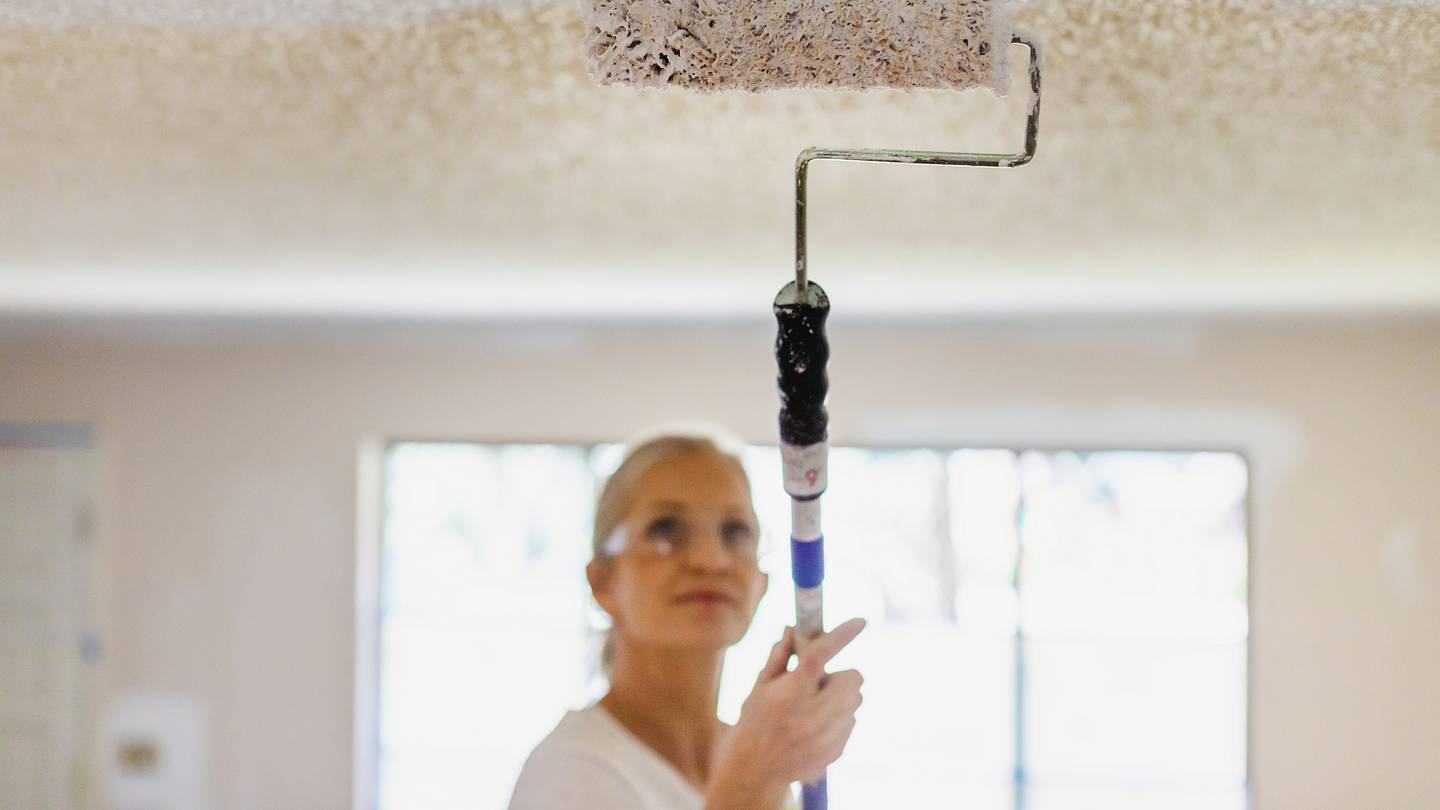
If testing confirms the ceiling is asbestos-free, removal may be a reasonable DIY or professional project. The basic process often involves protecting the room, wetting the texture, scraping carefully, repairing the drywall, sanding, priming, and painting. That sounds simple, but it is messy, tiring overhead work. Your shoulders will learn new emotions.
Professional popcorn ceiling removal can be worth it for large areas, painted texture, high ceilings, or homes being prepared for sale. Costs vary based on square footage, ceiling height, location, repairs, painting, and whether asbestos is involved. Asbestos abatement is a specialized service and can increase the project cost significantly.
Modern Alternatives to Popcorn Ceilings
Popcorn ceilings vanished not because texture itself became illegal or useless, but because homeowners wanted cleaner, easier, safer, and more modern options. Today, popular alternatives include:
- Smooth ceilings: The most timeless and buyer-friendly choice, especially in updated homes.
- Knockdown texture: A softer, flatter texture that hides imperfections without looking as dated.
- Orange peel texture: Subtle and practical, often used when a perfectly smooth finish is not necessary.
- Wood planks or beadboard: Useful for covering texture while adding character.
- Ceiling tiles or panels: A practical option for basements, rentals, or decorative updates.
The best choice depends on the home’s age, style, ceiling height, budget, and safety considerations. A 1920s bungalow may look charming with beadboard. A modern condo may call for smooth drywall. A basement media room may benefit from acoustic panels. The goal is not to obey a trend blindly; it is to choose a ceiling that works for the space and does not make future buyers whisper, “We’ll have to deal with that.”
Are Popcorn Ceilings Ever Worth Keeping?
Surprisingly, yes. Not every popcorn ceiling needs to be removed. In some homes, the ceiling is clean, intact, asbestos-free, and not visually offensive. In rentals or budget-conscious renovations, keeping the texture may be more practical than spending thousands of dollars for a cosmetic upgrade. A fresh coat of appropriate ceiling paint can improve the look, provided the surface is safe to paint and not crumbling.
There is also a tiny retro revival happening in some design circles, where texture is being reconsidered. However, that does not mean old popcorn ceilings are suddenly glamorous. Modern texture is usually more intentional, subtle, and easier to maintain. Popcorn ceilings may earn a small comeback in certain acoustic or budget applications, but they are unlikely to reclaim their former throne in mainstream home design.
Conclusion: Popcorn Ceilings Were Popular for Good Reasonsand Removed for Better Ones
Popcorn ceilings were not a random design accident. They became popular because they solved real construction problems. They were affordable, fast to apply, good at hiding drywall imperfections, and helpful for reducing echo. For builders and homeowners in the mid-20th century, that combination made perfect sense.
But homes changed, tastes changed, and safety knowledge improved. Asbestos concerns made older textured ceilings risky to disturb. Cleaning challenges made them annoying to maintain. Smooth ceilings became the modern standard. Real estate buyers began viewing popcorn ceilings as a sign of outdated interiors, even when the rest of the house was in good condition.
So why did popcorn ceilings vanish? Because the very traits that made them practicalheavy texture, low-cost application, and flaw-hiding abilityeventually made them look dated, dusty, and suspicious. They were the shortcut that worked until homeowners started wanting the long way: cleaner lines, safer materials, better lighting, and ceilings that do not resemble snack food.
Real-Life Experience: What Living With Popcorn Ceilings Teaches You
Living with popcorn ceilings is a funny lesson in how much people ignore ceilings until they suddenly cannot stop staring at them. At first, the texture may seem harmless. You move into a house, unpack boxes, arrange furniture, and think, “The ceiling is fine.” Then one afternoon the sunlight hits it at an angle, and there it is: a lunar landscape above the sofa.
The first experience many homeowners have is dusting. A smooth ceiling barely asks for attention, but a popcorn ceiling collects cobwebs in corners and dust on every little bump. You try a duster, and the duster catches. You try a vacuum brush, and suddenly you are performing ceiling surgery. If the texture is old or brittle, tiny crumbs fall down like sad confetti. This is the moment when many people understand why popcorn ceilings lost the popularity contest.
Another common experience is the lighting problem. Install a new flush-mount fixture or recessed light, and the ceiling texture becomes more noticeable. Bright LED lighting can reveal every ridge and shadow. What once blended into the background begins to look busy. In a room with fresh paint, new flooring, and modern furniture, an old popcorn ceiling can feel like wearing muddy boots with a tuxedo.
Then comes the renovation debate. One person says, “Let’s scrape it.” Another says, “Let’s paint it.” A third person, usually the practical one, says, “Has anyone tested it?” That third person deserves a cookie. Before removing old popcorn texture, especially in pre-1980s homes, testing is not optional wisdom; it is basic safety. Many homeowners learn this only after watching a few renovation videos and realizing that what looks like a simple weekend project may involve asbestos testing, plastic sheeting, respirators, disposal rules, and professional help.
For asbestos-free ceilings, removal can still be a memorable adventure. The room must be emptied or covered. The floor needs protection. The ceiling is sprayed with water in sections. Scraping begins. Wet texture lands everywhere. Arms get tired. Neck muscles file complaints. After the texture is gone, the ceiling still needs patching, sanding, priming, and painting. The smooth final result can be beautiful, but nobody should pretend the process is elegant. It is more “controlled ceiling mud storm” than home makeover montage.
Home sellers often have another experience: buyer reaction. A popcorn ceiling may not ruin a sale, but it can influence perception. Buyers may wonder whether the home has been updated, whether asbestos testing is needed, or how much removal will cost. Even when buyers love the layout, a dated ceiling can become a negotiation point. That does not mean every seller must remove it, but it does mean the ceiling should be clean, intact, and honestly disclosed if there are known concerns.
The biggest lesson is balance. Popcorn ceilings were popular because they were practical, not because everyone in 1974 had terrible taste. They solved problems for their time. But today’s homeowners value easier cleaning, safer renovations, brighter rooms, and smoother finishes. If your popcorn ceiling is safe and you can live with it, there is no law requiring immediate removal. If it bothers you every time you look up, test first, plan carefully, and choose the update that fits your budget. A ceiling should not run your life. It should quietly hold the roof up and let the rest of the room shine.
SEO Tags

