
Body Care
What Going to the Gym Looked Like Before Clout Posting
Jun
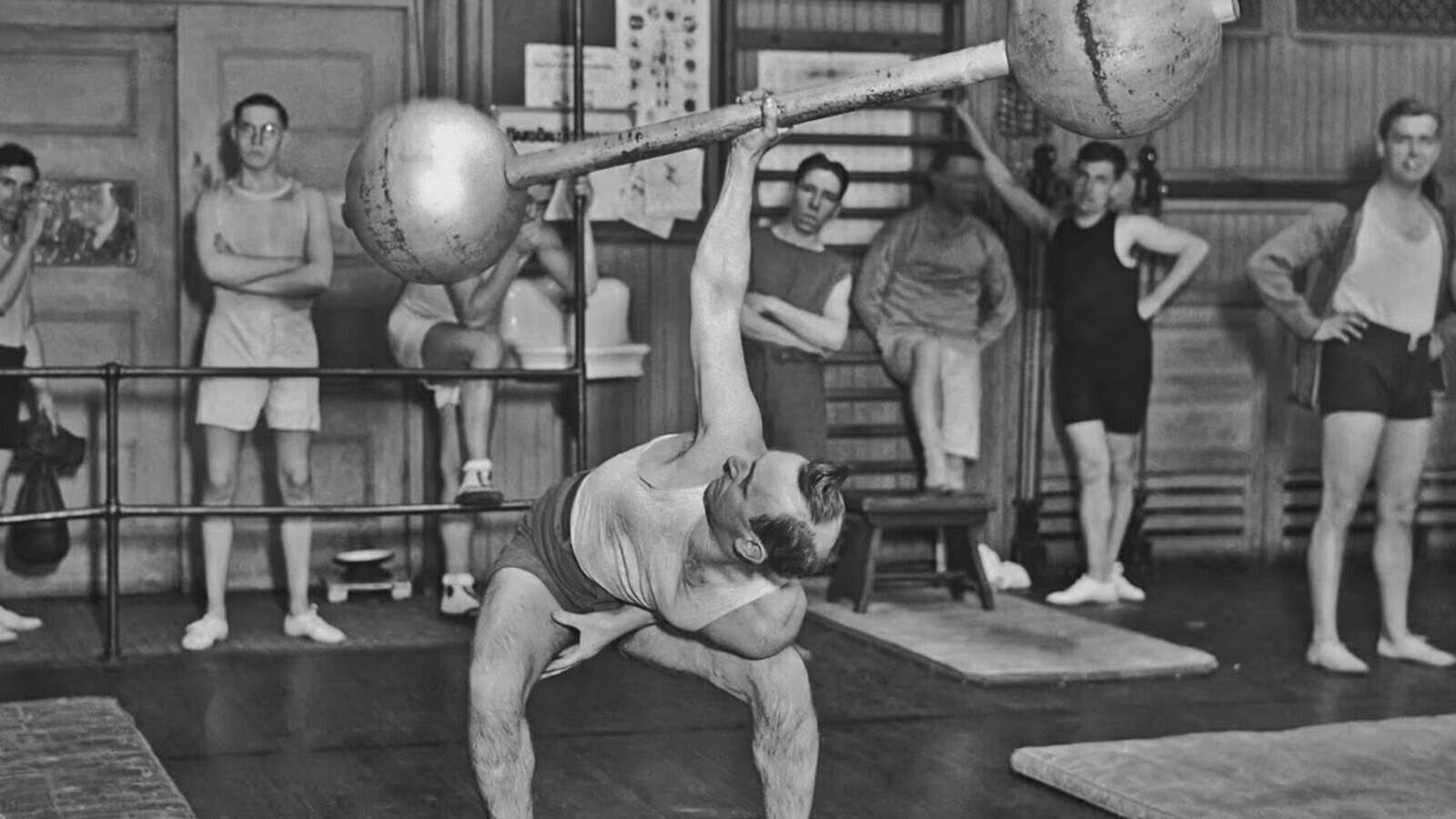
Before every squat needed a tripod, before every protein shake required a cinematic slow-motion pour, and before “leg day” came with a ring light, going to the gym was a surprisingly private activity. People lifted, jogged, stretched, sweated, and occasionally made questionable fashion choices without asking the internet to vote on their pump. The gym existed as a place to train, socialize, recover, compete, flirt awkwardly, and sometimes simply escape the house for an hour.
Today, gym culture is often mixed with content culture. Many fitness centers now contain the soft glow of phone screens, the careful choreography of mirror selfies, and the quiet social pressure of looking like your workout belongs in a highlight reel. But before clout posting became part of the fitness landscape, the gym had a very different rhythm. It was less about proof and more about process. Less “watch me become disciplined” and more “please do not watch me wrestle this lat pulldown machine.”
This is not a cranky complaint about modern fitness. Social media has helped millions of people find workouts, motivation, community, and beginner-friendly advice. But something meaningful gets revealed when we look back at gym life before the camera became the unofficial workout partner. The old gym was sweaty, imperfect, less polished, and in many ways more human.
The Pre-Clout Gym Was Built Around Showing Up, Not Showing Off
Before smartphones became pocket-sized production studios, going to the gym usually started with one basic goal: do the workout. That sounds almost suspiciously simple now. There was no need to capture the warm-up, announce the playlist, film the top set, post a “no excuses” caption, or create a post-workout face that said, “I have suffered beautifully.”
People tracked progress in notebooks, on printed workout cards, or in their heads. A lifter might write “bench press: 135 x 8” in a spiral notebook with a half-broken pen. A runner might glance at a wall clock or treadmill screen. A regular in an aerobics class knew improvement by whether the grapevine step felt less like a personal attack. Progress was measured by stamina, strength, energy, consistency, and the sweet victory of not feeling confused by the cable machine anymore.
The pre-clout gym had fewer performances. People still cared about appearance, of course. Fitness has always had a mirror nearby. But the mirror mostly belonged to the room, not the feed. You checked your form, adjusted your posture, maybe flexed when nobody was looking, and moved on with your day. There was no algorithm waiting to reward the most dramatic angle.
A Brief History of Gym Culture Before the Feed Took Over
Modern gym culture did not pop into existence with Instagram. Its roots go back through physical culture movements, public gymnasiums, military training, bodybuilding clubs, university recreation centers, YMCAs, racquet clubs, dance studios, and neighborhood fitness centers. In the United States, the health club industry grew rapidly during the twentieth century as exercise shifted from elite athletics or medical advice into everyday lifestyle.
By the 1970s and 1980s, fitness became a national obsession. Jogging boomed. Aerobics took over living rooms and studio floors. Jane Fonda workout tapes made home fitness fashionable. Nautilus machines gave gym floors a futuristic look, as if someone had crossbred a spaceship with a dentist’s chair. Bodybuilding entered mainstream awareness through magazines, movies, and celebrity athletes. The gym became not just a place for athletes, but a place for regular people trying to get healthier, stronger, leaner, or simply less winded when climbing stairs.
In the 1990s and early 2000s, gyms became more commercial, more specialized, and more accessible. Big-box health clubs offered rows of cardio machines, free weights, locker rooms, pools, smoothie bars, and personal training desks. Boutique fitness studios brought spinning, yoga, Pilates, kickboxing, and boot camps into trendier spaces. Fitness became a consumer experience, but it still was not yet a constant public performance. You might tell a friend you were going to the gym. You did not necessarily tell 1,200 followers.
What the Gym Floor Actually Looked Like
Imagine a gym before clout posting. The lighting was practical, not flattering. The mirrors were large, but nobody was adjusting a phone against a dumbbell to get the perfect vertical frame. The soundtrack was whatever the gym staff chose, which meant you might be doing curls to classic rock, pop radio, or a mysterious remix that sounded like it was made inside a blender.
The clothing was functional, though not always stylish. Cotton T-shirts were everywhere. Basketball shorts, sweatpants, old college hoodies, high socks, and worn-out sneakers did most of the heavy lifting. Some people dressed like athletes. Some dressed like they had discovered the gym accidentally while looking for the laundromat. Nobody had to match their shaker bottle to their compression shorts.
Machines had instruction stickers. People actually read them. Sometimes incorrectly. A person might sit backward on a machine, pause, look around, and quietly rotate into the correct position with the dignity of a confused raccoon. That was normal. Mistakes happened without becoming content.
There were fewer distractions, too. You might bring a Walkman, then a Discman, then an iPod. If your headphones got caught on a handle, that was your private tragedy. There were no livestreams, no comment sections, no “rate my form” clips, and no strangers accidentally appearing in the background of someone else’s brand-building journey.
The Social Side Was Real, But Local
Before clout posting, gym community was built face-to-face. Regulars recognized each other. The front desk staff knew who always forgot a towel. The same group showed up for the 6 a.m. class, half-awake but loyal. People asked for a spot, shared equipment, traded tips, and occasionally gave unsolicited advice with the confidence of a man who owned exactly one lifting belt.
Gym identity existed, but it was local. You were known as the person who never skipped spin class, the quiet lifter in the corner, the basketball guy, the treadmill reader, the retiree with terrifying calf endurance, or the person who somehow made step aerobics look graceful. Reputation was built through consistency, not content frequency.
That kind of community had limits. It could be intimidating, cliquish, or full of outdated advice. But it also offered something valuable: presence. People were there together in the same room, doing difficult things without converting every moment into a public signal. The reward was often internal: better sleep, more strength, less stress, more confidence, or simply the satisfaction of keeping a promise to yourself.
Progress Was Messier and More Private
One of the biggest differences between old gym culture and today’s clout-posting era is how progress was documented. Before transformation reels and monthly check-in posts, progress was private and uneven. You noticed that your jeans fit differently. You could carry groceries without negotiating with your lower back. You added five pounds to a lift. You made it through a class without pretending to tie your shoe for extra rest.
There was no pressure to package progress into a clean narrative. Real fitness rarely moves in a straight line. People miss workouts, get busy, feel tired, lose motivation, return, adjust, and keep going. The pre-social gym allowed more of that messiness to remain invisible. You did not need to explain a plateau to an audience. You did not need to turn every setback into an inspirational caption with a sunset emoji.
This privacy mattered. It gave beginners room to be beginners. It allowed people to experiment, fail, learn, and improve without feeling like every attempt had to be impressive. In a healthier gym culture, a shaky first set is not embarrassing. It is just the first set.
How Clout Posting Changed the Gym
Clout posting is not just posting. It is posting for status, attention, validation, or social proof. In fitness spaces, that might look like filming every lift, turning the mirror into a content station, exaggerating discipline for likes, or treating the gym as a stage before treating it as a training space.
Smartphones changed the environment. So did platforms built around images, short videos, and personal branding. Fitness content can be helpful: tutorials, mobility tips, beginner routines, recovery advice, nutrition education, and honest stories can make exercise feel more accessible. But the same platforms can also reward extreme aesthetics, unrealistic routines, comparison, and constant self-surveillance.
Research on “fitspiration” and fitness influencer content has found mixed effects. Some people feel motivated by fitness posts. Others experience more appearance comparison, body dissatisfaction, or pressure to exercise for appearance-based reasons rather than health, energy, strength, or enjoyment. In other words, the same post that gets one person off the couch might make another person feel like they are already losing before they begin.
The gym became more visible, but visibility came with baggage. Filming in shared spaces can make other members uncomfortable. People may worry about appearing in the background. Some gyms now create rules around tripods, recording, and locker-room privacy. The old etiquette was simple: wipe the bench, rerack your weights, do not curl in the squat rack unless you enjoy being silently judged. The new etiquette adds another rule: do not turn strangers into unpaid extras.
What Was Better Before?
The pre-clout gym had some clear advantages. First, it encouraged focus. Without constant filming, workouts could feel more immersive. You moved from exercise to exercise without checking whether a clip looked cool. You listened to your body instead of checking your notifications. You were more likely to experience the gym as a place to train rather than a place to produce.
Second, the older gym culture protected privacy. Not perfectly, but naturally. Embarrassing attempts disappeared into memory. Nobody replayed them. Nobody zoomed in. Nobody stitched them with commentary. The absence of cameras made the room feel safer for trial and error.
Third, pre-clout gym culture often made consistency feel less dramatic. A workout did not need to become a lifestyle announcement. You could exercise because your doctor suggested it, because your friends went, because your back hurt, because you liked basketball, because you wanted stronger arms, or because the sauna was the closest thing to peace you could find on a Tuesday.
What Is Better Now?
To be fair, nostalgia can wear very flattering lighting. The old gym was not perfect. Many fitness spaces were less inclusive, less beginner-friendly, and more dominated by narrow ideas of who “belonged.” Some people felt judged, ignored, or excluded. Good information was harder to find. Bad advice could live forever if delivered confidently by the loudest guy near the bench press.
Today’s fitness world has major benefits. Beginners can learn basic form before entering a gym. People can find communities for powerlifting, running, yoga, adaptive fitness, body-neutral wellness, older adult strength training, postpartum exercise, and more. Public-health guidance is easier to access. Trainers can share educational content at scale. A person in a small town can learn from experts they would never meet locally.
Modern gym culture also gives many people representation they did not see before. Social media can show that fitness is not one body type, one age group, one gender, one ability level, or one aesthetic. At its best, online fitness expands the invitation. At its worst, it turns exercise into a never-ending audition.
The Real Difference: Purpose
The biggest difference between going to the gym before clout posting and going now is not the phone. It is the purpose. A phone can record progress, teach form, play music, time rest periods, and connect people with helpful coaching. The problem starts when the workout becomes secondary to the performance of working out.
Before clout posting, the gym was mostly about doing. Today, it can easily become about proving. Proving discipline. Proving attractiveness. Proving toughness. Proving belonging. Proving that you are the kind of person who wakes up early, drinks green things, and somehow owns seventeen matching sets.
But the body does not get stronger from proof. It adapts to practice. Muscles do not care whether the set was filmed. Your heart does not require a caption. Your nervous system is not impressed by hashtags. The old gym reminds us that the most important parts of training are often boring, repetitive, and invisible.
Lessons From the Pre-Clout Era
1. Let Some Workouts Stay Private
Not every workout needs to become content. Private effort can feel refreshing because it belongs only to you. It creates a space where the goal is not to look impressive, but to be present. A workout can be valuable even if nobody sees it, likes it, saves it, or comments “beast mode.”
2. Measure Progress in Real Life
Before feeds and filters, people noticed progress through daily life. They slept better. They had more energy. They carried things more easily. They felt steadier, stronger, or more capable. Those markers still matter. Fitness is not just what shows in a mirror; it is what shows up when life asks you to move.
3. Respect Shared Space
The gym is not a private studio. It is a shared environment where people deserve comfort and privacy. Recording can be useful, especially for checking form, but it should never make other people feel watched, trapped, or exposed. Old-school etiquette still wins: be aware, be courteous, and do not act like the dumbbell rack is your personal movie set.
4. Keep Humor in the Room
Pre-clout gym culture had plenty of accidental comedy. People tripped on step platforms, misread machine diagrams, wore questionable headbands, and made intense lifting faces that belonged in courtroom sketches. The difference was that most of it vanished after the moment passed. A little humility makes fitness more sustainable. Nobody is cool on the abductor machine. Nobody.
Extra Experience: What It Felt Like to Train Before Every Workout Had an Audience
Going to the gym before clout posting felt like entering a small offline universe. You pushed through the door, heard the clang of plates, smelled the strange combination of rubber mats and disinfectant, and immediately understood that everyone was there to do their own mildly uncomfortable thing. There was no need to perform confidence. You could walk in confused, warm up awkwardly, and slowly figure things out.
The front desk might hand you a towel and scan a plastic membership card attached to your keychain. That card was the closest thing to a fitness app. If you forgot it, you had to spell your name while a line formed behind you, which was a different kind of cardio. Inside, the cardio area usually had televisions mounted in the corners. People watched cable news, music videos, daytime talk shows, or sports highlights while walking on treadmills. Closed captions did heroic work.
Workout plans were often photocopied sheets, magazine tear-outs, or routines passed from one friend to another. Someone might say, “Do three sets of ten,” and that was the entire philosophy. You learned by watching, asking, and occasionally making mistakes. Personal trainers existed, but not everyone used one. The gym itself was a classroom, and the tuition was mild embarrassment.
Music was personal but not connected. If you had a cassette player or CD player, you guarded it like treasure. Later, an iPod felt revolutionary because you could build a playlist without carrying a binder of CDs like a traveling DJ. When wireless earbuds arrived, they solved the ancient problem of headphone cords attacking you mid-row. Before that, one wrong move could yank your music device off the treadmill and send it flying with the drama of an action scene.
There was also more patience. People rested between sets without scrolling. They stared at the wall, sipped water, adjusted the pin on a machine, or had short conversations. Waiting for equipment was normal. You asked, “How many sets do you have left?” and the answer was usually honest, unless the person had built an emotional home on that bench.
Group classes had their own magic. Aerobics, step, spin, kickboxing, yoga, and strength circuits created little communities. Nobody needed to post a sweaty selfie afterward to prove the class was hard. The proof was the collective silence during the cooldown. People bonded through shared effort, not shared content. If the instructor shouted encouragement, it stayed in the room instead of becoming a caption.
Locker rooms were practical spaces, not filming zones. People changed, showered, complained about traffic, and discussed weekend plans. Privacy was assumed. The idea of someone recording near lockers would have seemed obviously rude, not a debate topic. That older expectation is worth protecting today because dignity should not depend on whether someone remembered to angle their phone away.
The best part of the pre-clout gym was the freedom to be ordinary. You did not have to look like a brand ambassador. You did not have to turn your discipline into evidence. You could have a mediocre workout and still benefit from it. You could leave sweaty, tired, and unphotographed, then go home to eat leftovers without telling the internet about balance.
That ordinary quality may be the thing modern gym culture needs most. Fitness does not always need to be cinematic. Sometimes it is just a person choosing movement after a long day. Sometimes it is a short walk, a careful stretch, a light set, a beginner class, or a return after months away. Those moments may never go viral, but they are the real foundation of lifelong fitness.
Conclusion: The Gym Was Never Really About the Camera
Before clout posting, going to the gym looked less polished and more personal. It was full of handwritten routines, shared equipment, local community, awkward learning, quiet progress, and private victories. People still cared about how they looked, but they were not constantly invited to turn every rep into a public performance.
Modern fitness has gained a lot from social media: education, accessibility, motivation, and community. But the pre-clout era offers a reminder worth keeping. The gym works best when it is a place to practice, not just a place to prove. The most meaningful progress often happens off-camera, in the unglamorous middle of consistency, where nobody is clapping, nobody is watching, and somehow, beautifully, the work still counts.

